Find the Best Septic Tank Pumping Contractors for Your Business
No obligation • Fast responses • Nationwide coverage

Why you can trust Septic Spot
Septic Spot is a leading United States resource for understanding and comparing septic services. Our editors review providers using consistent criteria and verify key business details. Listings and scores are independent, and companies cannot pay to influence our content.
Search providers near you
Top Septic Tank Pumping Contractors in Pueblo, Colorado Ranked
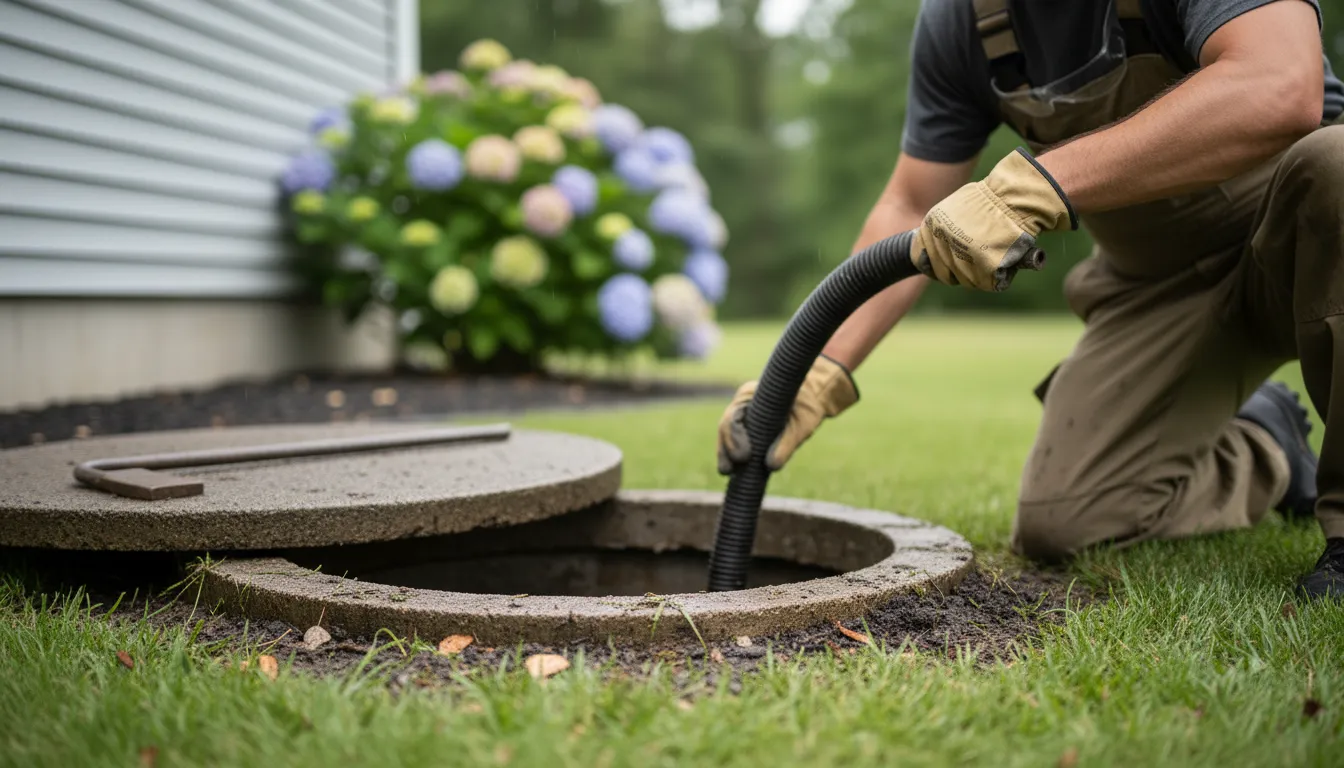
Maintaining a healthy septic system is a crucial responsibility for homeowners in Pueblo. Regular septic tank pumping is the most important preventative maintenance task you can perform to avoid messy, expensive, and environmentally damaging system failures. This service involves a professional using a vacuum truck to remove the accumulated solids (sludge and scum) from your tank, allowing the liquid effluent to flow freely to the drain field. By proactively managing this essential home system, you protect your property value, ensure public health, and comply with local Pueblo County regulations. The following information will help you understand the local requirements, recognize signs you need service, and find qualified professionals to handle your septic maintenance.
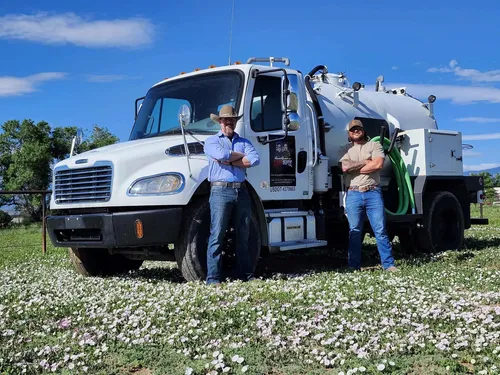
Super Septic Brothers LLC
Colorado Springs, CO
Super Septic Brothers LLC is a family and veteran-owned business based in Colorado Springs, CO. They provide septic tank pumping, certified inspections, portable toilet rentals, and specialized black water tank pumping for RVs. The company also offers potable water delivery across Southern Colorado, including Pueblo West, Fremont County, and Teller County. Licensed and insured, Super Septic Brothers serves residential, agricultural, and commercial clients with a focus on affordability and integrity. They provide 24/7 emergency service and have a background in military and law enforcement.
American Septic Service
Pueblo, CO
American Septic Service is a family-owned septic tank pumping company serving Pueblo, CO, and surrounding counties including Fremont and Otero. They provide residential and commercial septic services focused on preventing backups, slow drains, and other septic system issues by recommending regular pumping every 2 to 3 years. With 17 years of experience in the area, the company emphasizes reliable and professional septic maintenance, led by an experienced septic pumper. American Septic Service continues its family legacy under new ownership, maintaining a personal approach to their work.
Freedom Septic Service LLC
Colorado Springs, CO
Freedom Septic Service LLC provides septic tank pumping, inspection, and grease trap maintenance services in Colorado Springs, CO. They offer NAWT-certified transfer title inspections and emergency services, focusing on thorough septic and grease trap care to prevent costly repairs and environmental contamination. Their expertise includes routine septic system pumping and inspections to extend system life and maintain efficiency. The company emphasizes compliance with local regulations and environmental protection through regular maintenance and certified inspections.
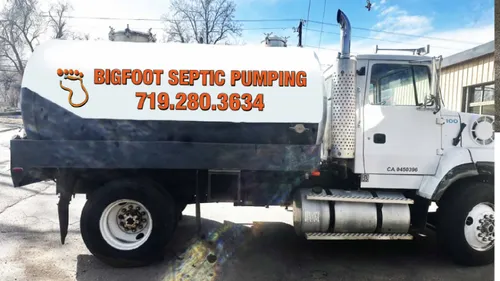
Bigfoot Septic Pumping Service
Colorado Springs, CO
Bigfoot Septic Pumping Service is a family-run business based in Fremont County, Colorado, providing septic and sewer services to residential and commercial properties in the Colorado Springs, CO area. They offer a range of services including septic tank pumping, system inspections, repairs, upgrades, and specialized solutions such as grease trap cleaning and sewer line camera inspections. With local experience, the company focuses on practical, long-term care to maintain system performance and prevent costly failures.
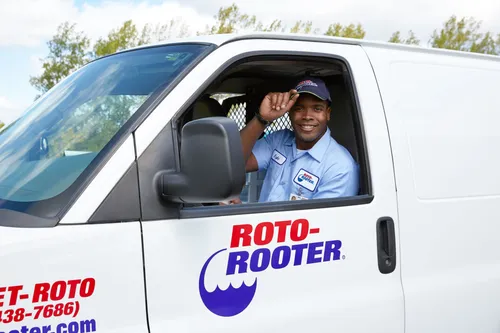
Roto-Rooter Plumbing & Drain Services
521 W 3rd St, Pueblo, CO 81003
Roto-Rooter Plumbing & Drain Services is a plumbing and septic tank pumping company serving Pueblo, CO. They offer a wide range of services including emergency plumbing repairs, sewer and drain cleaning, water heater installation, and sump pump repair. Their commercial services include vacuuming, pumping, and hauling liquid waste from septic tanks, grease traps, and other receptacles. With over 75 years of experience since 1935, Roto-Rooter provides 24/7 emergency plumbing and maintenance services for both residential and commercial customers in Pueblo.
Understanding Your Septic System and Local Regulations
In Pueblo County, an individual septic system is officially known as an Onsite Wastewater Treatment System (OWTS). It's a self-contained, underground system that treats household wastewater from bathrooms, kitchens, and laundry. Proper OWTS maintenance, with septic tank cleaning at its core, is not just a recommendation-it's a legal requirement enforced by the Pueblo Department of Public Health and Environment (PDPHE).
The county has clear guidelines to ensure systems function properly and protect groundwater. A key rule is that only licensed OWTS cleaners approved by the PDPHE are permitted to pump your tank. This ensures the job is done correctly and waste is disposed of at a permitted facility.
Mandatory Inspection and Pumping for Home Sales
One of the most critical regulations involves the sale of a home. Before transferring the title of a property with a septic system, the seller is required by Pueblo County to have the tank pumped and inspected by a certified professional 1. The inspector must be certified by the National Association of Wastewater Technicians (NAWT) or be an inspector from the PDPHE itself. Following a passing inspection, the PDPHE issues an Acceptance Document, which is necessary for the sale to proceed 1. This process safeguards the buyer and ensures the system is in good working order at the time of transfer.
Recommended Pumping Frequency for Pueblo Homes
How often should you schedule septic pumping? For a typical household in Pueblo County, the standard recommendation is to have your tank inspected and pumped every 3 to 4 years 2 3. This interval is not arbitrary; it's designed to prevent sludge from building up to a level where it can be carried out into the absorption field (drain field), which can clog the soil and cause a catastrophic-and very costly-system failure.
It's important to note that this is a general guideline. The optimal frequency for your home can be influenced by:
- Tank Size: Smaller tanks fill with solids faster.
- Household Size: More residents generate more wastewater and solid waste.
- Water Usage Habits: Using garbage disposals frequently, taking long showers, or doing many loads of laundry can increase the solid load and hydraulic load on your system.
An annual inspection by a professional can help determine the best pumping schedule for your specific circumstances.
Recognizing the Signs You Need Service
Don't wait for a complete failure. Be alert to these warning signs that your septic tank may be full and in need of immediate pumping or inspection:
- Slow Drains and Gurgling: Sinks, showers, and toilets that drain slowly or make gurgling sounds can indicate a tank at capacity.
- Sewage Odors: Unpleasant smells around the drains inside your home or near the tank and drain field outside are a red flag.
- Wet, Spongy Yard: Unexpectedly lush, green grass or soggy, wet spots in the yard above your drain field signal that effluent is surfacing because it cannot be absorbed.
- Sewage Backups: The most severe sign is wastewater backing up into household drains, toilets, or even the basement.
If you notice any of these issues, contact a licensed septic service provider promptly to assess the situation.
Find the perfect septic tank pumping contractors for your needs
Get personalized recommendations and expert advice
What to Expect During a Professional Pumping Service
When you hire a licensed professional for septic tank pumping in Pueblo, a standard service typically includes:
- Locating and Uncovering the Tank: The technician will find the tank lids and excavate if necessary to access the ports.
- Inspecting the System: A visual check of the tank's inlet and outlet baffles and the overall structure for cracks or damage. If your system has an effluent filter (which traps solids before they leave the tank), the technician will clean it. Note: Pueblo County recommends cleaning this filter annually to maintain proper flow.
- Pumping the Tank: Using a large vacuum truck, all liquid and solid waste is removed from the tank.
- Final Check and Advice: The technician may note any concerns, advise if repairs are needed, and can often provide an estimate for when your next pumping should be scheduled based on the sludge levels observed.
Understanding Service Costs
For routine septic tank pumping in the Pueblo area, homeowners can generally expect costs to range from $300 to $700 4. This price can vary based on the size of your tank (e.g., 1,000-gallon vs. 1,500-gallon), its accessibility, and how long it has been since the last pumping. Be aware that this base price is for standard pumping. Additional services like in-depth inspections using cameras, filter cleaning, or minor repairs will incur extra charges 4.
Beyond Pumping: Essential System Maintenance
Pumping is the cornerstone of septic care, but a comprehensive maintenance plan includes other tasks:
- Water Conservation: Reducing overall water use lessens the strain on your system. Fix leaks, install low-flow fixtures, and spread out laundry loads.
- Mind What You Flush: Only human waste and toilet paper should go down the toilet. Avoid flushing wipes (even "flushable" ones), feminine hygiene products, diapers, grease, coffee grounds, and chemicals.
- Protect the Drain Field: Never park vehicles or build structures over the drain field. Keep rainwater drainage systems and roof downspouts directed away from it.
Frequently asked questions
Sources
Footnotes
-
Selling Your House - Pueblo County - https://county.pueblo.org/public-health-department/selling-your-house ↩ ↩2
-
FAQ'S - https://johnstonsanitation.com/faqs ↩
-
Maintaining Your On-Site Wastewater Treatment System (OWTS) - https://county.pueblo.org/sites/default/files/2022-06/Homeowners%20Septic%20System%20Guide_Final.pdf ↩
-
How Often to Pump Septic Tank: 2026 Maintenance Guide - https://dandhsepticservices.com/how-often-to-pump-septic-tank/ ↩ ↩2