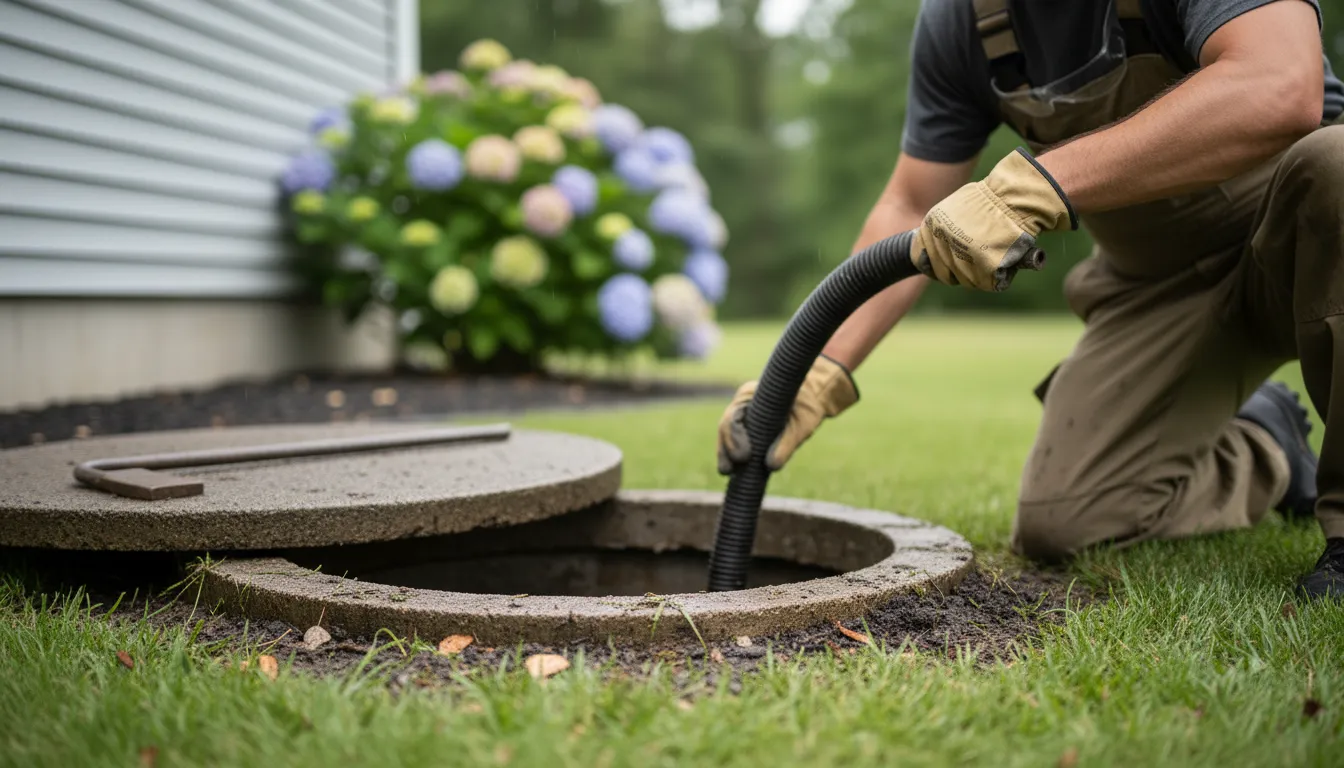
Find the Best Septic Tank Pumping Contractors for Your Business
No obligation • Fast responses • Nationwide coverage

Why you can trust Septic Spot
Septic Spot is a leading United States resource for understanding and comparing septic services. Our editors review providers using consistent criteria and verify key business details. Listings and scores are independent, and companies cannot pay to influence our content.
Search providers near you
Top Septic Tank Pumping Contractors in Denver, Colorado Ranked
Maintaining your septic system is a crucial responsibility for Denver-area homeowners. Septic tank pumping is the essential process of removing accumulated solids from your tank to prevent system failure, environmental contamination, and costly repairs. This service matters because a well-maintained system protects your property value, your family's health, and Colorado's groundwater. Understanding local regulations and finding a qualified professional for septic cleaning or sewage tank maintenance is the first step toward responsible homeownership.
Ley Septic LLC
174 Granada Way, Pine, CO 80470
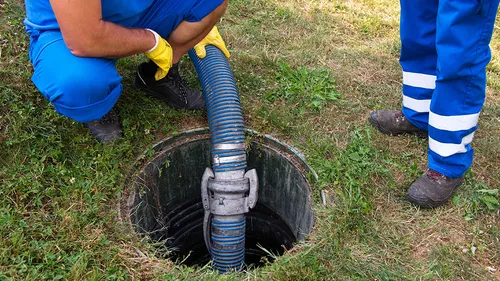
Ley Septic LLC provides septic tank pumping and inspection services in Denver, CO. They focus on routine maintenance to prevent backups, extend system lifespan, and ensure compliance with local regulations. Their process includes thorough inspections, safe pumping with advanced equipment, and detailed reporting to keep septic systems functioning properly. The company emphasizes professional handling of septic waste and offers personalized maintenance recommendations to protect homes and businesses.
Colorado Pumping
Denver, CO
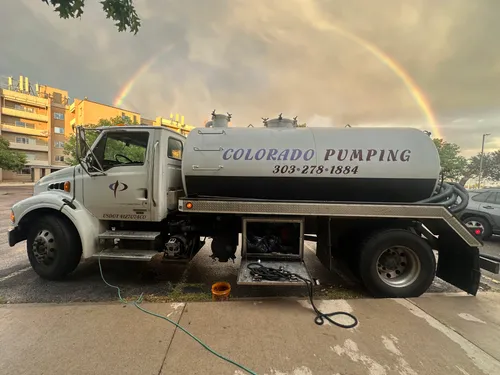
Colorado Pumping is a septic tank pumping company based in Denver, CO, providing wastewater management services across the region. They offer grease trap pumping for commercial kitchens and septic tank pumping for rural homeowners, serving areas including Arvada, Aurora, Centennial, Golden, Lakewood, Littleton, Thornton, Wheat Ridge, and Westminster. Their services help maintain efficient wastewater systems and prevent blockages, supporting both commercial and residential clients in Colorado.
A-1 Septic Service
Denver, CO
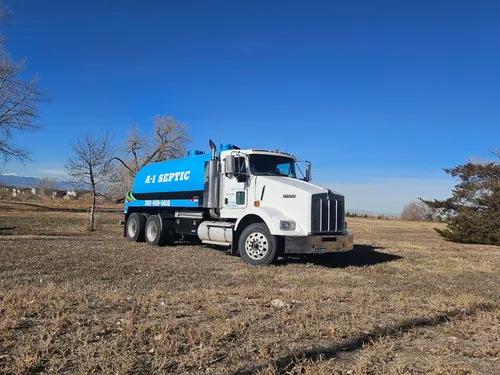
A-1 Septic Service provides septic tank pumping and inspection services in Denver, CO. They serve both residential and commercial clients across Adams, Arapahoe, Boulder, Broomfield, and Weld counties. The company focuses on regular septic system maintenance to prevent buildup of scum and sludge, which can cause overflow or system failure if left unaddressed. This preventative approach helps protect property value and safety.
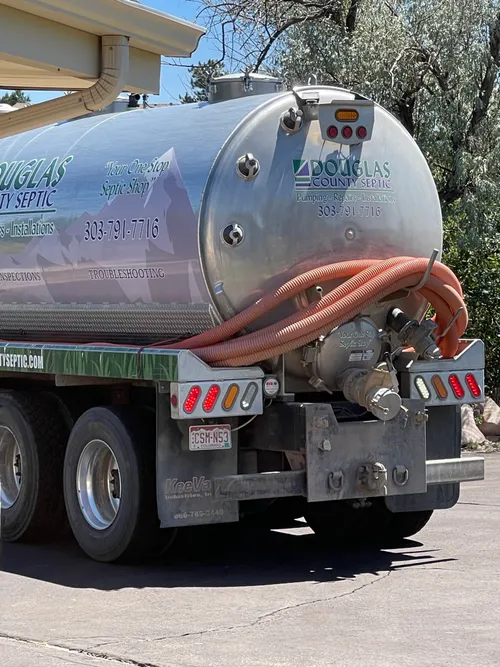
Douglas County Septic
Denver, CO
Douglas County Septic offers full-service septic system installation, maintenance, cleaning, troubleshooting, and repair in Denver, CO. They serve a variety of clients including homeowners, businesses, schools, golf courses, parks, government entities, homeowners associations, and builders in the south metro Denver area. Their services cover septic tank pumping, repairs, and installations.
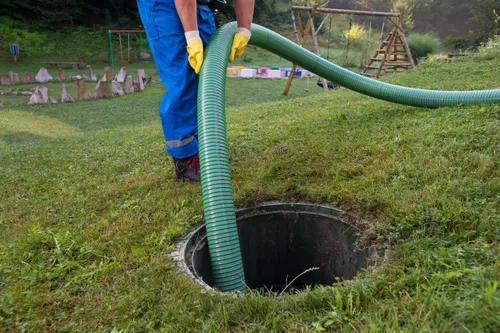
Black Diamond Pumping
14037 Co Rd 8, Fort Lupton, CO 80621
Black Diamond Pumping is a family-owned septic service company based in Fort Lupton, Colorado, serving Denver and the surrounding Northern Colorado areas including Adams, Weld, and Boulder counties. They provide a full range of septic system services such as pumping, inspections, repairs, and installations for both residential and commercial properties. With over 20 years of experience, the company is licensed and insured, equipped to handle septic tanks of all sizes, and emphasizes routine maintenance to ensure proper system function and safety.
Understanding Your Septic System and Local Requirements
In the Denver metro area, including surrounding counties like Jefferson, Douglas, and Arapahoe, septic systems are governed by state and local health codes. The Colorado Department of Public Health and Environment (CDPHE) Regulation 43 sets the baseline, requiring systems to be inspected and pumped at least every four years. However, the actual frequency for your home depends on several factors, and local county health departments often have additional, specific mandates.
The primary goal of septic system maintenance is to prevent solids (sludge and scum) from overflowing into the drainfield, also known as the leach field or soil treatment area. Once a drainfield is clogged, repair or replacement is extremely expensive. Local health departments generally recommend, and often require, that tanks be pumped when sludge and scum accumulate to more than 25-30% of the tank's effective liquid volume 1 2 3.
How Often Should You Schedule Septic Service?
There's no one-size-fits-all answer for pumping frequency. It depends on your tank size, household size, and water usage habits. Here are some general guidelines to help you estimate a schedule for your septic tank cleaning:
- Average Household (3-4 people): For a standard 1,000-1,500 gallon tank, inspections are recommended every 1-3 years, with pumping typically needed every 3-5 years.
- Large Household or Heavy Use (6+ people): Homes with more occupants, frequent use of a garbage disposal, or high overall water usage (like multiple laundry loads daily) may need pumping annually or every 1-3 years.
- Small Household (1-2 people): With careful water use and no garbage disposal, a small household with a 1,250-gallon tank might extend the interval to 7-10 years between pump-outs.
- Rule of Thumb by Tank Size: A common industry estimate suggests a 1,000-gallon tank should be pumped approximately every 2.5 years, a 1,500-gallon tank every 4 years, and a 2,000-gallon tank every 5 years 4 5 6.
The most reliable method is to have your tank inspected by a licensed professional. They can measure the sludge and scum layers and give you a precise recommendation for your next septic tank emptying.
Special Considerations for Denver-Area Homeowners
Property Transfer (Use Permit) Inspections
If you are buying or selling a home with a septic system in the Denver metro area, you will encounter the "Use Permit" process. Counties like Douglas require this permit for property transfer, and it mandates that the system be inspected by a licensed septic contractor 7. A key requirement is that the tank must have been pumped within 6-12 months prior to the inspection date 8. The inspector will check for leaks, broken baffles, sludge levels, and overall drainfield function. Douglas County specifically requires time-stamped photos of the inspection for their records 9.
County-Specific Guidelines
- Douglas County: Requires a state-certified inspection every four years for all systems and enforces the Use Permit for property sales with detailed documentation 10.
- Jefferson County: Strongly recommends establishing a regular pumping reminder with a licensed contractor to avoid emergencies and system failure 11.
Find the perfect septic tank pumping contractors for your needs
Get personalized recommendations and expert advice
What to Expect: Costs and the Pumping Process
Understanding the cost and process can help you plan for this necessary home maintenance.
Typical Cost Range for Septic Tank Pumping
The price for septic tank pumping in Denver varies based on tank size, accessibility, and any additional services. Here's a general breakdown:
- Average Total Cost: Most homeowners pay between $260 and $350 for a standard pump-out, though the full range can be $250 to $1,250 or more if significant work is required.
- By Tank Size:
- Small Tank (750 gallons): $250 - $550
- Medium/Large Tank (1,000-1,500 gallons): $325 - $1,100 12
- Additional Common Fees:
- Tank Lid Uncovering/Digging: If the tank access lids are buried, expect to pay an additional $50 - $250 for the pumper to locate and excavate them.
- Effluent Filter Cleaning: Many modern systems have a filter that traps solids; cleaning it typically costs $50 - $100.
- Inspection Fee: A standalone inspection ranges from $150 to $500 13.
- Emergency/After-Hours Service: Can add a premium of $100 - $200 to the standard rate 14.
The Service Day: Step-by-Step
A professional septic service visit typically follows this sequence:
- Locating & Uncovering: The technician will locate your tank and dig to expose the access manholes.
- Initial Inspection: They will often check sludge/scum levels and look for obvious signs of damage before pumping.
- Pumping: Using a large tank truck, all liquid and solid waste is vacuumed from your tank.
- System Check & Cleaning: The technician may rinse the tank walls, inspect baffles and tees, and clean the effluent filter.
- Final Inspection & Advice: They should inform you of the tank's condition, note any concerns, and recommend a date for your next pumping.
Protecting Your Investment: System Care Tips
Regular pumping is the cornerstone of care, but daily habits significantly impact your system's health and longevity.
- Conserve Water: Spread out laundry loads, fix leaky faucets, and install high-efficiency fixtures to reduce the hydraulic load on your drainfield.
- Mind What You Flush: Only human waste and toilet paper should go down the drain. Avoid flushing wipes (even "flushable" ones), feminine hygiene products, dental floss, and cooking grease.
- Use Garbage Disposals Sparingly: Food scraps add substantial solids to your tank, necessitating more frequent pumping. Consider composting instead 15.
- Protect the Drainfield: Never drive or park vehicles over the drainfield. Plant trees and large shrubs away from the area to prevent root intrusion. Keep roof drains and sump pumps from discharging into this zone 16.
Frequently asked questions
Sources
Footnotes
-
Colorado Septic Tank Requirements | On-site Wastewater ... - https://www.ntotank.com/blog/colorado-septic-tank-requirements ↩
-
Septic System FAQs - Douglas County - https://www.douglas.co.us/health-department/septic-system-faqs/ ↩
-
How Often to Pump Your Septic Tank? Splash Plumbing's Guide - https://www.splashplumbing.com/how-often-should-septic-tank-be-pumped-for-optimal-maintenance-and-longevity/ ↩
-
When and How Often Should You Pump Your Septic Tank? - E Dennis - https://edennisacinc.com/blog/how-often-to-pump-septic-tank/ ↩
-
How Often Should You Pump Your Septic Tank? - Premier Plumbing - https://premierplumbingandleakdetection.com/2023/09/27/how-often-should-you-pump-your-septic-tank/ ↩
-
How Often Should You Pump Your Septic Tank: 3 Factors Solved - https://www.frasiers.com/blog/sewage-tank-pump-frequency/ ↩
-
Septic Tanks Requirements for Property Sales - https://www.coinspection.com/colorado-inspection-services/maintenance-resources/septic-systems/septic-tanks-requirements-for-property-sales/ ↩
-
Use Permits & Inspections - Colorado Septic Maintenance & Repair - https://www.cosepticmr.com/post/use-permits-inspections ↩
-
How Often Should You Pump Your Septic Tank: 3 Factors Solved - https://www.frasiers.com/blog/sewage-tank-pump-frequency/ ↩
-
Use Permits (Septic Systems) - Douglas County - https://www.douglas.co.us/health-department/use-permits-septic-systems/ ↩
-
Pumping the Tank | Jefferson County, CO - https://www.jeffco.us/2397/Pumping-the-Tank ↩
-
How Much Does Septic Tank Pumping Cost in 2025? - https://www.homeadvisor.com/cost/plumbing/clean-septic-tank/ ↩
-
How Much Does It Cost To Pump A Septic Tank in Denver, CO? - https://www.angi.com/articles/how-much-does-septic-tank-pumping-cost/co/denver ↩
-
Septic Tank Pumping Cost Guide in the US - Bona Fide Plumbing - https://bonaplumbing.com/septic-tank-pumping-cost-guide-in-the-us/ ↩
-
Homeowner Resources - https://www.cpow.net/resources/homeowner-resources/ ↩
-
Pumping the Tank | Jefferson County, CO - https://www.jeffco.us/2397/Pumping-the-Tank ↩