Find the Best Septic Tank Pumping Contractors for Your Business
No obligation • Fast responses • Nationwide coverage

Why you can trust Septic Spot
Septic Spot is a leading United States resource for understanding and comparing septic services. Our editors review providers using consistent criteria and verify key business details. Listings and scores are independent, and companies cannot pay to influence our content.
Search providers near you
Top Septic Tank Pumping Contractors in Centennial, Colorado Ranked
Maintaining your septic system is a critical responsibility for any homeowner not connected to a municipal sewer line. Regular septic tank pumping and inspection are essential to prevent backups, protect your property value, and ensure the health of your local environment. This guide provides Centennial residents with clear, actionable information on local regulations, typical service costs, and maintenance schedules to help you find qualified, licensed professionals for your septic service needs.
Ley Septic LLC
174 Granada Way, Pine, CO 80470
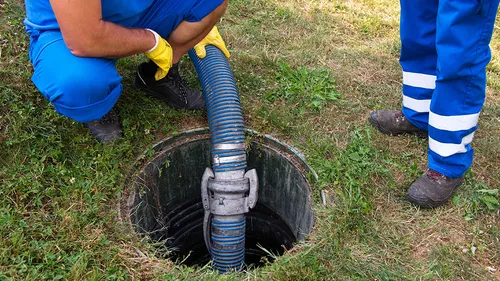
Ley Septic LLC provides septic tank pumping and inspection services in Denver, CO. They focus on routine maintenance to prevent backups, extend system lifespan, and ensure compliance with local regulations. Their process includes thorough inspections, safe pumping with advanced equipment, and detailed reporting to keep septic systems functioning properly. The company emphasizes professional handling of septic waste and offers personalized maintenance recommendations to protect homes and businesses.
Colorado Pumping
Denver, CO
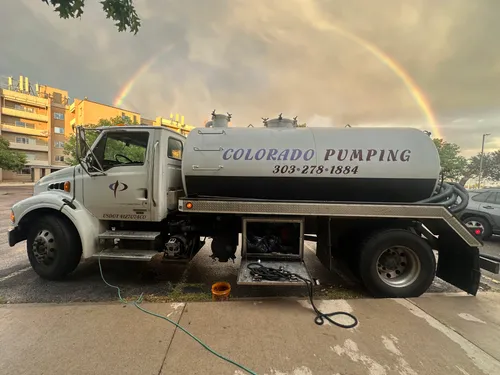
Colorado Pumping is a septic tank pumping company based in Denver, CO, providing wastewater management services across the region. They offer grease trap pumping for commercial kitchens and septic tank pumping for rural homeowners, serving areas including Arvada, Aurora, Centennial, Golden, Lakewood, Littleton, Thornton, Wheat Ridge, and Westminster. Their services help maintain efficient wastewater systems and prevent blockages, supporting both commercial and residential clients in Colorado.
Tank It Easy Elizabeth
Centennial, CO
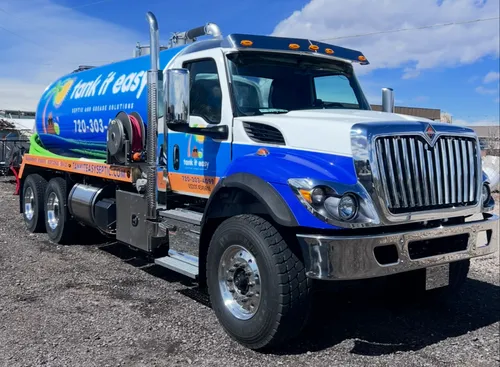
Tank It Easy Elizabeth is a septic tank pumping company based in Centennial, CO. They provide septic tank pumping services and handle debris removal when necessary, including flushable wipes and grease buildup. The company manages service access challenges, such as hose extension for tanks located over 100 feet from the truck, which may require additional equipment and time.
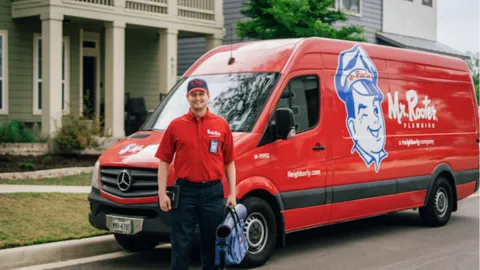
Mr. Rooter Plumbing of Denver
1600 Federal Blvd Ste B, Denver, CO 80204
Mr. Rooter Plumbing of Denver provides septic tank pumping and a wide range of plumbing services in Denver, CO. Their licensed plumbers use advanced technology such as trenchless pipe replacement and leak detection to address plumbing issues efficiently. The company serves both residential and commercial clients, offering solutions including drain cleaning, sewer line repair, and emergency plumbing. Mr. Rooter Plumbing emphasizes clear communication and upfront pricing to keep customers informed throughout the process. They also follow safety protocols to manage risks associated with plumbing work and protect customers' homes during service.
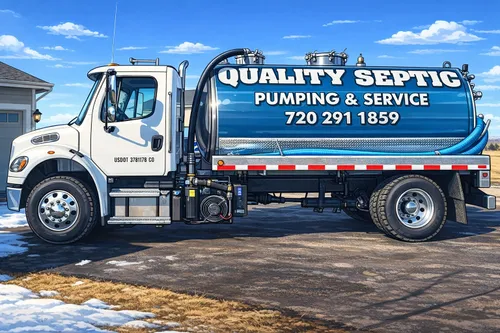
Quality Septic Pumping and Service
Denver, CO
Quality Septic Pumping and Service is a family-owned septic tank pumping company based in Denver, CO. The business focuses on serving the local community by providing septic pumping services while supporting the local economy through its owner-operated model. By choosing this company, customers contribute to keeping money within the community and supporting local jobs.
Understanding Septic System Maintenance in Arapahoe County
A properly functioning septic system treats household wastewater on your property. Solid waste settles as sludge at the bottom of the tank, while fats and oils float as scum. The clarified liquid then flows out to a soil treatment area (STA). Over time, these solids accumulate, and if not removed, they can clog the system, leading to costly repairs or environmental contamination.
In Centennial, which is part of Arapahoe County, septic system oversight falls under the Arapahoe County Public Health Department. The county has specific rules to protect public health and groundwater. All inspections and pumping must be performed by a state-licensed septic service provider. Keeping detailed records of all maintenance is crucial, as you may need to provide proof of service during a property sale.
Local Pumping Regulations and Inspection Requirements
Arapahoe County mandates that all septic tanks be inspected at least once every four years 1. However, the need for pumping is based on the inspection findings. The key rule is that a tank must be pumped when the combined sludge and scum layer exceeds 25% of the tank's effective liquid volume 1. An inspection by a licensed professional is the only way to accurately measure this.
For systems with more complex components, such as alternative systems with pumps, filters, or aerators, annual inspections are often recommended. Dosing tanks, which hold and periodically release effluent to the drain field, should also be inspected and pumped if sludge is present. Adhering to these guidelines is not just about compliance; it's the most effective way to extend the life of your entire wastewater treatment system.
How Often Should You Schedule Septic Service?
While the county's inspection cycle is every four years, the actual frequency for septic tank cleaning depends on your household's usage. For an average household in Centennial, pumping every 3 to 5 years is a standard recommendation. Several factors can necessitate more frequent service:
- Household Size: More residents mean more wastewater and solids.
- Garbage Disposal Use: Disposals significantly increase the solid waste load entering the tank.
- Water Usage Habits: Excessive water from long showers, frequent laundry loads, or leaking fixtures can overwhelm the system.
- Tank Size: A smaller tank will fill with solids faster than a larger one.
An annual check-up or inspection every 1-3 years can help you track sludge buildup and schedule pumping at the optimal time, avoiding emergencies 2.
What to Expect: Costs for Pumping and Inspection
Understanding the potential costs helps in budgeting for this essential home maintenance. In the Centennial area, typical prices for residential septic tank pumping range from $250 to over $700 3. The final cost depends on several variables:
- Tank Size and Capacity: Larger tanks cost more to pump.
- Accessibility: If the tank lid is buried deep or the pump truck cannot get close, labor time increases.
- System Location: Properties in the foothills or with difficult terrain may see higher prices.
- Additional Services: A standard pumping may include a basic visual check, but a formal inspection with a detailed report for county compliance typically costs an additional $200 to $5004.
Find the perfect septic tank pumping contractors for your needs
Get personalized recommendations and expert advice
Choosing a Licensed Septic Service Provider
Always verify that a company is licensed by the state of Colorado to perform septic system pumping and inspection. Licensed professionals understand local Arapahoe County codes, know how to properly dispose of waste, and can provide the documentation you need for your records. Organizations like Colorado Professionals in Onsite Wastewater (CPOW) are resources for finding qualified contractors 5. When contacting providers, ask about their licensing, if their quote includes hauling fees, and whether they provide a detailed service report.
Protecting Your System Between Pumpings
Proper care between professional services is just as important as the pumping itself. Follow these tips to keep your system healthy:
- Conserve Water: Fix leaks and spread out laundry loads to avoid hydraulically overloading the system.
- Mind What You Flush: Only human waste and toilet paper should go down the drain. Avoid chemicals, paints, wipes (even "flushable" ones), and feminine hygiene products.
- Protect the Drain Field: Never park vehicles or build structures over your soil treatment area (STA). Also, avoid planting trees nearby or installing irrigated landscaping over the STA, as roots and excess water can damage it.
- Divert Runoff: Ensure roof drains and yard drainage are directed away from the septic tank and drain field area.
Recognizing Signs You Need Immediate Service
Don't wait for a scheduled inspection if you notice these warning signs. Contact a licensed septic pumper immediately if you experience:
- Slow Drains: Gurgling sounds or slow drainage throughout the house.
- Sewage Odors: Unpleasant smells indoors or near the tank/drain field.
- Wet Spots: Soggy, bright green grass, or standing water over the drain field.
- Sewage Backup: The most serious sign, where wastewater comes back up into home drains.
Addressing these issues quickly can prevent more extensive environmental damage and far more expensive repairs.
Frequently asked questions
Sources
Footnotes
-
Septic Systems - Arapahoe County - https://www.arapahoeco.gov/your_county/county_departments/public_health_department/health_protection___response/environmental_health/water/septic_systems/index.php ↩ ↩2
-
How Often Should You Pump Your Septic Tank? - https://tlsepticpumper.com/septic-system-education/how-often-pump-septic-tank/ ↩
-
How Much Does Septic Tank Pumping Cost in 2025? - HomeAdvisor - https://www.homeadvisor.com/cost/plumbing/clean-septic-tank/ ↩
-
Evergreen Septic Care: Pumping, Inspections, Red Flags - https://coloradosells.com/blog/septic-care-in-evergreen-pumping-inspections-red-flags ↩
-
Homeowner Resources - https://www.cpow.net/resources/homeowner-resources/ ↩