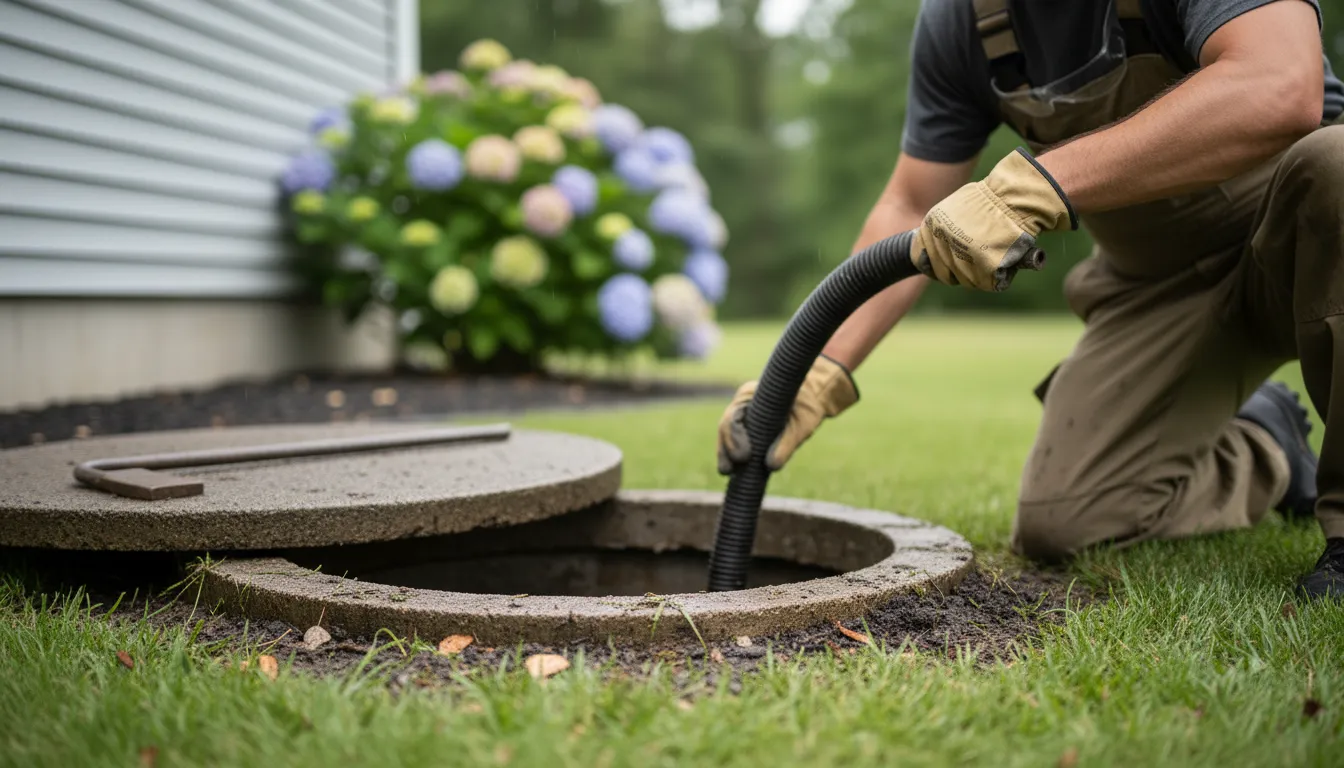
Find the Best Septic Tank Pumping Contractors for Your Business
No obligation • Fast responses • Nationwide coverage

Why you can trust Septic Spot
Septic Spot is a leading United States resource for understanding and comparing septic services. Our editors review providers using consistent criteria and verify key business details. Listings and scores are independent, and companies cannot pay to influence our content.
Search providers near you
Top Septic Tank Pumping Contractors in Buffalo Grove, Illinois Ranked
Maintaining a healthy septic system is a crucial responsibility for homeowners in Buffalo Grove. Septic tank pumping is the essential process of removing accumulated solids from your tank to prevent system failure, backups, and environmental contamination. This service matters because a neglected system can lead to costly repairs, property damage, and health hazards. For Buffalo Grove residents, understanding local guidelines and connecting with qualified, licensed professionals is key to protecting your home and community. The information here will help you understand the maintenance schedule, costs, and what to look for in a service provider.

Suburban Plumbing Sewer Line and Drain Cleaning Experts
9100 Plainfield Rd Suite #9A, Brookfield, IL 60513
Suburban Plumbing Sewer Line and Drain Cleaning Experts is a full-service plumbing company serving Chicago, IL, and the greater Chicagoland area. They provide a wide range of services including septic tank pumping, inspections, repairs, and new system installations, as well as sewer line repairs, drain cleaning, water heater services, and flood control solutions. With over 30 years of experience, their licensed and insured technicians use advanced equipment like hydro jetting and sewer camera inspections to deliver effective plumbing solutions. The company offers 24/7 emergency plumbing services to address urgent issues promptly.

Mr. Rooter Plumbing of Cook County
30 Martin Ln, Elk Grove Village, IL 60007
Mr. Rooter Plumbing of Cook County is a licensed and insured plumbing company serving Chicago, IL. They provide a range of plumbing services including septic tank pumping, drain cleaning, plumbing repairs, water heater services, and gas line work. The company has been in business since 1970 and is known for its Neighborly Done Right Promise®, ensuring work is completed correctly the first time.
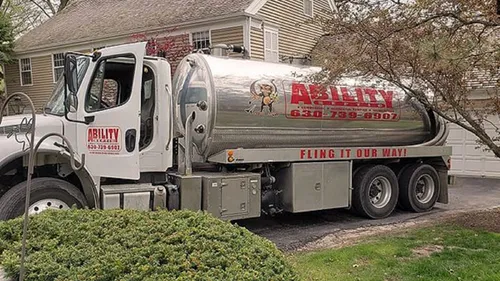
Ability Septic
801 N Raddant Rd, Batavia, IL 60510
Ability Septic is a family-owned septic service provider based near Aurora, IL, serving Batavia and surrounding areas. With over 65 years of experience since 1956, they offer a full range of septic services including pumping, inspection, installation, repair, and drain field maintenance. Their team uses advanced Lenzyme bio-products for eco-friendly septic system solutions and provides 24/7 emergency services to address urgent needs promptly.
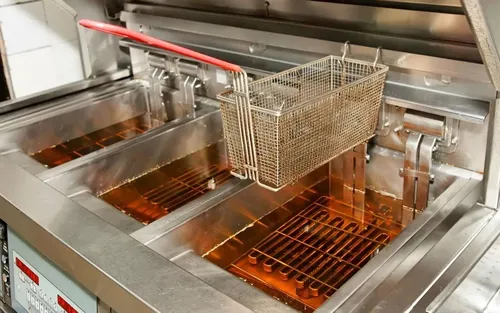
A&P Grease Trappers, Inc
801 N Raddant Rd, Batavia, IL 60510
A&P Grease Trappers, Inc is a family-owned business serving Aurora, IL, and the surrounding Chicagoland area since 2006. They specialize in grease trap cleaning, septic tank pumping, sewer cleaning, and plumbing services tailored for restaurants, commercial kitchens, and municipalities. Their licensed professionals provide customized maintenance plans and emergency services, including 24-hour response to urgent issues. The company also offers eco-friendly fryer oil recycling and buy-back programs, along with detailed documentation for health compliance. Their capabilities include advanced grease trap cleaning and RPZ testing to ensure system safety and regulatory adherence.

Weidner's Septic Service Inc.
Chicago, IL
Weidner's Septic Service Inc. provides septic tank pumping, inspection, repair, and pump replacement services in Chicago, IL. The company handles septic system maintenance and emergency repairs, including pump replacements, with attention to keeping job sites clean and providing helpful advice for system upkeep. Customers have noted their responsiveness and professionalism in addressing septic issues promptly.
Understanding Your Septic System's Needs
A septic system is an on-site wastewater treatment structure common in areas not served by municipal sewer lines. The tank itself is a watertight container, typically made of concrete, fiberglass, or polyethylene, that receives all the wastewater from your home. Inside, solids settle to the bottom as sludge, oils and grease float to the top as scum, and the relatively clear liquid in the middle (effluent) flows out to the drain field. The pumping service removes the built-up sludge and scum that cannot break down further, preventing them from flowing into and clogging the drain field-the most common cause of system failure.
In Buffalo Grove and across Illinois, these systems are regulated by the Illinois Department of Public Health (IDPH) and the Illinois Environmental Protection Agency (IEPA) to protect groundwater and public health. Adhering to a proper maintenance schedule isn't just a recommendation; it's a key part of responsible homeownership that aligns with state environmental protection goals.
Recommended Pumping Schedule for Buffalo Grove Homes
How often you need to schedule septic tank cleaning depends primarily on your household size and tank capacity. The general rule for a typical 1,000-gallon tank is to pump every 3 to 5 years. However, this is a maximum guideline. For many Buffalo Grove families, a more frequent interval is safer and more effective.
- For a family of four using a standard 1,000-gallon tank, a pumping schedule every 2 to 3 years is often recommended to prevent over-accumulation 1.
- Smaller tanks (e.g., 500 gallons) will require more frequent service, potentially every 2 years, for the same size household.
- Larger households (5 or more people) should also consider a shorter interval, such as every 2 years, to handle the increased wastewater load.
Other factors that can shorten the time between pump-outs include:
- The use of a garbage disposal, which adds significant solids.
- Excessive water usage from long showers, frequent laundry loads, or leaky fixtures.
- The type of solids entering the system (e.g., non-biodegradable materials).
The most reliable method is to have your tank inspected annually by a professional. During an inspection, the contractor will measure the sludge and scum layers. Pumping is recommended when the sludge depth reaches about one-third of the tank's liquid depth or when the scum layer becomes too thick 2. This inspection-based approach takes the guesswork out of scheduling your next service.
What to Expect During a Pumping Service
When you hire a licensed contractor for septic tank pumping in Buffalo Grove, the process involves several key steps. Understanding this can help you ensure the job is done thoroughly.
- Locating and Uncovering the Tank: The technician will locate the tank's access lids (manholes) and excavate the soil covering them if necessary.
- Initial Inspection: Before pumping, a good technician will often check the inlet and outlet baffles (or tees) to ensure they are intact. These components are vital for preventing solids from exiting the tank.
- Pumping: Using a large vacuum truck, all contents of the tank-sludge, scum, and liquid-are pumped out and transported to an approved treatment facility.
- Secondary Inspection & Cleaning: After the tank is empty, the technician can perform a more detailed inspection of the tank's interior for cracks, leaks, or structural damage. They will also clean the effluent filter, if your system has one. This filter on the outlet pipe is a critical component that traps fine particles and should be cleaned at least annually or during every pumping.
- System Check: The service may include a basic check of the drain field for signs of failure, such as surfacing sewage or overly lush grass, and an inspection of any pumps or alarms.
A comprehensive service does more than just remove waste; it assesses the overall health of your system.
Find the perfect septic tank pumping contractors for your needs
Get personalized recommendations and expert advice
Cost of Septic Tank Pumping in Buffalo Grove
The price for septic tank pumping varies based on tank size, accessibility, and the specific contractor. Based on regional data, Buffalo Grove homeowners can expect the following typical price ranges 3:
- 1,000-Gallon Tank: $250 - $400
- 1,500-Gallon Tank: $300 - $500
The overall average cost for the area generally falls between $275 and $6114 5. Factors that can increase the price include:
- Difficulty of Access: If the tank is buried deep, under a patio, or far from where the truck can park, additional labor or equipment may be needed.
- Additional Services: Costs will be higher if the service includes repairing a baffle, cleaning a clogged outlet, or a full diagnostic inspection of the drain field.
- Emergency Service: Pumping needed for a backup or failure will typically cost more than a scheduled maintenance appointment.
Always get a detailed estimate before work begins. Remember, the lowest price may not include a thorough inspection or cleaning of key components like the effluent filter.
The Critical Role of Annual Inspections
While pumping is done every few years, an annual inspection is arguably the most important maintenance task you can perform. Think of it as a yearly physical for your septic system. This quick check can identify small problems before they become catastrophic failures.
A proper inspection in Buffalo Grove should cover 6 7:
- Sludge and Scum Levels: Measuring these layers determines if pumping is needed soon.
- Structural Integrity: Checking for cracks, leaks, or corrosion in the tank and lids.
- Baffles and Outlets: Ensuring inlet and outlet baffles are present and intact to prevent blockages.
- Effluent Filter: Cleaning the filter to ensure free flow of liquid to the drain field.
- Drain Field Observation: Looking for wet spots, odors, or surfacing effluent that indicate a clog or failure.
- Mechanical Components: Testing pumps, alarms, and electrical switches if applicable.
Skipping this annual check is a risk. A failing drain field can cost tens of thousands of dollars to replace, far exceeding a lifetime of inspection and pumping costs.
Choosing a Licensed Service Provider in Buffalo Grove
Illinois law requires that septic tank pumping be performed by a licensed contractor 8. Hiring a licensed professional ensures the work is done correctly, safely, and in compliance with state and local regulations. Waste must be disposed of at a permitted facility, not illegally dumped.
When searching for a provider, consider the following:
- Verify Licenses: Ask for their Illinois license number and confirm it with the Lake County Health Department or Cook County Department of Public Health, depending on your location within Buffalo Grove.
- Ask About the Process: Do they just pump, or do they include an inspection and filter cleaning in their standard service?
- Check for Insurance: Ensure they carry liability insurance in case of accidental damage to your property.
- Read Reviews: Look for consistent feedback about professionalism, thoroughness, and clear communication.
- Get a Detailed Invoice: After service, you should receive an invoice that notes the tank levels before pumping, the condition of components, and any recommendations.
Building a relationship with a trusted local contractor makes scheduling regular maintenance simple and gives you peace of mind.
Protecting Your System Between Services
Homeowner habits have a direct impact on how well your septic system functions and how often it needs pumping. You can extend the life of your system by:
- Conserving Water: Fix leaks, install high-efficiency fixtures, and spread out laundry loads to avoid overwhelming the tank.
- Mindful Flushing: Only human waste and toilet paper should be flushed. Never flush wipes (even "flushable" ones), feminine hygiene products, dental floss, diapers, or cat litter.
- Careful Kitchen Practices: Avoid using a garbage disposal excessively. Minimize pouring fats, oils, and grease down the drain. Consider composting food scraps.
- Landscaping Care: Keep heavy vehicles, patios, and pools off your drain field. Direct roof and surface water drainage away from the septic area.
By combining responsible daily habits with professional annual inspections and timely pumping, you can ensure your septic system operates reliably for decades.
Frequently asked questions
Sources
Footnotes
-
septic-systems.pdf - Illinois Environmental Protection Agency - https://epa.illinois.gov/content/dam/soi/en/web/epa/documents/water/conservation/lake-notes/septic-systems.pdf ↩
-
Frequent Questions on Septic Systems | US EPA - https://www.epa.gov/septic/frequent-questions-septic-systems ↩
-
How often to pump septic tank family of 2 - https://dillonseptic.com/how-often-to-pump-septic-tank-family-of-2/ ↩
-
Optimizing Septic Tank Pumping Frequency for Households - https://www.unitedsewerservice.com/frequency-of-septic-tank-pumping-for-different-household-sizes/ ↩
-
Septic Tank Pumping Frequency: Crucial Maintenance Guide - https://septic911.com/septic-tank-pumping-frequency/ ↩
-
Septic System Maintenance - Illinois EPA - https://epa.illinois.gov/topics/drinking-water/private-well-users/septic-system-maintenance.html ↩
-
Septic System Maintenance - https://www.irwp.org/septic-system-maintenance ↩
-
Private Sewage Disposal - Illinois Department of Public Health - https://dph.illinois.gov/topics-services/environmental-health-protection/private-sewage-disposal.html ↩