Find the Best Septic Tank Pumping Contractors for Your Business
No obligation • Fast responses • Nationwide coverage

Why you can trust Septic Spot
Septic Spot is a leading United States resource for understanding and comparing septic services. Our editors review providers using consistent criteria and verify key business details. Listings and scores are independent, and companies cannot pay to influence our content.
Search providers near you
Top Septic Tank Pumping Contractors in Rockford, Illinois Ranked
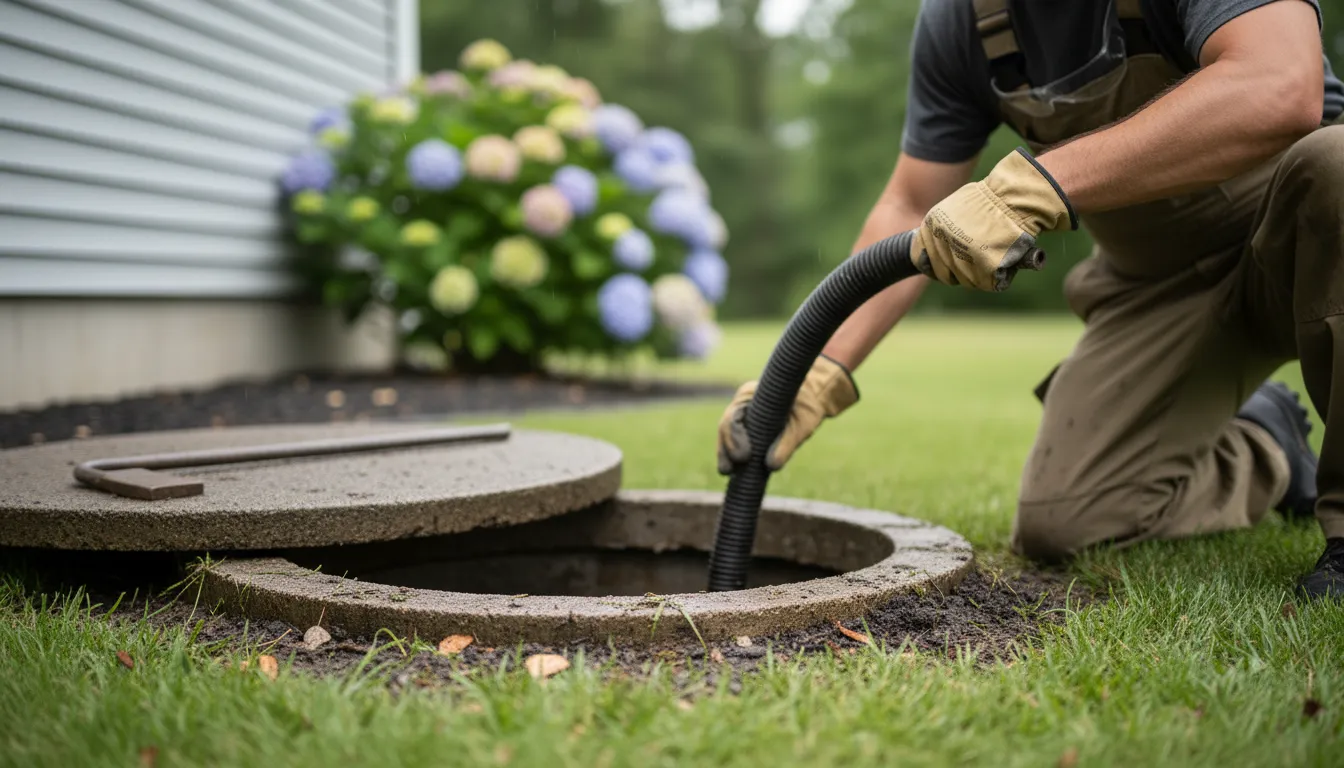
Maintaining a healthy septic system is a critical responsibility for homeowners not connected to municipal sewer lines. Septic tank pumping is the essential process of removing accumulated solids and scum from your tank to prevent backups, system failure, and costly environmental damage. For residents of Rockford and Winnebago County, understanding local regulations, recommended maintenance schedules, and how to find qualified professionals is key to protecting your property and investment. This guide provides the information you need to schedule this vital service with confidence.
Orville Quante Septic
4153 Wheeler Rd, Cherry Valley, IL 61016
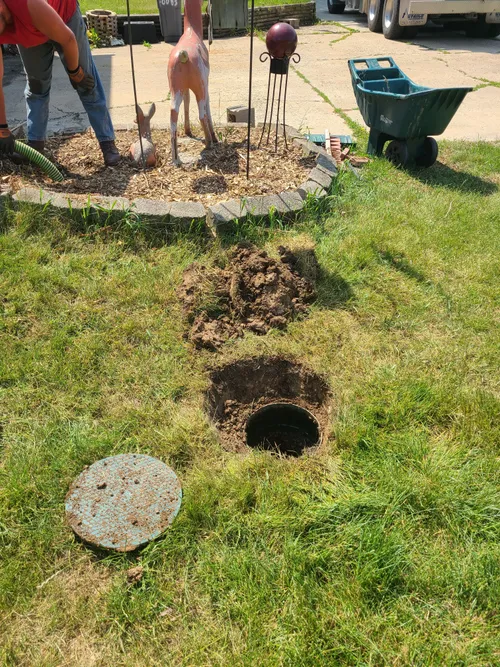
Orville Quante Septic is a family-owned septic service provider based near Rockford, IL, with over 50 years of experience. They offer septic tank pumping, inspection, repair, and installation services for customers in Rockford and surrounding areas. The company provides septic maintenance plans and includes a one-year supply of enzyme bacteria with pumping services. Their licensed and insured team uses specialized equipment, including 400 feet of vacuum hose, to minimize property disruption during service.

Watson Septic
6621 Ohare Dr, Stillman Valley, IL 61084
Watson Septic is a septic tank pumping, inspection, and repair company serving Rockford, IL. They provide comprehensive septic system services including tank pumping, camera inspections, and repairs such as baffle replacement. The business is known for thorough inspections and hands-on problem solving, including digging to access tank covers when needed. While no specific years in business are stated, customer feedback highlights responsive and knowledgeable service, including emergency support beyond regular hours.
United Sanitation Services, Inc.
6862 Belford Industrial Dr, Belvidere, IL 61008
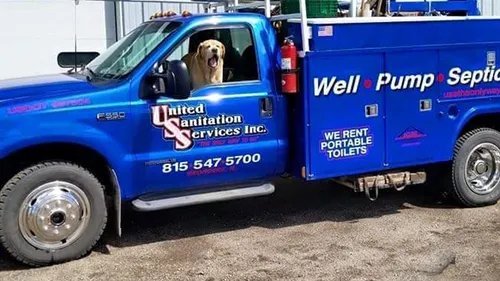
United Sanitation Services, Inc. provides septic tank pumping, installation, and water well services in Rockford, IL. They also offer portable restroom rentals and hand washing units for events and construction sites. With over 30 years of experience serving Northern Illinois, the company handles septic system installations and maintenance with licensed and insured professionals. Their services include supplying and servicing water well components such as pumps and tanks.
Waste Water Management of Northern Illinois
2445 N German Church Rd, Oregon, IL 61061
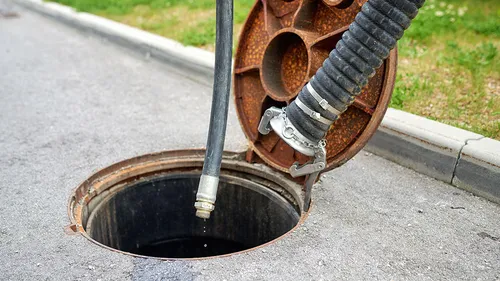
Waste Water Management of Northern Illinois offers septic system services including pumping, inspections, repairs, and new installations in Rockford, IL. They serve both residential and commercial clients, using advanced equipment to maintain septic system efficiency and prevent costly failures. The company emphasizes regular septic maintenance to ensure system longevity and provides services to Oregon, IL, and nearby communities.
Rockford Septic Systems
Rockford, IL
Rockford Septic Systems serves the Rockford, IL area with a full range of septic services including pumping, inspection, repair, and installation for both residential and commercial clients. The company has over 40 years of combined experience in designing, engineering, and maintaining septic systems. They offer specialized capabilities such as high velocity water jetting to clear clogged drains and expertise in aerobic treatment units, which help improve wastewater treatment and preserve drain fields. Rockford Septic Systems emphasizes thorough inspections with detailed reporting and supports ongoing maintenance and repair needs to ensure system efficiency.
Understanding Your Septic System and Why Pumping is Essential
A septic system is an on-site wastewater treatment structure, typically consisting of a tank and a drain field. All the water from your home's toilets, showers, sinks, and appliances flows into the septic tank. Here, solids settle to the bottom as sludge, fats and oils float to the top as scum, and the partially treated liquid (effluent) flows out to the drain field for further filtration into the soil.
Septic tank cleaning, or pumping, is necessary because the sludge and scum layers accumulate over time. If not removed, these solids can flow into and clog the drain field, leading to system failure. A failed system can cause sewage to back up into your home or pool on your lawn, creating health hazards and requiring very expensive repairs or complete replacement. Regular maintenance, including periodic septic system pumping, is the most cost-effective way to ensure your system functions properly for decades.
Recommended Pumping Frequency for Rockford Homes
How often you need to schedule septic service depends on several factors. The general guideline for homeowners in Northern Illinois, including Rockford, is to have your tank pumped every 3 to 5 years.
However, this is a baseline. Your specific schedule may vary based on:
- Household Size: More people generate more wastewater and solids.
- Tank Size: Smaller tanks fill up faster.
- Total Wastewater Generated: The volume of laundry, showers, and dishwashing directly impacts the tank.
- Use of a Garbage Disposal: Disposals significantly increase the amount of solids entering the tank, potentially requiring more frequent pumping.
- Amount of Solids in Wastewater: What you put down your drains matters.
The Winnebago County Health Department emphasizes that systems should be inspected annually to monitor sludge and scum levels, which is the most accurate way to determine when pumping is needed. If your system includes an effluent filter (which prevents solids from leaving the tank), it should be cleaned during this annual inspection.
Local Regulations and Choosing a Licensed Contractor
In Illinois, septic systems are regulated by the Illinois Department of Public Health (IDPH), with local oversight provided by county health departments1. For Rockford residents, the Winnebago County Health Department administers the Private Sewage Disposal Licensing Program.
It is crucial to hire a licensed and bonded contractor for any septic work, including pumping and inspection2. Licensed professionals understand local codes, will properly dispose of the septage at approved facilities, and can provide documentation of the service for your records. Using an unlicensed provider can lead to improper handling of waste and may not meet county requirements. You can verify a contractor's license through the Winnebago County Health Department.
What Impacts the Cost of Septic Pumping in Rockford?
The cost for residential septic tank pumping in the Rockford area typically ranges from $300 to over $1,000, with most homeowners paying between $350 and $650 for a standard service3. Several key factors influence the final price:
- Tank Size and Capacity: This is the primary cost driver. Pumping a standard 1,000-gallon tank may cost between $250 and $700, while larger tanks cost more4 5.
- Tank Accessibility: Is the tank lid easily accessible at the surface, or does it require excavation? Difficult access increases labor time and cost.
- Amount of Sludge and Scum: Tanks that are overly full or haven't been pumped in many years may require more time and effort to clean thoroughly.
- Condition and Repairs: If the technician discovers a damaged baffle, cracked lid, or other issue during the pump-out, repair costs will be added.
- Additional Services: Many companies offer bundled services. An inspection, filter cleaning, or tank locating service may add to the base pumping fee.
Always request a detailed, written estimate before work begins. A reputable provider will be transparent about their pricing structure.
Find the perfect septic tank pumping contractors for your needs
Get personalized recommendations and expert advice
Best Practices for Septic System Care
Pumping is a core part of maintenance, but daily habits greatly affect your system's health and longevity. Follow these tips to avoid problems between pump-outs:
- Conserve Water: Fix leaks and spread out laundry loads to avoid overwhelming the drain field.
- Mind What You Flush: Only human waste and toilet paper should go down the toilet. Avoid flushing wipes (even "flushable" ones), feminine hygiene products, dental floss, or chemicals.
- Use the Trash Can, Not the Drain: Never pour cooking grease, oil, or fat down the sink. Avoid using chemical drain cleaners. Minimize use of your garbage disposal 6.
- Protect the Drain Field: Never drive or park vehicles over the septic tank or drain field, as this can compact soil and crush pipes7. Keep roof drains, sump pumps, and other surface water away from the area.
- Landscape Carefully: Plant only grass over the drain field. Tree and shrub roots can infiltrate and damage pipes.
Signs Your Septic Tank Needs Immediate Attention
Don't wait for a complete failure. Contact a septic pumping professional if you notice any of these warning signs:
- Slow Drains: Sinks, showers, and toilets that drain slowly throughout the house.
- Sewage Odors: Unpleasant smells inside your home or around the tank/drain field area.
- Gurgling Sounds: Strange noises coming from your plumbing.
- Wet, Spongy Lawn: Especially over the drain field, or the appearance of standing water or sewage effluent on the ground.
- Sewage Backup: The most severe sign, where wastewater backs up into household drains.
Prompt action can often prevent a minor issue from becoming a major disaster.
The Septic Pumping Process: What to Expect
When you hire a professional for septic tank maintenance, here's a general outline of the service:
- Locating the Tank: The technician will find the tank lids, which may require probing if they are buried.
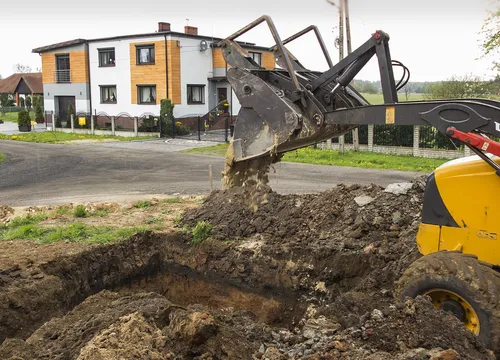
- Excavation (if needed): They will dig down to expose the access lids.
- Initial Inspection: The lids are opened to check the sludge and scum levels and inspect inlet/outlet baffles.
- Pumping: A large hose is inserted, and a vacuum truck removes all liquids and solids from the tank.
- Cleaning & Final Inspection: The tank interior may be rinsed (without entering it), and the technician will look for cracks, leaks, or structural issues. Effluent filters are cleaned if present.
- Closure and Clean-up: The lids are securely replaced, the site is filled back in, and any mess is cleaned up.
- Documentation: You should receive a service report detailing what was done, the tank's condition, and any recommendations.
This routine septic maintenance is the best way to ensure a smooth-running, trouble-free system for your Rockford home.
Frequently asked questions
Sources
Footnotes
-
Private Sewage Disposal - Illinois Department of Public Health - https://dph.illinois.gov/topics-services/environmental-health-protection/private-sewage-disposal.html ↩
-
Wells and Septic Program - https://publichealth.wincoil.gov/know-your-water-and-sewage-system-private-wells-septic/ ↩
-
Septic Tank Pumping Cost: Guide & Pricing in 2025 - Splash Plumbing - https://www.splashplumbing.com/how-much-does-it-cost-to-pump-septic-tank-understanding-pricing-and-factors-involved/ ↩
-
How Much Does It Cost to Pump a Septic Tank? - https://dillonseptic.com/how-much-does-it-cost-to-pump-a-septic-tank/ ↩
-
How Much Does it Cost to Pump a Septic Tank? 2026 Price Guide - https://rescueheroplumbing.com/how-much-does-it-cost-to-pump-a-septic-tank ↩
-
How Often Should I Pump Out My Septic Tank? - https://cms2.revize.com/revize/westportma/Documents/Departments/Health/Forms%20And%20Resources/how_often_should_i_pump_out_my_septic_tank_2.pdf?t=202508080914340&t=202508080914340 ↩
-
Illinois Septic Tank Requirements - https://www.ntotank.com/blog/illinois-septic-tank-requirements ↩