Find the Best Septic Tank Pumping Contractors for Your Business
No obligation • Fast responses • Nationwide coverage

Why you can trust Septic Spot
Septic Spot is a leading United States resource for understanding and comparing septic services. Our editors review providers using consistent criteria and verify key business details. Listings and scores are independent, and companies cannot pay to influence our content.
Search providers near you
Top Septic Tank Pumping Contractors in Springfield, Illinois Ranked
Regular septic tank pumping is a critical part of homeownership for over 1.2 million Illinois residents who rely on private onsite wastewater systems. This essential maintenance prevents system failures, protects your property value, and safeguards local groundwater from contamination. Understanding Illinois-specific regulations and best practices helps you find qualified local professionals to perform this vital service, ensuring your system operates efficiently for years to come.
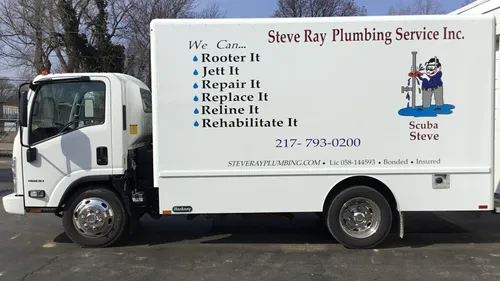
Steve Ray Plumbing Service Inc.
1501 E Griffiths Ave, Springfield, IL 62702
Steve Ray Plumbing Service Inc. is a plumbing and septic service provider located in Springfield, IL. With over 20 years of experience, they offer a range of services including septic tank installation, pumping, cleaning, system repairs, and real estate inspections. Their team is equipped to handle both residential and commercial plumbing and septic needs, including aeration sewage system installation and grease trap cleaning. Steve Ray Plumbing also provides emergency response services, available day or night, to address urgent plumbing issues promptly.
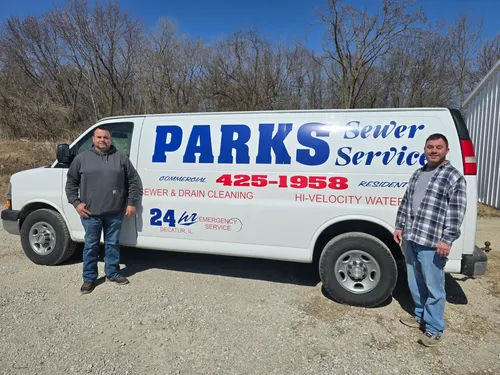
Parks Sewer Services Inc.
965 S Wyckles Rd, Decatur, IL 62522
Parks Sewer Services Inc. is a family-owned business based near Springfield, IL, specializing in septic tank pumping, inspection, and system repair. Founded in 2004 by two brothers, the company serves Decatur and the surrounding areas with a focus on sewer, septic, and drain cleaning services. They provide expertise in sewer line repair and installation, as well as septic tank and grease trap pumping. Parks Sewer Services emphasizes honest work and long-term customer relationships, with availability that includes after-hours service when needed.

Smith Septic Inc
7180 Ramblewood Dr, Rochester, IL 62563
Smith Septic Inc is a family-owned septic company serving Springfield, IL and nearby areas. The company offers residential and commercial septic tank pumping, aeration, grease trap pumping, as well as installation and repair of septic systems. Established in 1963, Smith Septic has decades of experience handling a variety of septic issues, including emergency services.

Nolen Services, Inc.
401 Birch St, Stonington, IL 62567
Nolen Services, Inc. is a family-owned company based near Springfield, IL, offering portable restroom rentals and septic tank pumping services. Serving Central Illinois since 1959, they provide a range of portable restrooms including luxury trailers suitable for events and construction sites. Their expertise covers all septic service needs, making them a comprehensive provider in the region.
Septic Specialist
4460 W Main St, Decatur, IL 62522
Septic Specialist is a full-service septic tank company based in Springfield, IL, serving homeowners and businesses throughout Central Illinois. They provide septic tank installation, repair, pumping, and inspection services, along with sewer line cleaning and video sewer inspections. Their capabilities include high-pressure water jetting to clear clogs and maintain system efficiency. The company also offers grease trap cleaning and maintenance plans to keep septic and sewer systems running smoothly year-round. Septic Specialist employs licensed installers and serves all brands of aerobic septic systems.
Why Regular Septic Maintenance is Non-Negotiable in Illinois
A septic system is a significant investment, and its failure can lead to costly repairs, environmental hazards, and health department violations. The primary purpose of pumping is to remove accumulated solids (sludge and scum) that cannot be broken down by bacteria. If these solids are not periodically removed, they can flow into the drain field, clogging the soil pores and causing a complete system failure. The U.S. Environmental Protection Agency (EPA) emphasizes that regular maintenance is far less expensive than replacing a failed drain field, which can cost thousands of dollars1.
In Illinois, proper maintenance also carries legal and environmental weight. Failing systems can contaminate nearby wells, streams, and lakes with harmful bacteria and nutrients. The Illinois River Watershed Partnership notes that a well-maintained septic system is a key line of defense in protecting local water quality within the state's many watersheds2. Proactive care is your responsibility as a homeowner and a steward of Illinois's natural resources.
Illinois Regulations and Homeowner Responsibilities
Illinois does not have a single, statewide mandate dictating exactly when you must pump your tank, but it places the clear responsibility for system upkeep on the property owner. The Illinois Environmental Protection Agency (IEPA) provides guidelines and requires that systems be maintained in proper working order to prevent public health nuisances.
Many local county health departments have more specific ordinances. For instance, some townships require homeowners to maintain detailed records of all inspections, pumping, and repairs. These records must be available for review by the local health department upon request3. Furthermore, system design standards, such as the requirement for proper baffles or effluent filters, are enforced at the local level to ensure systems function correctly before waste ever reaches the tank4.
Find the perfect septic tank pumping contractors for your needs
Get personalized recommendations and expert advice
Recommended Pumping and Inspection Schedule
While every household is different, following established guidelines will keep your Illinois septic system healthy.
- Annual Inspections: The Illinois EPA and most experts strongly recommend having your system inspected by a professional every year5. This inspection checks for leaks, assesses scum and sludge levels, and ensures mechanical components like pumps and alarms are working. An inspection can catch small problems before they become expensive disasters.
- Pumping Frequency: The general rule for pumping is every 3 to 5 years. However, this is a guideline, not a strict rule. The actual frequency depends heavily on:
- Tank Size: Smaller tanks fill with solids faster.
- Household Size: More people generate more wastewater and solids.
- Water Usage: High-volume activities like frequent laundry or long showers can overwhelm a system.
- Waste Habits: What you put down the drain directly impacts solid accumulation.
For a large family with a standard 1,000-gallon tank, pumping every 2 to 3 years may be necessary. The only way to know for sure is through an annual inspection that measures sludge and scum levels.
Factors Influencing Septic Pumping Costs in Illinois
The cost to pump a septic tank in Illinois typically ranges from $300 to $700, with an average around $400-$5006 7. Several key factors determine where your cost will fall within this range:
- Tank Size and Volume: Larger tanks (e.g., 1,500 gallons) cost more to pump than standard 1,000-gallon tanks because they require more labor and disposal fees.
- Amount of Solids: Tanks that are severely overdue for service will have a higher volume of solidified waste, which can increase pumping time and disposal costs.
- Tank Access: If the tank's access lids are buried deep (more than 3 feet underground) or located under a patio, deck, or landscaping, the provider will need to spend extra time and equipment to excavate, increasing the price.
- Location and Travel: Service calls to remote rural areas may include additional travel fees.
- Additional Services: Most pumping visits are standalone, but if you request an inspection, a camera scan of the lines, or minor repairs at the same time, the total bill will be higher.
Getting multiple estimates from licensed local providers is the best way to ensure a fair price for your specific situation.
Best Practices for System Care Between Pumpings
Pumping is crucial, but what you do between service visits greatly extends your system's life.
- Conserve Water: Spread out water-intensive activities. Fix leaky faucets and toilets immediately, and consider installing high-efficiency fixtures. The DuPage County Health Department highlights that reducing water flow prevents hydraulic overload of the drain field8.
- Mind What You Flush: Your toilet is not a trash can. Never flush diapers, wipes (even "flushable" ones), feminine hygiene products, paper towels, cigarette butts, or cat litter. These materials do not break down and quickly fill the tank.
- Use the Trash Can, Not the Drain: Avoid pouring cooking oils, grease, coffee grounds, or harsh chemicals like paint thinner, pesticides, and excessive bleach down any drain. These can kill the essential bacteria in your tank and clog pipes.
- Protect Your Drain Field: Never park vehicles or build structures (sheds, patios) over your drain field. Also, divert roof drains and surface runoff away from this area to keep the soil from becoming saturated.
Signs Your Illinois Septic Tank Needs Immediate Attention
Don't wait for your scheduled inspection if you notice any of these warning signs. Contact a professional septic service provider right away.
- Slow Drains: Sinks, showers, and toilets that drain slowly, especially if gurgling is involved.
- Sewage Odors: Unpleasant smells in your house, yard, or near the tank/drain field.
- Wet, Spongy Yard: Soggy ground, standing water, or unusually lush green grass over the drain field, even in dry weather.
- Sewage Backup: The most severe sign-wastewater backing up into household drains or toilets.
Addressing these issues promptly can mean the difference between a routine pumping and a catastrophic, expensive repair.
Finding a Qualified Service Provider in Illinois
When selecting a company for septic pumping or repair, due diligence is important. Look for providers who are licensed, insured, and have positive reviews from local customers. Ask if they can provide a detailed report after pumping, including sludge levels and any observations about the tank's condition. A reputable company will be knowledgeable about the specific regulations in your county and can help you understand your maintenance records.
Frequently asked questions
Sources
Footnotes
-
Why Maintain Your Septic System | US EPA - https://www.epa.gov/septic/why-maintain-your-septic-system ↩
-
Septic System Maintenance - Illinois River Watershed Partnership - https://www.irwp.org/septic-system-maintenance ↩
-
State Law Requires Maintenance of Onsite Wastewater Treatment ... - https://www.medinatownship.org/wp-content/uploads/2018/04/SepticTankStatLaw.pdf ↩
-
9-4-7: SEPTIC TANKS (IDPH SECTION 905.40): - https://codelibrary.amlegal.com/codes/invernessil/latest/inverness_il/0-0-0-7060 ↩
-
Septic System Maintenance - Illinois EPA - https://epa.illinois.gov/topics/drinking-water/private-well-users/septic-system-maintenance.html ↩
-
How Often to Pump Septic Tank: 2026 Maintenance Guide - https://dandhsepticservices.com/how-often-to-pump-septic-tank/ ↩
-
How Much Does It Cost to Pump Septic Tank: A Detailed Pricing Guide - https://www.benjaminfranklinplumbing.com/league-city/blog/2025/march/how-much-does-it-cost-to-pump-septic-tank-a-detailed-pricing-guide/ ↩
-
Homeowners Guide for Well and Septic Systems - https://www.dupagehealth.org/DocumentCenter/View/9711/Homeowners-Guide-for-Well-and-Septic-Systems---English-PDF ↩