Find the Best Septic Tank Pumping Contractors for Your Business
No obligation • Fast responses • Nationwide coverage

Why you can trust Septic Spot
Septic Spot is a leading United States resource for understanding and comparing septic services. Our editors review providers using consistent criteria and verify key business details. Listings and scores are independent, and companies cannot pay to influence our content.
Search providers near you
Top Septic Tank Pumping Contractors in Des Plaines, Illinois Ranked
Maintaining a healthy septic system is a crucial, yet often overlooked, responsibility for homeowners in Des Plaines. Regular septic tank pumping is the cornerstone of this maintenance, preventing costly system failures and protecting your property and local groundwater. This guide explains the local requirements, recommended schedules, and key considerations for septic system service in Des Plaines, helping you connect with qualified local professionals to keep your system functioning smoothly.

Suburban Plumbing Sewer Line and Drain Cleaning Experts
9100 Plainfield Rd Suite #9A, Brookfield, IL 60513
Suburban Plumbing Sewer Line and Drain Cleaning Experts is a full-service plumbing company serving Chicago, IL, and the greater Chicagoland area. They provide a wide range of services including septic tank pumping, inspections, repairs, and new system installations, as well as sewer line repairs, drain cleaning, water heater services, and flood control solutions. With over 30 years of experience, their licensed and insured technicians use advanced equipment like hydro jetting and sewer camera inspections to deliver effective plumbing solutions. The company offers 24/7 emergency plumbing services to address urgent issues promptly.
Chicago Plumbing Sewer and Drain Cleaning Experts
Chicago, IL
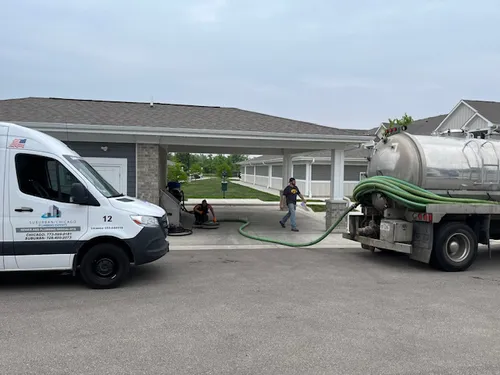
Chicago Plumbing Sewer and Drain Cleaning Experts is a licensed plumbing company serving Chicago, IL, and the surrounding Chicagoland area. Established in 1995, they provide residential and commercial plumbing services including septic tank pumping, sewer and drain cleaning, hydro jetting, and emergency plumbing. Their team is experienced with Chicago's unique plumbing challenges such as aging infrastructure and harsh winters. They offer 24/7 emergency service to address urgent issues like burst pipes and sewer backups promptly.

Mr. Rooter Plumbing of Cook County
30 Martin Ln, Elk Grove Village, IL 60007
Mr. Rooter Plumbing of Cook County is a licensed and insured plumbing company serving Chicago, IL. They provide a range of plumbing services including septic tank pumping, drain cleaning, plumbing repairs, water heater services, and gas line work. The company has been in business since 1970 and is known for its Neighborly Done Right Promise®, ensuring work is completed correctly the first time.
Ability Septic
801 N Raddant Rd, Batavia, IL 60510
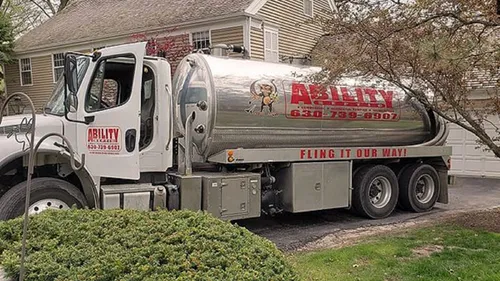
Ability Septic is a family-owned septic service provider based near Aurora, IL, serving Batavia and surrounding areas. With over 65 years of experience since 1956, they offer a full range of septic services including pumping, inspection, installation, repair, and drain field maintenance. Their team uses advanced Lenzyme bio-products for eco-friendly septic system solutions and provides 24/7 emergency services to address urgent needs promptly.
A&P Grease Trappers, Inc
801 N Raddant Rd, Batavia, IL 60510
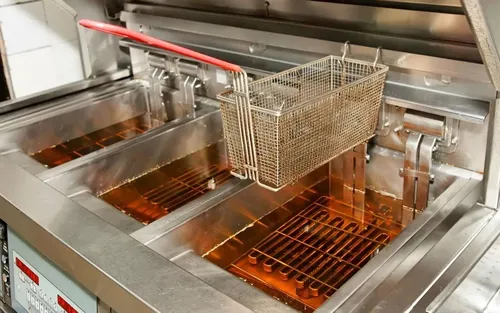
A&P Grease Trappers, Inc is a family-owned business serving Aurora, IL, and the surrounding Chicagoland area since 2006. They specialize in grease trap cleaning, septic tank pumping, sewer cleaning, and plumbing services tailored for restaurants, commercial kitchens, and municipalities. Their licensed professionals provide customized maintenance plans and emergency services, including 24-hour response to urgent issues. The company also offers eco-friendly fryer oil recycling and buy-back programs, along with detailed documentation for health compliance. Their capabilities include advanced grease trap cleaning and RPZ testing to ensure system safety and regulatory adherence.
Understanding Your Septic System and Why Pumping is Essential
A septic system is an on-site wastewater treatment structure, typically consisting of a tank and a drain field. When wastewater from your home enters the tank, solids settle to the bottom as sludge, and fats and oils float to the top as scum. The liquid in the middle layer then flows out to the drain field for further treatment in the soil. Over time, the sludge and scum layers accumulate. If they aren't removed through regular septic tank cleaning, they can overflow into the drain field, causing clogs, backups into your home, and environmental contamination.
For Des Plaines residents, this isn't just about convenience-it's a regulated necessity. The Illinois Environmental Protection Agency (IEPA) and local Cook County ordinances mandate proper septic system maintenance to protect public health and water resources. A failing system can lead to sewage exposure and pollute nearby streams or groundwater, which is why proactive pumping is so important.
Recommended Pumping Frequency for Des Plaines Homes
How often you need to schedule septic tank pumping depends primarily on your household size, tank capacity, and overall water usage. General guidelines from the Illinois EPA recommend pumping every 2 to 3 years for an average household 1. However, this is a starting point, and your specific situation may require more frequent service.
A more precise method involves estimation based on tank size and the number of people in your home. For example:
- A 1,000-gallon tank serving a 2-person household may need pumping approximately every 5.5 years.
- That same 1,000-gallon tank serving a family of 4 would need service roughly every 2.5 years.
- For a 6-person household, the pumping interval drops to about 1.5 years.
Certain factors significantly increase the rate of sludge buildup, necessitating more frequent pump-outs, potentially even annually. These include:
- Use of a garbage disposal, which introduces substantial additional solids.
- A high-volume household with frequent laundry, showers, and dishwashing.
- A smaller-than-average tank size.
- Non-residential properties like small businesses or rental units with higher water usage 2 3.
The only way to know for sure is through an annual inspection of your sludge and scum levels, which a licensed professional can perform.
The Critical Role of Annual Inspections
Scheduling a routine septic system inspection annually is the best practice for proactive maintenance. During an inspection, a technician will locate and open your tank's access ports to measure the depth of the sludge and scum layers. This tells you exactly how full your tank is and how urgently a pump-out is needed, preventing you from pumping too early or waiting too long.
A comprehensive evaluation should also check the tank's structural integrity, inspect inlet and outlet baffles (which are essential for preventing solids from escaping), and look for any signs of leaks or damage 4 5. In fact, some Illinois regulations recommend a full system evaluation, including the drain field, at least every 3 years 6. The Illinois Department of Public Health (IDPH) regulates these systems, and using a licensed professional ensures the inspection meets state standards 5.
Find the perfect septic tank pumping contractors for your needs
Get personalized recommendations and expert advice
What to Expect: The Septic Pumping Process and Costs
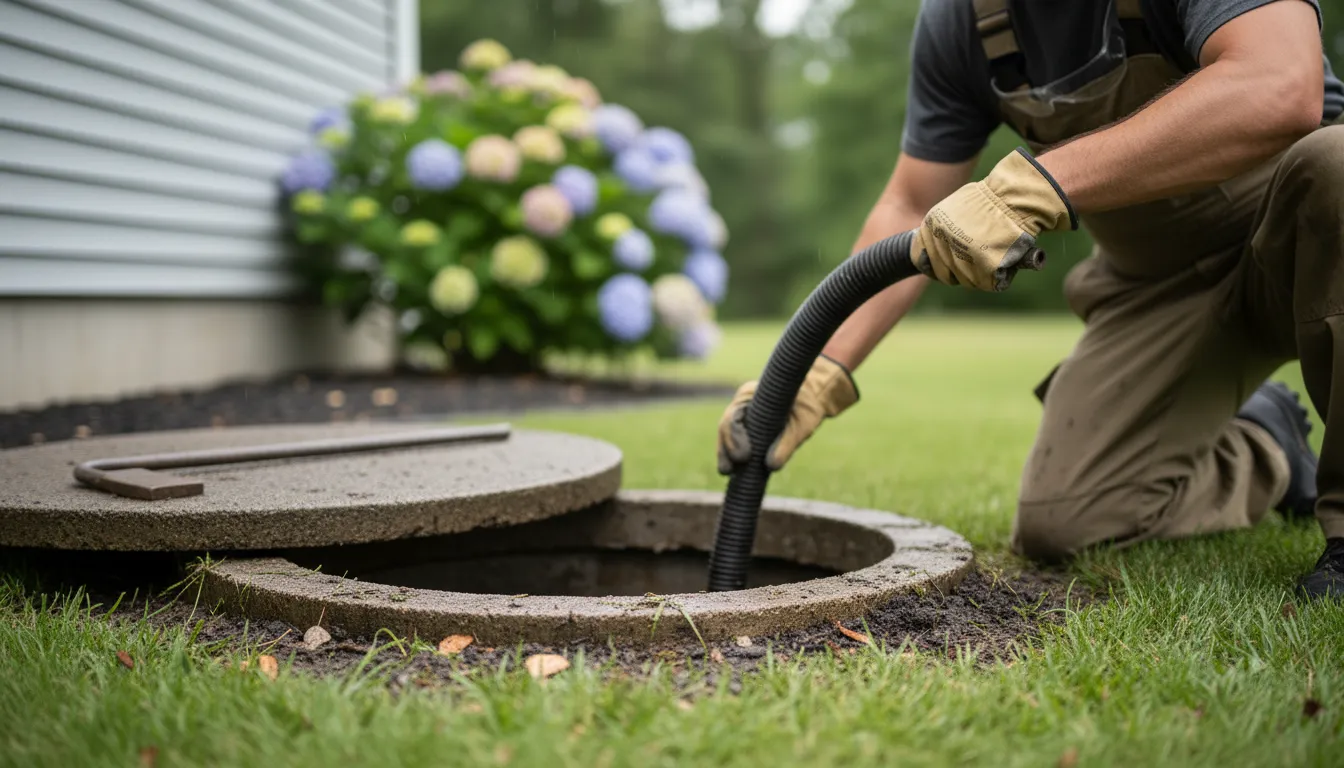
When you hire a professional for septic tank pumping in Des Plaines, the process typically follows several key steps. First, the technician will locate the tank's manhole access covers, which may require some digging if they are buried. They will then open the covers and insert a large hose to vacuum all the contents-sludge, scum, and liquid-into a specialized truck. After pumping, they may briefly inspect the empty tank for cracks or baffle issues. It's a good idea to be present to ask questions and note the location of your access ports for future service.
The cost for this essential service in Illinois typically ranges from $300 to $600 for a standard residential tank inspection and pump-out 7 8. Several factors can cause the price to rise toward or above $800:
- Tank Size: Larger tanks (e.g., 1,500 gallons or more) cost more to pump.
- Access Difficulty: If the tank lids are deeply buried and require extensive digging to locate.
- Condition: Severe sludge buildup or the presence of non-biodegradable materials can complicate the job.
- Additional Services: Any repairs, such as fixing a damaged baffle or pipe, will add to the total 9 10.
Always ensure you are receiving a detailed quote that outlines what is included, such as inspection, pumping, and clean-up.
Choosing a Licensed Professional and Maintaining Your System
In Illinois, it is a legal requirement that septic tank pumping and major repairs be performed by a licensed contractor 11. Licensing ensures the professional has the training to properly handle and dispose of septic waste according to state and county regulations, protecting you from liability. When evaluating local providers, verify their Illinois license, ask about their experience, and check for positive reviews from other Des Plaines homeowners.
Beyond pumping, good daily habits extend the life of your entire septic system. Avoid using garbage disposals regularly, as they add excessive solids. Do not pour fats, oils, grease, or harsh chemicals down the drain. Spread out laundry loads to avoid overwhelming the system with water. Most importantly, never plant trees or drive heavy vehicles over your drain field, as roots and compaction can destroy it 12 13. Remember, the drain field is a critical component; a pumped tank is only half the solution if the drain field is compromised.
Legal Requirements and Consequences of Neglect
Homeowners in Des Plaines and Cook County are legally responsible for maintaining their private sewage disposal systems in safe, working order. Administrative codes outline these obligations, which include the regular removal of sludge and scum to prevent system malfunction 14. Neglecting this duty can have serious consequences.
A failing septic system can cause sewage to back up into your home or bubble up in your yard, creating a health hazard and unpleasant odors. Environmentally, untreated wastewater can contaminate soil and groundwater, potentially impacting nearby wells and waterways. Financially, the cost of repairing or replacing a failed drain field can run into the tens of thousands of dollars-far more than the few hundred dollars for routine pumping. Proactive maintenance is always the most cost-effective and responsible choice.
Frequently asked questions
Sources
Footnotes
-
Septic System Maintenance - Illinois EPA - https://epa.illinois.gov/topics/drinking-water/private-well-users/septic-system-maintenance.html ↩
-
When to Pump Your Septic Tank | Roto-Rooter - https://www.rotorooter.com/blog/outdoor-plumbing/5-signs-its-time-to-call-your-septic-pumping-service/ ↩
-
5 Factors for Septic Tank Pumping Frequency - https://www.wrenvironmental.com/blog/2025/november/5-key-factors-that-influence-septic-pumping-freq/ ↩
-
Septic Tank Pumping Frequency Guidelines - https://www.beckertwpsherburnecomn.gov/sites/g/files/vyhlif16406/files/media/services/file/426/septic_tank_pumping_frequency_guidelines.pdf ↩
-
Private Sewage Disposal - Illinois Department of Public Health - https://dph.illinois.gov/topics-services/environmental-health-protection/private-sewage-disposal.html ↩ ↩2
-
State Law Requires Maintenance of Onsite Wastewater Treatment ... - https://www.medinatownship.org/wp-content/uploads/2018/04/SepticTankStatLaw.pdf ↩
-
Preparing for Septic Tank Pumping: What Illinois Homeowners Need ... - https://suburbanplumbingexperts.com/preparing-for-septic-tank-pumping-what-illinois-homeowners-need-to-know/ ↩
-
How Much Does Septic Tank Pumping Cost in Illinois? - https://suburbanplumbingexperts.com/how-much-does-septic-tank-pumping-cost-in-illinois/ ↩
-
Septic Tank Pumping Cost & Maintenance | Reliable Plumbing Services - https://www.benjaminfranklinplumbing.com/league-city/blog/2025/february/how-much-does-it-cost-to-pump-a-septic-tank-essential-budget-guide/ ↩
-
Avg Cost to Pump a Septic Tank - https://www.scorpionsepticservices.com/blog/understanding-the-average-cost-to-pump-a-septic-tank ↩
-
septic-systems.pdf - Illinois Environmental Protection Agency - https://epa.illinois.gov/content/dam/soi/en/web/epa/documents/water/conservation/lake-notes/septic-systems.pdf ↩
-
Septic System Maintenance - Illinois Extension - https://extension.illinois.edu/septic-systems/septic-system-maintenance ↩
-
Illinois Septic Tank Requirements - https://www.ntotank.com/blog/illinois-septic-tank-requirements ↩
-
ADMINISTRATIVE CODE - Illinois General Assembly - https://www.ilga.gov/agencies/JCAR/EntirePart?titlepart=07700905 ↩