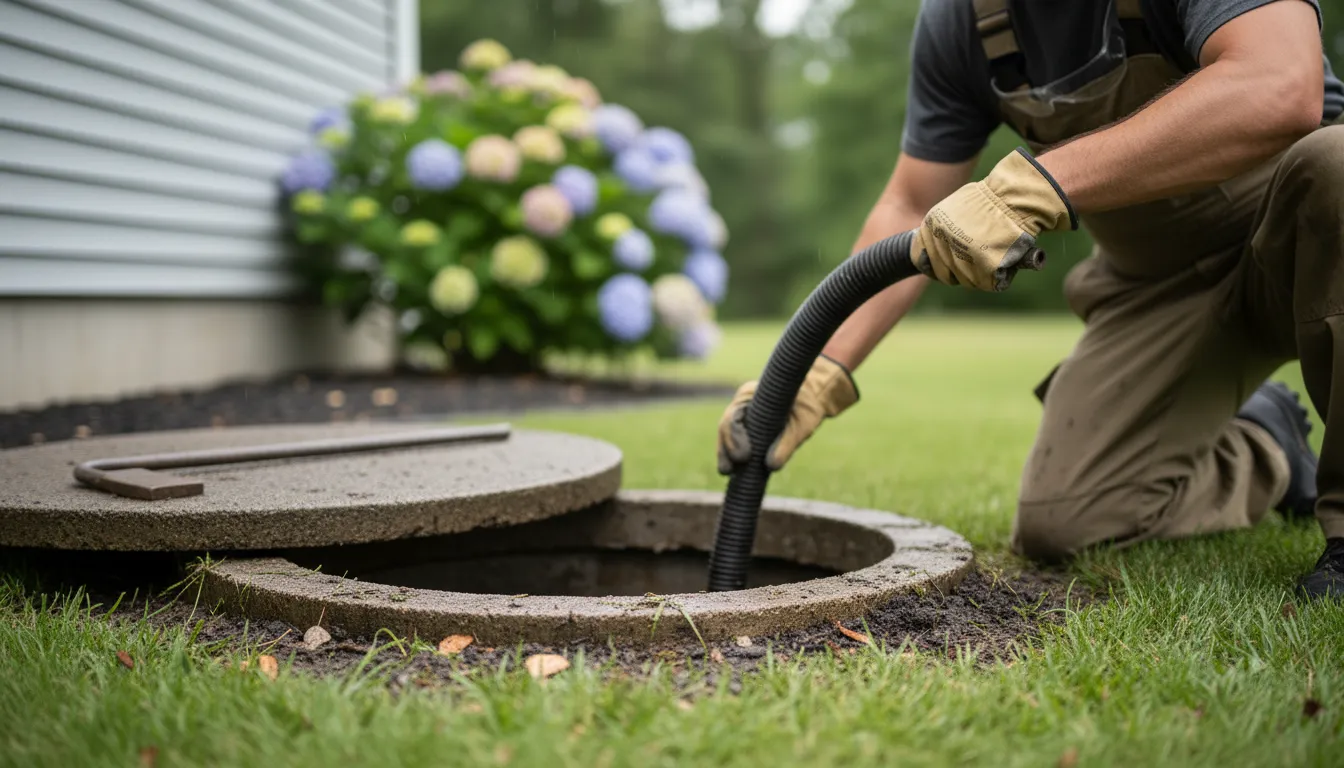
Find the Best Septic Tank Pumping Contractors for Your Business
No obligation • Fast responses • Nationwide coverage

Why you can trust Septic Spot
Septic Spot is a leading United States resource for understanding and comparing septic services. Our editors review providers using consistent criteria and verify key business details. Listings and scores are independent, and companies cannot pay to influence our content.
Search providers near you
Top Septic Tank Pumping Contractors in Evanston, Illinois Ranked
Maintaining your septic system is a critical, yet often overlooked, responsibility of homeownership. Proper septic tank pumping and regular inspections are essential to prevent messy and expensive system failures, protect your property value, and safeguard local groundwater from contamination. This guide provides Evanston residents with clear, actionable information on septic service schedules, costs, and local regulations, helping you make informed decisions to keep your system functioning smoothly for years to come.

Suburban Plumbing Sewer Line and Drain Cleaning Experts
9100 Plainfield Rd Suite #9A, Brookfield, IL 60513
Suburban Plumbing Sewer Line and Drain Cleaning Experts is a full-service plumbing company serving Chicago, IL, and the greater Chicagoland area. They provide a wide range of services including septic tank pumping, inspections, repairs, and new system installations, as well as sewer line repairs, drain cleaning, water heater services, and flood control solutions. With over 30 years of experience, their licensed and insured technicians use advanced equipment like hydro jetting and sewer camera inspections to deliver effective plumbing solutions. The company offers 24/7 emergency plumbing services to address urgent issues promptly.
Chicago Plumbing Sewer and Drain Cleaning Experts
Chicago, IL
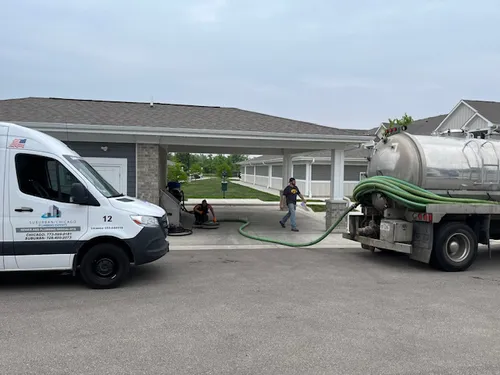
Chicago Plumbing Sewer and Drain Cleaning Experts is a licensed plumbing company serving Chicago, IL, and the surrounding Chicagoland area. Established in 1995, they provide residential and commercial plumbing services including septic tank pumping, sewer and drain cleaning, hydro jetting, and emergency plumbing. Their team is experienced with Chicago's unique plumbing challenges such as aging infrastructure and harsh winters. They offer 24/7 emergency service to address urgent issues like burst pipes and sewer backups promptly.

Mr. Rooter Plumbing of Cook County
30 Martin Ln, Elk Grove Village, IL 60007
Mr. Rooter Plumbing of Cook County is a licensed and insured plumbing company serving Chicago, IL. They provide a range of plumbing services including septic tank pumping, drain cleaning, plumbing repairs, water heater services, and gas line work. The company has been in business since 1970 and is known for its Neighborly Done Right Promise®, ensuring work is completed correctly the first time.
Weidner's Septic Service Inc.
Chicago, IL
Weidner's Septic Service Inc. provides septic tank pumping, inspection, repair, and pump replacement services in Chicago, IL. The company handles septic system maintenance and emergency repairs, including pump replacements, with attention to keeping job sites clean and providing helpful advice for system upkeep. Customers have noted their responsiveness and professionalism in addressing septic issues promptly.
Suburban Sewer Experts
Chicago, IL
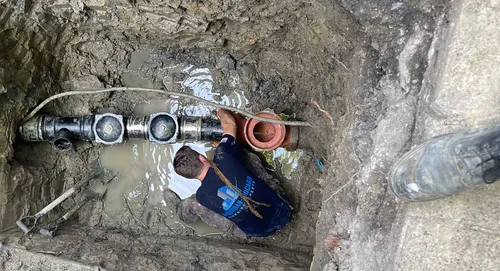
Suburban Sewer Experts provides sewer line repair, septic tank pumping, installation, and maintenance services in Chicago, IL. With over 40 years of experience, they serve both residential and commercial properties, using advanced sewer camera inspections and hydro jetting to diagnose and clear blockages efficiently. Their expertise includes main water line repair and flood control system installation, offering comprehensive solutions to protect properties from sewer and water damage.
Understanding Your Septic System in Evanston
A septic system is an on-site wastewater treatment structure, typically used in areas not served by municipal sewer lines. It consists of a large underground tank and a drain field. Solids settle in the tank, where they are partially broken down by bacteria, while the liquid effluent flows out to the drain field for further filtration into the soil. Over time, the solid sludge and scum layers accumulate and must be physically removed through septic tank pumping to prevent them from flowing into and clogging the drain field, which leads to system failure.
In Evanston, which falls under Cook County and Illinois state jurisdiction, these systems are regulated to protect public health and the environment. Proactive maintenance is not just a recommendation-it's a key part of responsible property stewardship in our community.
Recommended Pumping and Inspection Schedule
Adhering to a regular maintenance schedule is the single most effective way to extend the life of your septic system and avoid emergencies. While general guidelines are helpful, your specific needs depend on your household size, tank capacity, and overall usage.
- Standard Pumping Frequency: The U.S. Environmental Protection Agency (EPA) recommends having your septic tank serviced every three to five years 1. However, this is a baseline. For an average family of four, more frequent pumping every two to three years is often advisable 2.
- Factors Requiring More Frequent Service: Smaller tanks or households with more than four people may need tank pumping as often as every one to two years. Garbage disposals and excessive water use can also accelerate sludge buildup.
- Inspection is Key: A full septic system inspection should be conducted every one to two years by a qualified professional 3. This inspection checks sludge and scum levels to determine if pumping is needed and assesses the health of the entire system, including the drain field.
- Critical Component: During a pump-out, the effluent filter (if your tank has one) must be inspected and cleaned. This filter should be cleaned at least every three years to prevent clogs 4.
Local Regulations and Compliance in Illinois
Illinois state law, administered by the Illinois Department of Public Health (IDPH), governs private sewage disposal. Local health departments, like the Cook County Department of Public Health, may enforce additional or more stringent ordinances.
- State Guidelines: The IDPH provides the framework for system design, installation, and maintenance. It is always recommended to check with them or your local county health department for the most current regulations specific to your area 5.
- Abandonment Procedures: A crucial and often overlooked regulation concerns abandoned tanks. If you are connecting to a municipal sewer line or replacing an old system, Illinois law requires that any abandoned septic tank be professionally pumped, broken down, and filled with sand or soil to eliminate a serious safety hazard 6. Never simply leave an old tank in the ground.
- Environmental Protection: Proper maintenance isn't just about avoiding a backup in your home. Failing systems can contaminate groundwater, streams, and Lake Michigan with harmful bacteria and nutrients. Regular septic system maintenance is an environmental imperative for the Evanston community 7.
Find the perfect septic tank pumping contractors for your needs
Get personalized recommendations and expert advice
What to Expect: The Cost of Septic Tank Pumping
Understanding the potential costs helps homeowners budget for this essential service. Prices in the Evanston area can vary based on several factors.
- Average Cost Range: Most homeowners pay between $250 and $500 for a standard residential septic pump-out 8.
- Primary Cost Factor - Tank Size: The size of your tank is the biggest determinant of price. Pumping a 600-gallon tank may cost around $250, while servicing a larger 1,500 to 1,750-gallon tank typically ranges from $345 to $700 9.
- Other Cost Influencers: The final bill can be affected by the tank's accessibility (e.g., depth, landscaping), the volume of solids to be removed, and whether the service is part of a routine visit or an emergency call. Overall, total costs for pumping in the region generally fall between $200 and $1,237 10.
- Inspection Fees: A basic inspection may be included with a pumping service, but a more comprehensive septic system evaluation will have its own fee. This is a worthwhile investment to identify small issues before they become major repairs.
The Pumping Process: What a Professional Service Does
Hiring a licensed, professional septic service provider ensures the job is done safely and completely. Here's what a standard service visit entails:
- Locate & Access: The technician will locate the tank's access lids (manholes) and excavate if necessary to uncover them.
- Inspect Inlet/Outlet: Before pumping, they will check the inlet and outlet tees or baffles to ensure they are intact and functioning.
- Pump Out Contents: Using a large tanker truck with a vacuum hose, all liquid and solid waste (sludge and scum) is removed from the tank.
- Clean & Inspect: The tank interior may be rinsed with water to inspect for cracks, leaks, or structural damage. The effluent filter is cleaned.
- Final Check & Report: The technician will replace the lids securely and often provide a report noting the tank's condition, sludge levels, and any recommendations. They will also properly dispose of the waste at a licensed treatment facility.
Signs Your Septic Tank Needs Immediate Attention
Don't wait for a complete failure. Be alert to these warning signs that your system may need pumping or repair:
- Slow Drains: Sinks, showers, and toilets that drain slowly, especially if multiple fixtures are affected.
- Unpleasant Odors: Sewage smells in your yard, particularly near the tank or drain field, or inside your home.
- Soggy Lawn: Unusually lush, green grass or soggy, wet spots over the drain field, even during dry weather.
- Sewage Backup: The most severe sign-wastewater backing up into household drains or toilets.
- Gurgling Sounds: Strange gurgling noises coming from your plumbing.
If you notice any of these signs, contact a septic professional promptly to assess the situation.
Choosing a Reliable Septic Service Provider in Evanston
Selecting the right company is crucial. Look for providers who are:
- Licensed and Insured: Verify they hold current licenses from the state of Illinois and carry adequate liability insurance.
- Experienced & Knowledgeable: Choose a company with a proven track record in the Evanston area that understands local soil conditions and regulations.
- Transparent on Pricing: They should be willing to provide a clear estimate over the phone or after an initial inspection, explaining what is included.
- Equipped for Proper Disposal: Ensure they dispose of waste at a licensed wastewater treatment plant, not on private land.
By following a consistent maintenance schedule, understanding the costs and processes involved, and partnering with a qualified professional, you can ensure your Evanston home's septic system remains a reliable and trouble-free part of your property for decades.
Frequently asked questions
Sources
Footnotes
-
Frequent Questions on Septic Systems | US EPA - https://www.epa.gov/septic/frequent-questions-septic-systems ↩
-
septic-systems.pdf - Illinois Environmental Protection Agency - https://epa.illinois.gov/content/dam/soi/en/web/epa/documents/water/conservation/lake-notes/septic-systems.pdf ↩
-
Septic Systems | Department of Environmental Protection - https://www.pa.gov/agencies/dep/residents/my-water/septic-systems ↩
-
Septic Tanks - Preventative Routine Maintenance - https://des.sc.gov/permits-regulations/septic-tanks/homeowner-resources/septic-tanks-preventative-routine-maintenance ↩
-
Private Sewage Disposal - Illinois Department of Public Health - https://dph.illinois.gov/topics-services/environmental-health-protection/private-sewage-disposal.html ↩
-
Septic System Maintenance - Illinois River Watershed Partnership - https://www.irwp.org/septic-system-maintenance ↩
-
Septic System Maintenance - Illinois EPA - https://epa.illinois.gov/topics/drinking-water/private-well-users/septic-system-maintenance.html ↩
-
How Much Does It Cost to Pump a Septic Tank? [2026 Data] | Angi - https://www.angi.com/articles/how-much-does-septic-tank-pumping-cost.htm ↩
-
How Much Does It Cost to Pump Septic Tank: A Detailed Pricing Guide - https://www.benjaminfranklinplumbing.com/league-city/blog/2025/march/how-much-does-it-cost-to-pump-septic-tank-a-detailed-pricing-guide/ ↩
-
Septic Tank Pumping Cost: Guide & Pricing in 2025 - Splash Plumbing - https://www.splashplumbing.com/how-much-does-it-cost-to-pump-septic-tank-understanding-pricing-and-factors-involved/ ↩