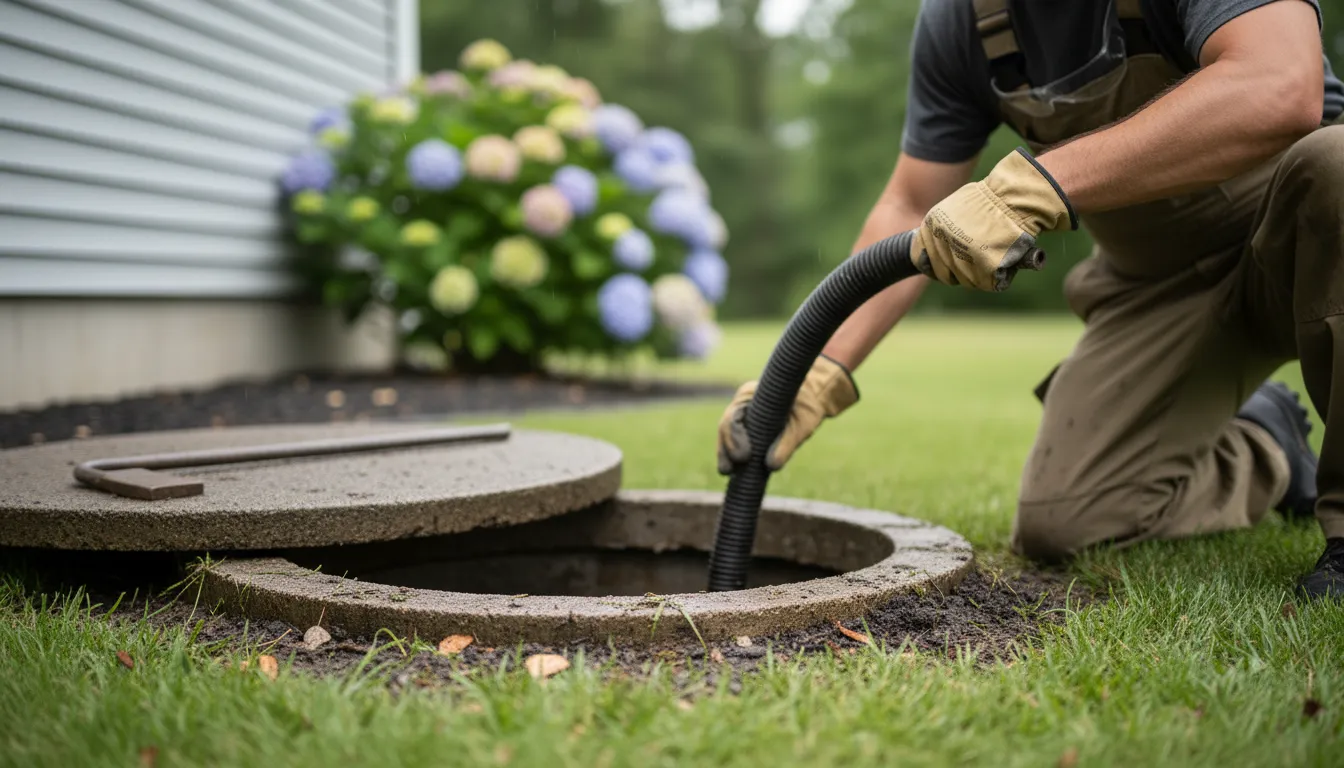
Find the Best Septic Tank Pumping Contractors for Your Business
No obligation • Fast responses • Nationwide coverage

Why you can trust Septic Spot
Septic Spot is a leading United States resource for understanding and comparing septic services. Our editors review providers using consistent criteria and verify key business details. Listings and scores are independent, and companies cannot pay to influence our content.
Search providers near you
Top Septic Tank Pumping Contractors in Glenview, Illinois Ranked
Maintaining your septic system is a crucial responsibility for any homeowner not connected to a municipal sewer line. Regular septic tank pumping is the most important maintenance task you can perform to prevent costly backups, system failures, and environmental contamination. This guide provides essential information for Glenview residents on how to properly care for their septic systems, understand local regulations, and find qualified local professionals for septic service, inspection, and repair.

Suburban Plumbing Sewer Line and Drain Cleaning Experts
9100 Plainfield Rd Suite #9A, Brookfield, IL 60513
Suburban Plumbing Sewer Line and Drain Cleaning Experts is a full-service plumbing company serving Chicago, IL, and the greater Chicagoland area. They provide a wide range of services including septic tank pumping, inspections, repairs, and new system installations, as well as sewer line repairs, drain cleaning, water heater services, and flood control solutions. With over 30 years of experience, their licensed and insured technicians use advanced equipment like hydro jetting and sewer camera inspections to deliver effective plumbing solutions. The company offers 24/7 emergency plumbing services to address urgent issues promptly.
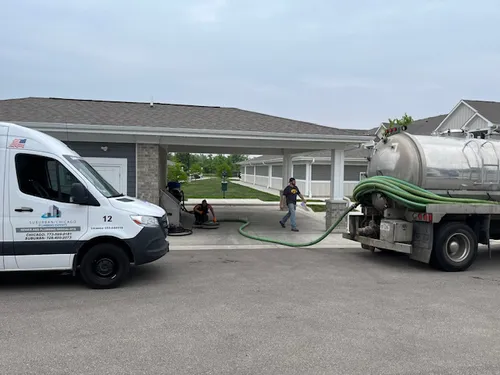
Chicago Plumbing Sewer and Drain Cleaning Experts
Chicago, IL
Chicago Plumbing Sewer and Drain Cleaning Experts is a licensed plumbing company serving Chicago, IL, and the surrounding Chicagoland area. Established in 1995, they provide residential and commercial plumbing services including septic tank pumping, sewer and drain cleaning, hydro jetting, and emergency plumbing. Their team is experienced with Chicago's unique plumbing challenges such as aging infrastructure and harsh winters. They offer 24/7 emergency service to address urgent issues like burst pipes and sewer backups promptly.

Mr. Rooter Plumbing of Cook County
30 Martin Ln, Elk Grove Village, IL 60007
Mr. Rooter Plumbing of Cook County is a licensed and insured plumbing company serving Chicago, IL. They provide a range of plumbing services including septic tank pumping, drain cleaning, plumbing repairs, water heater services, and gas line work. The company has been in business since 1970 and is known for its Neighborly Done Right Promise®, ensuring work is completed correctly the first time.
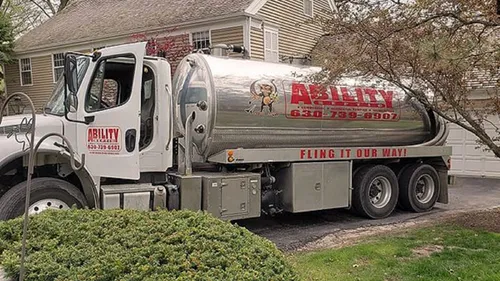
Ability Septic
801 N Raddant Rd, Batavia, IL 60510
Ability Septic is a family-owned septic service provider based near Aurora, IL, serving Batavia and surrounding areas. With over 65 years of experience since 1956, they offer a full range of septic services including pumping, inspection, installation, repair, and drain field maintenance. Their team uses advanced Lenzyme bio-products for eco-friendly septic system solutions and provides 24/7 emergency services to address urgent needs promptly.
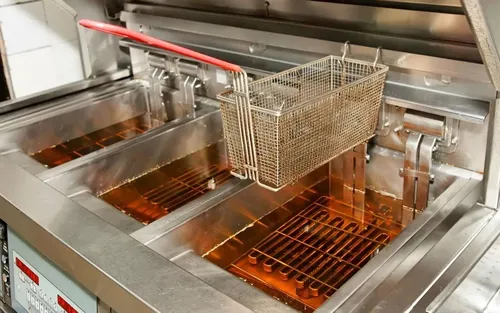
A&P Grease Trappers, Inc
801 N Raddant Rd, Batavia, IL 60510
A&P Grease Trappers, Inc is a family-owned business serving Aurora, IL, and the surrounding Chicagoland area since 2006. They specialize in grease trap cleaning, septic tank pumping, sewer cleaning, and plumbing services tailored for restaurants, commercial kitchens, and municipalities. Their licensed professionals provide customized maintenance plans and emergency services, including 24-hour response to urgent issues. The company also offers eco-friendly fryer oil recycling and buy-back programs, along with detailed documentation for health compliance. Their capabilities include advanced grease trap cleaning and RPZ testing to ensure system safety and regulatory adherence.
Why Septic System Maintenance is Critical in Glenview
A functioning septic system is an unseen but vital part of your home's infrastructure. It safely treats and disperses household wastewater from toilets, showers, sinks, and appliances. When a septic tank is not pumped regularly, solids (sludge and scum) accumulate. This can lead to solids flowing into the drain field, clogging the soil and causing sewage to back up into your home or surface in your yard. In Illinois, the proper function of these private sewage disposal systems is regulated to protect public health and groundwater quality. For Glenview homeowners, proactive maintenance is far less expensive and disruptive than emergency repairs or a full system replacement.
Understanding Illinois and Local Septic Regulations
Illinois has specific rules governing the installation and maintenance of septic systems. The Illinois Department of Public Health (IDPH) regulates private sewage disposal systems, and all work should be performed by a licensed septic service provider in accordance with state code (77 Ill. Admin. Code 905) 1. Local county health departments, such as the Lake County Health Department, often have additional oversight for Onsite Wastewater Treatment Systems. It's important to note that while some general guidelines exist, your specific pumping schedule should be determined by a professional inspection.
Recommended Pumping Frequency: It's Not One-Size-Fits-All
A common question homeowners have is, "How often should I pump my septic tank?" While a general industry standard suggests every 3-5 years, the Illinois Environmental Protection Agency (EPA) provides more frequent guidance, recommending an inspection every year and pumping every 2-3 years 2. The truth is, the ideal interval for septic tank cleaning depends on several key household factors:
- Household Size: The number of people living in your home directly impacts wastewater volume.
- Tank Size: A 1,000-gallon tank will fill with solids faster than a 1,500-gallon tank.
- Overall Water Usage: Garbage disposals, frequent laundry loads, and long showers increase the hydraulic load on your system.
- Solid Waste Volume: What you flush down the drains matters.
A useful guideline from sanitation experts suggests that a 1,000-gallon tank serving a 4-person household may need pumping approximately every 2.5 years 3. The only way to know for sure is through a professional inspection that measures the sludge and scum layers in your tank.
The Importance of Annual Inspections
Scheduling an annual inspection is the best way to stay ahead of potential problems. A certified professional will check the sludge and scum levels, inspect inlet and outlet baffles for integrity, and look for signs of leakage or damage 4. These routine checks, recommended every 1-3 years in Illinois, can identify minor issues before they become major failures 5. Furthermore, many local county health departments require a system inspection during property transfers, so keeping records of regular maintenance is also beneficial for real estate transactions 5.
What to Expect: The Septic Pumping Process
When you hire a professional for septic system pumping, they will:
- Locate and uncover the tank's access lids.
- Inspect the tank's components and measure sludge/scum levels.
- Use a large vacuum truck to pump out all the contents (solids and liquids) from the tank.
- Dispose of the waste at an approved treatment facility.
- Conduct a final visual inspection to ensure the tank is empty and the baffles are intact.
This is also an opportune time for the technician to assess the overall health of your system and advise you on any needed repairs or the optimal schedule for your next service.
Cost of Septic Pumping in Glenview
Understanding the potential cost helps homeowners budget for this essential service. In Illinois, the typical cost for pumping a standard residential septic tank ranges from $300 to $650 6. Several factors can influence this price:
- Tank Size and Accessibility: Larger tanks cost more to pump. Tanks with buried or difficult-to-access lids may incur additional labor charges.
- Condition of the System: If the tank hasn't been pumped in many years (e.g., over 7 years), the extra time and effort required can increase the price.
- Emergency Services: Needing immediate service for a backup or failure typically costs more, with prices potentially ranging from $450 to $1,200 or more depending on the severity 7 8.
Find the perfect septic tank pumping contractors for your needs
Get personalized recommendations and expert advice
Signs Your Septic Tank Needs Immediate Attention
Don't wait for a disaster. Be alert for these warning signs that your tank may be full or your system is failing:
- Slow Drains: Sinks, showers, and toilets that drain slowly, especially if multiple fixtures are affected.
- Sewage Odors: Unpleasant smells inside your home or around the drain field area in your yard.
- Gurgling Sounds: Strange noises coming from your plumbing.
- Wet, Spongy Yard: Soggy ground or standing water over the drain field, particularly when it hasn't rained.
- Sewage Backup: The most severe sign-wastewater backing up into household drains.
If you notice any of these signs, contact a septic service professional immediately to assess the situation 9.
Protecting Your System Between Pumpings
Proper care extends the life of your system and extends the time between necessary pumpings.
- Conserve Water: Fix leaky faucets and toilets, and spread out laundry loads.
- Mind What You Flush: Only human waste and toilet paper should go down the toilet. Avoid flushing wipes (even "flushable" ones), feminine hygiene products, dental floss, diapers, and cooking grease.
- Use Septic-Safe Cleaners: Harsh chemicals can kill the beneficial bacteria in your tank that break down waste.
- Protect the Drain Field: Never park vehicles or build structures over the drain field. Keep rainwater drainage systems away from this area.
Finding a Licensed Professional in Glenview
Always ensure you hire a septic service provider licensed by the state of Illinois. A licensed professional will be familiar with IDPH regulations and local Lake County requirements 10 11. They should provide a detailed report after pumping and inspection, noting the tank's condition and any recommendations. Ask for proof of licensing and insurance, and don't hesitate to get quotes from multiple companies for comparison.
Frequently asked questions
Sources
Footnotes
-
Ill. Admin. Code tit. 77, § 905.40 - Septic Tanks | State Regulations - https://www.law.cornell.edu/regulations/illinois/Ill-Admin-Code-tit-77-SS-905.40 ↩
-
Septic System Maintenance - Illinois EPA - https://epa.illinois.gov/topics/drinking-water/private-well-users/septic-system-maintenance.html ↩
-
HOW OFTEN SHOULD YOU BE PUMPING YOUR SEPTIC TANK? - https://www.sandiegocounty.gov/content/dam/sdc/dpw/WATERSHED_PROTECTION_PROGRAM/WatershedRebates/SRP/PDF/Chart-Septic-Large.pdf ↩
-
septic-systems.pdf - Illinois Environmental Protection Agency - https://epa.illinois.gov/content/dam/soi/en/web/epa/documents/water/conservation/lake-notes/septic-systems.pdf ↩
-
Illinois Septic Tank Requirements - https://www.ntotank.com/blog/illinois-septic-tank-requirements ↩ ↩2
-
How Much Does It Cost to Pump a Septic Tank? - https://dillonseptic.com/how-much-does-it-cost-to-pump-a-septic-tank/ ↩
-
Understanding the Average Cost to Pump a Septic Tank - https://www.septicblue.com/understanding-the-average-cost-to-pump-a-septic-tank ↩
-
Septic Pumping Cost by State: 2024 Complete Price Guide - https://wastedoor.com/article/septic-pumping-cost-by-state ↩
-
When to Pump Your Septic Tank | Roto-Rooter - https://www.rotorooter.com/blog/outdoor-plumbing/5-signs-its-time-to-call-your-septic-pumping-service/ ↩
-
Private Sewage Disposal - Illinois Department of Public Health - https://dph.illinois.gov/topics-services/environmental-health-protection/private-sewage-disposal.html ↩
-
Onsite Wastewater Treatment System - Lake County, Illinois - https://www.lakecountyil.gov/818/Onsite-Wastewater-Treatment-System ↩