Find the Best Septic Tank Pumping Contractors for Your Business
No obligation • Fast responses • Nationwide coverage

Why you can trust Septic Spot
Septic Spot is a leading United States resource for understanding and comparing septic services. Our editors review providers using consistent criteria and verify key business details. Listings and scores are independent, and companies cannot pay to influence our content.
Search providers near you
Top Septic Tank Pumping Contractors in Hoffman Estates, Illinois Ranked
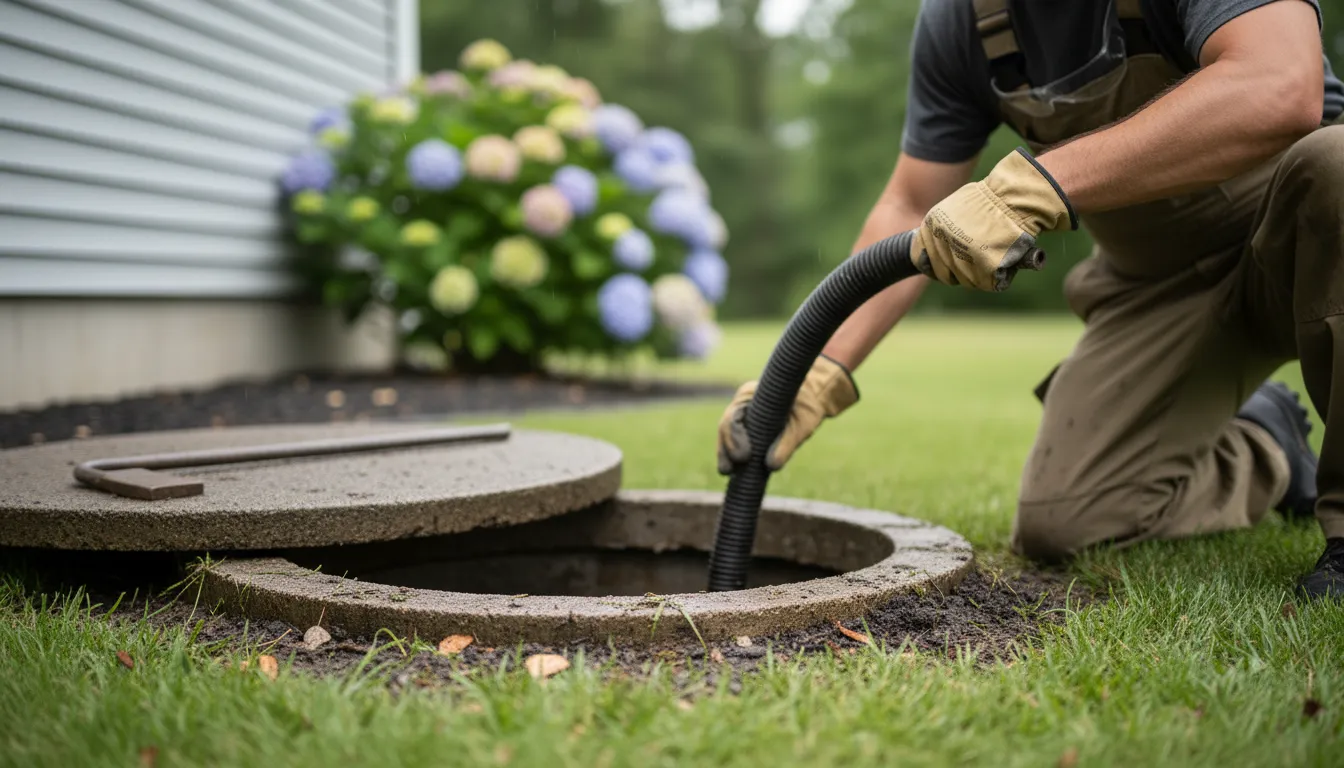
Maintaining your septic system is a critical responsibility for homeowners not connected to municipal sewer lines. Septic tank pumping is the essential process of removing accumulated solids from your tank to prevent system failure, costly repairs, and environmental contamination. This guide provides Hoffman Estates residents with the key information needed to understand septic maintenance, including local regulations, recommended service frequency, and how to connect with qualified professionals for this vital home care task.

Suburban Plumbing Sewer Line and Drain Cleaning Experts
9100 Plainfield Rd Suite #9A, Brookfield, IL 60513
Suburban Plumbing Sewer Line and Drain Cleaning Experts is a full-service plumbing company serving Chicago, IL, and the greater Chicagoland area. They provide a wide range of services including septic tank pumping, inspections, repairs, and new system installations, as well as sewer line repairs, drain cleaning, water heater services, and flood control solutions. With over 30 years of experience, their licensed and insured technicians use advanced equipment like hydro jetting and sewer camera inspections to deliver effective plumbing solutions. The company offers 24/7 emergency plumbing services to address urgent issues promptly.
Chicago Plumbing Sewer and Drain Cleaning Experts
Chicago, IL
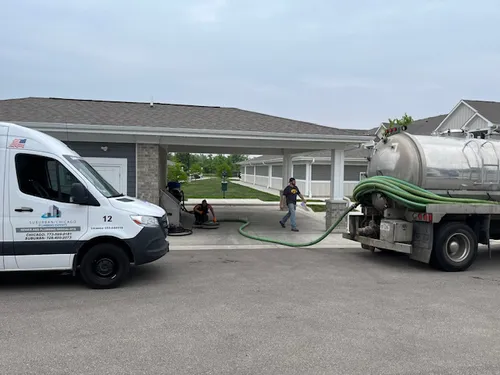
Chicago Plumbing Sewer and Drain Cleaning Experts is a licensed plumbing company serving Chicago, IL, and the surrounding Chicagoland area. Established in 1995, they provide residential and commercial plumbing services including septic tank pumping, sewer and drain cleaning, hydro jetting, and emergency plumbing. Their team is experienced with Chicago's unique plumbing challenges such as aging infrastructure and harsh winters. They offer 24/7 emergency service to address urgent issues like burst pipes and sewer backups promptly.

Mr. Rooter Plumbing of Cook County
30 Martin Ln, Elk Grove Village, IL 60007
Mr. Rooter Plumbing of Cook County is a licensed and insured plumbing company serving Chicago, IL. They provide a range of plumbing services including septic tank pumping, drain cleaning, plumbing repairs, water heater services, and gas line work. The company has been in business since 1970 and is known for its Neighborly Done Right Promise®, ensuring work is completed correctly the first time.
Ability Septic
801 N Raddant Rd, Batavia, IL 60510
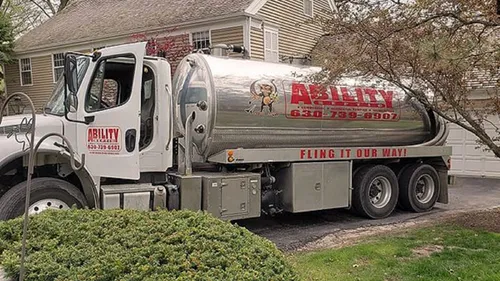
Ability Septic is a family-owned septic service provider based near Aurora, IL, serving Batavia and surrounding areas. With over 65 years of experience since 1956, they offer a full range of septic services including pumping, inspection, installation, repair, and drain field maintenance. Their team uses advanced Lenzyme bio-products for eco-friendly septic system solutions and provides 24/7 emergency services to address urgent needs promptly.
A&P Grease Trappers, Inc
801 N Raddant Rd, Batavia, IL 60510
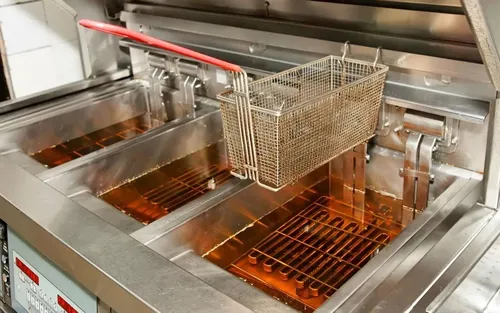
A&P Grease Trappers, Inc is a family-owned business serving Aurora, IL, and the surrounding Chicagoland area since 2006. They specialize in grease trap cleaning, septic tank pumping, sewer cleaning, and plumbing services tailored for restaurants, commercial kitchens, and municipalities. Their licensed professionals provide customized maintenance plans and emergency services, including 24-hour response to urgent issues. The company also offers eco-friendly fryer oil recycling and buy-back programs, along with detailed documentation for health compliance. Their capabilities include advanced grease trap cleaning and RPZ testing to ensure system safety and regulatory adherence.
Understanding Your Septic System and Why Pumping is Crucial
A septic system is an on-site wastewater treatment structure, typically consisting of a tank and a drain field. When household wastewater enters the tank, solids settle to the bottom as sludge, and fats and oils float to the top as scum. The clarified liquid in the middle (effluent) then flows out to the drain field for further treatment in the soil. Over time, the sludge and scum layers build up. If they aren't removed via regular septic tank cleaning, they can flow into and clog the drain field, leading to system backups, foul odors, and groundwater pollution.
For Hoffman Estates residents, proactive maintenance isn't just a recommendation-it's a necessity to protect your property value and comply with local health codes. A failed system can cost tens of thousands of dollars to replace, making routine pumping one of the most cost-effective investments you can make in your home.
How Often Should You Pump Your Septic Tank in Hoffman Estates?
The standard recommendation for septic tank service is every 3 to 5 years. However, this is a general guideline. The exact frequency for your home depends on several factors:
- Tank Size: Smaller tanks fill with solids more quickly.
- Household Size: More people generate more wastewater and solids.
- Water Usage: High-volume appliances and fixtures accelerate accumulation.
- Garbage Disposal Use: Using a garbage disposal significantly increases the amount of solids entering the tank. Homes with disposals may need septic tank emptying every 1-2 years.
- Other Factors: The presence of hot tubs (which discharge large volumes of water) or a higher-than-average amount of organic solid waste can also shorten the pumping interval.
The most accurate way to determine need is through a professional inspection, which measures the levels of sludge and scum in your tank. According to EPA guidelines, pumping is needed when the scum layer is within 6 inches of the outlet baffle or the sludge layer is within 12 inches 1.
Local Regulations and Inspections in Cook County
Septic systems in Hoffman Estates fall under the regulatory oversight of the Cook County Department of Public Health, which enforces the Illinois State Plumbing Code (77 Ill. Admin. Code 905) for private sewage disposal systems 2 3. While the state code provides the framework, local health departments may have additional requirements for permits, inspections, and system repairs.
Routine inspections are a key part of responsible ownership. It's advisable to have your system inspected by a certified professional every 1 to 3 years 4. During an inspection, the technician will locate your tank, check for leaks, and measure sludge/scum levels to recommend a pumping schedule tailored to your system's use. These inspections can catch minor issues before they become major, environmentally hazardous failures.
What to Expect: The Septic Pumping Process
Understanding what happens during a septic tank pump-out can help you prepare and ensure the job is done correctly.
- Locating and Uncovering the Tank: The service provider will locate the tank's access lids, which are typically buried. They will then dig to expose them.
- Initial Inspection: Before pumping, a reputable technician will often check the inlet and outlet baffles (or tees) to ensure they are intact and functioning.
- Pumping: Using a large tank truck with a powerful vacuum hose, all liquid and solid waste is pumped out of the tank. The material is then transported to a licensed wastewater treatment facility for proper disposal.
- System Check: After pumping, the technician may briefly run water from your home into the empty tank to check for immediate leaks or flow issues from the house to the tank.
- Clean-up and Re-burial: The access lids are securely replaced, and the area is generally backfilled and cleaned up.
A thorough service provider may also ask about your maintenance history and offer advice on caring for your system.
Find the perfect septic tank pumping contractors for your needs
Get personalized recommendations and expert advice
Cost of Septic Tank Pumping in Hoffman Estates
The cost for septic tank pumping in Illinois typically averages between $300 and $600. The final price for your home depends on a few variables:
- Tank Size and Capacity: This is the primary cost driver.
- Small Tanks (under 1,000 gallons): $250 - $350
- Medium Tanks (1,000 - 1,500 gallons): $300 - $400 5
- Large Tanks (1,500 - 2,000 gallons): $400 - $500 6
- Tank Accessibility: If the tank lids are deeply buried, overgrown, or under a structure, additional labor for excavation will increase the cost.
- Condition of the Tank: Extremely clogged tanks or those with damaged baffles may require more time or additional minor repairs during service.
- Additional Services: Costs will be higher if you bundle pumping with a full system inspection or minor repairs.
While price is a consideration, choosing a provider based on certification, good reviews, and proper licensing is crucial for a job that protects your home's infrastructure.
Best Practices for Septic System Care Between Pumpings
Regular pumping is the cornerstone of maintenance, but daily habits greatly impact your system's health and longevity. Follow these tips to keep your system functioning smoothly:
- Conserve Water: Fix leaky faucets and toilets, and spread out laundry loads to avoid overwhelming the drain field.
- Mind What You Flush: Only human waste and toilet paper should go down the toilet. Never flush wipes (even "flushable" ones), feminine hygiene products, dental floss, diapers, or paper towels 7.
- Use the Trash Can, Not the Drain: Avoid pouring cooking grease, oil, or fat down the drain. Minimize use of the garbage disposal, as it adds excessive solids 8.
- Be Careful with Chemicals: Harsh household chemicals, paints, and pesticides can kill the beneficial bacteria in your tank that break down waste.
- Protect Your Drain Field: Never park or drive heavy vehicles over the drain field. Divert roof drains, sump pumps, and other surface water away from this area to prevent saturation 9 10.
- Maintain Components: If your tank has an effluent filter, it should be cleaned annually according to the manufacturer's instructions 11.
Signs Your Septic Tank Needs Immediate Attention
Don't wait for a complete failure. Contact a professional if you notice any of these warning signs:
- Slow Drains: Sinks, showers, and toilets that drain slowly, especially if multiple fixtures are affected.
- Sewage Backups: Wastewater backing up into household drains.
- Foul Odors: Unpleasant smells around the tank or drain field area, or inside the house.
- Lush, Green Grass: An unusually green and soggy patch over the drain field, even in dry weather, indicates effluent is surfacing.
- Gurgling Sounds: Strange noises coming from your plumbing system.
Addressing these issues promptly can prevent more extensive environmental damage and far more expensive repairs.
Frequently asked questions
Sources
Footnotes
-
How to Care for Your Septic System | US EPA - https://www.epa.gov/septic/how-care-your-septic-system ↩
-
Private Sewage Disposal - Illinois Department of Public Health - https://dph.illinois.gov/topics-services/environmental-health-protection/private-sewage-disposal.html ↩
-
Illinois Septic Tank Requirements - https://www.ntotank.com/blog/illinois-septic-tank-requirements ↩
-
Septic Systems | Department of Environmental Protection - https://www.pa.gov/agencies/dep/residents/my-water/septic-systems ↩
-
How Much Does Septic Tank Pumping Cost in Illinois? - https://suburbanplumbingexperts.com/how-much-does-septic-tank-pumping-cost-in-illinois/ ↩
-
Cost to Pump Septic Tank: Tips to Save on Cleaning Fees - https://ivanssiteservices.com/blog/cost-to-pump-septic-tank-what-to-expect-and-how-to-save/ ↩
-
Septic System Maintenance - Illinois River Watershed Partnership - https://www.irwp.org/septic-system-maintenance ↩
-
How Often Should I Pump Out My Septic Tank? - https://cms2.revize.com/revize/westportma/Documents/Departments/Health/Forms%20And%20Resources/how_often_should_i_pump_out_my_septic_tank_2.pdf?t=202508080914340&t=202508080914340 ↩
-
Maintaining Your POWTS (Septic System) - DSPS - https://dsps.wi.gov/Documents/Programs/POWTS/POWTSMaintenanceBrochure.pdf ↩
-
Wells and Septic Program - https://publichealth.wincoil.gov/know-your-water-and-sewage-system-private-wells-septic/ ↩
-
How Clogged Septic Tanks Are Deep Cleaned | Deep Cleaned - https://www.youtube.com/watch?v=ZkRRxbq8DYs ↩