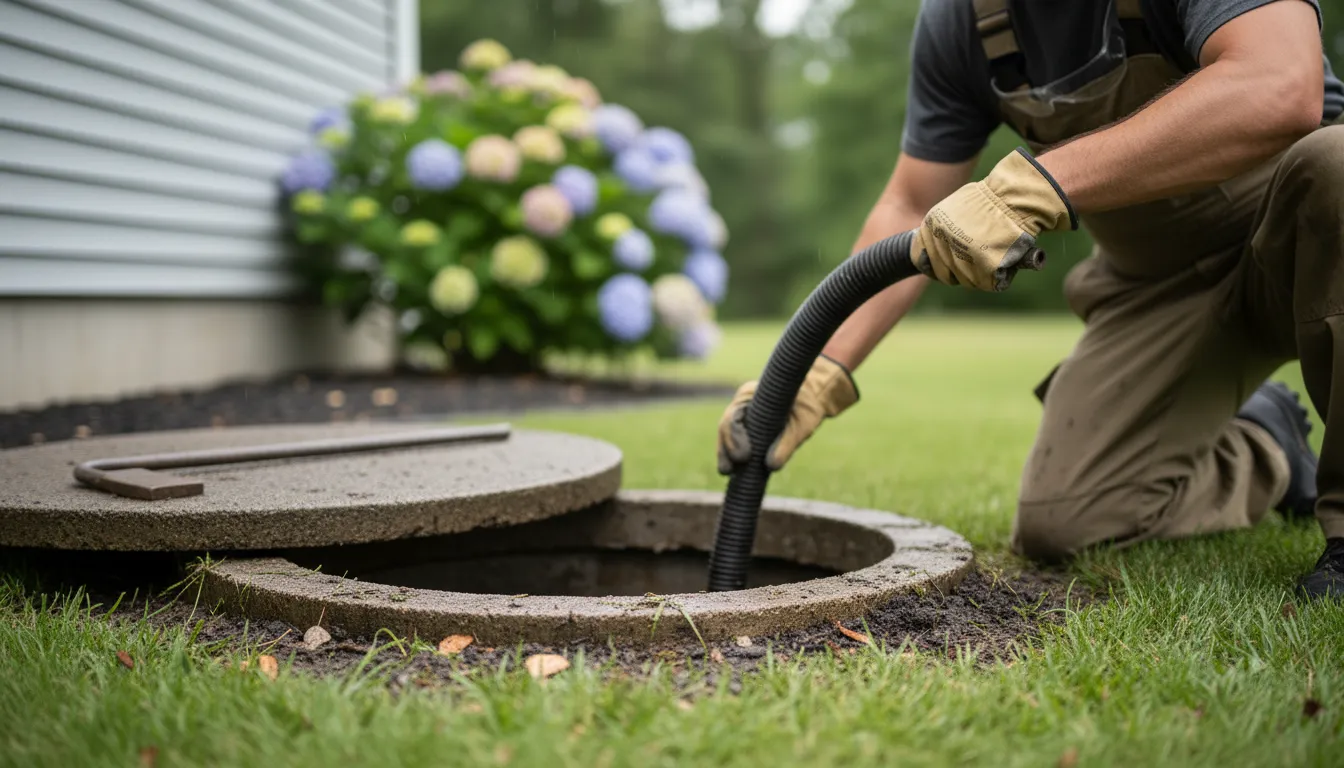
Find the Best Septic Tank Pumping Contractors for Your Business
No obligation • Fast responses • Nationwide coverage

Why you can trust Septic Spot
Septic Spot is a leading United States resource for understanding and comparing septic services. Our editors review providers using consistent criteria and verify key business details. Listings and scores are independent, and companies cannot pay to influence our content.
Search providers near you
Top Septic Tank Pumping Contractors in Naperville, Illinois Ranked
Maintaining your septic system is a critical responsibility for homeowners not connected to municipal sewer lines. Regular septic tank pumping is the cornerstone of this maintenance, essential for preventing system failures, protecting your property value, and safeguarding local groundwater. This guide explains the key considerations for septic system service in Naperville, including recommended schedules, local costs, and regulatory requirements, helping you make informed decisions for your home's wastewater treatment.

Suburban Plumbing Sewer Line and Drain Cleaning Experts
9100 Plainfield Rd Suite #9A, Brookfield, IL 60513
Suburban Plumbing Sewer Line and Drain Cleaning Experts is a full-service plumbing company serving Chicago, IL, and the greater Chicagoland area. They provide a wide range of services including septic tank pumping, inspections, repairs, and new system installations, as well as sewer line repairs, drain cleaning, water heater services, and flood control solutions. With over 30 years of experience, their licensed and insured technicians use advanced equipment like hydro jetting and sewer camera inspections to deliver effective plumbing solutions. The company offers 24/7 emergency plumbing services to address urgent issues promptly.
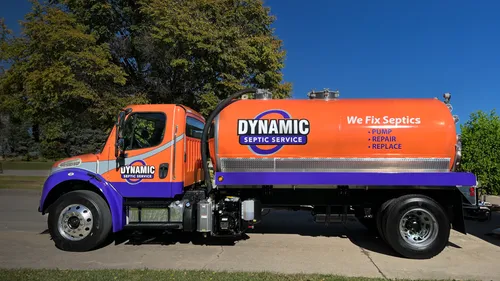
Dynamic Septic Service
18600 Rte 59, Shorewood, IL 60404
Dynamic Septic Service is a locally owned company based in Shorewood, Illinois, providing septic pumping, inspection, repair, and installation services in Chicago, IL, and surrounding counties including Will, DuPage, Cook, Kendall, Grundy, and Kankakee. With over 30 years of hands-on experience, they specialize in diagnosing septic system issues and offering clear options for repair or replacement. Their expertise includes routine pumping and complex system repairs, ensuring long-term functionality of septic systems.
Chicago Plumbing Sewer and Drain Cleaning Experts
Chicago, IL
Chicago Plumbing Sewer and Drain Cleaning Experts is a licensed plumbing company serving Chicago, IL, and the surrounding Chicagoland area. Established in 1995, they provide residential and commercial plumbing services including septic tank pumping, sewer and drain cleaning, hydro jetting, and emergency plumbing. Their team is experienced with Chicago's unique plumbing challenges such as aging infrastructure and harsh winters. They offer 24/7 emergency service to address urgent issues like burst pipes and sewer backups promptly.

Mr. Rooter Plumbing of Cook County
30 Martin Ln, Elk Grove Village, IL 60007
Mr. Rooter Plumbing of Cook County is a licensed and insured plumbing company serving Chicago, IL. They provide a range of plumbing services including septic tank pumping, drain cleaning, plumbing repairs, water heater services, and gas line work. The company has been in business since 1970 and is known for its Neighborly Done Right Promise®, ensuring work is completed correctly the first time.
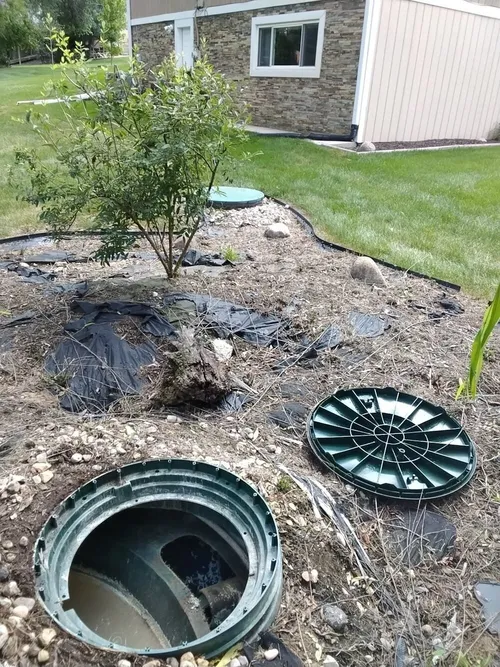
FreeFlow Environmental of Cook County
7030 Centennial Dr Suite 133, Tinley Park, IL 60477
FreeFlow Environmental of Cook County offers septic tank pumping and septic system repair services in Chicago, IL. They serve residential and commercial clients, addressing septic, sewer, and drainage issues with licensed and insured professionals. The company uses advanced technology for septic system repair, pumping, and sewer line cleaning, including no-dig sewer line repairs. Their services cover system maintenance, emergency repairs, and full restorations to ensure efficient operation and prevent backups. FreeFlow Environmental also emphasizes environmental stewardship in their work.
Why Regular Septic Maintenance is Non-Negotiable
A septic system is a live wastewater treatment plant in your backyard. When functioning correctly, it safely processes household water from toilets, showers, sinks, and appliances. The tank's primary job is to separate solids (which sink as sludge) from fats and oils (which float as scum), allowing clarified liquid to flow out to the drain field. Over time, the sludge and scum layers accumulate. If not removed via pumping, they can overflow into the drain field, causing costly and unsanitary backups, system failure, and environmental contamination. In Illinois, proper maintenance is not just a recommendation-it's a public health imperative regulated by state and local authorities 1.
Recommended Pumping Frequency for Naperville Homes
How often you need to schedule septic tank cleaning depends on several household-specific factors. While a general rule of thumb is every 3 to 5 years, the Illinois EPA and local health authorities provide more nuanced guidance.
- Household Size and Water Usage: This is the primary driver. A 1,000-gallon tank serving a family of four typically requires pumping every 2 to 3 years 2. More residents mean more wastewater and solids, accelerating the tank's fill rate.
- Tank Size: Smaller tanks fill faster and require more frequent service. Always confirm your tank's capacity, as this is the baseline for any pumping schedule.
- Garbage Disposal Use: Using a garbage disposal significantly increases the volume of solids entering the tank, often necessitating pumping 1 to 2 years sooner than homes without one 3.
- Overall Water Habits: Frequent laundry loads, long showers, and other high-water-use activities increase the tank's hydraulic load, which can stir settled solids and push them toward the drain field.
For heavy-use households or those with smaller tanks, a 1 to 3-year pumping interval may be recommended 4. The only way to know for sure is through an annual inspection.
The Critical Role of Annual Inspections
Pumping is not the only required maintenance. The Illinois EPA strongly recommends having your entire septic system inspected every year, regardless of when it was last pumped 5. A professional inspection does more than just measure sludge levels; it assesses the health of the entire system.
A thorough inspection should include:
- Sludge and Scum Measurement: Determining the exact levels to calculate how soon pumping is needed.
- Baffle and Tee Inspection: Checking that the inlet and outlet baffles (or tees) are intact. These devices are crucial for preventing solids from exiting the tank and clogging the drain field 6.
- Tank Integrity Check: Looking for cracks, leaks, or corrosion in the tank itself.
- Drain Field Evaluation: Assessing for signs of failure, such as surfacing effluent or overly lush grass.
This proactive approach can identify small issues-like a damaged baffle-before they lead to a catastrophic and expensive system failure.
Find the perfect septic tank pumping contractors for your needs
Get personalized recommendations and expert advice
Understanding Costs for Septic Service in Naperville
The cost to pump your septic tank is an investment in your property's long-term functionality. In the Naperville area, prices are influenced by standard industry factors and local market conditions.
For a standard 1,000-gallon tank, the estimated cost for inspection and pumping ranges from approximately $286 to $336 7. This aligns with broader national averages, which generally range from $300 to over $400 for this common tank size 8 9.
Several variables can affect the final price:
- Tank Size and Accessibility: Larger tanks (1,500+ gallons) cost more to pump. If the tank lids are buried deep or access is obstructed, additional labor and equipment time will increase the quote.
- Sludge Volume: Tanks that are severely overdue for service may contain extra-heavy sludge, requiring more time and effort to evacuate completely.
- Additional Services: The inspection itself may have a separate fee if not bundled. Any repairs, such as replacing a baffle or a damaged lid, will be additional.
- Permit and Disposal Fees: Licensed contractors include the cost of proper waste disposal at approved facilities, which is a mandatory part of the service.
Always request a detailed, written estimate that breaks down pumping, inspection, and any potential additional fees.
Illinois and Naperville Regulations You Should Know
Septic system maintenance in Illinois is governed by the Illinois Department of Public Health (IDPH) Private Sewage Disposal Code, with enforcement often delegated to local county health departments.
- Licensing is Mandatory: You must use a licensed private sewage disposal pumping contractor. These professionals are registered with the state, ensuring they follow proper procedures for pumping, waste transport, and disposal 10. Hiring an unlicensed individual can lead to improper service and potential liability.
- Abandonment Procedures: If you are connecting to a municipal sewer line or demolishing a property, the old septic tank must be properly abandoned. Illinois law requires that abandoned tanks be pumped out, have their bottoms broken, and be filled with sand or soil to eliminate collapse hazards 11. This is a specialized task that must be permitted and inspected by the local health department.
- Local Permits: Any repair or new installation requires a permit from your local health authority. Your licensed contractor will typically handle this process.
Choosing a Qualified Septic Service Provider
Selecting the right company is as important as the service itself. Look for a provider with:
- A valid Illinois Private Sewage Disposal Pumping Contractor license.
- Positive, verifiable reviews from local homeowners.
- Clear communication about their inspection process and pricing.
- Proof of insurance.
- The ability to provide a detailed report of their findings after inspection and pumping.
A reputable contractor will be happy to show their license, explain their process, and provide references. They are your partner in maintaining a critical component of your home.
Signs Your System Needs Immediate Attention
Don't wait for a scheduled inspection if you notice any of these red flags:
- Slow Drains: Sinks, showers, and toilets that drain slowly throughout the house.
- Sewage Backups: Wastewater backing up into household drains.
- Bad Odors: Foul smells around the tank or drain field area.
- Pooling Water or Lush Grass: Soggy ground or unusually green, fast-growing grass over the drain field.
- Gurgling Sounds: Sounds coming from your plumbing system.
These symptoms indicate that your tank is overfull or that your drain field is failing, requiring immediate professional intervention.
Frequently asked questions
Sources
Footnotes
-
Private Sewage Disposal - Illinois Department of Public Health - https://dph.illinois.gov/topics-services/environmental-health-protection/private-sewage-disposal.html ↩
-
Illinois Septic Tank Requirements | Onsite Wastewater Treatment ... - https://www.ntotank.com/blog/illinois-septic-tank-requirements ↩
-
How Often Should I Pump Out My Septic Tank? - https://cms2.revize.com/revize/westportma/Documents/Departments/Health/Forms%20And%20Resources/how_often_should_i_pump_out_my_septic_tank_2.pdf?t=202508080914340&t=202508080914340 ↩
-
What Is the Cost to Pump a Septic Tank? - Plumbing - https://www.thisoldhouse.com/plumbing/cost-to-pump-septic-tank ↩
-
Septic System Maintenance - Illinois EPA - https://epa.illinois.gov/topics/drinking-water/private-well-users/septic-system-maintenance.html ↩
-
IDAHO SEPTIC PUMPERS TECHNICAL GUIDANCE MANUAL AUGUST 2025 - https://www2.deq.idaho.gov/admin/LEIA/api/document/download/23934 ↩
-
Naperville Septic Systems Costs & Prices - ProMatcher Cost Report - https://septic-systems.promatcher.com/cost/naperville-il-septic-systems-costs-prices.aspx ↩
-
Septic Tank Pumping Cost: Guide & Pricing in 2025 - Splash Plumbing - https://www.splashplumbing.com/how-much-does-it-cost-to-pump-septic-tank-understanding-pricing-and-factors-involved/ ↩
-
Septic Tank Pumping Cost Guide in the US - Bona Fide Plumbing - https://bonaplumbing.com/septic-tank-pumping-cost-guide-in-the-us/ ↩
-
septic-systems.pdf - Illinois Environmental Protection Agency - https://epa.illinois.gov/content/dam/soi/en/web/epa/documents/water/conservation/lake-notes/septic-systems.pdf ↩
-
Ill. Admin. Code tit. 77, § 905.40 - Septic Tanks | State Regulations - https://www.law.cornell.edu/regulations/illinois/Ill-Admin-Code-tit-77-SS-905.40 ↩