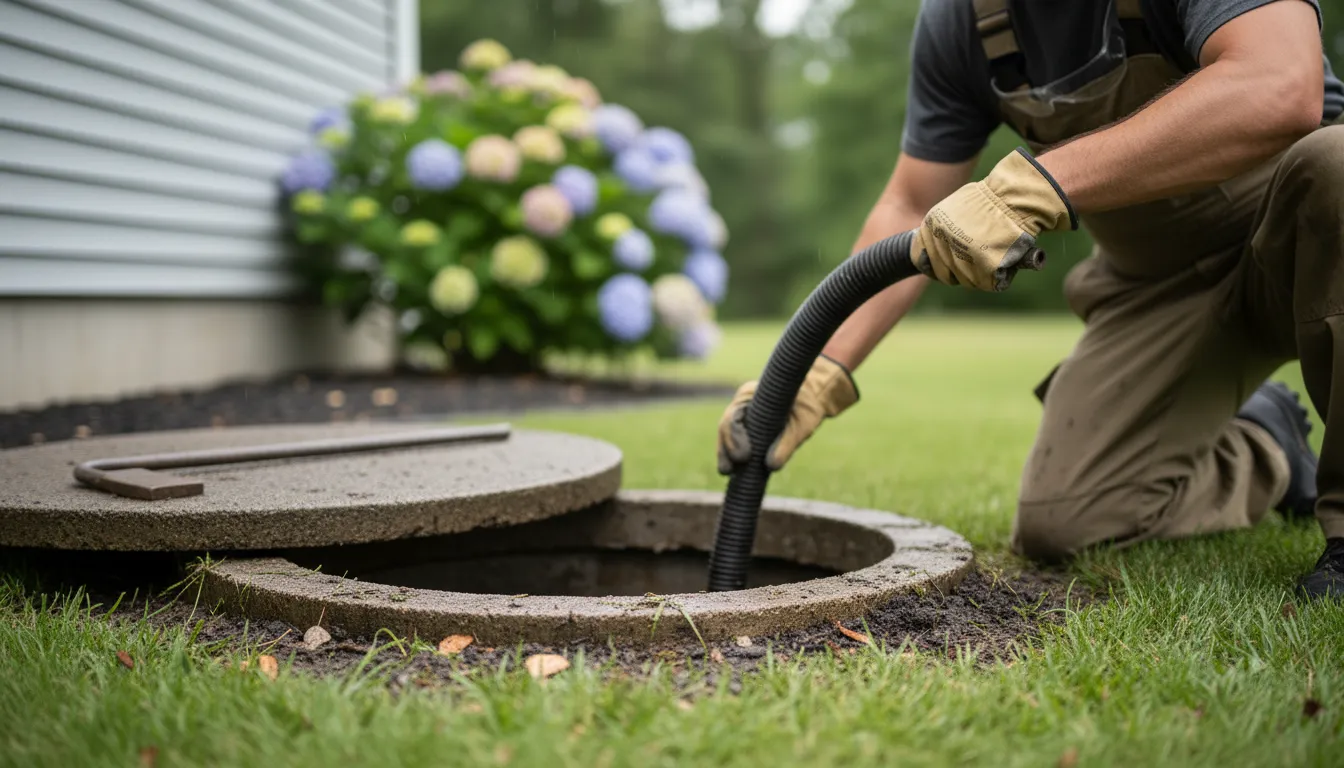
Find the Best Septic Tank Pumping Contractors for Your Business
No obligation • Fast responses • Nationwide coverage

Why you can trust Septic Spot
Septic Spot is a leading United States resource for understanding and comparing septic services. Our editors review providers using consistent criteria and verify key business details. Listings and scores are independent, and companies cannot pay to influence our content.
Search providers near you
Top Septic Tank Pumping Contractors in Oak Park, Illinois Ranked
Maintaining a septic system is a crucial responsibility for homeowners in Oak Park. Regular septic tank pumping removes accumulated solids and sludge, preventing costly backups, system failures, and environmental contamination. This guide explains the local requirements, recommended schedules, and costs for septic system maintenance, helping you find qualified local professionals to ensure your system operates safely and efficiently for years to come.

Suburban Plumbing Sewer Line and Drain Cleaning Experts
9100 Plainfield Rd Suite #9A, Brookfield, IL 60513
Suburban Plumbing Sewer Line and Drain Cleaning Experts is a full-service plumbing company serving Chicago, IL, and the greater Chicagoland area. They provide a wide range of services including septic tank pumping, inspections, repairs, and new system installations, as well as sewer line repairs, drain cleaning, water heater services, and flood control solutions. With over 30 years of experience, their licensed and insured technicians use advanced equipment like hydro jetting and sewer camera inspections to deliver effective plumbing solutions. The company offers 24/7 emergency plumbing services to address urgent issues promptly.
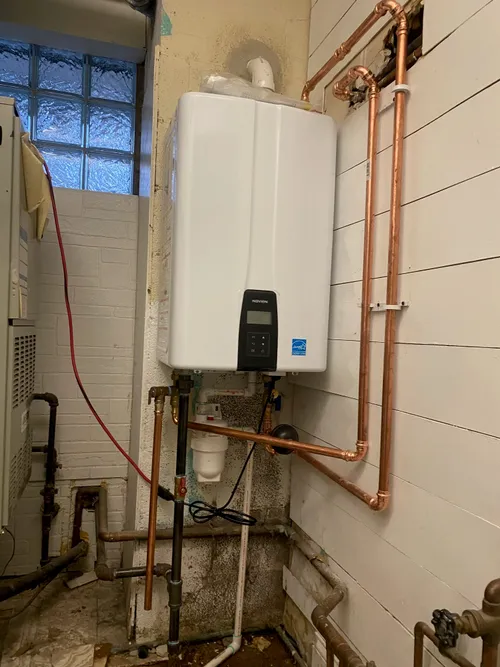
Feikema Plumbing & Sanitation
1854 Ridge Rd, Munster, IN 46321
Feikema Plumbing & Sanitation is a family-owned business based in Munster, IN, serving the Chicago, IL area with plumbing and septic system services. Established in 1956, they offer a wide range of solutions including septic tank pumping, septic system repairs, drain cleaning, water heater installation, and sewer maintenance. Their expertise includes advanced diagnostics using sewer cameras and modern rodding tools. With over 60 years of experience, Feikema Plumbing & Sanitation combines local community focus with licensed, bonded, and insured service.
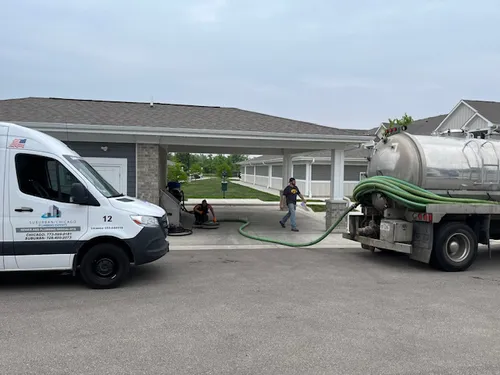
Chicago Plumbing Sewer and Drain Cleaning Experts
Chicago, IL
Chicago Plumbing Sewer and Drain Cleaning Experts is a licensed plumbing company serving Chicago, IL, and the surrounding Chicagoland area. Established in 1995, they provide residential and commercial plumbing services including septic tank pumping, sewer and drain cleaning, hydro jetting, and emergency plumbing. Their team is experienced with Chicago's unique plumbing challenges such as aging infrastructure and harsh winters. They offer 24/7 emergency service to address urgent issues like burst pipes and sewer backups promptly.

Mr. Rooter Plumbing of Cook County
30 Martin Ln, Elk Grove Village, IL 60007
Mr. Rooter Plumbing of Cook County is a licensed and insured plumbing company serving Chicago, IL. They provide a range of plumbing services including septic tank pumping, drain cleaning, plumbing repairs, water heater services, and gas line work. The company has been in business since 1970 and is known for its Neighborly Done Right Promise®, ensuring work is completed correctly the first time.
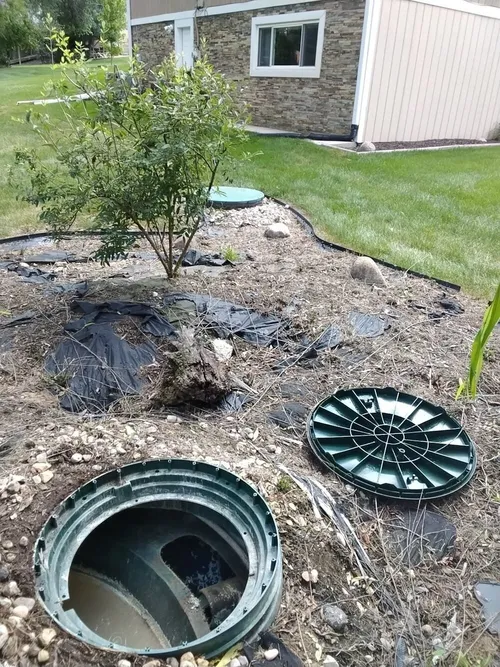
FreeFlow Environmental of Cook County
7030 Centennial Dr Suite 133, Tinley Park, IL 60477
FreeFlow Environmental of Cook County offers septic tank pumping and septic system repair services in Chicago, IL. They serve residential and commercial clients, addressing septic, sewer, and drainage issues with licensed and insured professionals. The company uses advanced technology for septic system repair, pumping, and sewer line cleaning, including no-dig sewer line repairs. Their services cover system maintenance, emergency repairs, and full restorations to ensure efficient operation and prevent backups. FreeFlow Environmental also emphasizes environmental stewardship in their work.
Understanding Your Septic System in Oak Park
A septic system is an on-site wastewater treatment structure, common in areas not served by municipal sewer lines. The septic tank is its primary component, where solids settle and begin to decompose. Over time, a layer of sludge builds up at the bottom of the tank. If not removed through regular pumping, this sludge can flow into the drain field, clogging the soil and causing system failure, sewage backups into the home, and groundwater pollution.
For a typical three-bedroom home in Oak Park, the Illinois Department of Public Health (IDPH) and local codes generally require a minimum septic tank capacity of 1,000 gallons. Proper maintenance of this system is not just a recommendation; it's essential for protecting your property value, your family's health, and the local environment.
Recommended Pumping Frequency & Inspection Schedule
How often you need to pump your septic tank depends primarily on your household size and your tank's capacity. Following the Illinois Environmental Protection Agency (IEPA) guidelines is the best practice for Oak Park residents.
General Guidelines for Oak Park Homes
- Annual Inspection: The Illinois EPA strongly recommends having your septic system inspected every year by a licensed professional. This inspection checks the sludge and scum levels, assesses the integrity of the tank and baffles, and ensures all components are functioning properly.
- Pumping Based on Inspection: The inspection will determine if pumping is needed. A common rule is to pump the tank when the sludge occupies about one-third of the tank's liquid capacity.
Pumping Schedule by Household Size
Based on average usage and standard tank sizes, here are general pumping intervals:
- Small Households (1-2 people): For a 1,000-gallon tank, pumping may be needed every 5 to 8 years.
- Average Households (3-4 people): This is the most common scenario. With a standard 1,000 to 1,500-gallon tank, pumping is typically required every 2 to 4 years.
- Large Households or Small Tanks (5+ people or tanks under 1,000 gallons): Increased wastewater volume fills the tank faster. Pumping may be necessary as often as every 1 to 2 years 1 2.
Important Note: These are estimates. Your actual schedule should be determined by a professional annual inspection. Garbage disposals, frequent laundry loads, and guests can also increase the frequency of required pumping.
Find the perfect septic tank pumping contractors for your needs
Get personalized recommendations and expert advice
What to Expect: The Cost of Septic Tank Pumping
The cost for septic tank cleaning in Oak Park varies based on several factors, but having a clear understanding of average prices helps in planning this essential maintenance.
Average Cost Range
For a standard residential pumping job, most Oak Park homeowners can expect to pay between $350 and $650. This typically includes labor, equipment use, and proper disposal of the waste at a licensed facility.
Cost Breakdown by Tank Size
- 1,000-Gallon Tank: The average cost to pump ranges from $250 to $700 3.
- 1,500-Gallon Tank: Pumping a larger tank averages $450 to $1,050 4.
Factors That Influence Price
Several variables can cause the final price to fall outside the average range:
- Tank Accessibility: Is the tank lid easily accessible, or is it buried under several feet of soil? Does the pumper truck need long hoses to reach the tank? Difficult access increases labor time and cost.
- Tank Condition & Solids Volume: Tanks that have not been pumped on schedule will have a higher volume of hardened sludge, which requires more time and effort to remove.
- Additional Services: The initial cost quote is usually for pumping only. If the inspection reveals issues like a damaged baffle, cracked lid, or a clogged outlet, repairs will be an additional charge.
The Professional Inspection Process
Hiring a licensed and certified professional for your annual inspection is non-negotiable. They comply with Illinois Department of Public Health (IDPH) standards and provide a thorough assessment 5 6. A comprehensive inspection includes:
- Locating and Opening the Tank: Finding the access lids and safely exposing them.
- Measuring Sludge and Scum Levels: Using specialized tools to measure the depth of the sludge layer at the bottom and the scum layer at the top. This determines if pumping is immediately necessary.
- Inspecting Tank Integrity: Checking for cracks, leaks, or corrosion in the tank itself.
- Checking Inlet/Outlet Baffles: Ensuring the baffles or tees are intact to prevent solids from exiting into the drain field.
- Assessing the Drain Field: Looking for signs of failure, such as soggy ground or unpleasant odors near the field.
Best Practices for Septic System Care
Proper daily use extends the life of your system and reduces the frequency of emergencies.
- Conserve Water: Fix leaky faucets and toilets promptly. Spread out laundry loads over the week instead of doing many loads in one day to avoid hydraulically overloading the tank.
- Mind What You Flush: Only human waste and toilet paper should go down the drain. The tank relies on bacteria to break down waste, and flushing chemicals or non-biodegradables kills these bacteria or adds to the sludge.
- Use a Trash Can, Not the Drain: Never flush feminine hygiene products, condoms, dental floss, diapers, wipes (even those labeled "flushable"), cigarette butts, or cat litter.
- Avoid Kitchen Grease and Harsh Chemicals: Pouring cooking oils or grease down the drain causes clogs. Minimize the use of bleach, antibacterial soaps, and strong drain cleaners, which can disrupt the bacterial balance in the tank 7.
Recognizing Signs You Need Service Sooner
Don't wait for a complete failure. Contact a professional if you notice:
- Slow drains or gurgling sounds from plumbing fixtures.
- Sewage odors in your yard or home.
- Unusually lush, green grass or soggy, wet soil over the drain field.
- Sewage backing up into household drains.
Addressing these warning signs quickly can prevent a minor issue from becoming a major, expensive repair.
Frequently asked questions
Sources
Footnotes
-
How Often to Pump a Septic Tank - Clear River Environmental - https://clearriverenvironmental.com/how-often-to-pump-a-septic-tank/ ↩
-
How Often Should You Pump Your Septic Tank? - https://tlsepticpumper.com/septic-system-education/how-often-pump-septic-tank/ ↩
-
How Much Does It Cost to Pump A Septic Tank in Chicago, IL? | Angi - https://www.angi.com/articles/how-much-does-septic-tank-pumping-cost/il/chicago ↩
-
How Much Does It Cost to Pump a Septic Tank? - https://dillonseptic.com/how-much-does-it-cost-to-pump-a-septic-tank/ ↩
-
Septic System Maintenance - Illinois EPA - https://epa.illinois.gov/topics/drinking-water/private-well-users/septic-system-maintenance.html ↩
-
Illinois Septic Tank Requirements - https://www.ntotank.com/blog/illinois-septic-tank-requirements ↩
-
Septic Tank Pumping Frequency: Crucial Maintenance Guide - https://septic911.com/septic-tank-pumping-frequency/ ↩