Find the Best Septic Tank Pumping Contractors for Your Business
No obligation • Fast responses • Nationwide coverage

Why you can trust Septic Spot
Septic Spot is a leading United States resource for understanding and comparing septic services. Our editors review providers using consistent criteria and verify key business details. Listings and scores are independent, and companies cannot pay to influence our content.
Search providers near you
Top Septic Tank Pumping Contractors in Skokie, Illinois Ranked
Maintaining your septic system is a crucial responsibility for any homeowner not connected to a municipal sewer line. Regular septic tank pumping is the most important service to prevent backups, costly repairs, and environmental contamination. This guide explains what septic tank cleaning involves, why it's essential for Skokie properties, and how you can find qualified local professionals to ensure your system operates safely and efficiently for years to come.

Suburban Plumbing Sewer Line and Drain Cleaning Experts
9100 Plainfield Rd Suite #9A, Brookfield, IL 60513
Suburban Plumbing Sewer Line and Drain Cleaning Experts is a full-service plumbing company serving Chicago, IL, and the greater Chicagoland area. They provide a wide range of services including septic tank pumping, inspections, repairs, and new system installations, as well as sewer line repairs, drain cleaning, water heater services, and flood control solutions. With over 30 years of experience, their licensed and insured technicians use advanced equipment like hydro jetting and sewer camera inspections to deliver effective plumbing solutions. The company offers 24/7 emergency plumbing services to address urgent issues promptly.
Chicago Plumbing Sewer and Drain Cleaning Experts
Chicago, IL
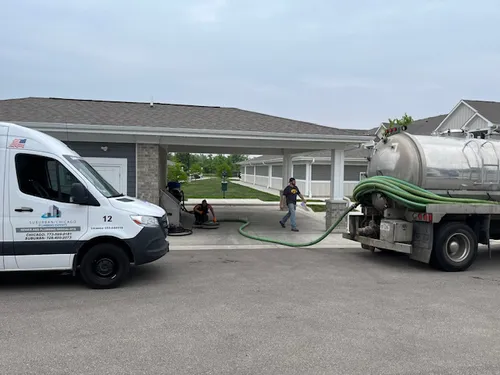
Chicago Plumbing Sewer and Drain Cleaning Experts is a licensed plumbing company serving Chicago, IL, and the surrounding Chicagoland area. Established in 1995, they provide residential and commercial plumbing services including septic tank pumping, sewer and drain cleaning, hydro jetting, and emergency plumbing. Their team is experienced with Chicago's unique plumbing challenges such as aging infrastructure and harsh winters. They offer 24/7 emergency service to address urgent issues like burst pipes and sewer backups promptly.

Mr. Rooter Plumbing of Cook County
30 Martin Ln, Elk Grove Village, IL 60007
Mr. Rooter Plumbing of Cook County is a licensed and insured plumbing company serving Chicago, IL. They provide a range of plumbing services including septic tank pumping, drain cleaning, plumbing repairs, water heater services, and gas line work. The company has been in business since 1970 and is known for its Neighborly Done Right Promise®, ensuring work is completed correctly the first time.
FreeFlow Environmental of Cook County
7030 Centennial Dr Suite 133, Tinley Park, IL 60477
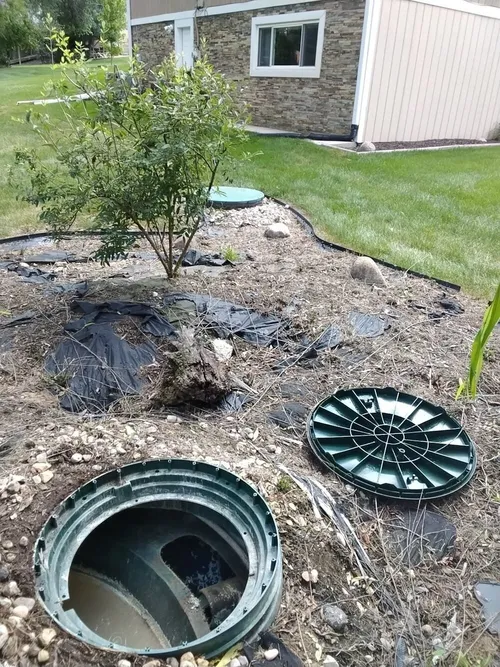
FreeFlow Environmental of Cook County offers septic tank pumping and septic system repair services in Chicago, IL. They serve residential and commercial clients, addressing septic, sewer, and drainage issues with licensed and insured professionals. The company uses advanced technology for septic system repair, pumping, and sewer line cleaning, including no-dig sewer line repairs. Their services cover system maintenance, emergency repairs, and full restorations to ensure efficient operation and prevent backups. FreeFlow Environmental also emphasizes environmental stewardship in their work.
Weidner's Septic Service Inc.
Chicago, IL
Weidner's Septic Service Inc. provides septic tank pumping, inspection, repair, and pump replacement services in Chicago, IL. The company handles septic system maintenance and emergency repairs, including pump replacements, with attention to keeping job sites clean and providing helpful advice for system upkeep. Customers have noted their responsiveness and professionalism in addressing septic issues promptly.
Understanding Your Septic System
A septic system is an on-site wastewater treatment structure, commonly used in areas without centralized sewer systems. It consists of two main parts: the septic tank and the drainfield (or leach field). All household wastewater flows into the septic tank, where solids settle to the bottom as sludge, and fats and oils float to the top as scum. The liquid effluent in the middle layer then flows out to the drainfield, where it is filtered through the soil. Over time, the sludge and scum layers accumulate. If they are not removed through regular pumping, they can overflow into the drainfield, causing system failure, sewage backups into your home, and groundwater pollution.
Why Regular Pumping is Non-Negotiable
Skipping routine septic maintenance is a gamble with high stakes. A failing system is not just an inconvenience; it's a health hazard and a significant financial burden. When solids clog the drainfield, the entire system can shut down, leading to soggy, foul-smelling yards and untreated sewage surfacing. Repairing or replacing a drainfield often costs tens of thousands of dollars, far exceeding the few hundred dollars required for preventative pumping 1. In Skokie and across Illinois, proper maintenance also protects local water quality, including groundwater that may supply private wells 2.
Recommended Pumping Frequency for Skokie Homes
How often you need to schedule septic tank pumping depends on several factors. The general guideline for a typical family of four in Illinois is every 2 to 3 years 3. However, this is an average. Your specific schedule may vary based on:
- Tank Size: A smaller tank (e.g., 1,000 gallons) will fill with solids faster than a larger one (e.g., 1,500 gallons).
- Household Size and Water Usage: More people in the home generate more wastewater and solid waste, accelerating accumulation.
- Garbage Disposal Use: Using a garbage disposal significantly increases the amount of solids entering the tank, requiring more frequent pumping.
- System Type: Some alternative systems with aerators or advanced treatment components may require more frequent, sometimes annual, maintenance visits 4 5 6.
The only way to know for sure is through an annual inspection, where a professional measures the sludge and scum layers.
The Professional Pumping and Inspection Process
Hiring a licensed and bonded septic professional is not just a recommendation; in many cases, it's a requirement to ensure the work meets Illinois standards. Here's what a comprehensive service should include:
- Locating and Uncovering the Tank: The technician will find your tank's access lids and excavate the soil covering them.
- Initial Inspection: Before pumping, they may check the sludge and scum levels to confirm pumping is needed and note the condition of baffles and tees.
- Pumping: Using a large tank truck, all contents (sludge, scum, and effluent) are vacuumed from the tank. A thorough job ensures all solids are removed.
- System Inspection: After the tank is empty, a proper inspection can be performed. The professional should inspect the tank's interior for cracks, check the inlet and outlet baffles for blockages or damage, and assess the drainfield for signs of failure.
- Cleanup and Reporting: The access area is closed up, and any disturbed ground is leveled. You should receive a report detailing the services performed, the condition of your system, and any recommended repairs or the next due date for pumping.
Find the perfect septic tank pumping contractors for your needs
Get personalized recommendations and expert advice
Costs of Septic Tank Pumping in Skokie
The cost for septic tank pumping in the Skokie area typically ranges from $250 to $1,2507 8 9. Several key factors influence the final price:
- Tank Size and Volume: Pumping a standard 1,000-gallon tank is generally less expensive than a 1,500-gallon or larger tank.
- Accessibility: If the tank lids are buried deep, require extensive digging to uncover, or are located far from where the truck can park, labor costs will increase.
- Condition of the Tank: Tanks that are overly full or have hardened sludge may require additional time or effort to pump completely.
- Additional Services: Many companies offer bundled services. The cost may be higher if it includes cleaning the effluent filter, a full system inspection, or minor repairs. Always ask for a detailed quote that breaks down these costs.
Illinois and Local Regulations Homeowners Should Know
Septic systems in Illinois are governed by the Illinois Department of Public Health (IDPH) Private Sewage Disposal Code. This code sets standards for installation, inspection, and maintenance. Key regulations for homeowners include:
- Licensed Professionals: Any person who cleans, pumps, or repairs septic tanks in Illinois must be licensed by the IDPH.
- Abandonment Procedures: If your home connects to a new municipal sewer line, your old septic tank must be properly abandoned. This involves having it pumped out by a licensed contractor and then either removed or filled with a solid material like gravel or concrete to prevent collapse 10.
- Local Health Department Oversight: The Cook County Department of Public Health often enforces state regulations and may have additional local ordinances regarding system inspections, especially during property transfers. It's advisable to check with them for any specific reporting requirements 11.
Maintaining Your System Between Pumpings
Professional pumping is the cornerstone of maintenance, but what you do daily has a major impact. Follow these best practices to extend your system's life:
- Conserve Water: Fix leaky faucets and toilets, and spread out laundry loads to avoid overwhelming the system.
- Mind What You Flush: Only human waste and toilet paper should go down the drain. Never flush wipes (even "flushable" ones), feminine hygiene products, dental floss, diapers, or cat litter.
- Use the Trash Can, Not the Drain: Avoid using your garbage disposal excessively. Dispose of cooking grease, coffee grounds, and food scraps in the trash.
- Protect Your Drainfield: Never park vehicles or build structures over the drainfield. Keep roof drains and sump pumps directed away from it.
Signs Your Septic Tank Needs Immediate Attention
Don't wait for a complete failure. Contact a septic professional if you notice any of these warning signs:
- Slow Drains: Sinks, showers, and toilets that drain slowly, especially if gurgling is involved.
- Unpleasant Odors: Sewage smells inside your home or around the yard near the tank or drainfield.
- Soggy Lawn: Unusually wet, spongy, or bright green grass over the drainfield, even during dry weather.
- Sewage Backup: The most severe sign-wastewater backing up into household drains.
Frequently asked questions
Sources
Footnotes
-
Septic System Maintenance - Illinois Extension - https://extension.illinois.edu/septic-systems/septic-system-maintenance ↩
-
Septic System Maintenance - Illinois EPA - https://epa.illinois.gov/topics/drinking-water/private-well-users/septic-system-maintenance.html ↩
-
septic-systems.pdf - Illinois Environmental Protection Agency - https://epa.illinois.gov/content/dam/soi/en/web/epa/documents/water/conservation/lake-notes/septic-systems.pdf ↩
-
Illinois Septic Tank Requirements - https://www.ntotank.com/blog/illinois-septic-tank-requirements ↩
-
5 Factors for Septic Tank Pumping Frequency - https://www.wrenvironmental.com/blog/2025/november/5-key-factors-that-influence-septic-pumping-freq/ ↩
-
How Often Should You Get Your Septic Tank Pumped? - https://www.coastalsepticsolutions.com/blog/how-often-should-you-get-your-septic-tank-pumped ↩
-
How Much Does It Cost to Pump A Septic Tank in Chicago, IL? | Angi - https://www.angi.com/articles/how-much-does-septic-tank-pumping-cost/il/chicago ↩
-
How much does it cost to get a septic tank pumped out? - Reddit - https://www.reddit.com/r/homeowners/comments/1nyn7a4/how_much_does_it_cost_to_get_a_septic_tank_pumped/ ↩
-
Septic Tank Pumping Cost: Guide & Pricing in 2025 - Splash Plumbing - https://www.splashplumbing.com/how-much-does-it-cost-to-pump-septic-tank-understanding-pricing-and-factors-involved/ ↩
-
Ill. Admin. Code tit. 77, § 905.40 - Septic Tanks | State Regulations - https://www.law.cornell.edu/regulations/illinois/Ill-Admin-Code-tit-77-SS-905.40 ↩
-
Private Sewage Disposal - Illinois Department of Public Health - https://dph.illinois.gov/topics-services/environmental-health-protection/private-sewage-disposal.html ↩