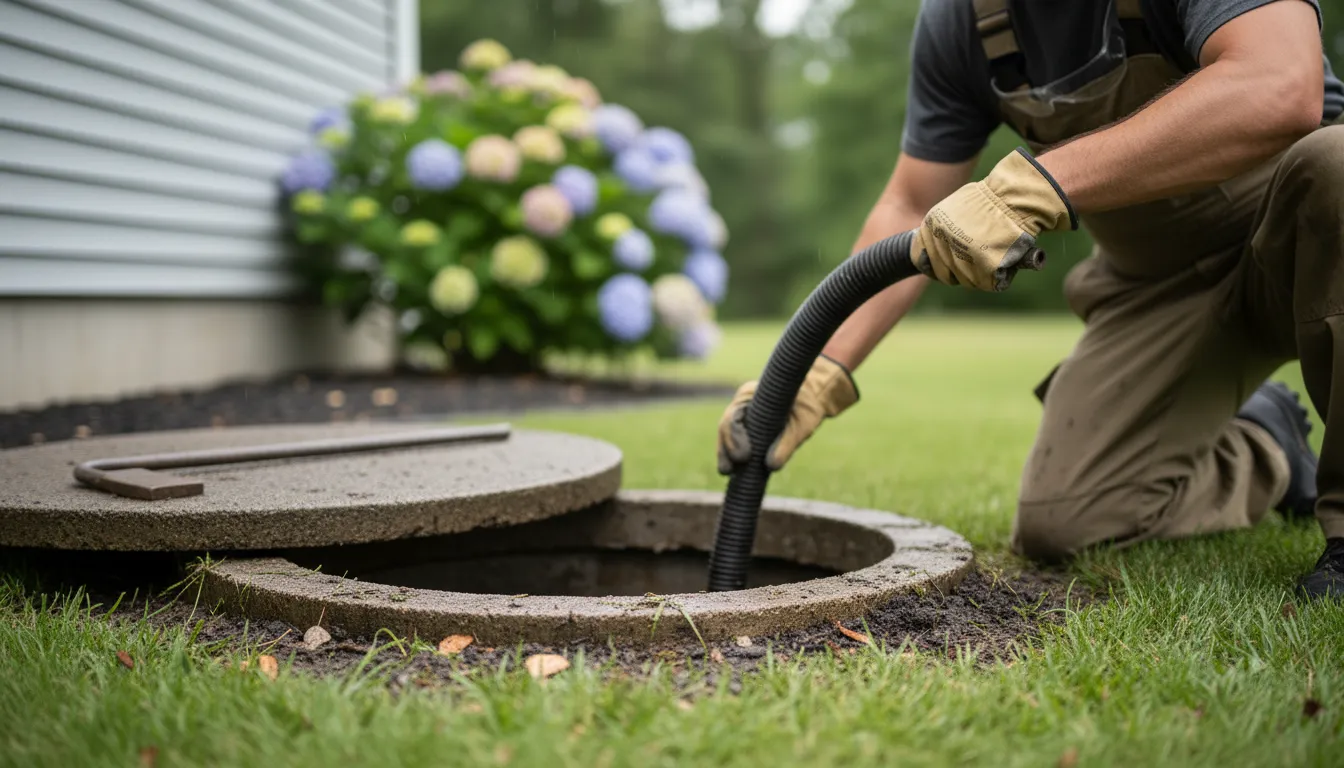
Find the Best Septic Tank Pumping Contractors for Your Business
No obligation • Fast responses • Nationwide coverage

Why you can trust Septic Spot
Septic Spot is a leading United States resource for understanding and comparing septic services. Our editors review providers using consistent criteria and verify key business details. Listings and scores are independent, and companies cannot pay to influence our content.
Search providers near you
Top Septic Tank Pumping Contractors in Tinley Park, Illinois Ranked
Maintaining your septic system is a critical responsibility for any Tinley Park homeowner not connected to a municipal sewer line. Septic tank pumping is the essential process of removing accumulated sludge and scum from your tank to prevent system failure, environmental contamination, and costly repairs. This guide will help you understand the local requirements, typical costs, and best practices for finding a qualified professional to handle your septic service needs.
Suburban Plumbing Sewer Line and Drain Cleaning Experts
9100 Plainfield Rd Suite #9A, Brookfield, IL 60513
Suburban Plumbing Sewer Line and Drain Cleaning Experts is a full-service plumbing company serving Chicago, IL, and the greater Chicagoland area. They provide a wide range of services including septic tank pumping, inspections, repairs, and new system installations, as well as sewer line repairs, drain cleaning, water heater services, and flood control solutions. With over 30 years of experience, their licensed and insured technicians use advanced equipment like hydro jetting and sewer camera inspections to deliver effective plumbing solutions. The company offers 24/7 emergency plumbing services to address urgent issues promptly.
Feikema Plumbing & Sanitation
1854 Ridge Rd, Munster, IN 46321
Feikema Plumbing & Sanitation is a family-owned business based in Munster, IN, serving the Chicago, IL area with plumbing and septic system services. Established in 1956, they offer a wide range of solutions including septic tank pumping, septic system repairs, drain cleaning, water heater installation, and sewer maintenance. Their expertise includes advanced diagnostics using sewer cameras and modern rodding tools. With over 60 years of experience, Feikema Plumbing & Sanitation combines local community focus with licensed, bonded, and insured service.
Midwest Septic and Drain Inc.
503 Davy Ln, Wilmington, IL 60481
Midwest Septic and Drain Inc. is a septic service provider located near Joliet, IL. They offer septic tank installation, pumping, and repair services. The company serves multiple counties including Will, Cook, Grundy, Kendall, and Kankakee. Midwest Septic and Drain Inc. handles a range of septic system needs, focusing on installation and maintenance to ensure proper function.
Dynamic Septic Service
18600 Rte 59, Shorewood, IL 60404
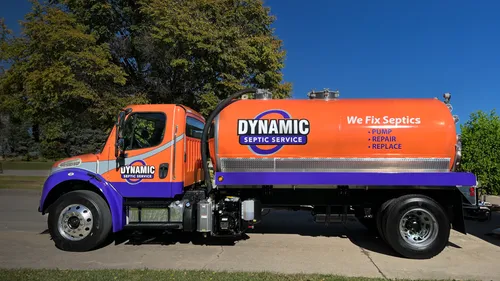
Dynamic Septic Service is a locally owned company based in Shorewood, Illinois, providing septic pumping, inspection, repair, and installation services in Chicago, IL, and surrounding counties including Will, DuPage, Cook, Kendall, Grundy, and Kankakee. With over 30 years of hands-on experience, they specialize in diagnosing septic system issues and offering clear options for repair or replacement. Their expertise includes routine pumping and complex system repairs, ensuring long-term functionality of septic systems.
Chicago Plumbing Sewer and Drain Cleaning Experts
Chicago, IL
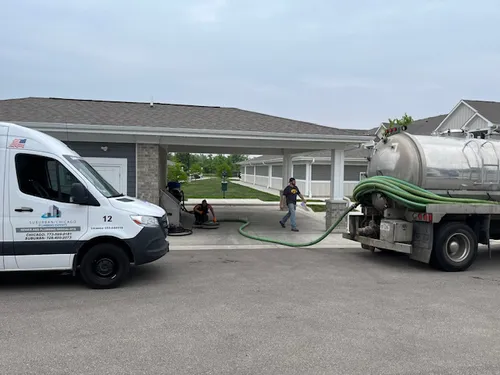
Chicago Plumbing Sewer and Drain Cleaning Experts is a licensed plumbing company serving Chicago, IL, and the surrounding Chicagoland area. Established in 1995, they provide residential and commercial plumbing services including septic tank pumping, sewer and drain cleaning, hydro jetting, and emergency plumbing. Their team is experienced with Chicago's unique plumbing challenges such as aging infrastructure and harsh winters. They offer 24/7 emergency service to address urgent issues like burst pipes and sewer backups promptly.
Understanding Your Septic System and Why Pumping is Crucial
A septic system is an on-site wastewater treatment structure, typically consisting of a tank and a drain field. When wastewater from your home enters the tank, solids settle to the bottom as sludge, fats and oils float to the top as scum, and the partially treated liquid effluent flows out to the drain field. Over time, the sludge and scum layers build up. If they aren't removed through regular septic tank cleaning, they can overflow into the drain field, causing clogs, sewage backups into your home, and groundwater pollution. Regular pumping is the most important maintenance task to protect your property and public health 1.
Local Regulations and Recommended Pumping Frequency in Tinley Park
In Illinois, septic systems are regulated by the Illinois Department of Public Health (IDPH) and local county health departments under the Illinois Administrative Code 2. These regulations are designed to protect water quality and ensure systems function properly.
For Tinley Park residents, the standard guidance is to have your septic tank serviced every 3 to 5 years. However, this is a general rule, and the ideal interval for your home depends on several key factors:
- Household Size: More people generate more wastewater and solids. A family of four using a standard 1,000-gallon tank may need pumping approximately every 2.5 years 3.
- Tank Size: Smaller tanks fill up faster than larger ones.
- Total Wastewater Generated: High water usage from laundry, long showers, or frequent use of a garbage disposal accelerates sludge buildup. Homes with garbage disposals often require more frequent septic system maintenance.
- Volume of Solids: The type and amount of solids entering the system directly impact how quickly the tank fills.
The Illinois EPA and local health authorities strongly recommend an annual inspection of your tank to monitor sludge and scum levels and check the integrity of baffles and tees 4. This inspection will tell you precisely when pumping is needed, moving you from a guesswork schedule to a condition-based plan.
What to Expect: The Septic Pumping Process
Knowing what happens during a pump-out can help you prepare and ensure the job is done correctly. A standard septic tank pumping service involves several key steps:
- Locating and Uncovering the Tank: The service technician will locate your tank's access lids (manholes) and dig down to expose them.
- Inspecting the System: Before pumping, a reputable professional will inspect the tank's inlet and outlet baffles, look for cracks or leaks, and assess the sludge and scum levels. This is a vital part of the overall septic system inspection.
- Pumping the Tank: Using a large tank truck (vacuum truck), the technician will insert a hose and remove all the contents-sludge, scum, and liquid-from your tank. It is crucial that the provider is licensed to perform this waste removal in compliance with Illinois law 5.
- System Check and Cleanup: After pumping, the technician may briefly run water from your home to check flow from the tank to the drain field. Finally, they will replace the lids and backfill the area, leaving your property tidy.
Homeowners should note the location of their tank for easy future access and keep detailed records of all inspections, pumping, and repairs for compliance and resale purposes.
Cost of Septic Tank Pumping in Tinley Park
The cost for septic tank emptying in the Tinley Park area typically ranges from $300 to $6006. This price can vary based on:
- Tank Size and Accessibility: Larger tanks cost more to pump. Difficult access (e.g., tanks under decks or far from the driveway) may incur additional charges.
- Condition of the Tank: If the lids are buried deep or the tank requires extra digging to access, labor costs will increase.
- Additional Services: Many companies offer bundled services. You might pay more for a full septic system inspection or minor repairs at the time of pumping, but this can be more cost-effective than scheduling separate visits.
Always get written estimates from a few licensed providers. The lowest price isn't always the best value; ensure the quote includes a full pump-out (not just the liquid layer) and a basic inspection.
Find the perfect septic tank pumping contractors for your needs
Get personalized recommendations and expert advice
How to Choose a Qualified Septic Service Provider
Selecting the right professional is essential. Look for a company that is:
- Licensed and Insured: Verify the company holds a current license from the Illinois Department of Public Health or relevant local authority and carries proper liability insurance 7.
- Experienced and Knowledgeable: Choose a provider familiar with Tinley Park and Cook County regulations who can answer your questions clearly.
- Reputable: Check online reviews and ask for references from neighbors who also use septic systems.
- Transparent: They should provide a clear, detailed estimate and explain exactly what services are included.
A trustworthy professional will focus on proper maintenance and education, not just performing the immediate task.
Signs Your Septic Tank Needs Immediate Attention
Don't wait for a full-blown emergency. Contact a septic pumping professional if you notice any of these warning signs:
- Slow Drains: Sinks, showers, and toilets that drain slowly throughout the house.
- Sewage Odors: Unpleasant smells around the tank or drain field area, or even inside your home.
- Gurgling Sounds: Strange gurgling noises coming from your plumbing.
- Wet, Spongy Yard: Soggy ground or standing water over the drain field, especially if it smells foul.
- Sewage Backup: The most severe sign-wastewater backing up into household drains.
If you experience a backup, avoid using any water in your home and call a service provider immediately 8.
Maintaining Your System Between Pumpings
Proper care extends the life of your system and stretches the time between necessary pump-outs. Key maintenance tips include:
- Conserve Water: Fix leaks and spread out laundry loads to avoid overwhelming the system.
- Mind What You Flush: Only flush human waste and toilet paper. Never flush wipes (even "flushable" ones), feminine hygiene products, diapers, grease, or chemicals.
- Use Garbage Disposals Sparingly: They significantly increase the solid load in your tank. Consider composting food scraps instead 9.
- Protect Your Drain Field: Never park vehicles or build structures over it. Plant only grass over the area, as tree roots can cause severe damage.
By following these guidelines and adhering to a regular inspection and pumping schedule, you can ensure your septic system operates reliably for decades.
Frequently asked questions
Sources
Footnotes
-
septic-systems.pdf - Illinois Environmental Protection Agency - https://epa.illinois.gov/content/dam/soi/en/web/epa/documents/water/conservation/lake-notes/septic-systems.pdf ↩
-
Private Sewage Disposal - Illinois Department of Public Health - https://dph.illinois.gov/topics-services/environmental-health-protection/private-sewage-disposal.html ↩
-
HOW OFTEN SHOULD YOU BE PUMPING YOUR SEPTIC TANK? - https://www.sandiegocounty.gov/content/dam/sdc/dpw/WATERSHED_PROTECTION_PROGRAM/WatershedRebates/SRP/PDF/Chart-Septic-Large.pdf ↩
-
Septic System Maintenance - Illinois EPA - https://epa.illinois.gov/topics/drinking-water/private-well-users/septic-system-maintenance.html ↩
-
Ill. Admin. Code tit. 77, § 905.40 - Septic Tanks | State Regulations - https://www.law.cornell.edu/regulations/illinois/Ill-Admin-Code-tit-77-SS-905.40 ↩
-
How Much Does Septic Tank Pumping Cost in Illinois? - https://suburbanplumbingexperts.com/how-much-does-septic-tank-pumping-cost-in-illinois/ ↩
-
Illinois Septic Tank Requirements - https://www.ntotank.com/blog/illinois-septic-tank-requirements ↩
-
When to Pump Your Septic Tank | Roto-Rooter - https://www.rotorooter.com/blog/outdoor-plumbing/5-signs-its-time-to-call-your-septic-pumping-service/ ↩
-
Septic System Maintenance - Illinois Extension - https://extension.illinois.edu/septic-systems/septic-system-maintenance ↩