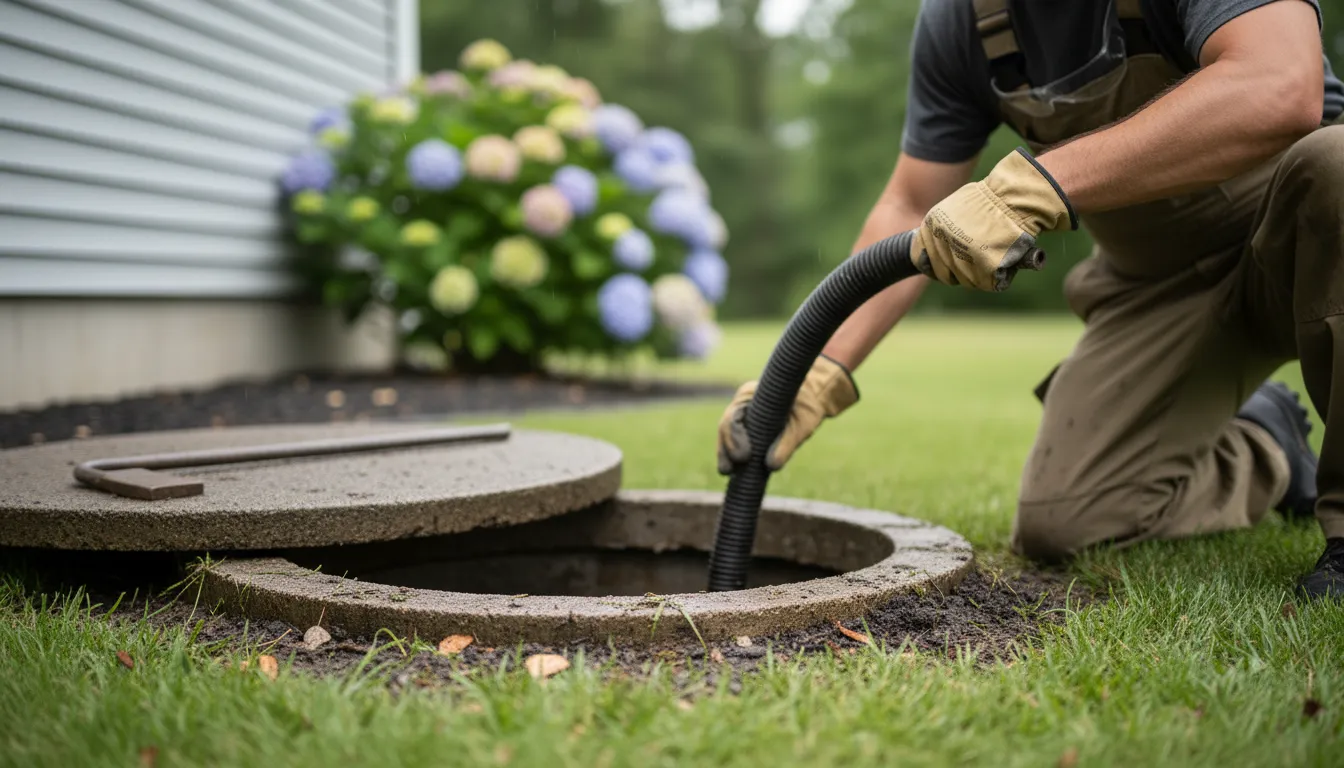
Find the Best Septic Tank Pumping Contractors for Your Business
No obligation • Fast responses • Nationwide coverage

Why you can trust Septic Spot
Septic Spot is a leading United States resource for understanding and comparing septic services. Our editors review providers using consistent criteria and verify key business details. Listings and scores are independent, and companies cannot pay to influence our content.
Search providers near you
Top Septic Tank Pumping Contractors in Waukegan, Illinois Ranked
Maintaining your septic system is a crucial responsibility for any homeowner not connected to a municipal sewer line. Septic tank pumping, also known as septic tank cleaning or septic tank servicing, is the essential process of removing accumulated solids from your tank to prevent system failure, backups, and costly environmental damage. For residents of Waukegan and surrounding Lake County, understanding local regulations, recommended schedules, and best practices is key to protecting your property and our local groundwater. This guide provides the information you need to make informed decisions about septic system maintenance and connect with qualified local professionals for this vital service.

Mr. Rooter Plumbing of Cook County
30 Martin Ln, Elk Grove Village, IL 60007
Mr. Rooter Plumbing of Cook County is a licensed and insured plumbing company serving Chicago, IL. They provide a range of plumbing services including septic tank pumping, drain cleaning, plumbing repairs, water heater services, and gas line work. The company has been in business since 1970 and is known for its Neighborly Done Right Promise®, ensuring work is completed correctly the first time.
Weidner's Septic Service Inc.
Chicago, IL
Weidner's Septic Service Inc. provides septic tank pumping, inspection, repair, and pump replacement services in Chicago, IL. The company handles septic system maintenance and emergency repairs, including pump replacements, with attention to keeping job sites clean and providing helpful advice for system upkeep. Customers have noted their responsiveness and professionalism in addressing septic issues promptly.
Why Regular Septic Pumping is Non-Negotiable
Your septic system is a silent workhorse, treating all the wastewater from your home. Over time, solids (sludge) settle at the bottom of the tank, and lighter materials (scum) float to the top. The clear liquid in the middle flows out to the drain field. If the sludge and scum layers become too thick, they can flow into and clog the drain field, leading to system failure. Symptoms include slow drains, sewage backups into your home, and soggy, foul-smelling areas in your yard. A full septic system replacement can cost tens of thousands of dollars, making regular pumping a wise and necessary investment 1.
In Waukegan, this maintenance is not just a recommendation-it's often a requirement. The Lake County Health Department oversees onsite wastewater treatment systems and mandates that pumping be performed by a licensed contractor 2. This ensures the job is done correctly, waste is disposed of properly at a licensed facility, and your system records are maintained for compliance and future home sales.
Recommended Pumping Frequency for Waukegan Homes
How often you need to schedule septic tank cleaning depends on several household factors. A one-size-fits-all schedule doesn't exist, but local guidelines provide a strong starting point.
- Average Household: For a typical family of four in Waukegan, the general guideline is to pump the septic tank every 2 to 3 years.
- High-Usage Households: If your household size is larger, you use a garbage disposal frequently, or you generate more wastewater, you should plan for more frequent service. In these cases, pumping every 1 to 3 years is advisable.
- System Size Rule of Thumb: A useful general rule is to pump once for every 1,000 gallons of tank capacity. For example, a 1,500-gallon tank serving a family of four would typically need pumping every 3-4 years 3.
The only way to know for sure is through an inspection. A professional can measure the sludge and scum layers to determine if pumping is needed, helping you avoid unnecessary service or, worse, overdue maintenance.
The Importance of Professional Inspections
Scheduling a routine inspection is just as important as the pumping itself. A comprehensive septic system inspection should check:
- Sludge and Scum Levels: Measuring these layers determines the exact need for pumping.
- Tank Integrity: Checking for cracks, leaks, or corrosion.
- Baffles and Outlets: Ensuring inlet and outlet baffles are intact to prevent solids from escaping into the drain field. The Illinois EPA specifically recommends annual inspections of baffles 4.
- Drain Field: Assessing for signs of failure, such as surfacing effluent or overly lush grass.
These inspections catch small problems before they become expensive disasters and provide the documentation required by Lake County.
Find the perfect septic tank pumping contractors for your needs
Get personalized recommendations and expert advice
Understanding Costs for Septic Service in Lake County
The cost for septic tank pumping in the Waukegan area typically ranges from $300 to $600 5 6. Several factors influence the final price:
- Tank Size and Accessibility: Larger tanks cost more to pump. Easy access with a clear path for the pump truck keeps costs down.
- Condition of the Tank: If pumping has been delayed for many years (e.g., more than 7 years), the extra labor and time required for a heavily sludge-filled tank can add $100 to $200 to the bill 7.
- Additional Services: Costs will be higher if the inspection reveals needed repairs, such as replacing a baffle or repairing a damaged lid.
While price is a consideration, the most critical factor is hiring a licensed, insured, and reputable contractor. They will provide proper waste disposal and accurate records for your files.
Best Practices for Septic System Care
Pumping is the cornerstone of maintenance, but your daily habits significantly impact your system's health and how often it needs service.
- Conserve Water: Fix leaky toilets and faucets promptly. Spread out laundry loads over the week instead of doing many loads in one day.
- Mind What You Flush: Only human waste and toilet paper should go down the drain. Never flush wipes (even "flushable" ones), feminine hygiene products, dental floss, or chemicals.
- Use Garbage Disposals Sparingly: If you have a disposal, use it minimally. Food waste significantly increases solids in the tank, requiring more frequent pumping 8. Consider composting food scraps instead.
- Protect Your Drain Field: Never park vehicles or place heavy structures on the drain field. Divert roof drains and surface water away from the area to prevent saturation 9.
- Keep Detailed Records: Maintain a file with all inspection reports, pumping receipts, and system diagrams. This is invaluable for troubleshooting and is often required during property transfers.
Signs Your System Needs Immediate Attention
Don't wait for your scheduled maintenance if you notice any of these warning signs:
- Slow drains or gurgling pipes throughout the house.
- Sewage backups in toilets, showers, or sinks.
- Unpleasant odors around the septic tank or drain field.
- Exceptionally green, soggy, or spongy grass over the drain field, especially when it hasn't rained.
- Standing water or surfacing sewage in your yard.
If you observe any of these, contact a licensed septic professional in Waukegan immediately to assess the situation.
Frequently asked questions
Sources
Footnotes
-
septic-systems.pdf - Illinois Environmental Protection Agency - https://epa.illinois.gov/content/dam/soi/en/web/epa/documents/water/conservation/lake-notes/septic-systems.pdf ↩
-
Illinois Septic Tank Requirements - https://www.ntotank.com/blog/illinois-septic-tank-requirements ↩
-
5 Factors for Septic Tank Pumping Frequency - https://www.wrenvironmental.com/blog/2025/november/5-key-factors-that-influence-septic-pumping-freq/ ↩
-
Onsite Wastewater Treatment System - Lake County, Illinois - https://www.lakecountyil.gov/818/Onsite-Wastewater-Treatment-System ↩
-
Understanding the Average Cost to Pump a Septic Tank - https://www.scorpionsepticservices.com/blog/understanding-the-average-cost-to-pump-a-septic-tank ↩
-
Understanding the Average Cost to Pump a Septic Tank - https://www.septicblue.com/understanding-the-average-cost-to-pump-a-septic-tank ↩
-
Septic Pumping Cost by State: 2024 Complete Price Guide - https://wastedoor.com/article/septic-pumping-cost-by-state ↩
-
How Often Should I Pump Out My Septic Tank? - https://cms2.revize.com/revize/westportma/Documents/Departments/Health/Forms%20And%20Resources/how_often_should_i_pump_out_my_septic_tank_2.pdf?t=202508080914340&t=202508080914340 ↩
-
Maintaining Your POWTS (Septic System) - DSPS - https://dsps.wi.gov/Documents/Programs/POWTS/POWTSMaintenanceBrochure.pdf ↩