Find the Best Septic Tank Pumping Contractors for Your Business
No obligation • Fast responses • Nationwide coverage

Why you can trust Septic Spot
Septic Spot is a leading United States resource for understanding and comparing septic services. Our editors review providers using consistent criteria and verify key business details. Listings and scores are independent, and companies cannot pay to influence our content.
Search providers near you
Top Septic Tank Pumping Contractors in Ann Arbor, Michigan Ranked
Maintaining your septic system is a critical responsibility for homeowners not connected to a municipal sewer line. Regular septic tank pumping is the cornerstone of this maintenance, preventing costly and unpleasant system failures. This guide explains why this service is essential, how often you should schedule it in Ann Arbor, what to expect during the process, and how to find qualified local professionals to keep your system functioning properly for years to come.
Bolton Septic
Ann Arbor, MI
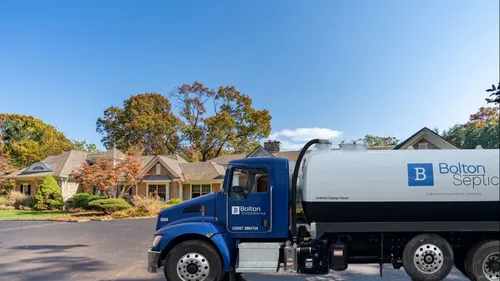
Bolton Septic is a full-service septic company serving Ann Arbor, MI, and surrounding counties including Oakland, Livingston, Wayne, and Washtenaw. Established in 1967, Bolton Septic offers septic tank pumping, inspection, and maintenance for residential and commercial properties. They emphasize preventative maintenance to extend the life of septic systems and provide licensed professionals to inspect and evaluate tanks during service. Bolton Septic is part of the Bolton Environmental Family, combining over 200 years of experience to support a wide range of septic needs.
Patrick Esper Septic
Lansing, MI
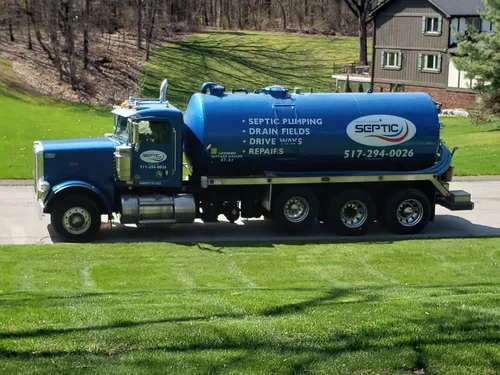
Patrick Esper Septic is a septic service provider located in Lansing, MI. They offer a range of services including septic tank pumping, system repairs, and installation of septic tanks and drain fields. Their capabilities include effluent pump repair and drain field replacement, as well as engineered septic services and community system installation. The company also provides excavation, grading, and land clearing services related to septic system projects.
Hartmans Septic LLC
Lansing, MI
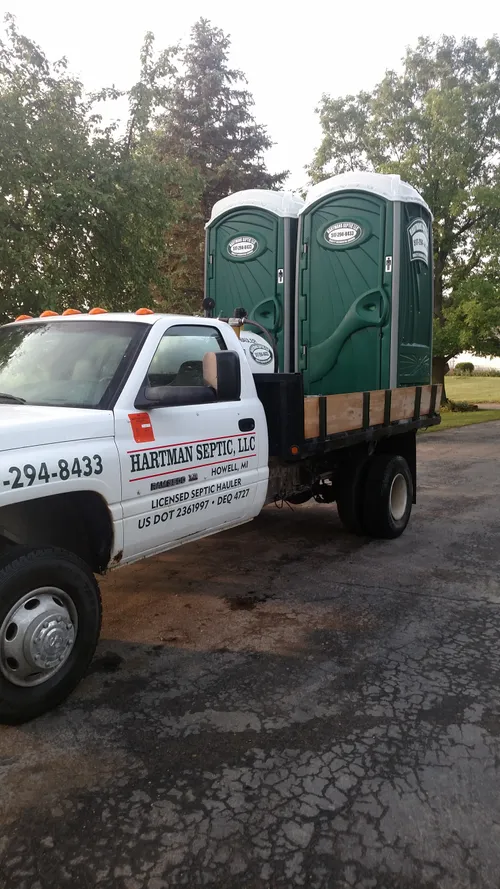
Hartmans Septic LLC is a locally owned septic service provider based in Lansing, MI, serving Howell and surrounding areas. The company offers septic tank pumping, minor septic system repairs, and portable restroom rentals for events and construction sites. With over 20 years of experience, Hartmans Septic LLC focuses on maintaining efficient septic systems and preventing costly damage through regular cleaning and timely repairs.
Howell Sanitary Co
5205 Pinckney Rd, Howell, MI 48843
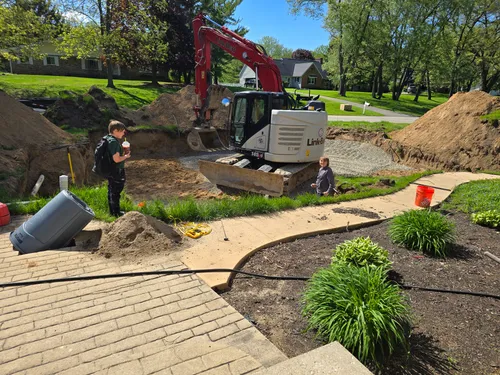
Howell Sanitary Co provides a range of septic system services in Lansing, MI. Their offerings include septic tank pumping, inspections, repairs, and new installations, as well as septic field repairs and replacements. They also handle septic tank riser installation, effluent filter cleaning, and various types of septic fields such as conventional, elevated, and trench systems. Additional services include excavating, driveway grading, and land clearing.
Howell Sanitary Co. II
Lansing, MI
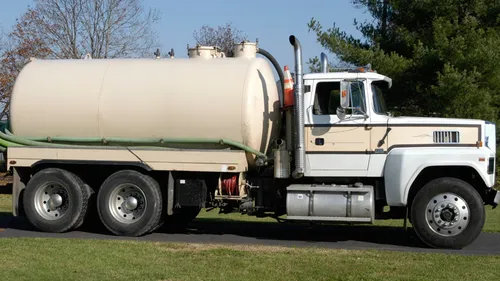
Howell Sanitary Co. II provides a range of septic system services in Lansing, MI. Their offerings include septic tank pumping, inspections, repairs, and new installations. They also handle septic field repairs and replacements, with expertise in various field types such as conventional, elevated, dry wells, bed, and trench systems. Additional capabilities include septic tank riser installation, effluent filter cleaning, excavating, driveway grading, and land clearing.
Why Regular Septic System Maintenance is Non-Negotiable
A septic system is an on-site wastewater treatment plant for your home. When it works correctly, you rarely think about it. When it fails, it can lead to sewage backups in your home, foul odors, and contamination of your property and local groundwater. The single most important preventative measure you can take is having the solids (sludge and scum) pumped out of the tank on a consistent schedule. This pumping prevents those solids from flowing into and clogging the drainfield, which is the most common and expensive type of septic failure to repair.
In Ann Arbor and surrounding Washtenaw County, protecting groundwater is a shared community priority. A malfunctioning septic system can leach harmful bacteria and nutrients into the environment. By adhering to a regular septic service schedule, you're not only protecting your investment but also contributing to the health of the local watershed.
Recommended Pumping Frequency for Ann Arbor Homes
How often should you have your tank pumped? While a general rule exists, the right schedule for your home depends on several factors.
- Standard Guideline: For most households in Michigan, septic tanks should be pumped every 3 to 5 years. This is the baseline recommendation from local health departments.
- Household Size & Tank Capacity: A family of six will fill a tank much faster than a couple. Similarly, a home with a 1,000-gallon tank will need service more often than one with a 1,500-gallon tank. High-use households or those with smaller tanks may need pumping every 1-2 years.
- System Type: Standard gravity systems are the most common. However, if your property has a mound system, pressure distribution system, or any setup with pumps, electrical switches, or advanced treatment components, it will require more frequent inspection and maintenance, which often coincides with pumping.
- The Key Indicator: Ultimately, pumping is necessary when the combined sludge and scum layer in your tank threatens to exit into the drainfield. A professional inspection is the best way to measure this1.
Find the perfect septic tank pumping contractors for your needs
Get personalized recommendations and expert advice
What to Expect During a Professional Pumping Service
A full septic pumping service involves more than just removing waste. Here's what a reputable provider will typically do:
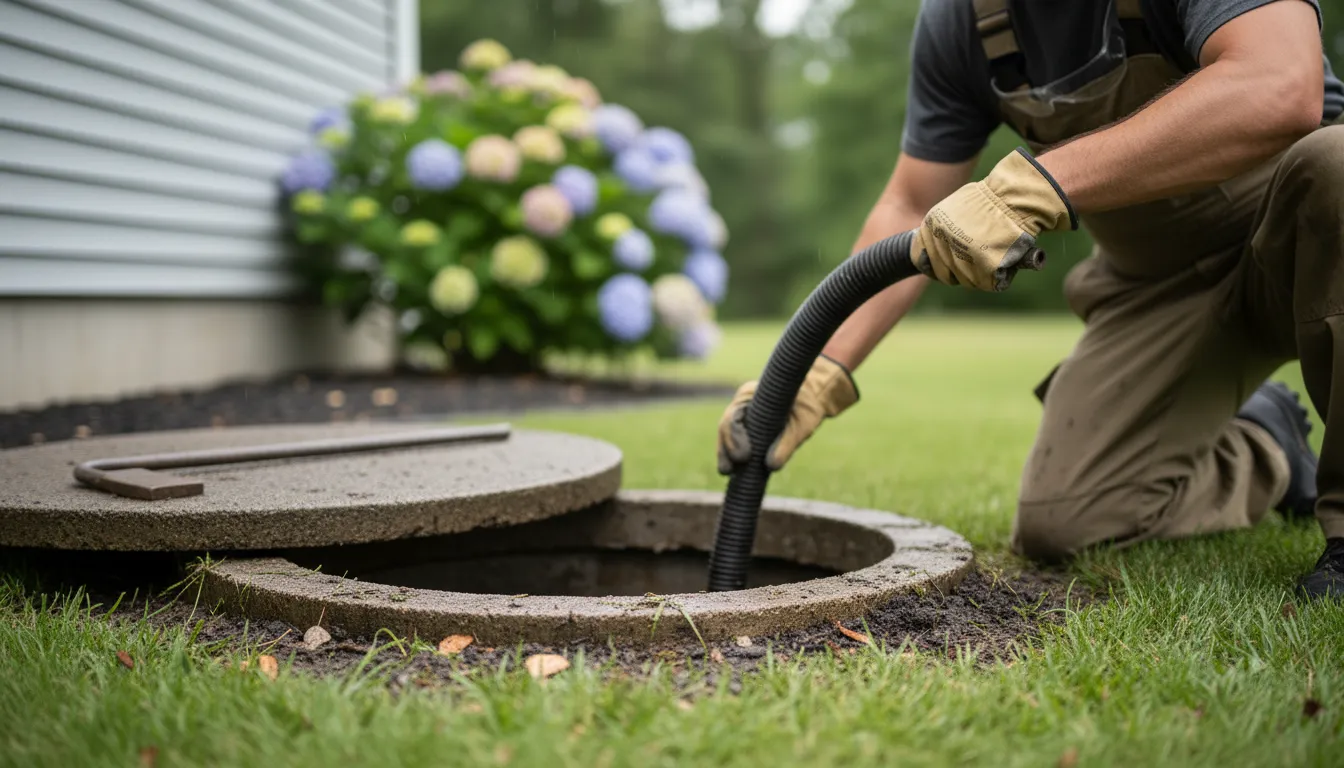
- Locate & Access: The technician will locate your tank and dig to expose the access manholes. It's helpful if you can flag the location beforehand.
- Inspect Inlet/Outlet: Before pumping, they should check the inlet and outlet baffles (or tees) for damage or blockage. These components are crucial for preventing solids from escaping the tank.
- Pump Out: Using a large tank truck, they will vacuum out all the liquid and solid waste from your tank.
- Clean Effluent Filter: If your tank is equipped with an effluent filter (a device on the outlet that provides an extra layer of protection for the drainfield), it should be removed and cleaned.
- Final Inspection & Advice: After pumping, a quick look inside the empty tank can reveal cracks or structural issues. The technician should then provide you with a report and recommend a date for your next service.
Understanding the Cost of Septic Tank Pumping
The price for routine septic cleaning in Michigan can vary based on tank size, accessibility, and how long it has been since the last service.
- Standard Pumping: For a regularly maintained system, you can generally expect to pay between $290 and $700. The final cost depends on your tank's capacity (e.g., 1,000 vs. 1,500 gallons).
- Long-Overdue Service: If your system hasn't been pumped in seven years or more, solids can harden into a thick layer at the bottom. Breaking up and removing this "cake" requires extra time and effort, potentially adding $100 to $200 to the total bill2.
- Emergency Service: A septic backup into your home is an emergency that requires immediate attention. Emergency pump-out services, especially after hours or on weekends, can range from $450 to over $1,2003.
Always get a detailed estimate before work begins. The lowest price isn't always the best value; ensure the company is licensed, insured, and includes a basic inspection in their service.
The Critical Role of Inspections
Pumping and inspection go hand-in-hand. The Mid-Michigan District Health Department recommends having your entire septic system inspected by a professional every 1 to 2 years. An inspection at the time of pumping is highly efficient. The inspector will:
- Check tank integrity and liquid levels.
- Ensure baffles and effluent filters are functional and clean.
- Look for signs of drainfield failure, such as unusually lush grass over the field, soggy soil, or standing water4 5.
- Verify that mechanical components like pumps and alarms are working.
This proactive approach can identify small problems-like a damaged baffle-before they cause a major drainfield clog, saving you thousands in repair costs.
Best Practices for Septic System Care
What you do between pumpings significantly impacts your system's health. Follow these guidelines to extend its life:
- Conserve Water: Spread out laundry loads and fix leaky faucets. Sudden large volumes of water can flush solids out of the tank.
- Mind What You Flush: Only human waste and toilet paper should go down the drain. Never flush wipes (even "flushable" ones), feminine hygiene products, dental floss, or cooking grease.
- Use Additives Cautiously: Avoid chemical additives that claim to eliminate the need for pumping. They can harm the bacterial balance in your tank and damage components6 7. Biological additives are generally considered safe but are not a substitute for pumping.
- Protect the Drainfield: Never drive or park vehicles on it. Plant only grass over the area; tree and shrub roots can clog and damage the pipes.
- Keep Records: Maintain a file with your system's design, inspection reports, and pumping receipts. This is invaluable for troubleshooting and is often required if you sell your home.
Finding a Qualified Service Provider in Washtenaw County
When searching for septic pumping services, look for providers licensed to work in Washtenaw County. They should be familiar with local regulations and soil conditions. Ask for proof of insurance and references. A trustworthy company will be happy to explain their process, provide a clear estimate, and answer your questions about your specific system. Remember, investing in regular maintenance with a skilled professional is the most cost-effective way to protect your home and the environment.
Frequently asked questions
Sources
Footnotes
-
Pump Your Septic Tanks Regularly | Washtenaw County, MI - Official Website - https://www.washtenaw.org/1644/Pump-Your-Septic-Tanks-Regularly ↩
-
Septic Systems | Department of Environmental Protection - https://www.pa.gov/agencies/dep/residents/my-water/septic-systems ↩
-
Septic Pumping Cost by State: 2024 Complete Price Guide - https://wastedoor.com/article/septic-pumping-cost-by-state ↩
-
SepticSmart - Mid-Michigan District Health Department - https://www.mmdhd.org/environmental-services/septic/septic-smart/ ↩
-
Frequent Questions on Septic Systems | US EPA - https://www.epa.gov/septic/frequent-questions-septic-systems ↩
-
Septic Systems: - Mid-Michigan District Health Department - https://www.mmdhd.org/wp-content/uploads/2018/09/Septic-Systems.pdf ↩
-
Septic Systems - Michigan Water Stewardship Program - https://miwaterstewardship.org/septic-systems/ ↩