Find the Best Septic Tank Pumping Contractors for Your Business
No obligation • Fast responses • Nationwide coverage

Why you can trust Septic Spot
Septic Spot is a leading United States resource for understanding and comparing septic services. Our editors review providers using consistent criteria and verify key business details. Listings and scores are independent, and companies cannot pay to influence our content.
Search providers near you
Top Septic Tank Pumping Contractors in Grand Rapids, Michigan Ranked
Maintaining your septic system is a crucial responsibility for homeowners in Grand Rapids. Regular septic tank pumping and inspection are essential services that protect your property, your health, and the local environment by preventing system failures and groundwater contamination. This guide will help you understand the recommended maintenance schedule, what to expect from the process, and how to find qualified local professionals to ensure your system operates smoothly for decades.

Vanderveen & Sawyer | Complete Septic Services
925 O E Bieri Industrial Dr Suite 6A, Lowell, MI 49331
Vanderveen & Sawyer | Complete Septic Services provides septic tank pumping, inspections, repairs, and drainfield evaluations in Grand Rapids, MI. They focus on clear communication and thorough diagnostics to ensure homeowners understand their septic system's condition. The company offers excavation services and addresses septic system issues with long-term solutions rather than temporary fixes. Their licensed technicians emphasize respectful service and detailed explanations to help clients make informed decisions.
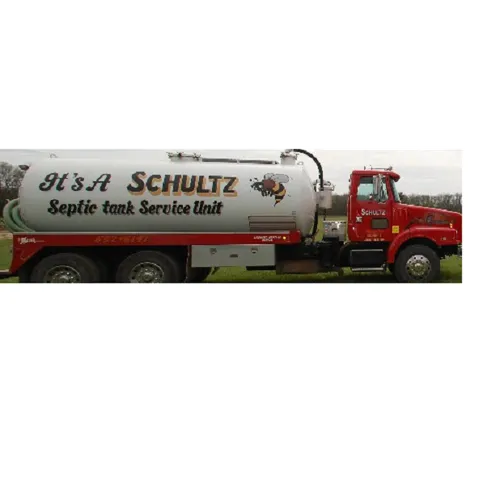
Schultz Septic Service
Grand Rapids, MI
Schultz Septic Service is a septic tank pumping company based in Grand Rapids, MI. They provide septic tank pumping services and serve multiple communities including Fremont, Newaygo, White Cloud, and other nearby areas. The company is available during normal business hours and by appointment to assist customers with their septic needs.
Why Septic System Maintenance is Non-Negotiable
A septic system is a private wastewater treatment plant buried in your yard. When functioning correctly, it safely processes all the water and waste from your home. The tank itself holds solids, allowing liquids to flow out to the drainfield. Over time, those solids-sludge and scum-accumulate. If the tank isn't pumped regularly, solids can overflow into the drainfield, causing catastrophic and expensive failures like sewage backups into your home or soggy, foul-smelling patches in your yard. In Michigan, protecting water resources is a top priority, making proper septic care a community responsibility as well as a personal one.
Recommended Pumping Frequency for Grand Rapids Homes
How often you need to schedule septic tank cleaning depends on several household factors. While a general rule exists, your specific situation may require more frequent service.
The Standard Guideline: Every 3 to 5 Years
For an average household in Grand Rapids, the consensus among state agencies and industry professionals is to pump your septic tank every 3 to 5 years 1. This interval is a strong starting point for most families.
Tailoring the Schedule to Your Household
The "average" household is typically defined as 3-4 people living in a home with a standard 1,000-1,250-gallon tank. You should adjust the pumping frequency based on your actual usage:
- High Usage / Small Tank: Every 1-2 Years. This includes large families (5+ people), homes with smaller tanks, or those that heavily use a garbage disposal, which significantly increases solid waste 2 3.
- Low Usage: Every 5-7 Years. A home with only 1-2 occupants and a larger tank may safely extend the interval toward the longer end of the spectrum 4.
The key is not to wait for problems. Proactive septic pumping is far less costly than repairing or replacing a failed drainfield.
The Critical Role of Professional Inspections
Pumping removes accumulated waste, but a thorough inspection ensures the entire system is structurally sound and functioning properly. Michigan's EGLE and local health departments recommend a professional inspection at least every 3 years 5.
A comprehensive septic system inspection in Grand Rapids should include:
- Measuring Sludge and Scum Layers: This determines how full the tank is and if pumping is needed immediately.
- Checking Inlet and Outlet Baffles/Tees: These components are vital for preventing solids from escaping the tank. They can crack or become dislodged.
- Assessing the Tank Structure: Looking for cracks, leaks, or signs of deterioration.
- Evaluating the Drainfield: Checking for signs of failure, such as surfacing effluent or overly lush grass.
An inspection can identify small issues-like a damaged baffle-before they lead to big problems. Remember, a well-maintained conventional septic system has a typical lifespan of 25-40 years 6.
Find the perfect septic tank pumping contractors for your needs
Get personalized recommendations and expert advice
Understanding Costs for Pumping and Inspection in Kent County
When budgeting for maintenance, it's helpful to know the typical price range. In the Grand Rapids area, you can expect the following for standard residential systems:
- Standard Septic Tank Pumping: The service to pump out a single tank typically costs around $450.
- Professional Inspection Fee: A standard inspection often costs approximately $350 or more, and this fee is usually in addition to the pumping charge if both services are performed together 7.
These are average estimates; your final cost can vary based on tank size, accessibility, and the specific services included. Always get a detailed quote from your chosen provider.
Best Practices for a Healthy Septic System
Beyond scheduling regular pumping and inspection, how you use your system daily impacts its health. Follow these local recommendations to extend your system's life 8 9:
- Conserve Water: Spread out laundry loads and fix leaky faucets to avoid overwhelming the drainfield.
- Mind What You Flush: Only human waste and toilet paper should go down the toilet. Never flush wipes (even "flushable" ones), feminine hygiene products, dental floss, or chemicals.
- Use the Trash Can, Not the Drain: Avoid using your garbage disposal excessively. Never pour cooking grease, oil, or harsh household chemicals like paint thinner or bleach down the drain.
- Protect the Drainfield: Never drive or park vehicles over the drainfield area. Also, avoid planting trees or deep-rooted shrubs nearby, as roots can invade and damage pipes.
Finding a Qualified Service Provider in Grand Rapids
When it's time for maintenance, choosing the right professional is essential. Look for a licensed septic service provider with strong local references and experience in Kent County. They should be knowledgeable about any specific township requirements and willing to provide a detailed report of their findings after an inspection. A reputable company will be transparent about pricing, explain what they are doing, and offer guidance on your optimal maintenance schedule.
Frequently asked questions
Sources
Footnotes
-
SepticSmart - Mid-Michigan District Health Department - https://www.mmdhd.org/environmental-services/septic/septic-smart/ ↩
-
Septic Tank Pumping Frequency: Crucial Maintenance Guide - https://septic911.com/septic-tank-pumping-frequency/ ↩
-
Optimizing Septic Tank Pumping Frequency for Households - https://www.unitedsewerservice.com/frequency-of-septic-tank-pumping-for-different-household-sizes/ ↩
-
Septic Tank Pumping Frequency Guidelines - https://www.beckertwpsherburnecomn.gov/sites/g/files/vyhlif16406/files/media/services/file/426/septic_tank_pumping_frequency_guidelines.pdf ↩
-
SepticSmart - https://www.michigan.gov/egle/about/organization/drinking-water-and-environmental-health/onsite-wastewater-management/septicsmart ↩
-
FAQ: Septic systems - https://www.michigan.gov/egle/faqs/drinking-water/septic-systems ↩
-
How Often Should I Pump My Septic Tank? - https://mseptic.com/how-often-should-i-pump ↩
-
Septic Systems - Michigan Water Stewardship Program - https://miwaterstewardship.org/septic-systems/ ↩
-
Managing Your Septic System - https://www.canr.msu.edu/septic_system_education/uploads/E-3350%20Managing%20Septic.pdf ↩