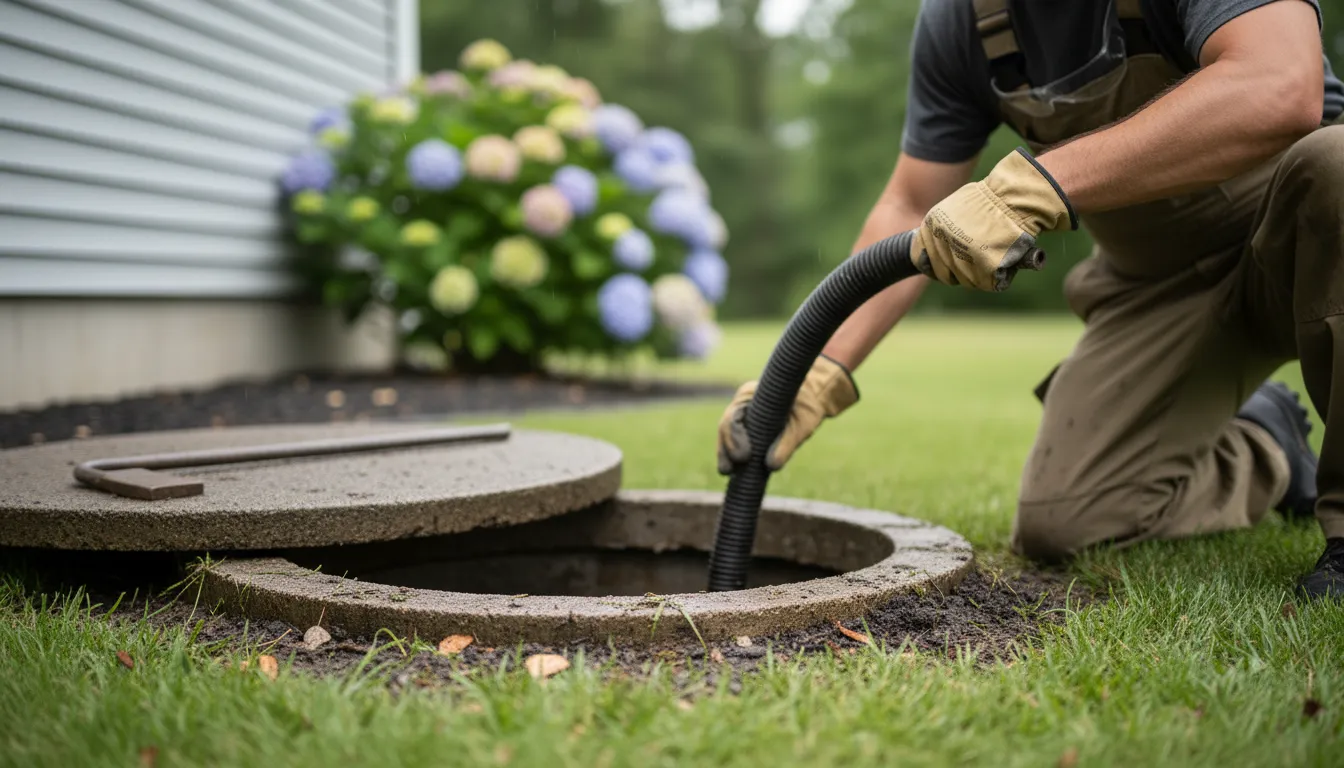
Find the Best Septic Tank Pumping Contractors for Your Business
No obligation • Fast responses • Nationwide coverage

Why you can trust Septic Spot
Septic Spot is a leading United States resource for understanding and comparing septic services. Our editors review providers using consistent criteria and verify key business details. Listings and scores are independent, and companies cannot pay to influence our content.
Search providers near you
Top Septic Tank Pumping Contractors in East Lansing, Michigan Ranked
Maintaining your septic system is a crucial responsibility for any homeowner not connected to a municipal sewer line. Regular septic tank pumping and inspection are the cornerstones of a healthy system, preventing costly backups, environmental contamination, and property damage. This guide provides essential information on septic system maintenance, including recommended service intervals, what to expect during a service visit, and how to find qualified local professionals to keep your East Lansing home's wastewater system functioning smoothly for years to come.
Michigan Septic, LLC
938 S Meridian Rd, Mason, MI 48854
Michigan Septic, LLC is a septic tank pumping company serving Lansing, MI. They focus on septic tank pumping to help maintain system health and prevent emergencies. The company encourages timely pumping to extend the life of septic systems and reduce costly repairs.
Patrick Esper Septic
Lansing, MI
Patrick Esper Septic is a septic service provider located in Lansing, MI. They offer a range of services including septic tank pumping, system repairs, and installation of septic tanks and drain fields. Their capabilities include effluent pump repair and drain field replacement, as well as engineered septic services and community system installation. The company also provides excavation, grading, and land clearing services related to septic system projects.
Shunk Fiedler / R&L Septic Service
938 S Meridian Rd, Mason, MI 48854
Shunk Fiedler / R&L Septic Service is a septic tank pumping company serving Lansing, MI. They specialize in septic tank pumping to help extend system life and prevent costly repairs. The company encourages timely maintenance to avoid emergencies, especially during seasonal changes.
Apex Septic And Excavating, Inc
114 E Lawrence Ave Ste. 210, Charlotte, MI 48813
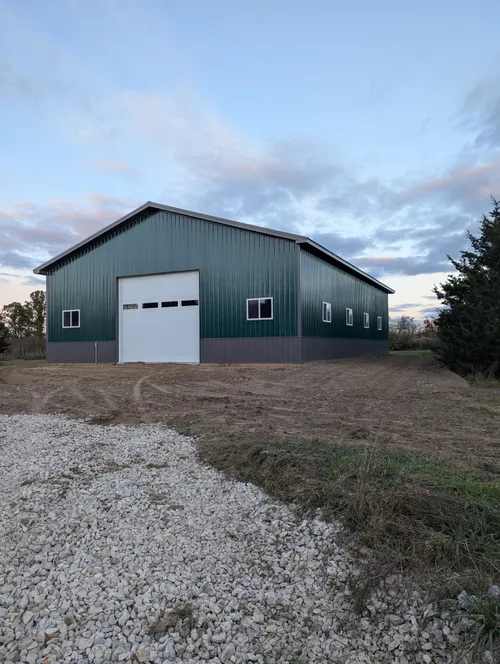
Apex Septic And Excavating, Inc is a septic tank pumping and installation company based in Lansing, MI. They offer a range of excavation services for both commercial and residential projects, including site preparation, grading, trenching, and land clearing. The company specializes in septic system installation and maintenance, ensuring compliance with local regulations. They also provide emergency excavation services for urgent issues like foundation failures and pipeline breaks. Apex has experience creating stable foundations for pole barns and barndominiums using precise staking and leveling techniques. Their septic pumping service uses advanced equipment to efficiently remove waste and sludge while following proper disposal guidelines.
Ball Septic Tank Service
Lansing, MI
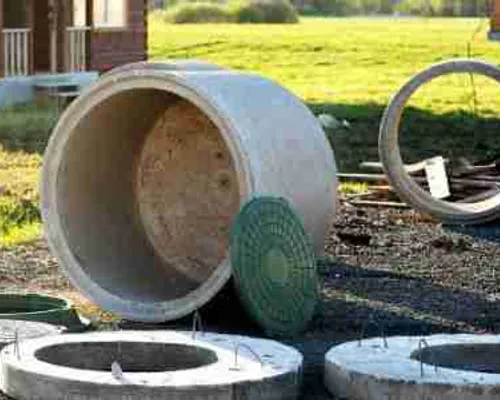
Ball Septic Tank Service provides residential and commercial septic system services in Lansing, MI, including septic tank pumping, installation, repair, and drain field replacement. Serving the Greater Lansing area and nearby communities such as Charlotte, Grand Ledge, and Mason, the company focuses on safety and clear communication. Their team offers reliable scheduling and well-equipped trucks to complete most jobs in one visit, along with maintenance guidance to help prevent future issues.
Why Regular Septic Maintenance is Non-Negotiable
A septic system is an on-site wastewater treatment plant for your property. When functioning correctly, it safely processes everything from your sinks, showers, toilets, and washing machine. Solids settle in the tank, where bacteria begin to break them down, while liquid effluent flows out to the drainfield for further filtration into the soil. Without periodic septic tank cleaning, solids (sludge and scum) accumulate beyond the tank's capacity. This can lead to solids flowing into and clogging the drainfield, which is the most expensive component to repair or replace. A failed drainfield can cause sewage to surface in your yard, create foul odors, and contaminate groundwater. In Michigan, proper maintenance is also a matter of environmental stewardship, protecting local waterways and wells 1.
How Often Should You Pump Your Septic Tank in East Lansing?
The most common question homeowners have is about the pumping schedule. While a general rule of thumb is every 3 to 5 years, the exact frequency for your East Lansing home depends on several key factors.
- Tank Size and Household Size: A smaller tank (under 1,000 gallons) serving a family of four or more will fill with solids much faster than a larger tank serving one or two people. High water usage from large families, frequent laundry loads, or long showers accelerates accumulation.
- Garbage Disposal Use: Using a garbage disposal significantly increases the amount of solids and grease entering the tank, which can shorten the time between necessary pump-outs 2.
- System Age and Condition: Older systems may be less efficient and require more frequent attention.
The Mid-Michigan District Health Department and the EPA recommend that the best way to determine your specific schedule is to have a licensed professional measure the sludge and scum layers in your tank during an inspection. They can then provide a data-driven recommendation, whether that's 2 years, 4 years, or longer.
The Critical Role of Professional Septic Inspections
While pumping removes accumulated waste, a thorough septic system inspection is what diagnoses the overall health of your entire system. Experts recommend an inspection at least every three years, and always whenever the tank is pumped 3 4. A comprehensive inspection by a qualified technician includes:
- Locating and Accessing the Tank: Ensuring lids and risers are accessible and in good condition.
- Measuring Sludge and Scum: Determining if pumping is needed immediately or can be scheduled for the future.
- Checking Tank Integrity: Looking for cracks, leaks, or signs of corrosion in the tank itself.
- Evaluating the Drainfield: Inspecting for soggy soil, foul odors, or unusually lush grass, which are indicators of a failing drainfield.
- Assessing Mechanical Components: For systems with pumps, alarms, or filters, ensuring all electrical and mechanical parts are operational.
This proactive approach can identify small issues-like a damaged baffle or a minor leak-before they escalate into system failure, saving you thousands of dollars.
Find the perfect septic tank pumping contractors for your needs
Get personalized recommendations and expert advice
Understanding the Costs of Septic Service
The cost for septic tank pumping in the East Lansing area typically ranges from $300 to $600 or more 5 6 7. Several variables influence the final price:
- Tank Size and Volume: Larger tanks (1,500+ gallons) cost more to pump than standard 1,000-gallon tanks.
- Tank Access: If the tank lids are buried and need to be dug up, or if the truck cannot get close to the tank location, additional labor fees will apply.
- Condition of the Tank: Extremely full tanks or those with hardened sludge may require additional time or effort.
- Additional Services: Most companies charge extra for a full inspection, repairing components, or cleaning effluent filters. Always ask for a detailed estimate that breaks down pumping versus inspection fees.
While price is a consideration, the expertise and reliability of the service provider are paramount. A properly performed service protects your investment.
Best Practices for Homeowners Between Service Visits
Your daily habits directly impact your septic system's longevity. Follow these guidelines to keep your system healthy between professional septic tank maintenance visits:
- Conserve Water: Fix leaky faucets and toilets promptly. Spread out laundry loads over the week instead of doing many loads in one day.
- Mind What You Flush: Only human waste and toilet paper should go down the toilet. Never flush wipes (even "flushable" ones), feminine hygiene products, dental floss, diapers, or cooking grease.
- Use Septic-Safe Cleaners: Harsh chemicals, antibacterial soaps, and excessive bleach can kill the beneficial bacteria in your tank that break down waste.
- Protect the Drainfield: Never drive or park vehicles on the drainfield, as this compacts the soil and can crush pipes. Keep roof drains, sump pumps, and other surface water away from the area. Also, plant only grass over the drainfield; tree and shrub roots can cause severe damage.
- Know Your System's Location: Keep a diagram of your tank and drainfield location. This is invaluable for inspections, pumping, and planning landscaping projects.
Signs Your Septic System Needs Immediate Attention
Don't wait for your scheduled maintenance if you notice any of these red flags. Contact a professional right away if you experience:
- Slow Drains: Sinks, showers, and toilets that drain slowly, especially if gurgling is involved.
- Sewage Backups: Wastewater backing up into household drains.
- Bad Odors: Unpleasant sewage smells inside your home or around the yard near the tank or drainfield.
- Wet, Spongy Yard: Soggy ground or standing water over the drainfield, particularly when it hasn't rained.
- Unusually Lush Grass: Patches of grass over the drainfield that are much greener and grow faster than the rest of the lawn.
Planning for the Long Term: System Lifespan and Replacement
A well-maintained conventional septic system can last 25 to 40 years 8. However, components will eventually wear out. If your system is approaching this age or is requiring increasingly frequent repairs, it's wise to start planning for replacement. The process involves soil evaluation, permit acquisition from the local health department, and significant excavation. Proactive replacement on your own timeline is always less stressful and disruptive than an emergency replacement after a catastrophic failure.
Finding a Qualified Service Provider in East Lansing
When searching for septic services, look for licensed, insured professionals with strong local reputations. They should be familiar with the specific soil conditions and regulations in Ingham County and the Mid-Michigan area. A reputable company will be transparent about pricing, willing to explain their inspection process, and able to provide references. They should also help you understand your system's unique needs and establish a personalized maintenance plan.
Frequently asked questions
Sources
Footnotes
-
FAQ: Septic systems - https://www.michigan.gov/egle/faqs/drinking-water/septic-systems ↩
-
Managing Your Septic System - https://www.canr.msu.edu/septic_system_education/uploads/E-3350%20Managing%20Septic.pdf ↩
-
SepticSmart - https://www.mmdhd.org/environmental-services/septic/septic-smart/ ↩
-
Frequent Questions on Septic Systems | US EPA - https://www.epa.gov/septic/frequent-questions-septic-systems ↩
-
Septic Pumping Near Lansing, MI: Cost, Cleaning Tips ... - https://www.michiganseptic.com/post/septic-pumping-lansing-mi ↩
-
Septic Tank Pumping | Al Pearson & Son Michigan - https://alpearsonandson.net/services/septic-tank-pumping/ ↩
-
Septic Tank Pumping Guide for Families of 4 - https://www.benjaminfranklinplumbing.com/league-city/blog/2024/december/how-often-to-pump-septic-tank-family-of-4-essential-guidelines/ ↩
-
Septic System FAQ's Grayling MI | Jack Millikin Inc. - https://www.jackmillikin.com/products-services/septic-installation-and-service/septic-system-faqs ↩