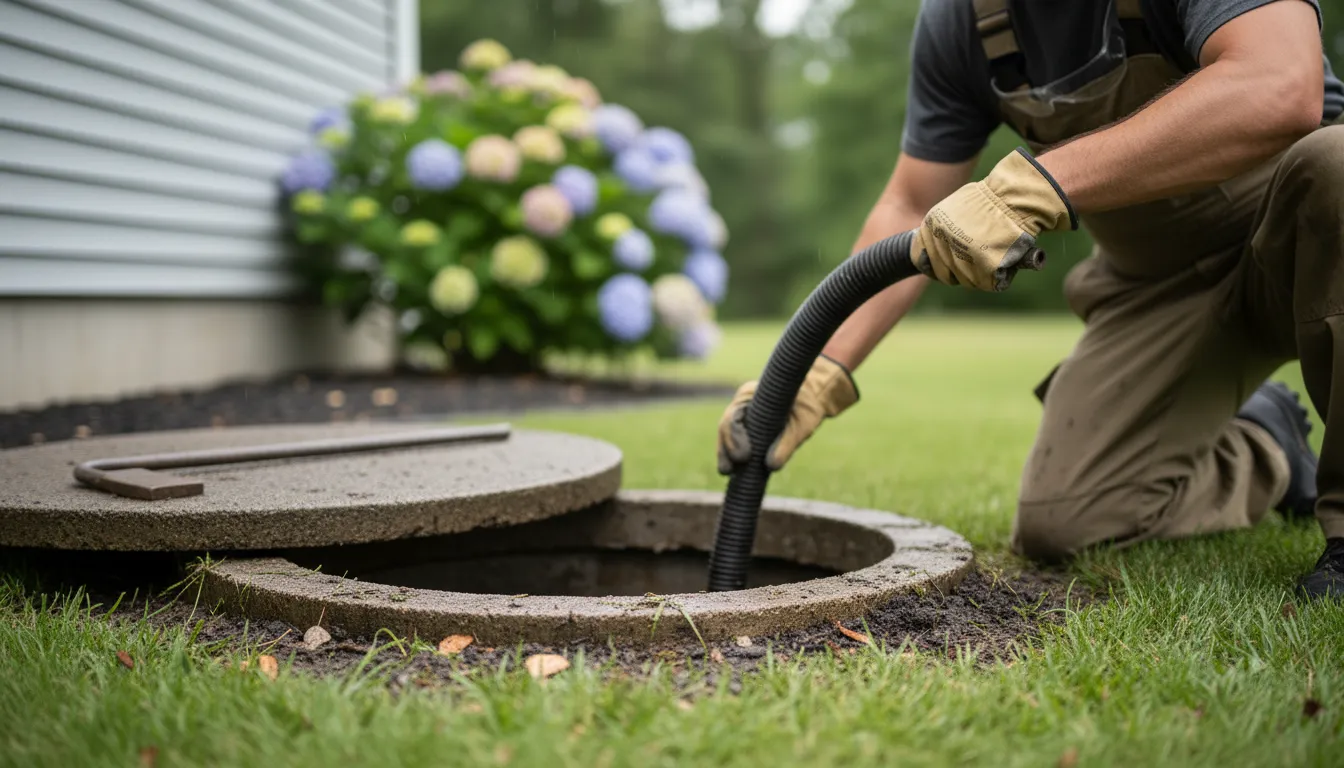
Find the Best Septic Tank Pumping Contractors for Your Business
No obligation • Fast responses • Nationwide coverage

Why you can trust Septic Spot
Septic Spot is a leading United States resource for understanding and comparing septic services. Our editors review providers using consistent criteria and verify key business details. Listings and scores are independent, and companies cannot pay to influence our content.
Search providers near you
Top Septic Tank Pumping Contractors in Pontiac, Michigan Ranked
Maintaining your septic system is a crucial responsibility for any homeowner not connected to a municipal sewer line. Regular septic tank pumping and inspection are the cornerstones of a healthy system, preventing costly failures and protecting local groundwater from contamination. For residents of Pontiac, understanding the local recommendations and finding a reliable service provider is key to ensuring your wastewater system functions smoothly for years to come. This guide provides essential information on septic maintenance, costs, and best practices to help you make informed decisions for your property.
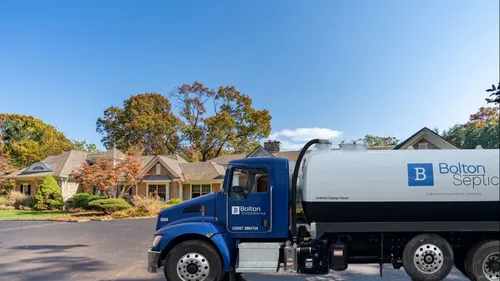
Bolton Septic
Ann Arbor, MI
Bolton Septic is a full-service septic company serving Ann Arbor, MI, and surrounding counties including Oakland, Livingston, Wayne, and Washtenaw. Established in 1967, Bolton Septic offers septic tank pumping, inspection, and maintenance for residential and commercial properties. They emphasize preventative maintenance to extend the life of septic systems and provide licensed professionals to inspect and evaluate tanks during service. Bolton Septic is part of the Bolton Environmental Family, combining over 200 years of experience to support a wide range of septic needs.
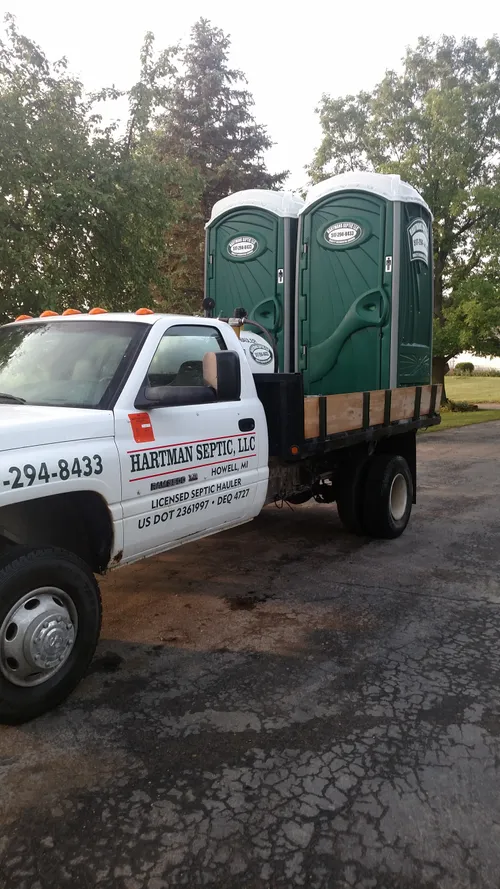
Hartmans Septic LLC
Lansing, MI
Hartmans Septic LLC is a locally owned septic service provider based in Lansing, MI, serving Howell and surrounding areas. The company offers septic tank pumping, minor septic system repairs, and portable restroom rentals for events and construction sites. With over 20 years of experience, Hartmans Septic LLC focuses on maintaining efficient septic systems and preventing costly damage through regular cleaning and timely repairs.
Howell Sanitary Co. II
Lansing, MI
Howell Sanitary Co. II provides a range of septic system services in Lansing, MI. Their offerings include septic tank pumping, inspections, repairs, and new installations. They also handle septic field repairs and replacements, with expertise in various field types such as conventional, elevated, dry wells, bed, and trench systems. Additional capabilities include septic tank riser installation, effluent filter cleaning, excavating, driveway grading, and land clearing.

Bob's Sanitation
27940 Wick Rd, Romulus, MI 48174
Bob's Sanitation, located near Detroit, MI, offers portable restroom rentals and septic services throughout Southeast Michigan. Their services cover a wide range of needs including construction sites, events, weddings, and emergency situations. They provide various types of portable toilets such as standard units, ADA-compliant restrooms, hand wash stations, and luxury restroom trailers. In addition to rentals, they offer septic tank pumping, tank locating, maintenance, and emergency septic services. Established in 1991, Bob's Sanitation has over 30 years of experience in the industry. They also provide emergency and after-hours portable restroom rentals to address urgent needs.
Al Pearson & Son Septic Tank Cleaning
46885 Ford Rd, Canton Township, MI 48187
Al Pearson & Son Septic Tank Cleaning is a family-owned business serving Ann Arbor, MI, and the surrounding Southeast Michigan area. They offer a full range of septic services including tank pumping, cleaning, system repairs, new installations, soil evaluations, and excavation. With over 70 years of experience since 1953, the company is licensed and certified to handle advanced septic system work for both residential and commercial clients. They emphasize clear communication and honest recommendations to ensure septic systems operate reliably. Emergency septic services are also available with often same-day pumping.
Why Regular Septic Maintenance is Non-Negotiable
A septic system is a self-contained wastewater treatment plant on your property. When functioning correctly, it safely processes household water from toilets, showers, sinks, and appliances. The septic tank is the first stage, where solids settle and begin to decompose. Over time, however, sludge (heavier solids) and scum (lighter fats and greases) accumulate. If these layers are not removed through periodic septic tank cleaning, they can flow into and clog the drainfield, leading to system backup, foul odors, and environmental harm. Proper maintenance is not just about convenience; it's about protecting your investment and your community's water resources 1.
How Often Should You Pump Your Septic Tank in Pontiac?
The universal recommendation for most households is to schedule septic system pumping every 3 to 5 years. This is a standard guideline, but your specific situation may require more frequent service.
Several factors can shorten the interval between pump-outs:
- Household Size: More people generate more wastewater and solids.
- Tank Size: A smaller tank will fill with sludge and scum more quickly.
- Usage Habits: Frequent use of a garbage disposal significantly increases the solid waste entering the tank.
- Water Usage: High-volume activities like long showers, laundry days, and leaky fixtures can overwhelm the system.
A more precise method is to have the sludge and scum layers measured during an inspection. A good rule of thumb is that if the combined thickness of these layers exceeds one-third of the total liquid depth in the tank, it's time to pump 2.
The Critical Role of Professional Septic Inspections
While pumping removes accumulated waste, a thorough inspection ensures every component of your system is intact. It is advised to have a qualified professional inspect your entire onsite wastewater system at least every 3 years.
A comprehensive inspection includes:
- Tank Integrity: Checking sludge and scum levels, assessing baffles and tees for damage, and looking for cracks or leaks.
- Drainfield Health: Evaluating the soil absorption area for signs of failure, such as surfacing sewage or overly lush grass.
- Component Check: For systems with pumps, electrical float switches, or alternative technologies, annual inspections are often necessary to ensure mechanical parts are working correctly 3.
These inspections can identify small issues-like a damaged baffle or a minor leak-before they escalate into catastrophic and expensive drainfield failures.
Find the perfect septic tank pumping contractors for your needs
Get personalized recommendations and expert advice
Understanding the Costs of Septic Services
Budgeting for maintenance is far more economical than paying for emergency repairs. In the Pontiac area, the typical cost for a standard septic tank emptying service ranges from $300 to $500 4. The final price often depends on the tank's size and accessibility.
Here's a general breakdown of pumping costs by tank capacity:
- 750-Gallon Tank: $250 - $550
- 1,000-Gallon Tank: $325 - $700
- 1,500-Gallon Tank: $450 - $1,100
Contrast this with the cost of neglect. Repairing a failed drainfield or replacing a collapsed tank can easily cost between $3,000 and $10,000 5 6. Investing in routine pumping and inspections is the most effective way to avoid these severe financial burdens.
Best Practices for Pontiac Homeowners
Proactive care extends beyond just scheduling service. You are the first line of defense for your septic system's health.
- Keep Detailed Records: Maintain a log of all pumping dates, inspection reports, and any repairs. This history is invaluable for troubleshooting and for potential home buyers 7.
- Be Mindful of Landscaping: Never plant trees or large shrubs near your drainfield. The roots can infiltrate and destroy pipes.
- Conserve Water: Spread out laundry loads, fix dripping faucets and running toilets promptly, and consider installing high-efficiency fixtures. Reducing water flow helps the system treat wastewater effectively 8.
- Protect the Drainfield: Never drive or park vehicles, or place heavy structures like sheds or patios, over the tank or drainfield. The weight can compact the soil and crush pipes, leading to system failure 9 10.
- Watch What You Flush: Only human waste and toilet paper should go down the drain. Avoid flushing chemicals, wipes, feminine hygiene products, cooking grease, and medications, as they can kill beneficial bacteria or clog the system.
Signs Your System Needs Immediate Attention
Don't wait for your scheduled maintenance if you notice these red flags:
- Slow Drains: Gurgling pipes or drains that empty slowly throughout the house.
- Sewage Backups: Wastewater coming up into household drains.
- Bad Odors: Unpleasant smells around the tank or drainfield area.
- Soggy Ground: Spongy, bright green grass, or standing water over the drainfield.
- Nitrate Contamination: If a water test reveals high nitrate levels in your well, a failing septic system could be the source.
If you observe any of these signs, contact a professional septic service provider immediately to assess the situation.
Frequently asked questions
Sources
Footnotes
-
Septic Systems - MI Water Stewardship - https://miwaterstewardship.org/septic-systems/ ↩
-
Septic Systems | Department of Environmental Protection - https://www.pa.gov/agencies/dep/residents/my-water/septic-systems ↩
-
SepticSmart - https://www.mmdhd.org/environmental-services/septic/septic-smart/ ↩
-
How Much Does It Cost to Pump a Septic Tank? [2026 Data] | Angi - https://www.angi.com/articles/how-much-does-septic-tank-pumping-cost.htm ↩
-
What Does It Cost to Pump My Septic Tank? - https://pumpthatseptic.com/pricing ↩
-
Proper Septic System Maintenance: - https://watershedcouncil.org/wp-content/uploads/2023/09/2022-Proper-Septic-Maintenance-For-Homeowners.pdf ↩
-
FAQ: Septic systems - https://www.michigan.gov/egle/faqs/drinking-water/septic-systems ↩
-
Sewage Systems | CMDHD - https://www.cmdhd.org/septicsystems ↩
-
Maintaining Your Septic System to Protect Our Rivers and Lakes - https://www.waterfordmi.gov/DocumentCenter/View/622/Maintaining-Your-Septic-System-to-Protect-Our-Rivers-and-Lakes-PDF ↩
-
Septic Tank Pumping | Al Pearson & Son Michigan - https://alpearsonandson.net/services/septic-tank-pumping/ ↩