Find the Best Septic Tank Pumping Contractors for Your Business
No obligation • Fast responses • Nationwide coverage

Why you can trust Septic Spot
Septic Spot is a leading United States resource for understanding and comparing septic services. Our editors review providers using consistent criteria and verify key business details. Listings and scores are independent, and companies cannot pay to influence our content.
Search providers near you
Top Septic Tank Pumping Contractors in Redford, Michigan Ranked
Maintaining your septic system is a crucial responsibility for any homeowner not connected to a municipal sewer line. Regular septic tank pumping and inspection are the cornerstones of a healthy, long-lasting system, preventing costly failures and protecting local groundwater. This guide provides essential information on septic system maintenance, including recommended service frequency, local costs, and best practices, to help you find qualified local professionals for your needs.
Bolton Septic
Ann Arbor, MI
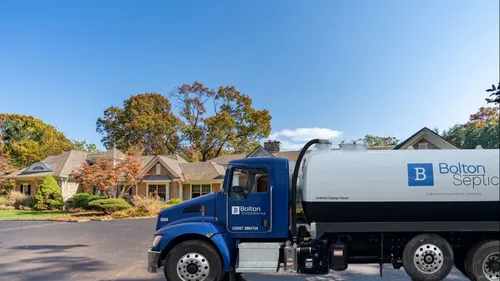
Bolton Septic is a full-service septic company serving Ann Arbor, MI, and surrounding counties including Oakland, Livingston, Wayne, and Washtenaw. Established in 1967, Bolton Septic offers septic tank pumping, inspection, and maintenance for residential and commercial properties. They emphasize preventative maintenance to extend the life of septic systems and provide licensed professionals to inspect and evaluate tanks during service. Bolton Septic is part of the Bolton Environmental Family, combining over 200 years of experience to support a wide range of septic needs.
Howell Sanitary Co. II
Lansing, MI
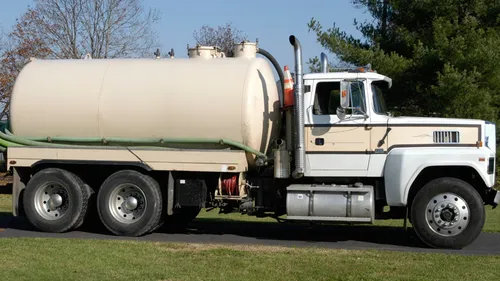
Howell Sanitary Co. II provides a range of septic system services in Lansing, MI. Their offerings include septic tank pumping, inspections, repairs, and new installations. They also handle septic field repairs and replacements, with expertise in various field types such as conventional, elevated, dry wells, bed, and trench systems. Additional capabilities include septic tank riser installation, effluent filter cleaning, excavating, driveway grading, and land clearing.

Bob's Sanitation
27940 Wick Rd, Romulus, MI 48174
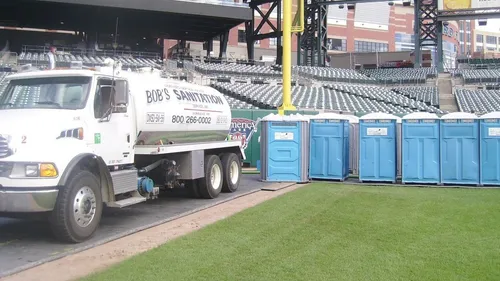
Bob's Sanitation, located near Detroit, MI, offers portable restroom rentals and septic services throughout Southeast Michigan. Their services cover a wide range of needs including construction sites, events, weddings, and emergency situations. They provide various types of portable toilets such as standard units, ADA-compliant restrooms, hand wash stations, and luxury restroom trailers. In addition to rentals, they offer septic tank pumping, tank locating, maintenance, and emergency septic services. Established in 1991, Bob's Sanitation has over 30 years of experience in the industry. They also provide emergency and after-hours portable restroom rentals to address urgent needs.
Al Pearson & Son Septic Tank Cleaning
46885 Ford Rd, Canton Township, MI 48187
Al Pearson & Son Septic Tank Cleaning is a family-owned business serving Ann Arbor, MI, and the surrounding Southeast Michigan area. They offer a full range of septic services including tank pumping, cleaning, system repairs, new installations, soil evaluations, and excavation. With over 70 years of experience since 1953, the company is licensed and certified to handle advanced septic system work for both residential and commercial clients. They emphasize clear communication and honest recommendations to ensure septic systems operate reliably. Emergency septic services are also available with often same-day pumping.
Scotty's Potties
27940 Wick Rd, Romulus, MI 48174
Scotty's Potties is a portable restroom rental and septic service provider serving Detroit, MI, and the surrounding Southeast Michigan area. Since 1991, they have offered a variety of portable toilet options including standard units, ADA-compliant restrooms, hand wash stations, and luxury restroom trailers for events, construction sites, weddings, and emergency situations. Their septic services include tank pumping, locating, maintenance, and emergency septic support. Scotty's Potties also provides after-hours and emergency portable restroom rentals to address unexpected plumbing issues promptly.
Understanding Your Septic System and Maintenance Needs
A septic system is an on-site wastewater treatment system, typically consisting of a tank and a soil absorption field (often called a drainfield or leach field). Solid waste settles in the tank, where bacteria begin to break it down, while liquid effluent flows out to the drainfield for further treatment in the soil. Over time, solids (sludge) accumulate and must be removed via septic tank cleaning or septic tank pumping to prevent them from flowing into and clogging the drainfield, which is the most common cause of system failure.
The frequency of required septic system pumping is not one-size-fits-all. In Redford, Michigan, the general guideline is to have your tank pumped every 3-5 years 1. However, this is a starting point. Household size and tank capacity are the primary influencers; a larger family or a smaller tank will fill the tank with solids more quickly, potentially necessitating service every 1-2 years 1. Systems with electrical components, like pumps or advanced treatment units, require even more vigilant care, including an annual inspection 1.
The Importance of Regular Septic Inspections
While pumping removes accumulated solids, a professional septic system inspection is vital for assessing the overall health of your entire system. The Mid-Michigan District Health Department recommends a professional inspection at least every 3 years 2. An inspection goes beyond just checking sludge levels. A qualified technician will:
- Check for leaks in the tank and distribution box.
- Assess the integrity of tank baffles and filters.
- Evaluate the condition of the drainfield for signs of failure, such as surfacing effluent or overly lush grass.
- Ensure all system components, including pumps and alarms, are functioning correctly.
Michigan regulations also specify that septic tanks must have accessible inspection openings with a minimum diameter of 12 inches and tight-fitting covers to allow for proper inspection and cleaning 3. Ensuring these ports are not buried or obstructed is a homeowner's responsibility.
What to Expect: The Septic Pumping Process
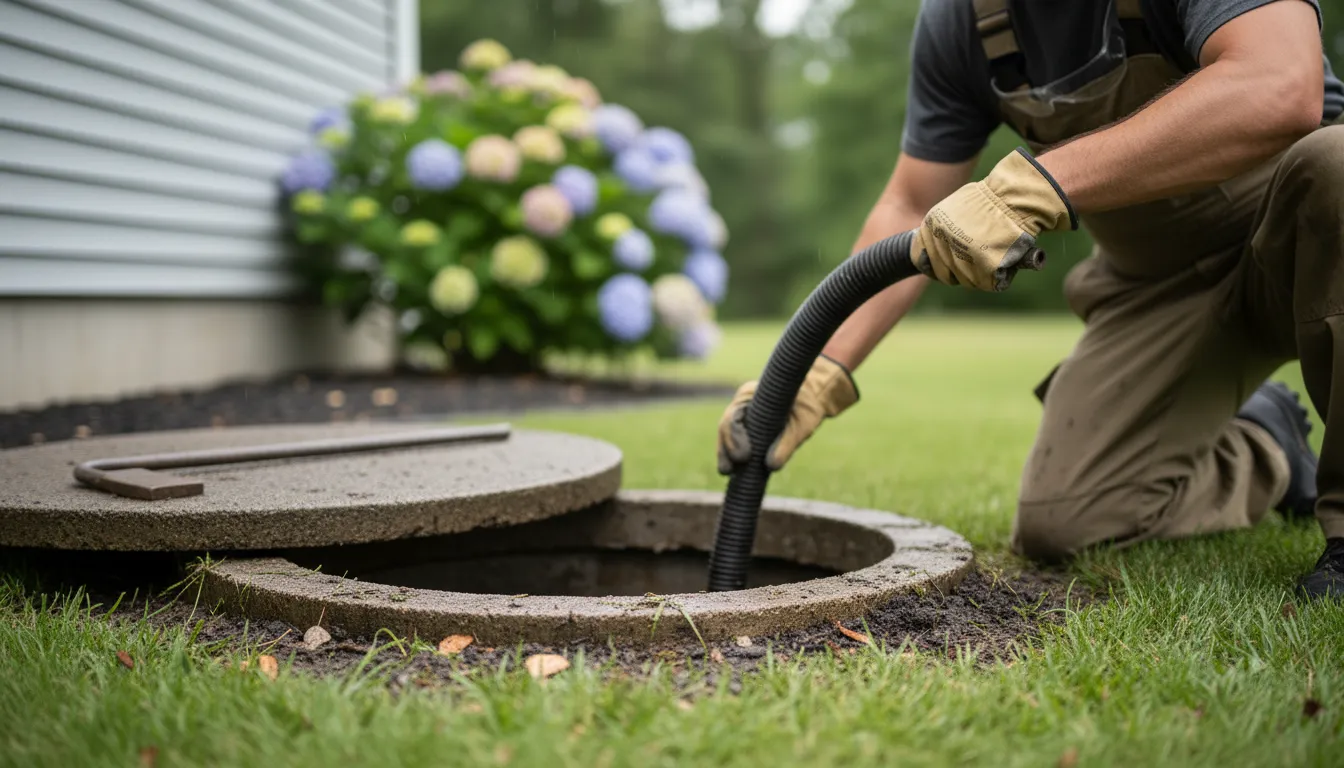
When you schedule a septic tank service, a professional will arrive with a vacuum truck. They will locate and uncover the tank's access lids. Using a large hose, they will vacuum all the contents-solids, scum, and liquid-from the tank. A thorough provider will also inspect the tank's interior, baffles, and outlet filter (if present) during this process. After pumping, the tank is left empty and ready to begin the treatment cycle again. The entire process typically takes one to three hours, depending on tank size and access.
Cost of Septic Tank Pumping in Redford
Understanding the potential cost helps in planning this essential home maintenance. For Redford homeowners, the cost to pump a septic tank typically ranges from $190 to $890, with an average price of about $380. The final price is influenced by several factors:
- Tank Size: Larger tanks (e.g., 1,500 gallons) cost more to pump than smaller ones (e.g., 1,000 gallons). The average cost for a 1,000-gallon tank in Michigan is around $260 4.
- Tank Access: If the tank's inspection ports are buried deep or under landscaping, additional labor for excavation will increase the cost.
- Condition of Tank: Extremely clogged tanks or those requiring extra time may incur higher charges.
- Additional Services: Many companies offer bundled pricing if you combine pumping with a full system inspection or minor repairs.
Find the perfect septic tank pumping contractors for your needs
Get personalized recommendations and expert advice
Protecting Your System and Your Property
Proper maintenance extends beyond just scheduling a pump-out. How you use your system daily significantly impacts its longevity. Here are key septic system care practices endorsed by Michigan authorities:
- Mind What You Flush: Only human waste and toilet paper should go down the drain. Avoid flushing wipes (even "flushable" ones), feminine hygiene products, dental floss, cooking grease, and chemicals. These can clog pipes, disrupt bacterial balance, and cause rapid sludge buildup.
- Conserve Water: Excessive water flow can overwhelm the system, pushing solids into the drainfield. Fix leaks, install water-efficient fixtures, and spread out laundry loads throughout the week.
- Protect the Drainfield: This is the most vulnerable and expensive part of your system to replace. Never drive or park vehicles on the drainfield, as this compacts the soil and can crush pipes. Also, avoid planting trees or shrubs with deep roots near the field, as roots can infiltrate and clog pipes.
- Pump at the Right Time: Do not pump your tank during periods of high groundwater, such as after heavy rains or during spring thaw. An empty tank in saturated soil can float or shift, causing severe structural damage 5.
Signs Your Septic System Needs Attention
Don't wait for a complete failure. Be alert to these warning signs that indicate you may need septic tank cleaning or repair:
- Slow Drains: Gurgling pipes, slow-draining sinks, tubs, or toilets, especially if multiple fixtures are affected.
- Unpleasant Odors: Sewage smells inside your home or in the yard near the tank or drainfield.
- Wet Spots: Soggy, spongy, or unusually green and lush grass over the drainfield, even in dry weather.
- Sewage Backup: The most severe sign, where wastewater backs up into household drains.
If you notice any of these issues, contact a professional immediately to diagnose the problem before it escalates into a major environmental hazard and repair expense.
Choosing a Local Septic Service Provider
When selecting a company for septic tank pumping or septic system repair in Redford, consider the following:
- Licensing and Insurance: Ensure the company is licensed to operate in Michigan and carries proper liability insurance.
- Experience and Reputation: Look for established companies with positive local reviews and testimonials.
- Range of Services: Choose a provider that offers pumping, inspection, and repair services for comprehensive care.
- Detailed Reporting: A reputable service will provide a written report detailing what was done, the condition of your tank, and any recommendations.
Regular maintenance is an investment that protects your property value, your family's health, and the local environment. By understanding the needs of your system and partnering with a reliable professional, you can ensure your septic system operates effectively for decades.
Frequently asked questions
Sources
Footnotes
-
SepticSmart - https://www.michigan.gov/egle/about/organization/drinking-water-and-environmental-health/onsite-wastewater-management/septicsmart ↩ ↩2 ↩3
-
SepticSmart - Mid-Michigan District Health Department - https://www.mmdhd.org/environmental-services/septic/septic-smart/ ↩
-
Mich. Admin. Code R. 325.423 - Minimum standards for septic tank ... - https://www.law.cornell.edu/regulations/michigan/Mich-Admin-Code-R-325-423 ↩
-
Septic Pumping in Redford, MI - Costs 03 / 2026 - Homeyou - https://www.homeyou.com/mi/septic-pumping-redford-costs ↩
-
FAQ: Septic systems - State of Michigan - https://www.michigan.gov/egle/faqs/drinking-water/septic-systems ↩