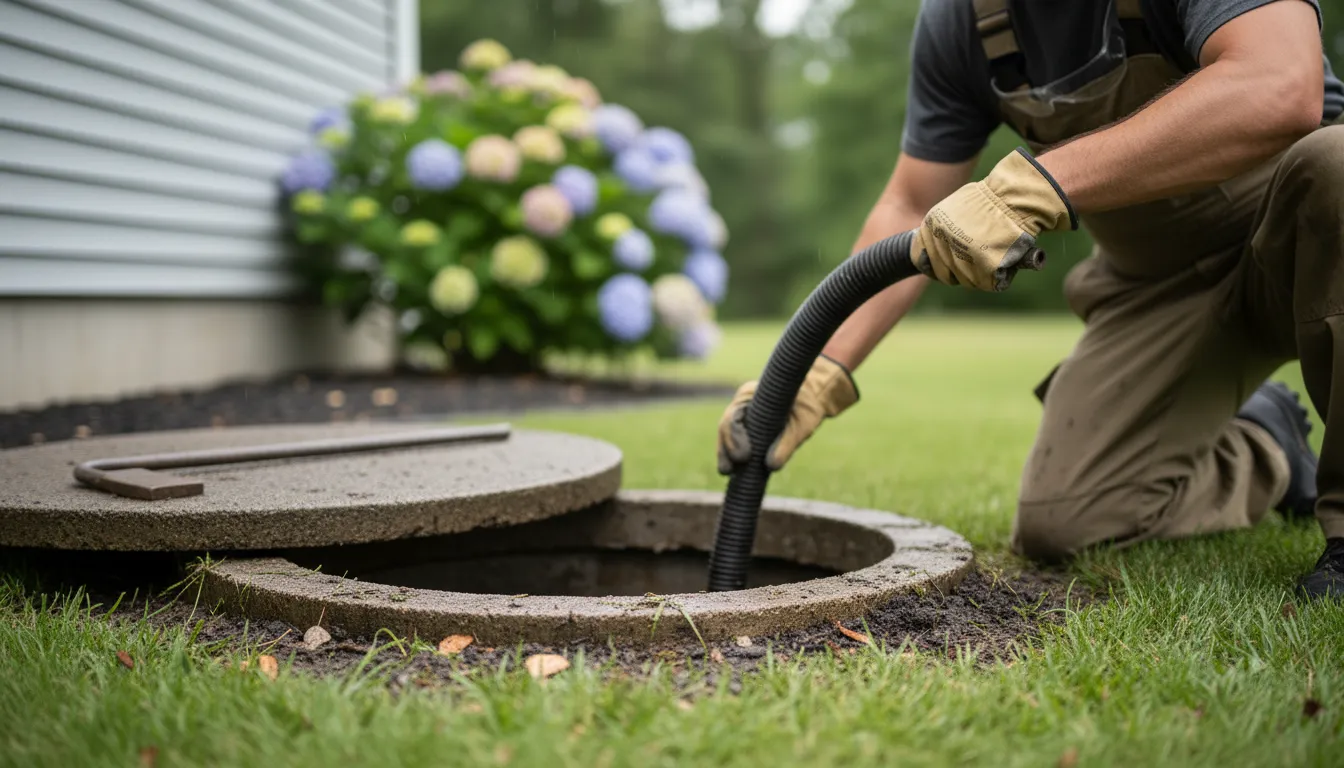
Find the Best Septic Tank Pumping Contractors for Your Business
No obligation • Fast responses • Nationwide coverage

Why you can trust Septic Spot
Septic Spot is a leading United States resource for understanding and comparing septic services. Our editors review providers using consistent criteria and verify key business details. Listings and scores are independent, and companies cannot pay to influence our content.
Search providers near you
Top Septic Tank Pumping Contractors in Florissant, Missouri Ranked
Maintaining your septic system is a crucial responsibility for any homeowner not connected to a municipal sewer line. Regular septic tank pumping is the most important preventative maintenance task you can perform to avoid messy, expensive, and environmentally harmful system failures. This guide provides Florissant residents with essential information on septic service frequency, costs, local regulations, and how to find qualified professionals to keep your system functioning smoothly for years to come.
Nolen Septic Services
2000 Little Round Top Dr, Edwardsville, IL 62025
Nolen Septic Services is a family-owned septic tank pumping company serving St Louis, MO, and surrounding areas. Established in 2000, they provide residential and commercial septic cleaning, aeration tank emptying, drain unclogging, grease trap maintenance, and troubleshooting services. Their licensed and insured team covers multiple towns in Illinois, including Madison and St. Clair counties, ensuring septic systems operate efficiently and safely.
R and M Sewer, Septic and Pipe Cleaning
396 Bethel Mine Rd, Caseyville, IL 62232
R and M Sewer, Septic and Pipe Cleaning is a family-owned company serving St Louis, MO, and nearby areas. They provide residential, commercial, and industrial sewer and drain services including clog removal, sewer line repair, and septic tank pumping. Their skilled plumbers use video sewer inspections and sewer rodding to address a variety of plumbing issues. The company offers 24/7 emergency plumbing service for urgent repairs.

Ross Excavating
St Louis, MO
Ross Excavating is a septic tank pumping company based in St Louis, MO, serving Madison and St. Clair Counties and surrounding areas. The company offers a wide range of site work services including land clearing, grading, excavation, septic projects, and aeration. Ross Excavating has been operating since 1995 and is known for its ownership of necessary tools and machinery to handle various projects efficiently.
Wallach Septic Services Inc
Kirkwood, MO 63122
Wallach Septic Services Inc is a septic tank pumping company based in St Louis, MO. They provide septic and drain field cleaning services, drawing on decades of experience since 1983. As a locally owned business, the owner is involved in each job to maintain quality standards.
Understanding Your Septic System
A septic system is an on-site wastewater treatment structure, typically consisting of a septic tank and a drainfield (or leach field). All the water from your home's toilets, showers, sinks, and appliances flows into the underground tank. Here, solids settle to the bottom as sludge, oils and grease float to the top as scum, and the relatively clear liquid in the middle (effluent) flows out into the drainfield for further treatment by the soil. Over time, the sludge and scum layers accumulate. If they aren't removed through periodic septic tank cleaning, they can overflow into the drainfield, causing clogs, sewage backups into your home, and contamination of groundwater.
How Often Should You Pump Your Septic Tank in Florissant?
The golden rule for septic tank maintenance is to pump your tank every 3 to 5 years. However, this is a general guideline. The exact septic service interval for your Florissant home depends on several key factors:
- Tank Size and Household Size: A smaller tank serving a large family will fill with solids much faster than a large tank serving one or two people.
- Total Wastewater Generated: High water usage from frequent laundry, long showers, or many house guests accelerates accumulation.
- Use of a Garbage Disposal: Disposals significantly increase the amount of solids and grease entering the tank, often necessitating pumping every 2-3 years 1.
- Type of Solids: What you flush matters. Non-biodegradable items and certain chemicals can kill the beneficial bacteria in your tank and lead to quicker sludge buildup.
For a personalized estimate, a licensed professional can perform an inspection to measure your tank's sludge and scum levels.
Missouri and St. Louis County Regulations
Missouri state law allows local jurisdictions to establish their own requirements for onsite wastewater treatment systems. In practice, many areas, including those in St. Louis County, may require septic tank pumping at least every five years to protect public health and the environment 2. Staying on a regular septic maintenance schedule ensures you remain in compliance with these local regulations.
The Importance of Regular Septic Inspections
While pumping removes accumulated waste, an inspection ensures the entire system is healthy. Experts recommend having your septic system inspected by a professional every 1 to 3 years 3 4. A thorough inspection includes:
- Locating and uncovering the tank access lids.
- Measuring the sludge and scum layers to determine if pumping is needed.
- Checking the tank's inlet and outlet baffles for blockages or damage.
- Examining the drainfield for signs of failure, such as soggy soil or unpleasant odors.
- Looking for leaks in the tank itself.
These inspections can catch small problems-like a damaged baffle or a minor leak-before they turn into catastrophic system failures that require a full drainfield replacement, which can cost tens of thousands of dollars.
Find the perfect septic tank pumping contractors for your needs
Get personalized recommendations and expert advice
What Does Septic Tank Pumping Cost in the Florissant Area?
The cost for septic tank pumping in the St. Louis metropolitan area, including Florissant, typically ranges from $274 to $353 for a standard residential system 5. The average cost often falls between $301 and $423 6. Several factors influence the final price:
- Tank Size and Volume: Larger tanks (1,500 gallons or more) cost more to pump than standard 1,000-gallon tanks.
- Tank Accessibility: If the tank lids are buried deep, overgrown, or located under a deck or driveway, the provider will need extra time and labor to access them, increasing the cost.
- Condition of the Tank: Extremely full tanks or those with hardened sludge may require additional effort or specialized equipment.
- Additional Services: Most quotes are for pumping only. If you request a full inspection, minor repairs, or filter cleaning, these will add to the total.
Always get a detailed, written estimate before work begins. The lowest price isn't always the best value; ensure the provider is licensed, insured, and has a good local reputation.
Choosing a Qualified Septic Service Provider in Florissant
Not all pumpers are created equal. Hiring a reputable, licensed professional is non-negotiable for this critical home maintenance task. Here's what to look for:
- Licensing and Insurance: Verify the company holds a current license from the state of Missouri and/or St. Louis County to perform septic system servicing. They should also carry general liability and workers' compensation insurance.
- Experience and Reputation: Look for established companies with a long history in the Florissant community. Read online reviews and ask neighbors for recommendations.
- Scope of Service: A good provider doesn't just pump and leave. They should be willing to perform a basic inspection, note any concerns, and advise you on your system's health and recommended maintenance schedule.
- Transparency: They should clearly explain their process, provide a written estimate, and detail what is included in the price.
- Proper Disposal: Ensure the company hauls the septage to a licensed wastewater treatment facility or disposal site, in accordance with environmental regulations.
Best Practices for Septic System Care
Pumping is essential, but what you do between service visits greatly impacts your system's longevity.
- Conserve Water: Fix leaky faucets and toilets promptly. Spread out laundry loads over the week instead of doing many loads in one day. Installing high-efficiency fixtures can reduce the hydraulic load on your system.
- Mind What You Flush and Drain: Your septic system is designed for human waste and toilet paper. Never flush:
- "Flushable" wipes, feminine hygiene products, or paper towels.
- Cooking grease, oil, or fat.
- Chemicals like paint, pesticides, or solvents, which can kill the system's necessary bacteria 7.
- Medications.
- Protect Your Drainfield: Never park vehicles or build structures over the drainfield. Keep roof drains, sump pumps, and other surface water away from the area. Plant only grass over the drainfield; tree and shrub roots can clog and damage the pipes.
- Keep Detailed Records: Maintain a file with a diagram of your system's location, records of every pumping and inspection, repair receipts, and permits. This is invaluable for troubleshooting, future service, and if you sell your home.
Recognizing Signs You Need Service Sooner
Don't wait for a disaster. Contact a septic service professional immediately if you notice any of these warning signs:
- Slow Drains: Sinks, showers, and toilets that drain slowly, especially if gurgling is involved.
- Unpleasant Odors: Sewage smells inside your home or in the yard near the tank or drainfield.
- Soggy Lawn: Unexpectedly lush, wet, or spongy grass over the drainfield, particularly when it hasn't rained.
- Sewage Backup: The most severe sign-wastewater backing up into household drains.
Addressing these issues quickly can mean the difference between a simple pumping and a major, costly repair.
Frequently asked questions
Sources
Footnotes
-
How Often Should You Pump Your Septic Tank: 3 Factors Solved - https://www.frasiers.com/blog/sewage-tank-pump-frequency/ ↩
-
Missouri Revised Statutes § 249.1155 (2025) - Septic systems ... - https://law.justia.com/codes/missouri/title-xv/chapter-249/section-249-1155/ ↩
-
Septic Systems and Other Treatment Methods (Fact Sheet) - https://extension.missouri.edu/publications/eqm104f ↩
-
Frequent Questions on Septic Systems | US EPA - https://www.epa.gov/septic/frequent-questions-septic-systems ↩
-
How Much Does It Cost to Pump a Septic Tank in St. Louis? [2026 Data] - https://www.angi.com/articles/how-much-does-septic-tank-pumping-cost/mo/st-louis ↩
-
Septic Tank Pumping Cost: Guide & Pricing in 2025 - Splash Plumbing - https://www.splashplumbing.com/how-much-does-it-cost-to-pump-septic-tank-understanding-pricing-and-factors-involved/ ↩
-
Washington Homeowners: How Often to Pump Your Septic Tank? - https://www.goebelseptic.com/how-often-should-you-pump-your-septic-tank/ ↩