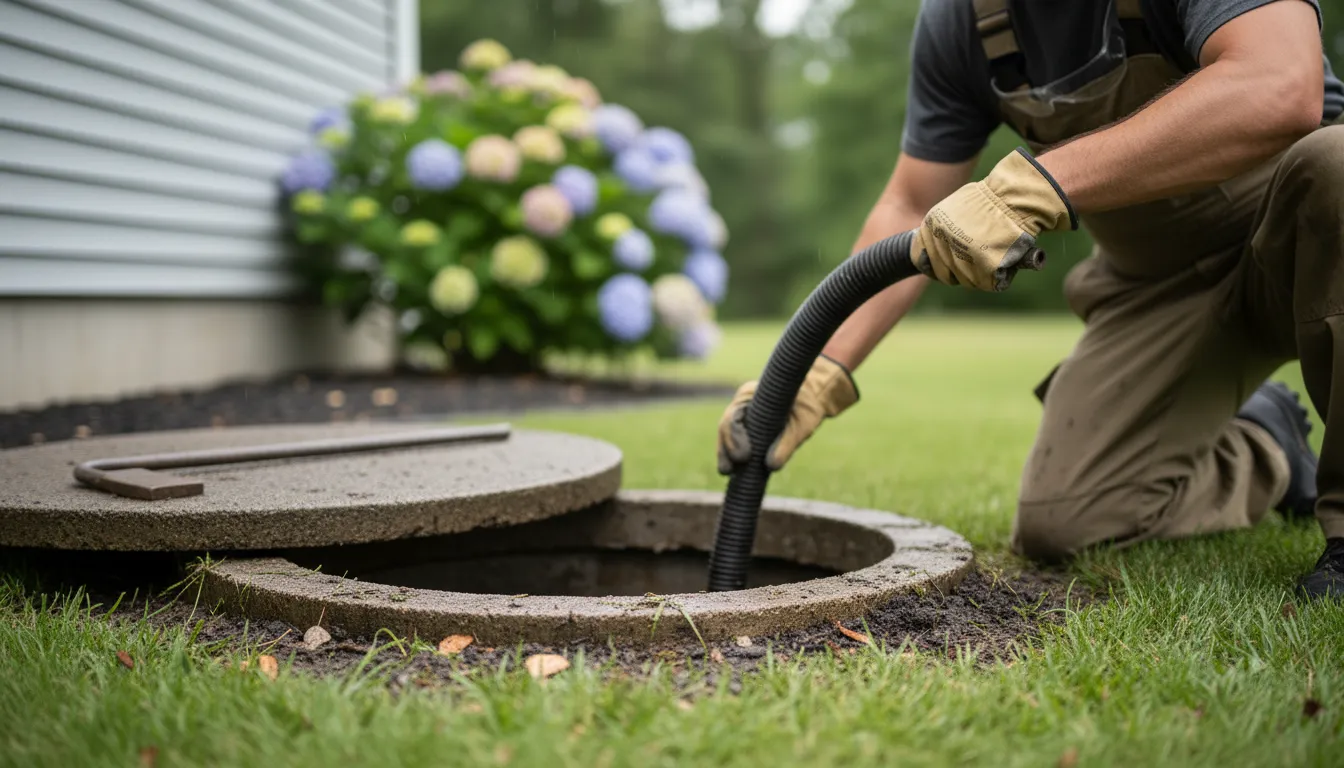
Find the Best Septic Tank Pumping Contractors for Your Business
No obligation • Fast responses • Nationwide coverage

Why you can trust Septic Spot
Septic Spot is a leading United States resource for understanding and comparing septic services. Our editors review providers using consistent criteria and verify key business details. Listings and scores are independent, and companies cannot pay to influence our content.
Search providers near you
Top Septic Tank Pumping Contractors in Springfield, Missouri Ranked
Maintaining a healthy septic system is a crucial, yet often overlooked, responsibility for homeowners. Septic tank pumping is the essential service of removing accumulated solids and scum from your tank to prevent backups, odors, and costly system failure. For residents of Springfield and Clark County, understanding local regulations and best practices is key to protecting your property and the environment. This guide will help you understand why regular septic maintenance is vital, what local rules apply, and how to find qualified professionals to handle this important job.
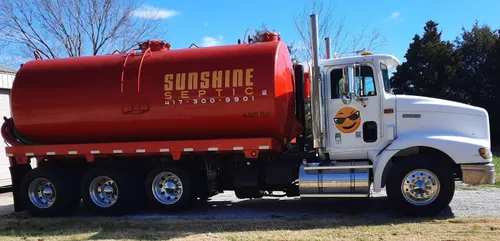
SunShine Septic
Springfield, MO
SunShine Septic is a family-owned septic and excavation company serving Springfield, MO, and surrounding areas including Ozark and Christian County. They specialize in septic system installation, pumping, and excavation services for residential and commercial properties. Their capabilities include site evaluation, system design, excavation, and septic tank installation compliant with local health regulations. With roots in excavation dating back to 2015, they bring extensive experience in soil conditions and site preparation to their work. SunShine Septic also offers emergency septic services to address urgent issues like backups and system failures.
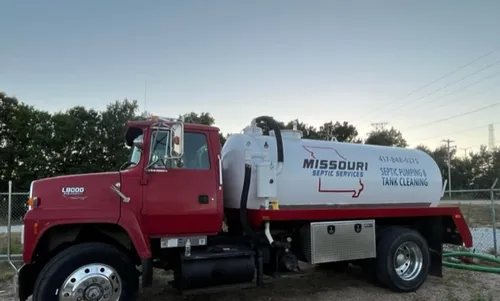
Missouri Septic Services
Springfield, MO
Missouri Septic Services is a family-owned and operated company based in Springfield, MO. They provide environmentally friendly septic tank pumping, septic system repairs, and septic tank installations. The company focuses on non-hazardous wastewater disposal and offers a range of septic services delivered by skilled professionals. Missouri Septic Services is recognized as a trusted name in septic services throughout southwest Missouri.
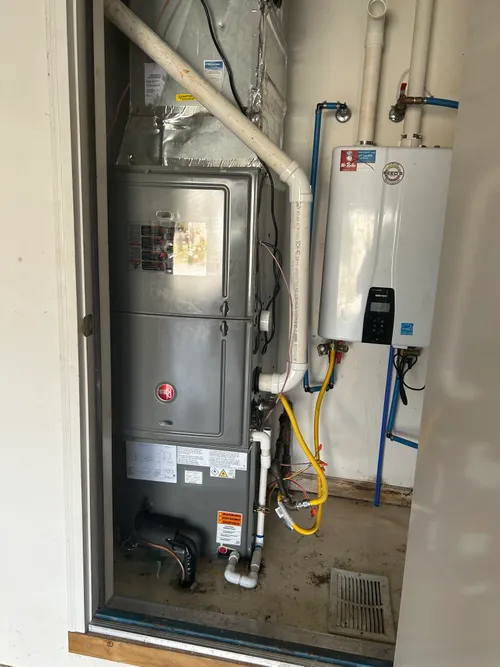
Reed’s Plumbing, Excavating, Septic, Heating & Air
611 W Commercial St, Springfield, MO 65803
Reed's Plumbing, Excavating, Septic, Heating & Air is a family-operated company serving Springfield, MO, and the surrounding Ozarks for over 50 years. They provide a wide range of services including septic tank pumping, septic tank installation, excavation, plumbing, and HVAC work. Their team handles both residential and commercial projects, offering capabilities such as hydro-jetting to clear tough clogs and full septic system installations without relying on subcontractors. The company combines traditional values with modern technology and offers 24/7 emergency plumbing services to address urgent needs.
Blackburn All Septic Tank Services
Springfield, MO
Blackburn All Septic Tank Services provides septic system solutions in Springfield, MO. They serve both residential and commercial clients with services including septic tank pumping, riser installation, grease trap cleaning, and septic pump repair. The company also offers drain cleaning, outdoor plumbing repair, and plumbing leak detection. Their team is skilled in locating septic systems and maintaining their optimal function.

Envirotek Systems
1254 N Kelly Ave, Nixa, MO 65714
Envirotek Systems is a septic system company based in Springfield, MO, serving Christian County including Nixa. They offer a range of wastewater solutions such as septic tank pumping, inspections, repairs, and installations. The company also designs, manufactures, and services sewage pumps, grinder pumps, lift stations, and sewage treatment plants. Their services extend to plumbing tasks including water line repairs and community water systems.
Why Regular Septic System Pumping is Non-Negotiable
Your septic system is a mini wastewater treatment plant buried in your yard. Every time a toilet flushes, a sink drains, or a shower runs, the wastewater flows into the septic tank. Here, solids settle to the bottom as sludge, and fats and oils float to the top as scum. The clarified liquid in the middle then flows out to the drain field for further treatment in the soil. Septic tank cleaning is necessary because the sludge and scum layers continuously build up. If they aren't removed periodically, solids can overflow into the drain field, clogging the soil and causing sewage to surface in your yard or back up into your home. This leads to expensive repairs, environmental contamination, and potential health hazards.
In Springfield, the standard guidance is to have your septic tank servicing performed every 3 to 5 years 1. However, this is a general rule. Several factors can necessitate more frequent pumping:
- Smaller Tank Size: Older homes often have smaller tanks (e.g., 500-gallon) that fill with solids more quickly.
- Household Size: A family of six will generate significantly more wastewater than a single occupant.
- High Water Usage: Frequent laundry loads, long showers, and the use of garbage disposals dramatically increase the solid waste entering the tank.
An inspection should accompany every pumping to check the tank's structural integrity, inlet/outlet baffles, and sludge/scum levels, providing a complete picture of your system's health 2.
Clark County Health District Regulations You Must Know
Local regulations in Clark County add specific legal requirements to the general maintenance advice. The Clark County Combined Health District (CCCHD) oversees all household sewage treatment systems in the area.
A critical rule involves real estate transactions. If you are selling your home in Clark County, the law requires that the septic system be inspected and pumped by a state-registered contractor. The contractor must then file a report directly with the CCCHD. This is not a suggestion-it's a mandatory step for transferring property. Using an unregistered contractor for this purpose will not satisfy the legal requirement and could delay or jeopardize your sale.
Beyond real estate, the CCCHD mandates that all septic tank emptying and inspection work that requires an official report must be completed by a contractor registered with their department. This ensures the work meets state and local standards. As the property owner, you are ultimately responsible for keeping your system functioning properly, which includes maintaining any additional components like aerators, pumps, or filters in modern advanced treatment systems.
Understanding Costs for Septic Services in Springfield
The cost for routine septic tank pumping in the Springfield area typically ranges from $200 to $450 for a standard residential tank 3. The final price depends on a few variables:
- Tank Size and Accessibility: Larger tanks (1,000+ gallons) cost more to pump. Difficult access for the service truck can also increase the price.
- Condition of the Tank: If the tank lids are buried deep or the system has not been pumped in a very long time, extra labor may be required.
- Additional Services: A basic pump-out is one thing. A full inspection, cleaning of effluent filters, or minor repairs will add to the total cost.
For homes with more complex systems, such as those with drip irrigation distribution, annual maintenance contracts are common and may average around $350 per year to ensure all mechanical components are serviced 4. While this is an ongoing cost, it is far less expensive than the thousands of dollars required to replace a failed drain field.
Find the perfect septic tank pumping contractors for your needs
Get personalized recommendations and expert advice
Best Practices for Septic System Care Between Pumpings
Pumping is the cornerstone of maintenance, but what you do between service visits greatly extends your system's life. The Ohio State University Extension and other experts provide clear guidance 5:
- Conserve Water: Spread out laundry loads, fix leaky faucets, and install high-efficiency fixtures to avoid overwhelming the system.
- Mind What You Flush: Only human waste and toilet paper should go down the toilet. Never flush wipes (even "flushable" ones), feminine hygiene products, dental floss, or chemicals.
- Use the Sink Wisely: Avoid pouring cooking oils, grease, or coffee grounds down the drain. It is strongly recommended to avoid using a garbage disposal, as it significantly increases the amount of solids entering your tank 6.
- Protect Your Drain Field: Never park cars or build structures over it. Plant only grass over the area, as tree roots can invade and damage pipes.
- Be Skeptical of Additives: Commercial septic tank additives or "cleaners" are not necessary for a well-maintained system and are not recommended by most health departments and extension services 7 8. They do not eliminate the need for pumping and can sometimes harm the bacterial balance in your tank.
Signs Your Springfield Septic Tank Needs Immediate Attention
Don't wait for your scheduled pumping interval if you notice these warning signs. They indicate your system may be failing or already full:
- Slow Drains and Gurgling: Sinks, tubs, and toilets that drain slowly or make gurgling sounds can signal a full tank or a blockage.
- Unpleasant Odors: Foul sewage smells in your yard, near the tank, or inside your house are a major red flag.
- Soggy Lawn or Surfacing Wastewater: If the grass over your drain field is unusually lush, soggy, or you see standing liquid or sewage on the ground, your drain field is clogged and failing.
- Sewage Backup: The most severe sign is raw sewage backing up into household drains or toilets.
If you observe any of these issues, contact a registered septic service provider immediately to assess the situation before it becomes an environmental and financial disaster.
Choosing a Qualified Septic Service Provider in Clark County
Selecting the right contractor is about more than just price. For your safety, your system's longevity, and legal compliance, follow these steps:
- Verify Registration: Always confirm that the company is registered with the Clark County Combined Health District, especially if you need an official report for a real estate transaction 9.
- Ask About Inspections: A reputable company will recommend or include a basic inspection (checking baffles, tank structure, sludge levels) with every pump-out.
- Get Detailed Quotes: Ask what the quoted price includes. Does it cover locating and digging up the tank lids? Does it include a full inspection report?
- Check for Insurance: Ensure the company carries liability insurance to protect your property in case of accidental damage during service.
- Ask About Waste Disposal: Licensed contractors must dispose of septage at approved wastewater treatment facilities. Don't be afraid to ask about their disposal practices.
Regular septic system maintenance, with pumping at its core, is a small investment that protects your home's value, your family's health, and Springfield's local groundwater. By following local guidelines and partnering with a qualified professional, you can ensure your system operates smoothly for decades.
Frequently asked questions
Sources
Footnotes
-
How Often to Pump a Septic Tank in Ohio - SepTek - https://www.septekservices.com/2025/05/08/how-often-should-you-pump-your-septic-tank-in-ohio/ ↩
-
Septic Tank Pumping Guide: Tips & Services in Central Ohio - https://www.austinsseptic.com/post/guide-to-septic-tank-pumping ↩
-
How much does it cost to get a septic tank pumped out? - Reddit - https://www.reddit.com/r/homeowners/comments/1nyn7a4/how_much_does_it_cost_to_get_a_septic_tank_pumped/ ↩
-
STS Components, Systems and Maintenance - https://odh.ohio.gov/know-our-programs/sewage-treatment-systems/information-for-homeowners/sts-components-systems-and-maintenance ↩
-
Septic Systems | Department of Environmental Protection - https://www.pa.gov/agencies/dep/residents/my-water/septic-systems ↩
-
Septic Tanks - Preventative Routine Maintenance - https://des.sc.gov/permits-regulations/septic-tanks/homeowner-resources/septic-tanks-preventative-routine-maintenance ↩
-
Septic System Maintenance | Ohioline - https://ohioline.osu.edu/factsheet/aex-740 ↩
-
How Often to Pump a Septic Tank 2026 - Clear River Environmental - https://clearriverenvironmental.com/how-often-to-pump-a-septic-tank/ ↩
-
Sewage & Septic Systems - Clark County Combined Health ... - https://ccchd.com/environmental-health/household-sewage-septic/ ↩