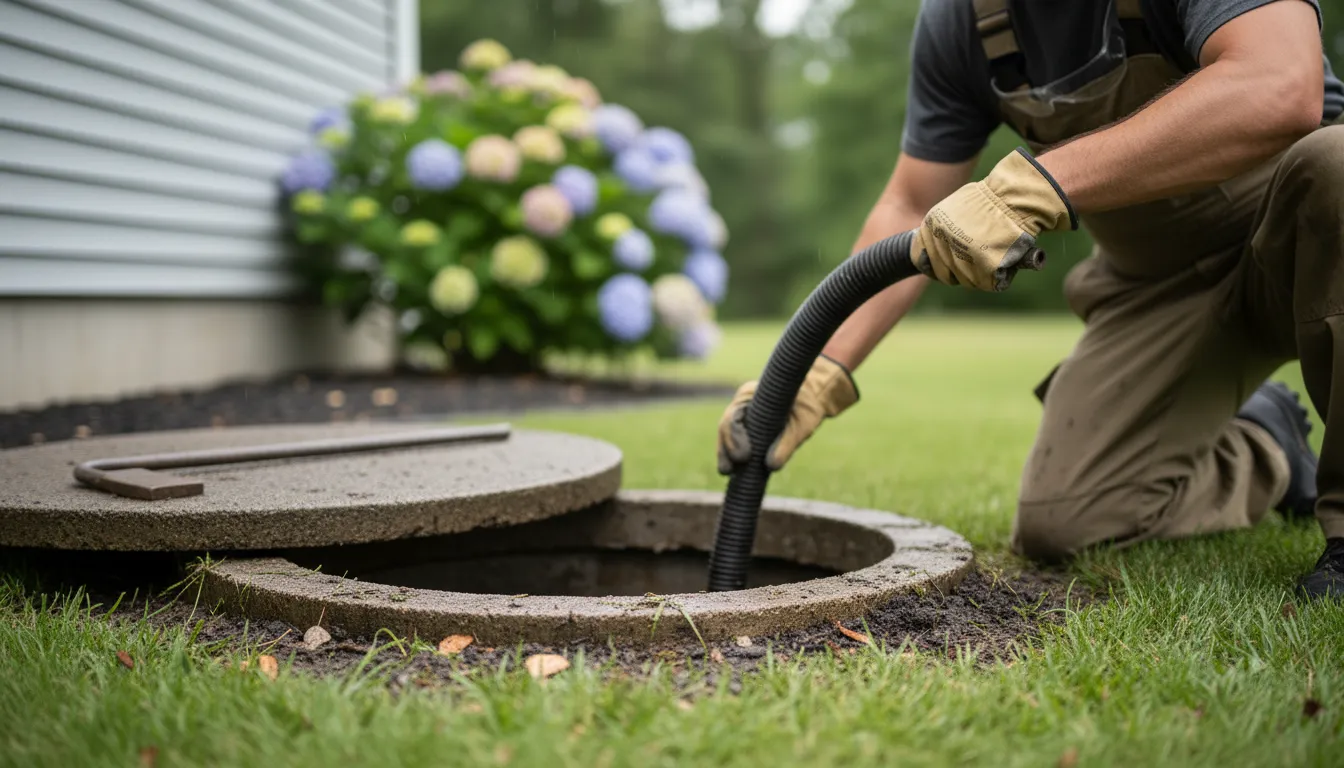
Find the Best Septic Tank Pumping Contractors for Your Business
No obligation • Fast responses • Nationwide coverage

Why you can trust Septic Spot
Septic Spot is a leading United States resource for understanding and comparing septic services. Our editors review providers using consistent criteria and verify key business details. Listings and scores are independent, and companies cannot pay to influence our content.
Search providers near you
Top Septic Tank Pumping Contractors in Independence, Missouri Ranked
Maintaining a healthy septic system is a crucial responsibility for homeowners in Independence. Regular septic tank pumping and inspection are essential services that prevent system failures, protect your property value, and safeguard local groundwater from contamination. This guide provides the local information you need to understand the process, schedule necessary maintenance, and connect with qualified professionals in the Independence area to ensure your wastewater system operates smoothly for years to come.
Honey-Wagon Septic And Grease
19546 Metcalf Ave c, Stilwell, KS 66085
Honey-Wagon Septic And Grease is a family-owned company based near Kansas City, MO, specializing in septic tank pumping, grease trap cleaning, and septic system repairs. With nearly 40 years of experience, they serve both residential and commercial customers across Miami, Wyandotte, and Johnson counties in Kansas, as well as Jackson and Cass counties in Missouri. Their certified septic inspectors are available five days a week to assist with inspections and maintenance. The company is fully licensed, bonded, and insured, offering services such as septic tank pumping, holding tank pumping, septic system repairs, and installation of septic risers.
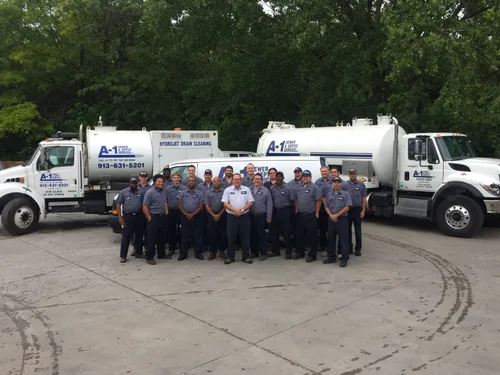
A-1 Sewer & Septic
1891 Merriam Ln, Kansas City, KS 66106
A-1 Sewer & Septic provides plumbing and septic system services in Kansas City, MO. They offer septic tank pumping, septic system repair, drain field repair, and comprehensive drain cleaning services including hydro jetting. Serving residential, commercial, and industrial clients, A-1 Sewer & Septic has been operating since 1968. The company offers same-day emergency and weekend services to address urgent plumbing and septic issues promptly.

Zoom Drain KC
5600 N Antioch Rd Suite 106, Kansas City, MO 64119
Zoom Drain KC is a drain and sewer service company located in Kansas City, MO. They specialize in residential and commercial drain cleaning, sewer repairs, septic tank pumping, and inspections. The company uses advanced equipment such as video inspection tools and high-pressure jetting to diagnose and clear blockages efficiently. With decades of experience, Zoom Drain KC offers tailored maintenance plans and complies with local plumbing regulations to ensure safe and effective service. They also provide 24/7 emergency drain and rooter services for urgent plumbing needs.
H & H Septic Service
Kansas City, MO
H & H Septic Service is a septic tank pumping and repair company based in Kansas City, MO. They offer a wide range of septic tank and grease trap services, equipped to handle jobs of any size or difficulty. With many years of experience, they address septic problems efficiently to prevent emergencies.
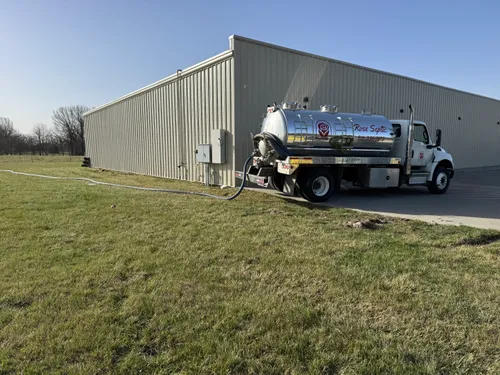
Rose Septic Tank Cleaning Inc
9217 S Litchford Rd, Grain Valley, MO 64029
Rose Septic Tank Cleaning Inc is a family-owned business serving Kansas City, MO, with septic tank pumping and inspection services. Established in 1950, the company offers comprehensive septic system care including locating tanks, real estate septic inspections, riser and lid installations, and routine pumping to maintain system health. Their licensed professionals use advanced equipment to ensure accurate service and help clients understand their septic systems. Rose Septic Tank Cleaning Inc emphasizes eco-friendly practices and provides emergency services to prevent costly backups and protect property value.
Why Septic System Maintenance Matters in Independence
A septic system is an on-site wastewater treatment plant for your home. When functioning correctly, it safely processes all the water from your sinks, showers, toilets, and appliances. The tank itself holds the wastewater, allowing solids to settle as sludge and oils to float as scum. The clarified liquid then flows out to the drainfield for further treatment in the soil. Over time, the sludge and scum layers accumulate. If they aren't removed through regular pumping, they can overflow into the drainfield, causing clogs, sewage backups into your home, and costly environmental damage 1.
In Independence, proper maintenance isn't just a recommendation-it's often tied to local regulations. The City of Independence Resource Management Department requires inspections for new systems before they are covered and for certain modifications. Adhering to a proactive pumping schedule is the most effective way to avoid emergencies, expensive repairs, and potential violations.
Recommended Pumping & Inspection Schedule
How often you need to schedule septic tank cleaning depends on several household factors. General guidelines from the Missouri Department of Health and Senior Services and the U.S. Environmental Protection Agency (EPA) recommend an inspection every 1 to 3 years and pumping every 3 to 5 years 2.
However, your specific schedule may vary. Consider these key factors:
- Household Size: More people generate more wastewater and solids. A household of four or more will likely need pumping more frequently than a single occupant.
- Tank Size: Smaller tanks (under 1,000 gallons) fill up faster and require more frequent service, potentially every 1 to 3 years 3.
- Water Usage: Excessive water use from laundry, long showers, or leaky fixtures can overload the system, shortening the time between necessary pump-outs.
- Waste Habits: What goes down your drains matters. Avoid flushing chemicals, grease, wipes, or other non-biodegradables that accelerate sludge buildup.
A professional inspector can measure the sludge and scum layers in your tank during a routine check. A common rule is to pump the tank when the combined sludge and scum fill about one-third of the tank's volume.
Understanding the Pumping and Inspection Process
Knowing what to expect can make scheduling septic services straightforward. A standard service visit typically includes:
- Locating & Uncovering: The technician will locate your tank and risers (access ports) and remove any covering soil or lids.
- Initial Inspection: They will visually check the inlet and outlet baffles (tees) for blockages or damage, which are critical for proper system function 4.
- Pumping: Using a large truck-mounted vacuum hose, all solid and liquid waste is pumped from the tank into the truck's holding tank.
- Final Inspection & Cleaning: After pumping, the tank interior is inspected for cracks, leaks, or structural issues. The technician may also rinse the tank walls and check the effluent filter if your system has one.
- System Closure & Documentation: The lids are securely replaced, the area is tidied, and you should receive a report detailing the services performed and any observations or recommendations.
For more comprehensive evaluations, especially during a property transfer or before a system modification, a licensed inspector will conduct a more detailed operational inspection. This assesses the entire system, including the drainfield, for proper function 5.
Find the perfect septic tank pumping contractors for your needs
Get personalized recommendations and expert advice
Local Independence Regulations and Requirements
The City of Independence has specific rules governing septic systems to protect public health. Key local requirements include:
- Pre-Cover Inspection: For any new septic system installation, the city mandates an inspection by the Resource Management Department before the tank and lines are covered with soil.
- Inspection Ports: Regulations require inspection ports on lateral lines to facilitate monitoring and maintenance 6.
- Modification Inspections: If you are modifying your system, such as changing a connection for a mobile home, a licensed inspector must examine the tank and baffles 7.
Staying informed about these local codes ensures your maintenance aligns with city standards and avoids complications during future property improvements or sales.
Cost of Septic Tank Pumping in Independence
The price for septic tank pumping in Independence varies based primarily on tank size and accessibility. On average, homeowners can expect to pay between $225 and $1,100+ for a standard pump-out service 8 9.
Here's a general cost breakdown by tank capacity:
- 750-Gallon Tank: $225 - $550
- 1,000-Gallon Tank: $250 - $700
- 1,500-Gallon Tank: $350 - $1,100+
Additional costs may apply for emergency service, locating a buried tank lid, repairing damaged baffles, or pumping a system that hasn't been maintained in many years. While cost is a factor, choosing a provider based on licensing, experience, and reputation is crucial for a job done correctly.
Protecting Your Septic System Between Services
Proper daily care extends the life of your system and the time between pumpings. Follow these best practices:
- Conserve Water: Fix leaky faucets and toilets, and spread out laundry loads to avoid hydraulically overloading the drainfield.
- Mind What You Flush: Only human waste and toilet paper should go down the toilet. Never flush wipes (even "flushable" ones), feminine hygiene products, dental floss, or chemicals.
- Dispose of Grease Properly: Never pour cooking oils or grease down the drain, as they solidify and clog pipes.
- Protect the Drainfield: Never drive or park vehicles over the tank or drainfield area. Keep roof drains, sump pumps, and other surface water away from this area. Also, avoid planting trees or deep-rooted shrubs near the drainfield lines 10.
Signs Your Septic Tank Needs Immediate Attention
Don't wait for a complete failure. Contact a professional if you notice any of these warning signs:
- Slow Drains: Sinks, showers, and toilets that drain slowly throughout the house.
- Sewage Odors: Unpleasant smells inside your home or around the yard near the tank or drainfield.
- Gurgling Sounds: Bubbling or gurgling noises from your plumbing.
- Wet, Spongy Yard: Soggy ground or standing water over the drainfield, especially with a foul odor.
- Sewage Backup: The most severe sign-wastewater backing up into household drains.
Addressing these issues promptly can prevent more extensive and expensive damage to your property and system.
Frequently asked questions
Sources
Footnotes
-
An Onsite Wastewater Treatment System Owner's Manual - https://health.mo.gov/living/environment/onsite/pdf/SystemOwnersManual.pdf ↩
-
Frequent Questions on Septic Systems | US EPA - https://www.epa.gov/septic/frequent-questions-septic-systems ↩
-
How Often Should You Pump Your Septic Tank: 3 Factors Solved - https://www.frasiers.com/blog/sewage-tank-pump-frequency/ ↩
-
What Homeowners Should Know About Septic Systems - https://www.mohomeinspectors.com/septic-systems ↩
-
regulations & standards for on-site wastewater systems - https://greenecountymo.gov/files/files.php?id=1493 ↩
-
Septic System Permits | City of Independence, MO - https://www.independencemo.gov/government/city-departments/municipal-services/permits-public-infrastructure-improvements/septic-system-permits ↩
-
Septic Systems | Department of Environmental Protection - https://www.pa.gov/agencies/dep/residents/my-water/septic-systems ↩
-
How Much Does it Cost to Pump a Septic Tank? 2026 Price Guide - https://rescueheroplumbing.com/how-much-does-it-cost-to-pump-a-septic-tank ↩
-
How Much Does It Cost to Pump a Septic Tank in Kansas City, MO? - https://www.angi.com/articles/how-much-does-septic-tank-pumping-cost/mo/kansas-city ↩
-
Maintaining Your Septic System - https://www.snohd.org/682/Maintaining-Your-Septic-System ↩