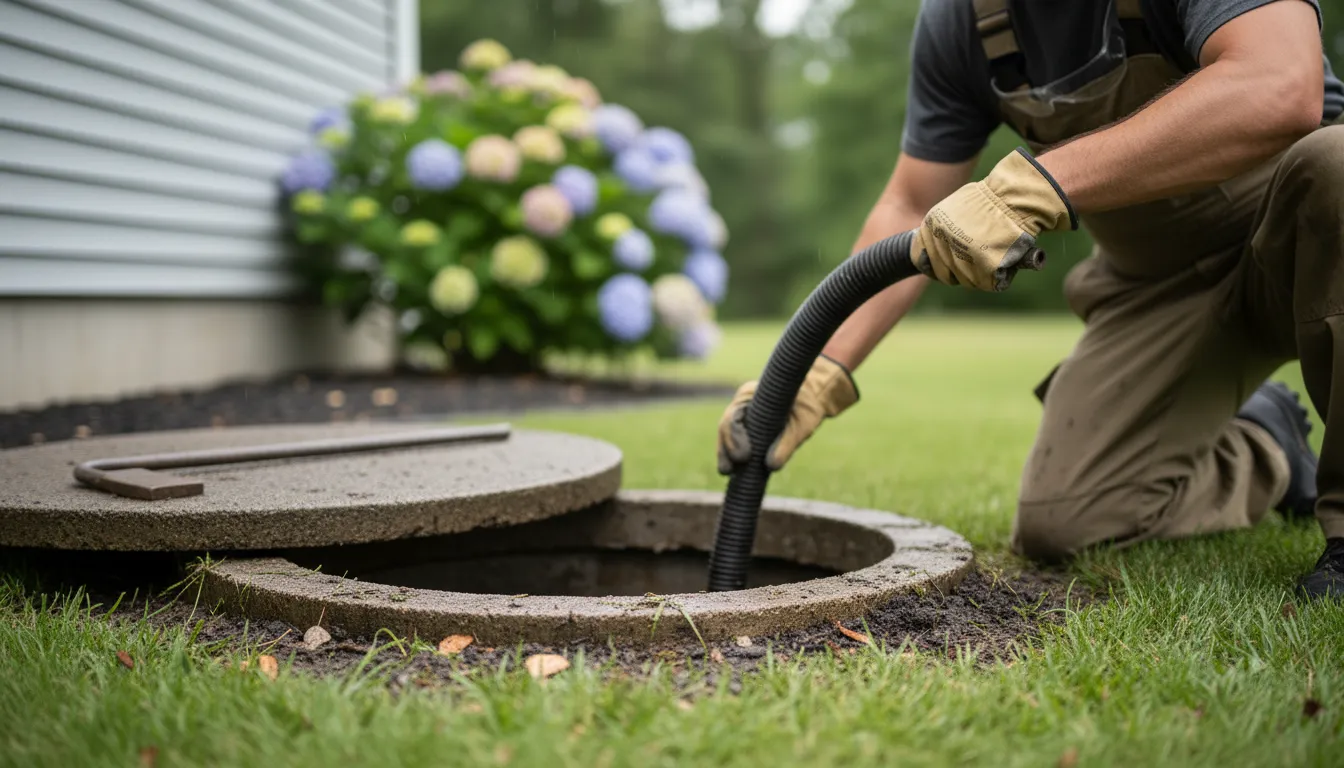
Find the Best Septic Tank Pumping Contractors for Your Business
No obligation • Fast responses • Nationwide coverage

Why you can trust Septic Spot
Septic Spot is a leading United States resource for understanding and comparing septic services. Our editors review providers using consistent criteria and verify key business details. Listings and scores are independent, and companies cannot pay to influence our content.
Search providers near you
Top Septic Tank Pumping Contractors in St Louis, Missouri Ranked
Maintaining a healthy septic system is a crucial responsibility for homeowners not connected to a municipal sewer line. Septic tank pumping is the essential service of removing accumulated solids and sludge from your tank to prevent system failures, backups, and costly environmental damage. This guide explains why regular septic pumping matters, how to find reliable local service providers, and what St. Louis residents need to know to protect their property and investment.
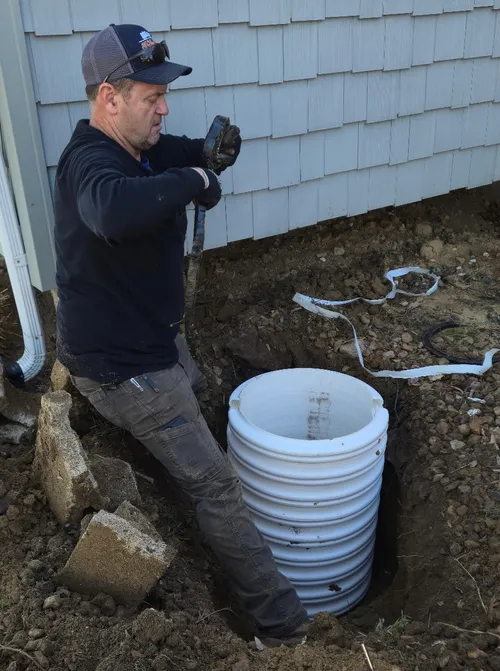
Nolen Septic Services
2000 Little Round Top Dr, Edwardsville, IL 62025
Nolen Septic Services is a family-owned septic tank pumping company serving St Louis, MO, and surrounding areas. Established in 2000, they provide residential and commercial septic cleaning, aeration tank emptying, drain unclogging, grease trap maintenance, and troubleshooting services. Their licensed and insured team covers multiple towns in Illinois, including Madison and St. Clair counties, ensuring septic systems operate efficiently and safely.
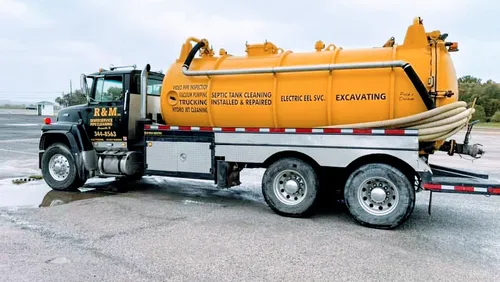
R and M Sewer, Septic and Pipe Cleaning
396 Bethel Mine Rd, Caseyville, IL 62232
R and M Sewer, Septic and Pipe Cleaning is a family-owned company serving St Louis, MO, and nearby areas. They provide residential, commercial, and industrial sewer and drain services including clog removal, sewer line repair, and septic tank pumping. Their skilled plumbers use video sewer inspections and sewer rodding to address a variety of plumbing issues. The company offers 24/7 emergency plumbing service for urgent repairs.

Ross Excavating
St Louis, MO
Ross Excavating is a septic tank pumping company based in St Louis, MO, serving Madison and St. Clair Counties and surrounding areas. The company offers a wide range of site work services including land clearing, grading, excavation, septic projects, and aeration. Ross Excavating has been operating since 1995 and is known for its ownership of necessary tools and machinery to handle various projects efficiently.
Wallach Septic Services Inc
Kirkwood, MO 63122
Wallach Septic Services Inc is a septic tank pumping company based in St Louis, MO. They provide septic and drain field cleaning services, drawing on decades of experience since 1983. As a locally owned business, the owner is involved in each job to maintain quality standards.
Why Regular Septic Pumping is Non-Negotiable
Your septic system is a silent workhorse, treating all the wastewater from your home. Over time, solids settle at the bottom of the tank as sludge, while lighter materials like fats and oils float as scum. If these layers build up too much, they can flow into the drain field, clogging the soil and causing sewage to surface in your yard or back up into your home. Regular tank cleaning is the most effective preventative measure to avoid these messy and expensive emergencies 1.
A failing septic system is more than an inconvenience; it's a health hazard and a significant financial burden. Repairing or replacing a drain field can cost tens of thousands of dollars. Routine pumping, by contrast, is a manageable maintenance cost that extends the life of your entire system for decades. It's the cornerstone of responsible homeownership for those with on-site wastewater treatment.
Recommended Pumping Frequency for St. Louis Homes
The golden rule for septic maintenance is to pump your tank every 3 to 5 years. However, this is a general guideline. The exact schedule for your St. Louis home depends on several key factors:
- Household Size: More people generate more wastewater and solid waste. A family of four will need more frequent service than a single occupant.
- Tank Size: Smaller tanks fill with solids faster. A 1,000-gallon tank serving a four-person household typically requires pumping every 2.5 to 3 years 2.
- Total Wastewater Generated: High water usage from frequent laundry, long showers, or excessive toilet flushing accelerates sludge buildup.
- Garbage Disposal Use: Using a garbage disposal significantly increases the amount of solids entering the tank, often necessitating more frequent pumping.
Local providers like King Septic Services and Coastal Septic Solutions note that for smaller tanks (under 750 gallons) or larger households, a 2-3 year pumping cycle is often advisable 3 4. The best practice is to have a professional inspect your tank's sludge and scum levels to determine a personalized schedule.
What to Expect: The Septic Pumping Process
Understanding what happens during a pump-out can help you prepare and ensure the job is done correctly. A standard service from a qualified professional includes:
- Locating & Accessing the Tank: The technician will find the tank lids. If they are buried, they may need to excavate the area, which can add to the cost.
- Inspecting the System: Before pumping, a good technician will perform a basic visual inspection of the tank's inlet and outlet baffles and look for signs of damage or leaks.
- Pumping the Tank: Using a large vacuum truck, all liquid and solid waste is pumped out from the tank.
- System Rinse (Optional): Some companies may rinse the tank walls with water to dislodge stubborn solids, but they avoid over-filling the tank.
- Final Inspection & Advice: After pumping, the technician should check the empty tank again and may offer advice on your system's condition and recommended maintenance frequency.
Find the perfect septic tank pumping contractors for your needs
Get personalized recommendations and expert advice
Understanding Costs for Septic Service in St. Louis
The cost for septic tank pumping in the St. Louis area typically ranges from $350 to $650 for a standard residential tank 5 6. Several variables influence the final price:
- Tank Size and Volume: Pumping a 1,500-gallon tank costs more than a 500-gallon tank due to the additional time and disposal fees.
- Accessibility: If the tank is deep, far from the driveway, or requires lid excavation, labor costs will increase.
- Additional Services: Costs will be higher if you also need a full inspection, repairs, or emergency service outside of normal business hours.
While price is a factor, the lowest bid isn't always the best value. Choose a licensed, insured provider with good local references to ensure the job is done thoroughly and safely.
Proactive Maintenance Beyond Pumping
Pumping is the most critical service, but a comprehensive maintenance plan includes other steps to ensure system longevity.
- Annual Inspections: Even in years you don't pump, a professional inspection can catch small issues like broken baffles or early signs of drain field failure before they become catastrophic.
- Map Your System: Keep a detailed record of your tank and drain field location. This is invaluable for future service and prevents accidental damage during landscaping or construction projects 7.
- Conserve Water: Spread out water-intensive activities (laundry, showers) throughout the week to avoid hydraulically overloading the system 8.
- Mind What You Flush: Only human waste and toilet paper should go down the drain. Avoid flushing wipes (even "flushable" ones), feminine hygiene products, cooking grease, and chemicals.
For specific regulations and permits related to septic systems in our area, you can contact the St. Louis County Department of Public Health.
Choosing a Local Septic Service Provider
Finding a trustworthy company for your tank cleaning or septic pumping needs requires a bit of research. Look for providers that:
- Are licensed and insured to work in Missouri.
- Have several years of experience serving the St. Louis region.
- Offer clear, upfront pricing and detailed explanations of their services.
- Can provide references from local customers.
- Emphasize inspection and education, not just pumping.
Local expertise matters, as providers familiar with St. Louis soil conditions and common system types can offer the most relevant advice for maintaining your system's health through every season.
Frequently asked questions
Sources
Footnotes
-
Septic Tank Pumping Frequency: Crucial Maintenance Guide - https://septic911.com/septic-tank-pumping-frequency/ ↩
-
How Often Should a Septic Tank Be Pumped? | Complete Guide - https://callbeeline.com/plumbing/how-often-should-a-septic-tank-be-pumped-a-complete-guide/ ↩
-
Tank Cleaning - https://www.kingsepticservice.com/King_Tank%20Cleaning.html ↩
-
How Often Should You Get Your Septic Tank Pumped? - https://www.coastalsepticsolutions.com/blog/how-often-should-you-get-your-septic-tank-pumped ↩
-
How Much Does It Cost to Pump a Septic Tank in St. Louis, MO? - https://www.angi.com/articles/how-much-does-septic-tank-pumping-cost/mo/st-louis ↩
-
How Much Does It Cost to Pump a Septic Tank? - https://dillonseptic.com/how-much-does-it-cost-to-pump-a-septic-tank/ ↩
-
What Homeowners Should Know About Septic Systems - https://www.mohomeinspectors.com/septic-systems ↩
-
Caring for Your Septic System | Mass.gov - https://www.mass.gov/guides/caring-for-your-septic-system ↩