Find the Best Septic Tank Pumping Contractors for Your Business
No obligation • Fast responses • Nationwide coverage

Why you can trust Septic Spot
Septic Spot is a leading United States resource for understanding and comparing septic services. Our editors review providers using consistent criteria and verify key business details. Listings and scores are independent, and companies cannot pay to influence our content.
Search providers near you
Top Septic Tank Pumping Contractors in Lincoln, Nebraska Ranked
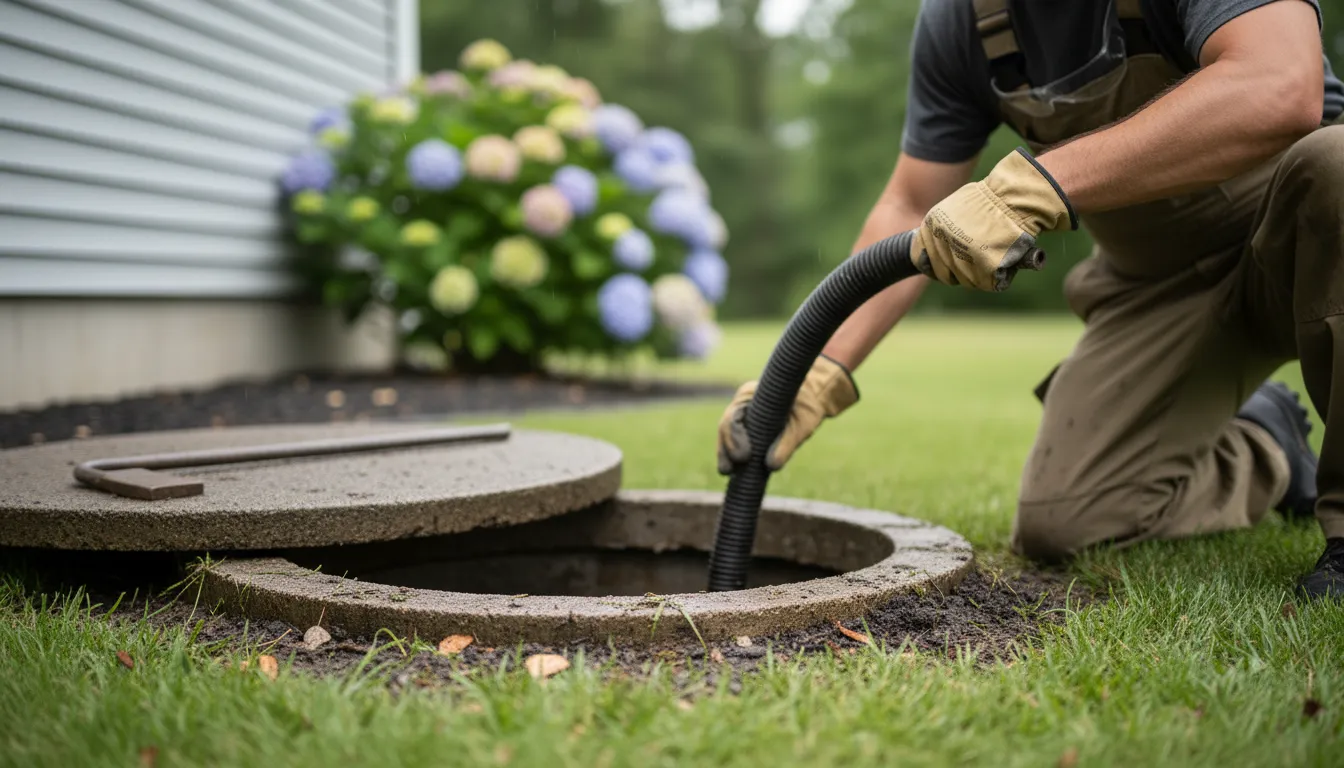
Maintaining your septic system is a crucial responsibility for any homeowner not connected to a municipal sewer line. Septic tank pumping is the essential service of removing accumulated solids and scum from your tank to prevent system failure, costly repairs, and environmental contamination. In Lincoln, this process is governed by local soil conditions, household habits, and Nebraska state regulations. This guide will help you understand the specifics of septic maintenance in our area, from recommended service frequency to finding qualified local professionals to keep your system functioning smoothly for years to come.
Allen Septic
240 W 3rd St, Douglas, NE 68344
Allen Septic is a septic service provider based in Lincoln, NE, offering a range of services including septic tank pumping, system repair, installation, and lagoon maintenance. They work with both residential and commercial clients to ensure septic systems meet specific property needs. The company uses modern technology such as sewer inspection cameras and electronic line locators to accurately locate and inspect septic systems. They also provide main line cleaning with professional-grade equipment to clear blockages and maintain system flow. Allen Septic offers 24/7 emergency services to address urgent septic issues promptly.
Southwick Liquid Waste
Hickman, NE 68372
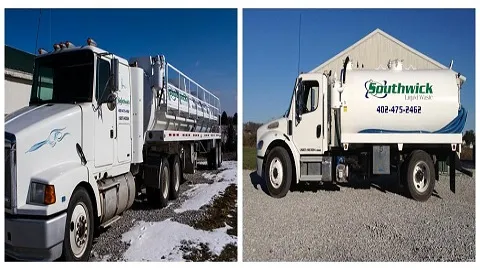
Southwick Liquid Waste is a family-owned septic tank pumping and installation company based near Lincoln, NE. Serving Lincoln and surrounding areas, they offer residential septic pumping and install septic systems tailored to property needs. They operate the largest capacity wastewater pumping truck in Lincoln and Omaha, supporting larger pumping requirements. With over 30 years of experience, Southwick Liquid Waste brings extensive knowledge to their services.
Understanding Your Septic System and Why Pumping is Vital
A septic system is an on-site wastewater treatment structure, typically consisting of a tank and a drainfield (or leach field). All the water from your home-from toilets, showers, sinks, and appliances-flows into the underground tank. Here, solids settle to the bottom as sludge, fats and oils float to the top as scum, and the relatively clear liquid in the middle (effluent) exits into the drainfield for further treatment by the soil. Over time, the sludge and scum layers build up. If they aren't removed via regular septic tank cleaning, they can overflow into the drainfield, clogging the soil and causing sewage to back up into your home or pool on your lawn-a messy, unhealthy, and expensive problem to fix.
For Lincoln homeowners, proactive maintenance isn't just a suggestion; it's a necessity for protecting your property value and our local groundwater. A failed system is a public health hazard and can lead to significant fines. Regular pumping is the single most important thing you can do to extend the life of your entire septic system.
How Often Should You Schedule Septic Tank Pumping in Lincoln?
There's no one-size-fits-all answer, but local experts and Nebraska extension services provide clear guidelines based on your household's specifics. The general recommendation for Lincoln is to have your tank pumped every 2 to 3 years 1. However, several key factors can adjust this timeline.
- Household Size and Water Usage: A 1,000-gallon tank serving a family of 3-4 typically needs pumping every 2-3 years 2. Larger families or smaller tanks will require more frequent service, while a single occupant in a large tank may extend the interval.
- Garbage Disposal Use: If your kitchen has a garbage disposal, it significantly increases the solid waste load entering your tank. Many experts recommend pumping every year if you use a disposal regularly 3. Local regulations may even require increased drainfield capacity for homes with disposals.
- Tank Size: The most common residential tank size is 1,000 gallons, but older homes may have 750-gallon or 500-gallon tanks. Smaller tanks fill with solids faster.
- System Age and Condition: Older systems or those with a history of issues may benefit from more attentive care and more frequent pumping.
While some sources mention intervals of 3-5 years under ideal conditions, the 2-3 year guideline is a prudent, proactive standard for our area that helps prevent drainfield failure 4 5. Waiting until you have a problem is always more costly than routine maintenance.
What to Expect During a Professional Pumping Service
Hiring a certified professional is non-negotiable for septic tank pumping. In Nebraska, licensed pumpers are required to report their service to the local board of health, which helps maintain a record of your system's maintenance-a valuable asset if you sell your home.
A thorough service involves more than just vacuuming out the tank. A reputable provider will:
- Locate and uncover the tank's access manholes.
- Inspect the inlet and outlet baffles or tees (crucial components that prevent solids from exiting the tank) for damage.
- Pump out all contents (sludge, scum, and liquid) from the tank.
- Possibly rinse the tank interior to observe for cracks or leaks.
- Measure the sludge and scum layers to determine how full the tank was and advise on your optimal pumping schedule. A good rule is to pump before the combined layers exceed 30-35% of the tank's volume 6.
- Provide you with a detailed service report for your records.
Find the perfect septic tank pumping contractors for your needs
Get personalized recommendations and expert advice
The Cost of Septic Tank Pumping in Lincoln
Understanding the potential costs helps you budget for this essential home maintenance. For a standard pumping of a 1,000-gallon tank in Lincoln, you can expect an average cost ranging from $250 to $270. This is a typical baseline for a routine service on a well-maintained system.
Several factors can increase this price:
- Tank Size: Larger tanks (1,500 gallons) cost more to pump.
- Tank Accessibility: Difficult access (e.g., buried deep, under a deck, or far from where the truck can park) may add labor fees.
- Condition of the System: Tanks that are severely overdue for pumping (e.g., 7+ years) or have hardened, compacted solids may require additional labor or special equipment, potentially adding $100 to $200 to the standard cost 7.
- Emergency Service: A weekend or after-hours call for a backup can cost significantly more, ranging from $450 to $1,200 depending on the severity and time 8.
Investing in routine pumping at the standard rate is far more economical than paying for emergency repairs or a full drainfield replacement, which can cost tens of thousands of dollars.
The Critical Role of Inspections
A pumping appointment is the perfect time for a basic inspection. You should have a more comprehensive septic system inspection performed by a certified professional every 1-3 years, or during real estate transactions 9. Key inspection points include:
- Baffles/Tees: Ensuring these are intact and functional.
- Tank Integrity: Checking for cracks, leaks, or corrosion.
- Drainfield: Looking for signs of failure, such as soggy ground, foul odors, or unusually lush grass over the field.
- Mechanical Components: Testing pumps, alarms, and filters if your system has them.
What Lincoln Homeowners Should Avoid
To protect your investment, steer clear of these common pitfalls:
- Chemical Additives: Avoid septic tank additives like Rid-X or other "magic" solutions. Research from the University of Nebraska-Lincoln indicates they do not eliminate the need for pumping and can sometimes harm the bacterial balance in your tank or cause solids to flow into and clog the drainfield 10.
- Flushing Harmful Items: Never flush wipes (even "flushable" ones), feminine hygiene products, dental floss, cooking grease, or chemicals. These clog systems rapidly.
- Overloading the System: Space out laundry loads and fix dripping faucets to avoid hydraulically overloading the tank and drainfield.
- Compacting the Drainfield: Never drive or park vehicles, or build structures, over your drainfield area.
Nebraska and Local Regulations
Nebraska law (Title 124) sets standards for onsite wastewater treatment systems. While homeowners are permitted to maintain their own systems if they comply with the law, it is highly advisable to use licensed professionals who understand the latest codes. Always check with the Lincoln/Lancaster County Health Department for any local permitting requirements before installing, repairing, or altering your system. Keeping detailed records of all pumping, inspections, and repairs is not only smart-it's often required.
Frequently asked questions
Sources
Footnotes
-
Porta Potty and Septic FAQs - Lincoln, NE - Uribe Refuse Services - https://www.uriberefuse.com/septic-portable-toilets-faqs ↩
-
How Often Should You Pump Your Septic Tank? - https://tlsepticpumper.com/septic-system-education/how-often-pump-septic-tank/ ↩
-
Comprehensive Guide to Caring for Your Home Septic System - https://www.lincolntown.org/DocumentCenter/View/85918/Care-of-Septic-Systems ↩
-
Maintaining Your Septic System | UNL Water | Nebraska - https://water.unl.edu/article/wastewater/maintaining-your-septic-system/ ↩
-
Optimizing Septic Tank Pumping Frequency for Households - https://www.unitedsewerservice.com/frequency-of-septic-tank-pumping-for-different-household-sizes/ ↩
-
How Often to Pump Your Septic Tank? Splash Plumbing's Guide - https://www.splashplumbing.com/how-often-should-septic-tank-be-pumped-for-optimal-maintenance-and-longevity/ ↩
-
Septic Pumping Cost by State: 2024 Complete Price Guide - https://wastedoor.com/article/septic-pumping-cost-by-state ↩
-
Lincoln Septic Systems Costs & Prices - ProMatcher Cost Report - https://septic-systems.promatcher.com/cost/lincoln-ne-septic-systems-costs-prices.aspx ↩
-
Septic Tank and Drainfield Maintenance - https://extensionpublications.unl.edu/assets/html/g1424/build/g1424.htm ↩
-
Residential Onsite Wastewater Treatment: Septic Tank Design and ... - https://extensionpubs.unl.edu/publication/219/html/view ↩