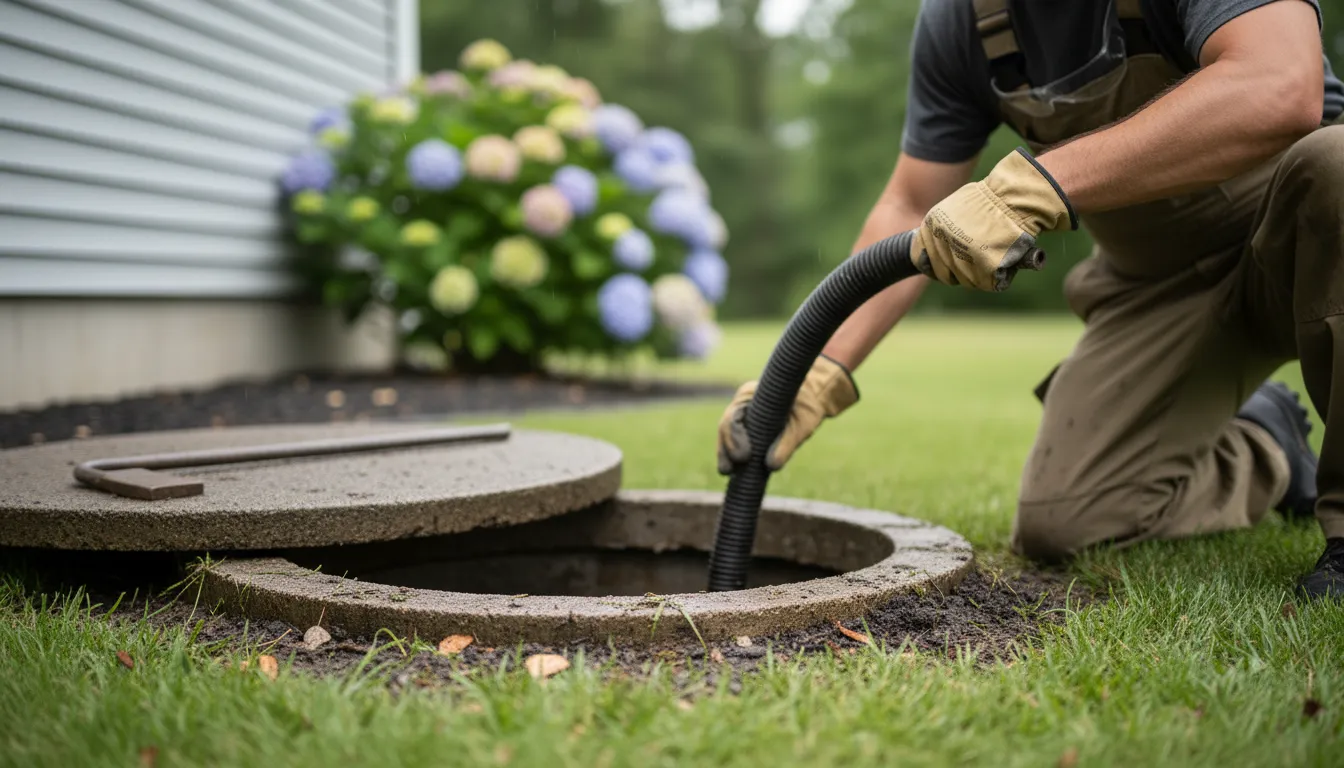
Find the Best Septic Tank Pumping Contractors for Your Business
No obligation • Fast responses • Nationwide coverage

Why you can trust Septic Spot
Septic Spot is a leading United States resource for understanding and comparing septic services. Our editors review providers using consistent criteria and verify key business details. Listings and scores are independent, and companies cannot pay to influence our content.
Search providers near you
Top Septic Tank Pumping Contractors in Omaha, Nebraska Ranked
Maintaining your septic system is a crucial responsibility for any homeowner not connected to a municipal sewer line. Regular septic tank pumping is the most important maintenance task you can perform to prevent system backups, environmental contamination, and costly repairs. This guide provides essential information for Omaha residents on how septic service works, local regulations, and how to find qualified professionals to keep your system functioning properly for years to come.
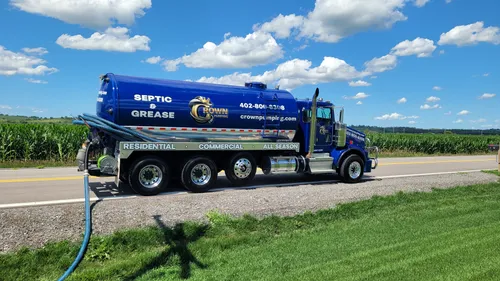
Crown Pumping
Omaha, NE
Crown Pumping is a septic tank pumping company based in Omaha, NE. They provide septic tank pumping and grease trap cleaning services to residential and commercial customers in Omaha, Iowa, and nearby communities. Their services focus on maintaining septic and plumbing systems to prevent costly issues and ensure smooth operation.

Norm's Pumping Service Inc
20418 Husker Ln, Council Bluffs, IA 51503
Norm's Pumping Service Inc provides septic system services including pumping, inspections, repairs, and installations in Omaha, NE. With over 70 years of experience since 1954, they serve both residential and commercial clients. Their capabilities include septic pump repairs and certified septic tank inspections, as well as grease trap maintenance to prevent sewer line clogs. Norm's offers emergency and routine septic pumping to help maintain system performance.
Midland Pumping Service
Omaha, NE
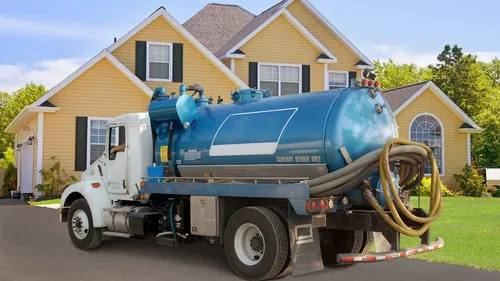
Midland Pumping Service is a septic tank pumping and inspection company based in Omaha, NE. With over 25 years of experience, they provide a variety of services including grease trap maintenance, septic tank inspections, pumping for residential and commercial properties, and hydro jetting to clear clogs and blockages. The company serves multiple areas in Douglas and Sarpy counties as well as Pottawattamie County, Iowa. Midland Pumping Service also offers 24/7 emergency services to address urgent septic and pumping needs.
Sewer Specialist LLC
Omaha, NE
Sewer Specialist LLC is a veteran-owned company providing septic tank pumping, inspection, and sewer services in Omaha, NE, and the surrounding areas including Council Bluffs and nearby towns. They offer a range of services such as drain cleaning, pipe lining, sewer line repair, and water line replacement. Their team uses advanced technology to diagnose and fix sewer and septic issues efficiently. The company is licensed and insured, offers 24/7 emergency service, and provides military and veteran discounts.
Understanding Your Septic System
Before diving into pumping schedules, it's helpful to understand the basics of a conventional septic system. Wastewater from your home flows into an underground septic tank. Inside the tank, solids settle to the bottom as sludge, while fats and oils float to the top as scum. The liquid effluent in the middle layer then flows out into a drain field, where it is filtered and treated by the soil. The tank itself is simply a holding and separating chamber; the solids that accumulate must be physically removed through pumping. Neglecting this allows sludge and scum to overflow into the drain field, which can clog the soil and cause system failure.
How Often Should You Pump Your Septic Tank in Omaha?
The most common question homeowners have is about frequency. While a general national guideline is every 3-5 years, the ideal schedule for your Omaha home depends on several key factors 1 2.
- Household Size and Water Usage: This is the primary driver. A single-person household will generate far less solid waste than a family of five. Larger families or homes with frequent guests typically need more frequent septic tank cleaning.
- Tank Size: The capacity of your tank, measured in gallons, determines how much waste it can hold before needing service. Older homes may have smaller 500-750 gallon tanks, while newer installations are often 1,000 gallons or larger.
- Garbage Disposal Use: Using a garbage disposal significantly increases the amount of solids entering your tank. If you use yours regularly, plan on more frequent pumping intervals.
- Overall System Age and Condition: Older systems or those with a history of issues may require more vigilant maintenance.
Local recommendations suggest that a smaller household of 1-2 people might extend the interval to 5+ years, while a larger household or one with a garbage disposal may need pumping every 2-3 years 3. The only way to know for sure is through regular inspections.
The Importance of Professional Inspection
Pumping should not be done on a blind schedule. A professional inspection is the best way to determine exactly when your tank needs to be emptied. Nebraska experts recommend inspecting your system every 1-3 years. During an inspection, a certified pumper will measure the levels of sludge and scum in your tank.
The rule of thumb for pumping is when the sludge layer is within 12 inches of the outlet baffle or when the scum layer is within 3 inches of the bottom of the outlet baffle 4. These baffles are crucial components that prevent solids from exiting the tank. Nebraska Department of Environment and Energy (NDEE) regulations mandate that all septic tanks have inspection pipes (at least 6 inches in diameter) over both the inlet and outlet baffles, extending to the ground surface, to facilitate this measurement 5.
Find the perfect septic tank pumping contractors for your needs
Get personalized recommendations and expert advice
What to Expect: The Pumping Process and Costs
When you hire a professional for septic tank servicing, the process typically involves locating and uncovering the tank's access lids, inspecting the baffles and tank interior, pumping out all the accumulated solids and liquids, and then properly disposing of the waste at a licensed facility. They may also rinse the tank lightly and inspect the drain field area for signs of failure.
For Omaha residents, the average cost for standard septic tank pumping ranges from $300 to $600. Several factors influence the final price:
- Tank Size: Pumping a 1,000-gallon tank typically costs between $400 and $500. Smaller tanks (500-750 gallons) may be $300-$400, while larger tanks (1,500+ gallons) can cost $600 or more 6.
- Tank Accessibility: If the tank is buried deep, under a patio, or otherwise difficult to access, labor costs will increase.
- Additional Services: The base pumping cost may include a basic visual inspection. Cleaning the inlet/outlet baffles, replacing an effluent filter, or providing a detailed written report may incur additional fees.
Always ask for a detailed quote that outlines what is included before work begins.
Nebraska Regulations and Choosing a Certified Professional
Your septic system is an onsite wastewater treatment system, and its maintenance is regulated for public and environmental health. In Nebraska, it is imperative that you only hire a Nebraska Certified Pumper. These professionals have the training and licensing required by the NDEE to properly handle and dispose of septage. Using an uncertified individual can lead to improper waste disposal, environmental violations, and potential liability for you as the homeowner.
Furthermore, be wary of septic tank additives that claim to eliminate the need for pumping. The EPA and Nebraska extension services clearly state that there is no scientific evidence that these biological or chemical additives reduce the need for routine pumping and inspection 7. They are not a substitute for proper mechanical maintenance.
Maintaining Your System Between Pumpings
Proper care extends the time between pumpings and protects your drain field.
- Conserve Water: Spread out laundry loads and fix leaky faucets to avoid overwhelming the system.
- Mind What You Flush: Only human waste and toilet paper should go down the drain. Never flush wipes (even "flushable" ones), feminine hygiene products, dental floss, or chemicals.
- Protect the Drain Field: Never park or drive over the drain field. Keep roof drains, sump pumps, and other surface water away from the area. Plant only grass over the field; tree and shrub roots can cause damage.
Special Considerations for Alternative Systems
Some homes in the Omaha area may have advanced or alternative septic systems, such as those with aerobic treatment units, sand filters, or pumps. These systems often have more mechanical components and typically require more frequent, often annual, inspections and maintenance by a specialist 8. Be sure you know what type of system you have and follow the specific manufacturer's and installer's maintenance guidelines.
Frequently asked questions
Sources
Footnotes
-
Frequent Questions on Septic Systems | US EPA - https://www.epa.gov/septic/frequent-questions-septic-systems ↩
-
How Often to Pump Your Septic Tank - https://www.splashplumbing.com/how-often-should-septic-tank-be-pumped-for-optimal-maintenance-and-longevity/ ↩
-
Septic Tank Pumping Frequency in Omaha, NE - https://crownpumping.com/septic-tank-pumping-frequency-in-omaha-ne/ ↩
-
Residential Onsite Wastewater Treatment: Septic Tank and Drainfield Maintenance - https://extensionpublications.unl.edu/assets/html/g1424/build/g1424.htm ↩
-
Septic and Holding Tanks Fact Sheet A septic tank or holding ... - https://dee.nebraska.gov/sites/default/files/publications/12-036%20Septic%20and%20Holding%20Tank%20Fact%20Sheet.pdf ↩
-
Septic Tank Pumping Cost in Omaha, NE - http://crownpumping.com/septic-tank-pumping-cost-in-omaha-ne/ ↩
-
How to Care for Your Septic System | US EPA - https://www.epa.gov/septic/how-care-your-septic-system ↩
-
Maintaining Your Septic System | UNL Water | Nebraska - https://water.unl.edu/article/wastewater/maintaining-your-septic-system/ ↩