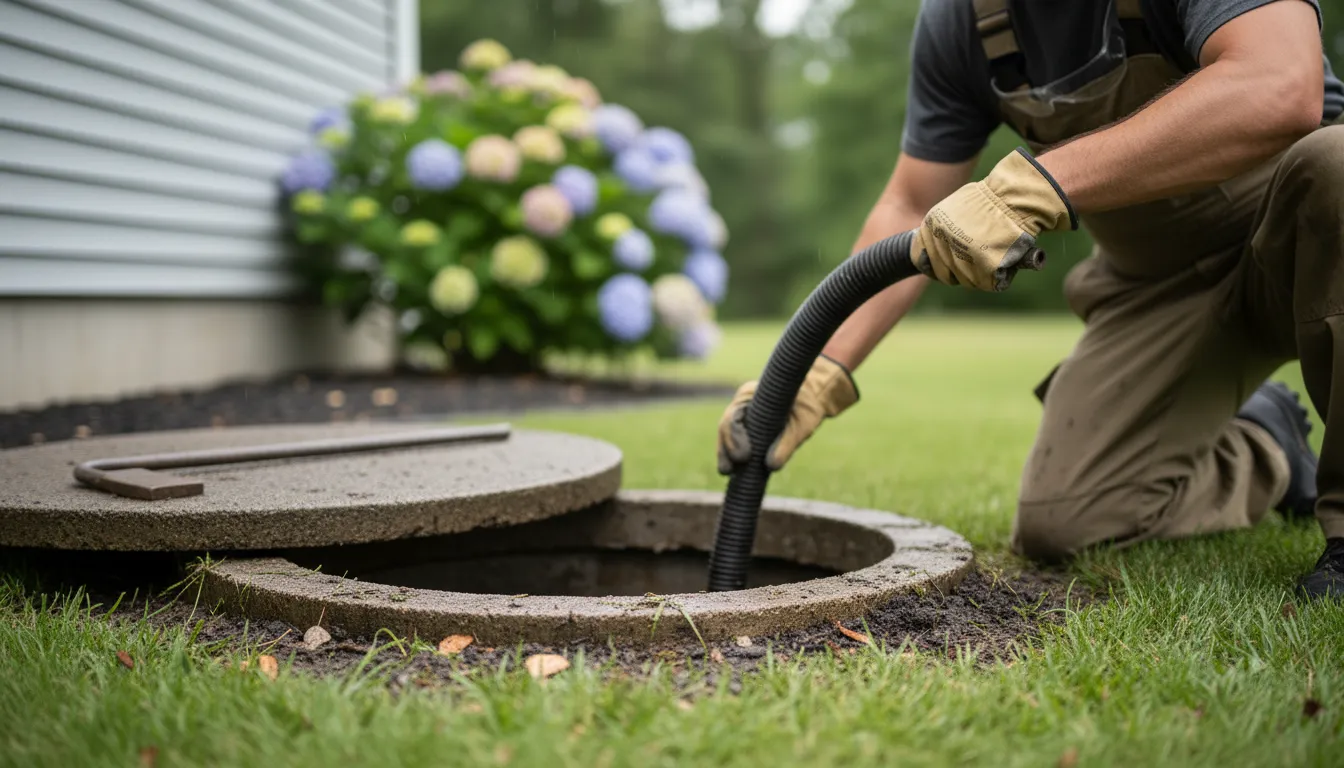
Find the Best Septic Tank Pumping Contractors for Your Business
No obligation • Fast responses • Nationwide coverage

Why you can trust Septic Spot
Septic Spot is a leading United States resource for understanding and comparing septic services. Our editors review providers using consistent criteria and verify key business details. Listings and scores are independent, and companies cannot pay to influence our content.
Search providers near you
Top Septic Tank Pumping Contractors in Freeport, New York Ranked
Maintaining your septic system is a crucial responsibility for any homeowner in Freeport. Regular septic tank pumping and inspection are essential services that prevent costly system failures, protect your property value, and safeguard the local environment and groundwater. This guide explains the importance of septic maintenance, outlines local recommendations, and helps you understand what to look for when finding qualified professionals for septic cleaning and waste removal in Nassau County.
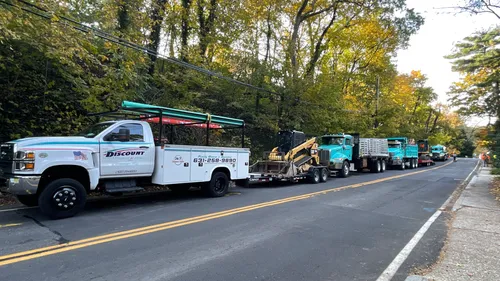
Discount Cesspool & Drain Inc.
240 Gibbs Rd, Islandia, NY 11749
Discount Cesspool & Drain Inc. is a septic tank pumping and installation company serving New York, NY, with a focus on Long Island. They specialize in new septic system installations, cesspool pumping, septic tank service, and full-scale cesspool cleaning. The company offers 24-hour emergency service and weekend and holiday availability. They provide eco-friendly solutions without subcontracting and cater to both residential and commercial clients across Suffolk and Nassau counties.
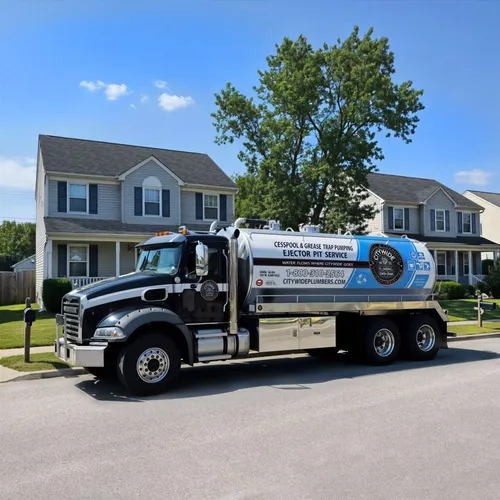
Citywide Grease Trap Maintenance | Cesspool Pumping Service Long Island
110 Voice Rd, Carle Place, NY 11514
Citywide Grease Trap Maintenance | Cesspool Pumping Service Long Island provides septic and cesspool pumping, inspection, repair, and installation services in New York, NY. Serving both residential and commercial clients, they offer comprehensive maintenance and cleaning to prevent system failures. Their skilled technicians use advanced equipment for installations and repairs, including grease trap pumping and sewage ejector pit services. With over 65 years of experience, Citywide operates 24/7 to address emergency needs promptly.
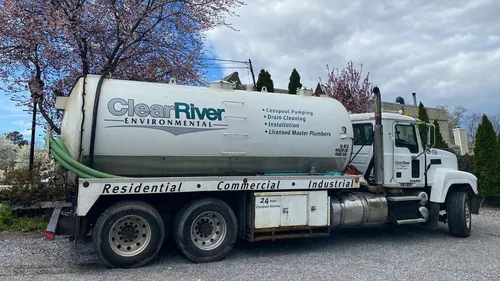
Clear River Environmental
847 11th St, Ronkonkoma, NY 11779
Clear River Environmental is a septic tank pumping, inspection, repair, and installation company serving New York, NY. They offer comprehensive environmental services including cesspool pumping, septic system maintenance, plumbing repairs, and emergency environmental remediation. The company has over 60 years of experience and uses advanced equipment such as camera inspection systems and leak detection technology. Clear River Environmental provides 24/7 emergency services to address urgent property issues promptly.
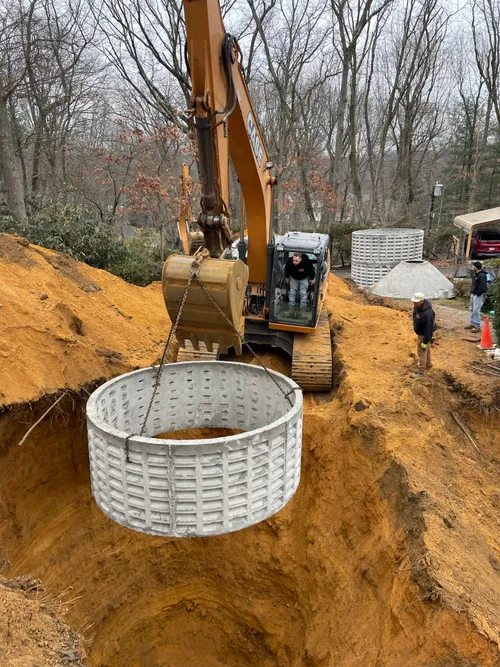
Cesspool Pros & Sewer and Drain Pros of Suffolk & Nassau County
55 Brook Ave, Deer Park, NY 11729
Cesspool Pros & Sewer and Drain Pros of Suffolk & Nassau County is a septic tank pumping company serving New York, NY, and the broader Long Island area. They specialize in residential and commercial septic and sewer system services, including locating septic systems and unclogging drains. The company is fully licensed, bonded, and insured, offering maintenance and emergency services with 24/7 availability. Their experience includes using electric devices to locate cesspools and providing detailed system mapping for customers.
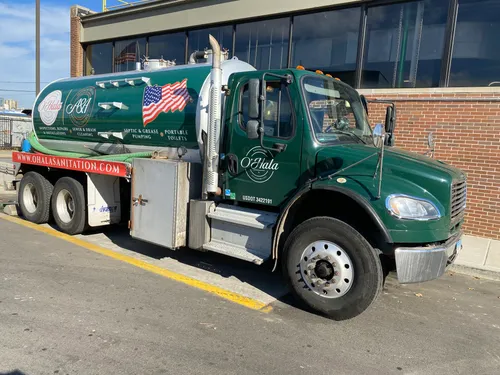
A & A Systems Control Inc
47 Larkin St Unit 5 A, Stamford, CT 06907
A & A Systems Control Inc is a family-owned septic and excavating services company based in Stamford, CT. They provide a full range of septic system services including pumping, inspections, repairs, installations, and drain cleaning for residential and commercial clients. Their expertise extends to excavation, drainage solutions, grease trap cleaning, and percolation testing, serving Stamford and nearby communities such as Greenwich, Darien, and New Canaan. The company offers 24/7 availability and emphasizes routine maintenance plans to minimize emergencies and system backups. With a background in utility construction, A & A Systems Control Inc combines technical knowledge with local service to support well-maintained septic systems.
Understanding Your Septic System
A septic system is an on-site wastewater treatment structure, typically used in areas not served by centralized sewer systems. In Freeport, many homes rely on these private systems. The core component is the septic tank, a buried, watertight container that holds wastewater from your home. Inside, solids settle to form sludge, fats and oils float to create scum, and the partially treated liquid effluent flows out to a drain field. Septic tank pumping, often called cleaning or servicing, is the process of removing the accumulated sludge and scum before they can clog the system. Without this routine maintenance, solids can escape into the drain field, causing backups, foul odors, and environmental contamination 1.
Recommended Maintenance Schedule for Freeport Homes
How often you need septic system pumping depends on several factors, including tank size and the number of people in your household. For most homes in Freeport, general guidelines apply.
- Pumping Frequency: Tanks should generally be pumped every 3 to 5 years. For households with a garbage disposal, smaller tanks, or larger families, a more frequent schedule of every 2 to 3 years may be necessary.
- Inspection Frequency: A professional inspection is recommended at least every 3 years. If your system includes mechanical components like pumps or alarms, annual inspections are advisable.
- When to Pump Immediately: A professional can measure the sludge and scum layers. If the sludge is within 12 inches of the outlet baffle or the scum layer is within 6 inches, the tank needs immediate cleaning2 3.
Relying on a "set it and forget it" schedule is risky. The only way to know for sure is to have your tank inspected by a licensed professional who can assess the levels and the system's overall integrity.
The Cost of Septic Tank Service in Nassau County
The price for septic tank pumping can vary based on several local factors. Understanding these can help you budget for this essential home maintenance task.
- Average Cost Range: Typical costs for pumping a residential septic tank range from $300 to over $700 in the region. For a standard system, a common average falls between $300 and $400.
- Primary Cost Factors: The single biggest factor is tank size. Pumping a standard 1,000-gallon tank will cost less than servicing a larger 2,000-gallon or commercial-sized tank, which can cost $700 or more4 5.
- Other Variables: Additional costs can arise if the tank access is buried and needs to be dug up, if the system is located far from where the service truck can park, or if an inspection or minor repair is performed at the same time.
While cost is a consideration, choosing a provider based solely on the lowest price can be a mistake. Ensure the company is properly licensed and insured.
Find the perfect septic tank pumping contractors for your needs
Get personalized recommendations and expert advice
Protecting Your System Between Pumpings
Proper day-to-day care can extend the time between necessary pumpings and prolong the life of your entire septic system.
- Conserve Water: Fix leaking faucets and toilets. Spread out laundry loads over the week instead of doing many loads in one day to avoid overwhelming the drain field.
- Mind What You Flush: Only human waste and toilet paper should go down the drain. Never flush wipes (even "flushable" ones), feminine hygiene products, dental floss, diapers, or cat litter.
- Use Your Garbage Disposal Sparingly: Avoid using a garbage disposal if possible, as it significantly increases the amount of solids entering the tank, requiring more frequent pumping. Compost food scraps instead.
- Protect the Drain Field: Never drive or park vehicles, or build structures like sheds, decks, or pools over any part of your septic system. This can compact the soil or crush pipes. Keep roof drains, sump pumps, and other surface water away from the drain field area6.
Choosing a Licensed Professional in Freeport
In New York State, septic waste transporters must be licensed by the Department of Environmental Conservation (DEC)7. Hiring a licensed professional ensures that the hazardous waste from your tank is transported and disposed of legally and safely.
- Verify Licenses: Always ask for proof of DEC licensing for waste hauling. You can also check with the Nassau County Department of Health for any additional local requirements or recommendations.
- Ask About Inspections: A reputable service will often include a basic inspection of tank components (baffles, tees, lids) and sludge/scum levels as part of the pumping service.
- Get a Detailed Quote: The estimate should clearly state the cost for pumping based on tank size, any fees for locating or excavating the tank lid, and costs for additional services like inspections or camera work.
- Keep Records: Maintain a file with all service reports, inspection notes, and a diagram of your system's layout, including the location of the tank, distribution box, and drain field. This is invaluable for future service and if you sell your home.
Signs Your Septic System Needs Attention
Don't wait for a complete failure. Be alert for these warning signs that your tank may be full or your system is struggling:
- Slow Drains: Sinks, showers, and toilets that drain slowly, especially if multiple fixtures are affected.
- Gurgling Sounds: Unusual gurgling noises coming from your plumbing.
- Sewage Odors: Foul smells around the drains inside your home or in the yard near the tank or drain field.
- Wet, Spongy Yard: Soggy ground or standing water over the drain field, particularly when it hasn't rained.
- Sewage Backup: The most serious sign-wastewater backing up into household drains.
If you notice any of these issues, contact a professional immediately to assess the situation before it leads to more extensive and expensive damage.
Local Regulations and Environmental Stewardship
Proper septic maintenance isn't just about your home; it's about protecting the community. Malfunctioning systems can leach nutrients and pathogens into the groundwater, which is a concern for coastal communities like Freeport. New York State and Nassau County have regulations in place to protect public health and water quality8. By adhering to a regular pumping schedule and using licensed professionals, you are doing your part to keep Freeport's environment clean and safe for everyone.
Frequently asked questions
Sources
Footnotes
-
Why Maintain Your Septic System | US EPA - https://www.epa.gov/septic/why-maintain-your-septic-system ↩
-
EPA - NYC.gov - https://www.nyc.gov/assets/dep/downloads/pdf/watershed-protection/east-of-hudson-ms4/epa_guide_to_septic_systems_b.pdf ↩
-
Septic Tanks - Preventative Routine Maintenance - https://des.sc.gov/permits-regulations/septic-tanks/homeowner-resources/septic-tanks-preventative-routine-maintenance ↩
-
Septic Tank Pumping Cost: Guide & Pricing in 2025 - Splash Plumbing - https://www.splashplumbing.com/how-much-does-it-cost-to-pump-septic-tank-understanding-pricing-and-factors-involved/ ↩
-
Your Septic System - Cornell University - https://www.css.cornell.edu/cwmi/waterquality/septic/CCEWQ-YourSepticSystem-Print.pdf ↩
-
Septic System Operation and Maintenance - https://www.health.ny.gov/publications/3208/ ↩
-
Septic System - New York State Department of Health - https://www.health.ny.gov/publications/3208.pdf ↩
-
New York needs stronger laws to regulate septic systems - https://www.protectadks.org/new-york-needs-stronger-laws-to-regulate-septic-systems/ ↩