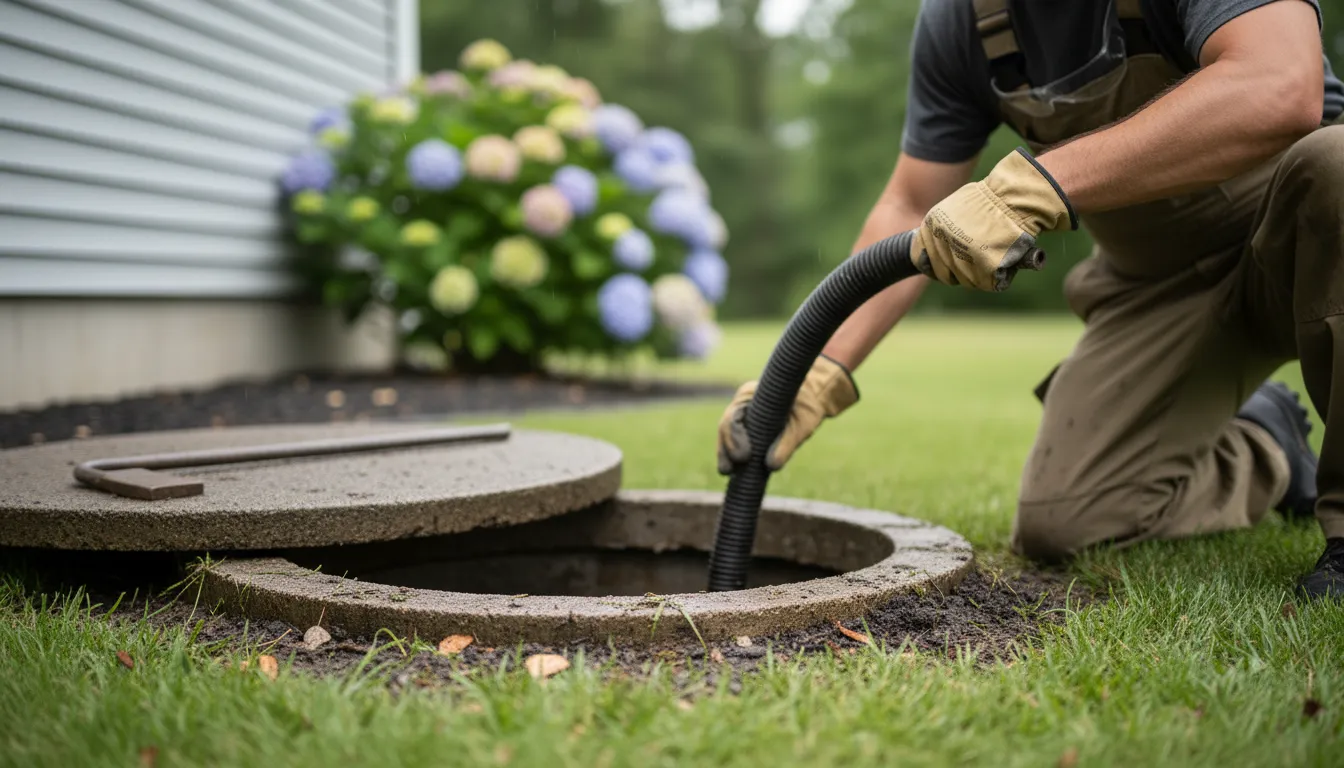
Find the Best Septic Tank Pumping Contractors for Your Business
No obligation • Fast responses • Nationwide coverage

Why you can trust Septic Spot
Septic Spot is a leading United States resource for understanding and comparing septic services. Our editors review providers using consistent criteria and verify key business details. Listings and scores are independent, and companies cannot pay to influence our content.
Search providers near you
Top Septic Tank Pumping Contractors in Mount Vernon, New York Ranked
Maintaining a healthy septic system is a crucial responsibility for homeowners in Mount Vernon. Septic tank pumping is the essential service of removing accumulated solids, or sludge, from your tank to prevent system failure, backups, and environmental contamination. This guide explains why regular septic maintenance matters and how you can find qualified local professionals to ensure your system operates efficiently for years to come.
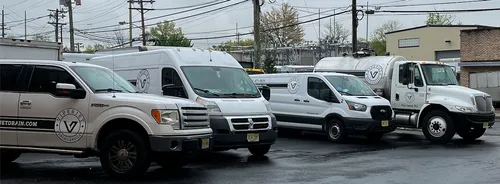
Viper Jet Drain Services
5-02 Banta Pl, Fair Lawn, NJ 07410
Viper Jet Drain Services is a septic tank pumping company based in Paterson, NJ, offering a full range of drain, septic, and grease trap services. They serve residential, commercial, and municipal clients throughout New Jersey and New York City. Their licensed and insured technicians use advanced equipment to provide services such as septic tank cleaning and pumping, hydro jetting, grease trap maintenance, and stormwater drain management. Viper Jet is a family-owned business that emphasizes expertise and commitment in all their work. They also provide responsive emergency service when needed.
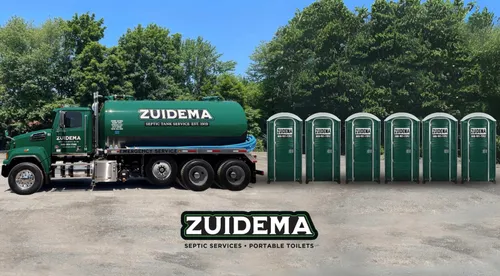
Zuidema Septic Services & Portable Toilets
90 Midland Ave, Midland Park, NJ 07432
Zuidema Septic Services & Portable Toilets provides residential and commercial septic services along with portable toilet and restroom trailer rentals in New York, NY. With over 100 years of experience since 1919, they offer septic tank pumping, inspections, repairs, and grease trap services. Their use of advanced sewer camera technology helps identify and address sewer line issues effectively. Zuidema also offers 24/7 emergency service for septic and portable toilet needs, ensuring support is available at any time.
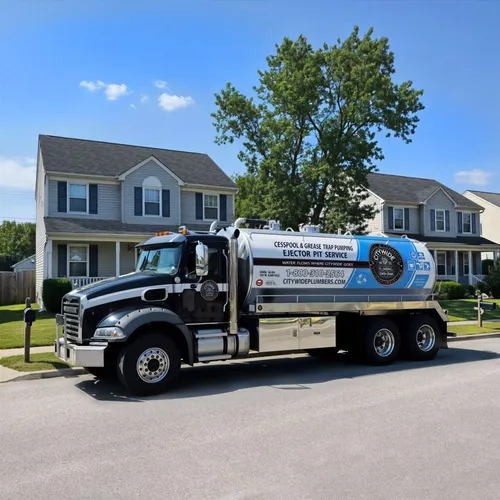
Citywide Grease Trap Maintenance | Cesspool Pumping Service Long Island
110 Voice Rd, Carle Place, NY 11514
Citywide Grease Trap Maintenance | Cesspool Pumping Service Long Island provides septic and cesspool pumping, inspection, repair, and installation services in New York, NY. Serving both residential and commercial clients, they offer comprehensive maintenance and cleaning to prevent system failures. Their skilled technicians use advanced equipment for installations and repairs, including grease trap pumping and sewage ejector pit services. With over 65 years of experience, Citywide operates 24/7 to address emergency needs promptly.
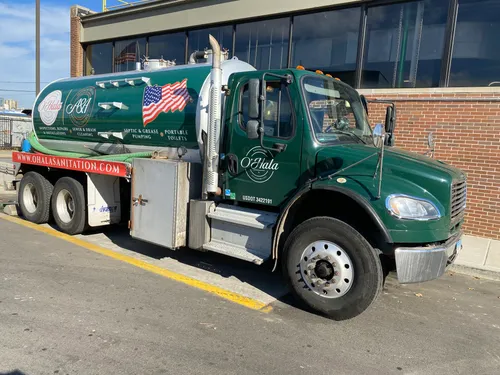
A & A Systems Control Inc
47 Larkin St Unit 5 A, Stamford, CT 06907
A & A Systems Control Inc is a family-owned septic and excavating services company based in Stamford, CT. They provide a full range of septic system services including pumping, inspections, repairs, installations, and drain cleaning for residential and commercial clients. Their expertise extends to excavation, drainage solutions, grease trap cleaning, and percolation testing, serving Stamford and nearby communities such as Greenwich, Darien, and New Canaan. The company offers 24/7 availability and emphasizes routine maintenance plans to minimize emergencies and system backups. With a background in utility construction, A & A Systems Control Inc combines technical knowledge with local service to support well-maintained septic systems.
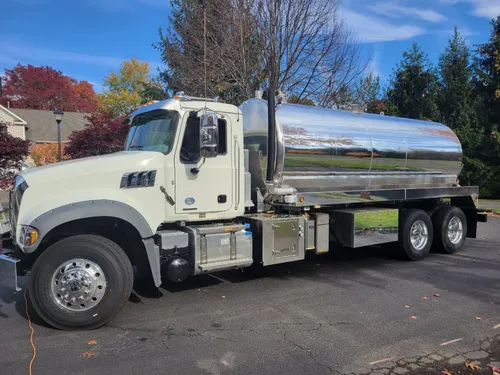
North Shore Cesspool & Drain Corp
231 Lawrence Ln, Glen Cove, NY 11542
North Shore Cesspool & Drain Corp provides cesspool and septic system services in New York, NY. They offer pumping, cleaning, inspections, repairs, and installations for residential and commercial properties. Their capabilities include hydro jetting and sewer line camera inspections. The company serves Long Island and is available 24/7 for emergency flooding response and backups.
Why Regular Septic System Maintenance is Essential
A septic system is an on-site wastewater treatment plant for your home. When functioning correctly, it safely processes household water from toilets, showers, sinks, and appliances. Over time, solids settle at the bottom of the tank, forming a sludge layer, while fats and oils float to the top as scum. If these layers are not periodically removed through septic tank cleaning, they can flow into the drain field, clogging the soil and causing a complete system failure. In Mount Vernon, with its proximity to sensitive watersheds, a failing system can lead to groundwater pollution and costly repairs, not to mention unpleasant sewage backups into your home 1 2. Regular pumping is the most effective preventative measure you can take.
Recommended Pumping and Inspection Schedule for Mount Vernon Homes
How often you need septic tank service depends on several factors, including tank size, the number of people in your household, and overall water usage. General guidelines for the area suggest septic tanks should be inspected every 1-3 years and pumped every 3-5 years. However, the New York State Department of Health provides more specific advice, recommending pumping every 2-3 years, though a 3-5 year cycle may be sufficient for a properly sized system with normal use.
- Small Tanks or Large Households: Systems with tanks smaller than 1,000 gallons or homes with many residents may require more frequent septic pumping, potentially every 1-2 years.
- The Inspection Trigger: A professional inspection is the best way to know for sure. Experts recommend inspecting at least every three years. During an inspection, a technician will measure the sludge and scum layers. A common rule is that if the sludge layer is within 12 inches of the outlet tee or the scum layer is within 6 inches, the tank must be pumped immediately 3.
- Keep Detailed Records: Maintain a log of all pumping dates, inspection reports, and any repairs. This history is invaluable for troubleshooting problems and is often required if you sell your home.
Understanding the Cost of Septic Pumping in Mount Vernon
The price for septic tank emptying in Mount Vernon varies primarily based on the size (capacity in gallons) of your tank. It's always wise to get estimates from several licensed professionals. Below is a general cost breakdown based on tank size:
- Small Tanks (Under 1,000 gallons): $250-$350
- Medium Tanks (1,000-1,500 gallons): $300-$400
- Large Tanks (1,500-2,000+ gallons): $400-$700+
For complex jobs involving difficult access, heavily neglected tanks, or additional services, costs can range higher, sometimes exceeding $1,000 4 5. Remember, investing in routine pumping is far less expensive than repairing or replacing a failed drain field.
Find the perfect septic tank pumping contractors for your needs
Get personalized recommendations and expert advice
What to Expect During a Professional Pumping Service
Hiring a septic service professional licensed by the New York State Department of Environmental Conservation ensures the job is done correctly and legally. Here's what a standard service visit entails:
- Locating and Uncovering: The technician will locate your tank and access ports, which may involve removing soil or a concrete lid.
- Initial Inspection: Before pumping, they will often check the sludge and scum levels to confirm pumping is needed and note the condition of baffles and tees.
- Pumping: Using a large vacuum truck, all liquid and solid waste is pumped out of the tank and transported to an approved treatment facility.
- System Check: A thorough provider will also inspect visible components for leaks, check electrical connections for pump systems, and ensure the inlet and outlet pipes are clear.
- Final Advice: You should receive a report on the condition of your system and recommendations for the next service date.
Best Practices for Septic System Care Between Pumpings
Pumping is vital, but daily habits determine how quickly your tank fills up. Proper care extends the time between services and protects your entire system.
- Mind What You Flush: Only human waste and toilet paper should go down the toilet. Avoid flushing wipes (even "flushable" ones), feminine hygiene products, dental floss, diapers, grease, fat, coffee grounds, and chemicals like paint or pesticides.
- Conserve Water: Spread out laundry loads, fix leaky faucets promptly, and install high-efficiency fixtures to avoid overwhelming the system.
- Protect the Drain Field: Never drive, park, or build structures (like sheds or patios) over your septic tank or leach field. The weight can compact the soil or crush pipes. Also, divert rainwater runoff from roofs and driveways away from this area 6.
- Use Bacteria Additives Wisely: A healthy system naturally contains the bacteria needed to break down waste. While some additives are harmless, avoid chemical "cleaners" that can kill essential bacteria. When in doubt, consult your service provider.
Signs Your Mount Vernon Septic Tank Needs Immediate Attention
Don't wait for your scheduled inspection if you notice these warning signs. They may indicate that your tank is overfull or that a more serious problem has developed.
- Slow Drains: Gurgling sounds or slow drainage from multiple fixtures throughout the house.
- Sewage Backups: Wastewater backing up into household drains, toilets, or showers.
- Bad Odors: Unpleasant sewage smells inside your home or around the yard near the tank/drain field.
- Lush, Wet Grass: Spongy ground or unusually green, fast-growing grass over the drain field, especially when it hasn't rained.
- Standing Water: Puddles or soggy soil in the area of your septic system.
If you observe any of these issues, contact a septic system contractor immediately to assess the situation before damage escalates.
Frequently asked questions
Sources
Footnotes
-
Septic System Operation and Maintenance - https://www.health.ny.gov/publications/3208/ ↩
-
Septic Systems | Department of Environmental Protection - https://www.pa.gov/agencies/dep/residents/my-water/septic-systems ↩
-
EPA - NYC.gov - https://www.nyc.gov/assets/dep/downloads/pdf/watershed-protection/east-of-hudson-ms4/epa_guide_to_septic_systems_b.pdf ↩
-
Cost to Pump Septic Tank: Tips to Save on Cleaning Fees - https://ivanssiteservices.com/blog/cost-to-pump-septic-tank-what-to-expect-and-how-to-save/ ↩
-
Septic Tank Pumping Cost: Guide & Pricing in 2025 - Splash Plumbing - https://www.splashplumbing.com/how-much-does-it-cost-to-pump-septic-tank-understanding-pricing-and-factors-involved/ ↩
-
Guide to Maintenance Checklist of Septic Tank Pumping - https://gatewayseptic.com/blog/guide-to-maintenance-checklist-of-septic-tank-pumping/ ↩