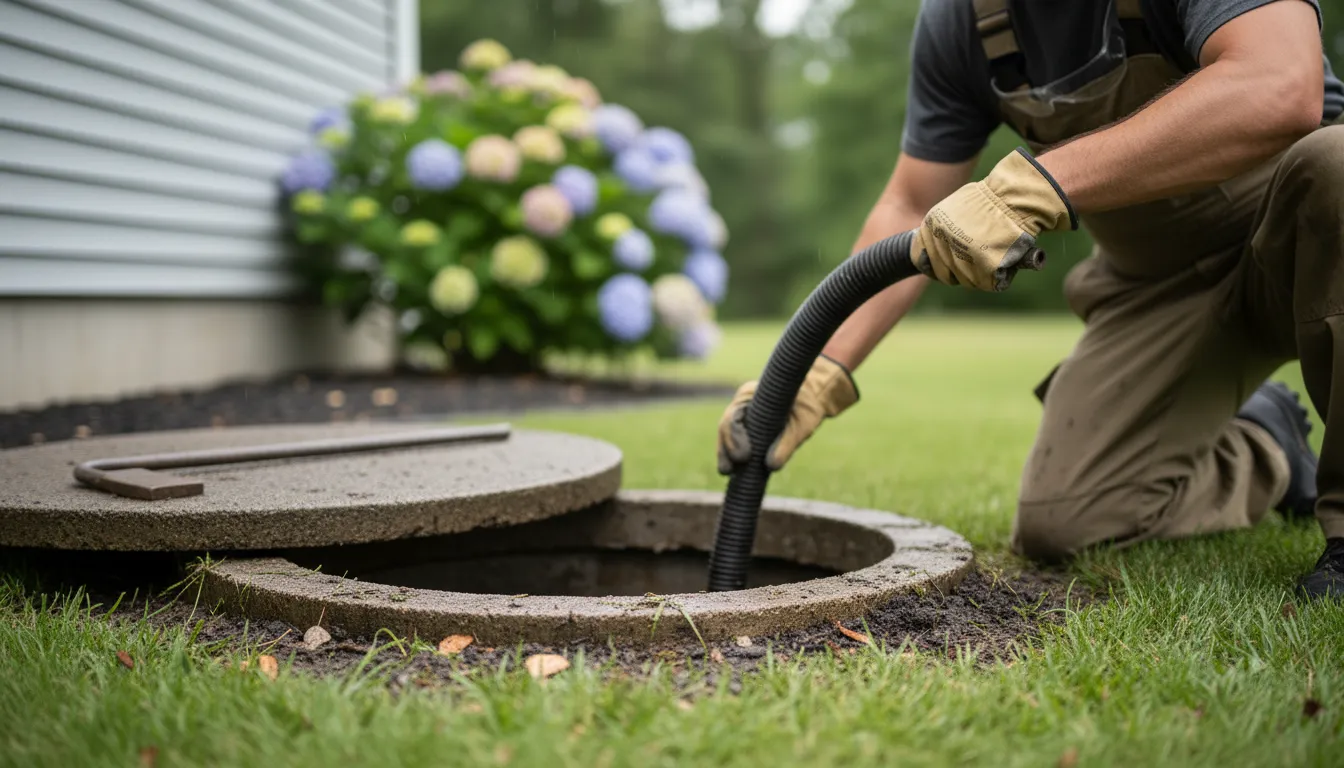
Find the Best Septic Tank Pumping Contractors for Your Business
No obligation • Fast responses • Nationwide coverage

Why you can trust Septic Spot
Septic Spot is a leading United States resource for understanding and comparing septic services. Our editors review providers using consistent criteria and verify key business details. Listings and scores are independent, and companies cannot pay to influence our content.
Search providers near you
Top Septic Tank Pumping Contractors in White Plains, New York Ranked
Maintaining your septic system is a critical responsibility for any White Plains homeowner not connected to the municipal sewer. Regular septic tank pumping is the cornerstone of this maintenance, preventing system backups, environmental contamination, and expensive repairs. This guide explains the importance of septic system service, outlines local requirements, and provides the information you need to find qualified professionals in the White Plains area to keep your system functioning properly for years to come.
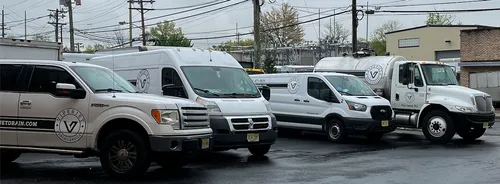
Viper Jet Drain Services
5-02 Banta Pl, Fair Lawn, NJ 07410
Viper Jet Drain Services is a septic tank pumping company based in Paterson, NJ, offering a full range of drain, septic, and grease trap services. They serve residential, commercial, and municipal clients throughout New Jersey and New York City. Their licensed and insured technicians use advanced equipment to provide services such as septic tank cleaning and pumping, hydro jetting, grease trap maintenance, and stormwater drain management. Viper Jet is a family-owned business that emphasizes expertise and commitment in all their work. They also provide responsive emergency service when needed.
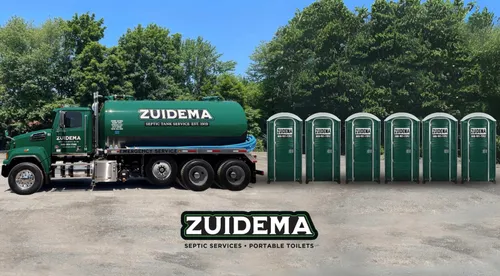
Zuidema Septic Services & Portable Toilets
90 Midland Ave, Midland Park, NJ 07432
Zuidema Septic Services & Portable Toilets provides residential and commercial septic services along with portable toilet and restroom trailer rentals in New York, NY. With over 100 years of experience since 1919, they offer septic tank pumping, inspections, repairs, and grease trap services. Their use of advanced sewer camera technology helps identify and address sewer line issues effectively. Zuidema also offers 24/7 emergency service for septic and portable toilet needs, ensuring support is available at any time.
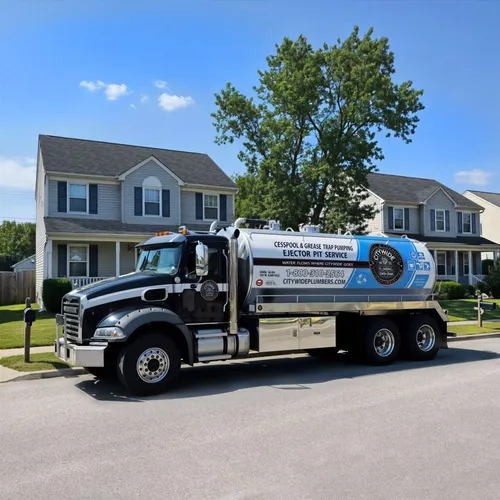
Citywide Grease Trap Maintenance | Cesspool Pumping Service Long Island
110 Voice Rd, Carle Place, NY 11514
Citywide Grease Trap Maintenance | Cesspool Pumping Service Long Island provides septic and cesspool pumping, inspection, repair, and installation services in New York, NY. Serving both residential and commercial clients, they offer comprehensive maintenance and cleaning to prevent system failures. Their skilled technicians use advanced equipment for installations and repairs, including grease trap pumping and sewage ejector pit services. With over 65 years of experience, Citywide operates 24/7 to address emergency needs promptly.
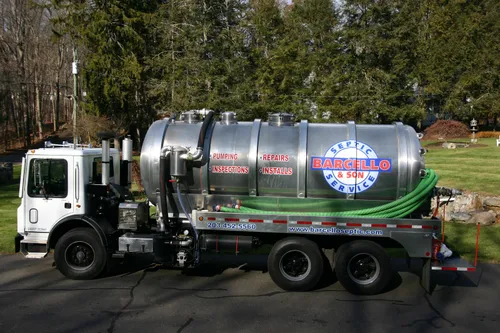
Barcello & Son Septic Service LLC
334 Wilson Rd, Easton, CT 06612
Barcello & Son Septic Service LLC is a family-owned business based in Easton, CT, serving the Bridgeport area with septic tank pumping, inspection, repair, design, and installation services. With over 20 years of experience in Fairfield County, they handle all sizes and types of septic systems using a proprietary 12-step pumping process and the latest equipment. Their expertise covers comprehensive septic system solutions, including real estate appraisal support and system design. The company emphasizes transparent pricing and guarantees their work. Barcello & Son Septic Service LLC is known for clear communication about service timing and procedures, aiming to provide a straightforward and reliable customer experience.
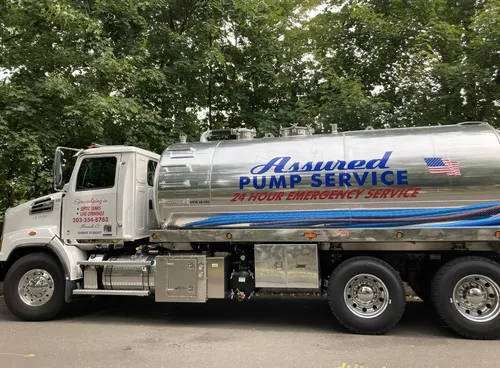
Assured Pump Services
Stamford, CT
Assured Pump Services is a septic tank pumping, inspection, and repair company based in Stamford, CT. Serving Fairfield County, they offer a full range of septic system services including pumping, drain clearing, and repairs. With over 25 years of experience, the company provides 24/7 emergency response to address urgent septic issues promptly. Their licensed technicians use state-of-the-art equipment to ensure thorough and reliable service.
Why Regular Septic Maintenance is Essential
A septic system is a self-contained wastewater treatment plant on your property. When you flush a toilet or run a sink, waste travels to an underground tank where solids settle to the bottom as sludge, and fats float to the top as scum. The liquid effluent then flows out into a drain field for further filtration. Over time, the sludge and scum layers accumulate. If they aren't removed through periodic septic tank cleaning, they can clog the outlet, causing sewage to back up into your home or flow untreated into your yard, posing serious health and environmental risks.
In White Plains and surrounding Westchester County, proper maintenance is not just a recommendation-it's often a legal requirement, especially for properties in sensitive watershed areas that supply New York City's drinking water. A failing system can contaminate groundwater, streams, and reservoirs. Proactive septic tank servicing protects your investment, your family's health, and our local environment.
Recommended Pumping Frequency for White Plains Homes
How often should you schedule a septic tank emptying? There's no one-size-fits-all answer, but general guidelines are well-established. The New York State Department of Health recommends pumping every 2-3 years, while a typical range for a well-maintained system is every 3-5 years 1.
The exact schedule for your home depends on several key factors:
- Household Size: More people generate more wastewater and solids, filling the tank faster.
- Tank Size: Older homes may have smaller tanks (e.g., 500-750 gallons) that require more frequent septic pumping than modern 1,000+ gallon tanks.
- Water Usage: Excessive water from long showers, frequent laundry loads, or leaky fixtures overwhelms the system.
- Garbage Disposal Use: Disposals significantly increase the amount of solids entering the tank, potentially necessitating pumping every 1-2 years 2.
The most reliable method is to have your tank inspected annually by a licensed professional. They will measure the sludge and scum layers. A common rule is that pumping is needed when the scum layer is within 6 inches of the outlet baffle or when the sludge depth is too great.
Understanding Local Regulations and Watershed Protections
White Plains residents must be aware of specific county and watershed regulations. Westchester County, particularly areas within the Kensico and Croton watersheds, has stringent rules to protect NYC's drinking water supply. Towns like North Castle, which borders White Plains, mandate formal inspection and maintenance programs, often requiring a professional inspection and pumping at least every five years3 4.
Even if not in a strictly mandated area, following these guidelines is considered best practice. Always use a septic tank pumper who is licensed by the New York State Department of Environmental Conservation (NYSDEC). These professionals understand local codes and can ensure your service is documented correctly, which is crucial for property transfers and compliance.
Find the perfect septic tank pumping contractors for your needs
Get personalized recommendations and expert advice
What to Expect During a Professional Pumping Service
A full septic system service involves more than just removing waste. A reputable provider will follow a comprehensive process:
- Locate & Access: They will find your tank and access ports. Keeping your manhole covers easily accessible year-round saves time and money.
- Inspect: Before pumping, they should inspect inlet and outlet baffles/tees for cracks or blockages and look for any signs of leakage or damage.
- Pump: Using a large tank truck, they will vacuum out all contents-sludge, scum, and liquid-from the tank.
- Post-Pump Inspection: After emptying, a good technician will inspect the tank's interior walls and bottom for cracks, which are easier to see when empty.
- Disposal: The waste will be transported to a licensed treatment facility for processing.
- Reporting: You should receive a report detailing the services performed, the condition of your system, and any recommendations for repairs or future maintenance 5.
This inspection component is vital. It can identify small issues like a broken baffle before they lead to a clogged drain field, saving you thousands of dollars.
Cost of Septic Tank Pumping in White Plains
The cost for septic tank cleaning in the White Plains area typically ranges from $494 to $647. However, the final price can vary based on several factors:
- Tank Size and Volume: Pumping a 1,000-gallon tank costs more than a 750-gallon tank due to more labor and disposal fees.
- Accessibility: If the tank is buried deep, under a deck, or behind landscaping, extra labor for excavation will increase the cost.
- Condition: Tanks that have not been pumped in many years may have excessive solids or hardened layers, requiring more time and effort.
- Additional Services: Costs will be higher if the service includes inspecting the drain field, repairing components, or jetting lines.
While prices as low as $263 or over $1,000 are possible in extreme cases, the mid-$500 range is a reliable average for standard residential service in Westchester County6 7 8. Always get itemized estimates from licensed providers.
Key Maintenance Tips Between Pumpings
To extend the life of your system and reduce the frequency of septic tank servicing, follow these simple practices:
- Conserve Water: Spread out laundry loads, fix dripping faucets, and install high-efficiency fixtures.
- Mind What You Flush: Only human waste and toilet paper should go down the drain. Never flush wipes (even "flushable" ones), feminine hygiene products, dental floss, or chemicals.
- Use the Trash Can: Avoid using a garbage disposal. Scrape food scraps into the trash or compost 9.
- Protect the Drain Field: Never drive or park vehicles on the absorption field. Keep roof drains, sump pumps, and other rainwater systems directed away from it. Plant only grass over the field; tree roots can cause severe damage.
Keeping detailed records of all pumping, inspections, and repairs is also a New York State-recommended practice and will be valuable if you ever sell your home10.
Signs Your Septic Tank Needs Immediate Attention
Don't wait for a scheduled inspection if you notice these warning signs:
- Slow Drains: Sinks, tubs, and toilets that drain slowly throughout the house.
- Sewage Odors: Unpleasant smells indoors or around the tank/drain field area.
- Gurgling Sounds: Sounds from your plumbing.
- Wet, Spongy Yard: Soggy ground or standing water over the drain field, especially with lush grass growth.
- Sewage Backup: The most severe sign-wastewater backing up into household drains.
If you observe any of these, contact a licensed septic tank pumper immediately to assess the situation. Prompt action can prevent a full system failure.
Frequently asked questions
Sources
Footnotes
-
Frequent Questions on Septic Systems | US EPA - https://www.epa.gov/septic/frequent-questions-septic-systems ↩
-
Septic Systems | Department of Environmental Protection - https://www.pa.gov/agencies/dep/residents/my-water/septic-systems ↩
-
Septic Systems | North Castle, NY - https://www.northcastleny.com/662/Septic-Systems ↩
-
Westchester County Board of Legislators - https://westchesterlegislators.com/images/committees/SepticSubcommitteeFinalMS4Package.pdf ↩
-
EPA - NYC.gov - https://www.nyc.gov/assets/dep/downloads/pdf/watershed-protection/east-of-hudson-ms4/epa_guide_to_septic_systems_b.pdf ↩
-
Septic Pumping in White Plains, NY - Costs 02 / 2026 - Homeyou - https://www.homeyou.com/ny/septic-pumping-white-plains-costs ↩
-
How much does it cost to pump a septic tank - Cinch Home Services - https://www.cinchhomeservices.com/homeowners/blog/how-much-does-it-cost-to-pump-a-septic-tank ↩
-
What Affects the Cost of Septic Pumping? - https://www.septicblue.com/what-affects-the-cost-of-septic-pumping ↩
-
Septic System - New York State Department of Health - https://www.health.ny.gov/publications/3208.pdf ↩
-
Septic System Operation and Maintenance - https://www.health.ny.gov/publications/3208/ ↩