Find the Best Septic Tank Pumping Contractors for Your Business
No obligation • Fast responses • Nationwide coverage

Why you can trust Septic Spot
Septic Spot is a leading United States resource for understanding and comparing septic services. Our editors review providers using consistent criteria and verify key business details. Listings and scores are independent, and companies cannot pay to influence our content.
Search providers near you
Top Septic Tank Pumping Contractors in Appleton, Wisconsin Ranked
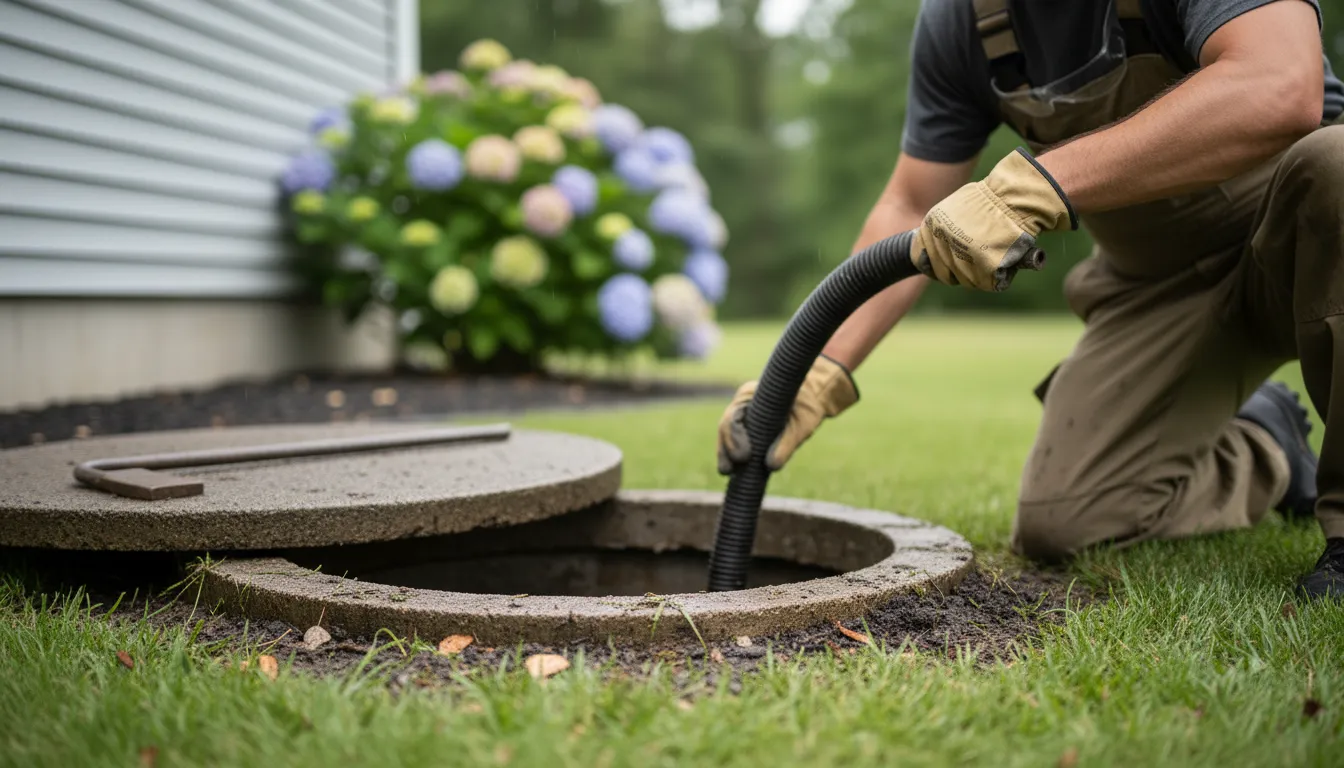
Maintaining a healthy septic system is a crucial responsibility for homeowners in Appleton and across Outagamie and Winnebago Counties. Septic tank pumping is the essential process of removing accumulated sludge and scum from your tank to prevent system failure, environmental contamination, and costly repairs. This service is not just a recommendation; it's a state-mandated part of a regular maintenance program. Understanding local regulations, typical costs, and best practices can help you protect your investment and keep your household running smoothly. The following information will guide you through what you need to know about scheduling this vital service with qualified local professionals.

Stordeur Sanitation
1455 Cornell Rd, Green Bay, WI 54313
Stordeur Sanitation is a septic tank pumping company located in Green Bay, WI. They provide septic and holding tank pumping services along with commercial liquid waste removal. With over 80 years of experience, the company is fully licensed and insured, serving the Green Bay area with knowledgeable and experienced staff.
AAA Sanitation
1334 Mid Valley Dr, De Pere, WI 54115
AAA Sanitation is a septic tank pumping company based in Green Bay, WI. They provide services including liquid waste pumping for conventional septic tanks, mound systems, holding tanks, barn pits, grease traps, and floor drains. The company also offers roll off dumpsters in various sizes to meet project needs. AAA Sanitation operates in compliance with all DNR, federal, and state regulations, ensuring proper sanitation practices.
Understanding Wisconsin's Septic System Maintenance Laws
In Wisconsin, septic systems are formally known as Private Onsite Wastewater Treatment Systems (POWTS). State law, along with county-specific programs, requires homeowners to have their systems inspected by a licensed maintainer at least once every three years1 2. This mandatory inspection is designed to catch problems early and ensure systems are functioning properly to protect public health and groundwater.
For Appleton residents, this means your system falls under the oversight of either the Outagamie County Development and Land Services Department or the Winnebago County Sanitary Maintenance Program, depending on your exact location. During the required triennial inspection, the maintainer will assess the sludge and scum levels in your tank. If these levels indicate that pumping is needed to prevent damage to the drainfield, it will be noted. Many homeowners opt to have their tank pumped during this inspection visit to consolidate service calls and ensure compliance.
How Often Should You Pump Your Septic Tank?
While the three-year inspection is a fixed schedule, the actual frequency for septic tank cleaning can vary. The standard guideline is to pump when the combined depth of sludge and scum reaches one-third of the tank's liquid depth. For an average household, this often aligns with the three-year inspection cycle. However, several factors can necessitate more frequent service:
- Household Size: More people generate more wastewater and solid waste, filling the tank faster. A large family may need pumping every 1-2 years 3.
- Tank Size: A smaller tank (e.g., 750-1,000 gallons) will fill more quickly than a larger one (1,500 gallons or more).
- Garbage Disposal Use: Using a garbage disposal significantly increases the amount of organic solids and grease entering the tank, dramatically accelerating the accumulation of scum and sludge. It is strongly recommended to avoid using disposals if you have a septic system.
- Water Usage: High water consumption from frequent laundry loads, long showers, or leaking fixtures dilutes the tank's contents less effectively and can push solids out toward the drainfield prematurely.
A licensed professional can provide the best recommendation for your specific household during an inspection.
What to Expect During a Pumping Service
A standard septic pumping service involves more than just removing waste. A reputable provider will typically:
- Locate and uncover the tank access lids.
- Inspect the tank interior for cracks, baffle condition, and inlet/outlet integrity.
- Measure the sludge and scum layers to document the tank's condition.
- Use a vacuum truck to thoroughly remove all solids and liquids from the tank.
- Inspect and rinse the effluent filter (if your system has one), which should be cleaned at least annually.
- Provide a report of the services performed, which is necessary for your official maintenance record.
This comprehensive approach ensures the entire system is checked for potential issues.
Cost of Septic Tank Pumping in Appleton
The price for septic tank pumping in the Appleton area depends primarily on the tank's size and capacity. Based on regional data, you can expect the following general cost ranges4 5:
- 1,000-Gallon Tank: Approximately $250 to $400
- 1,500-Gallon Tank: Approximately $300 to $500
Prices may be higher for tanks that are difficult to access, have not been pumped in many years, or require additional repairs. It's always wise to get estimates from a few licensed local maintainers.
Find the perfect septic tank pumping contractors for your needs
Get personalized recommendations and expert advice
The Critical Role of the Effluent Filter
Modern septic systems in Wisconsin are often equipped with an effluent filter on the outlet pipe of the tank. This component is vital-it catches suspended solids that could otherwise clog the drainfield pipes, which is a leading cause of system failure. Homeowners are responsible for having this filter checked and cleaned regularly, typically during the annual inspection or pumping visit6 7. Neglecting this simple task can lead to sewage backups into the home or a flooded drainfield.
Best Practices for Septic System Care
Pumping is a core part of maintenance, but day-to-day habits determine how well your system functions between service visits. Follow these guidelines to extend your system's life:
- Conserve Water: Spread out laundry loads and fix leaky faucets and toilets to avoid overwhelming the tank.
- Mind What You Flush: Only human waste and toilet paper should go down the drain. Never flush wipes (even "flushable" ones), feminine hygiene products, dental floss, grease, coffee grounds, or chemicals.
- Divert Water Away: Ensure roof gutters, sump pumps, and yard drainage do not flow toward your drainfield, as saturated soil cannot properly treat wastewater.
- Protect the Drainfield: Never drive or park vehicles on it, and avoid planting trees with deep roots nearby.
What Happens If You Don't Pump Regularly?
Failing to pump your septic tank as needed has serious consequences. As solids build up, they can flow into the drainfield, clogging the soil pores. This leads to:
- Sewage backing up into your home's drains.
- Soggy, foul-smelling patches of grass over the drainfield.
- Contamination of nearby wells, ditches, or surface water with untreated wastewater.
- A complete drainfield failure, requiring a costly replacement that can cost tens of thousands of dollars.
Regular pumping is a minor expense compared to the cost of a new drainfield.
Keeping Your Maintenance Records
After each inspection or pumping service, you will receive a maintenance report from the licensed provider. It is your responsibility to keep these records. Counties may request to see them to verify compliance with the three-year program8 9. Good records are also invaluable if you decide to sell your home, as potential buyers will want proof of proper system maintenance.
Frequently asked questions
Sources
Footnotes
-
Wisconsin Maintenance Program - DSPS - https://dsps.wi.gov/Documents/Programs/POWTS/POWTSMaintenanceProgramBrochure.pdf ↩
-
Wisconsin's 3-Year Septic Inspection Requirement - https://toombssepticservices.com/septic-services/wisconsins-3-year-septic-inspection/ ↩
-
Septic Tank Pumping: How Often Should You Do It in Wisconsin? - https://sunsetseptic.com/septic-tank-pumping-in-wisconsin/ ↩
-
Optimizing Septic Tank Pumping Frequency for Households - https://www.unitedsewerservice.com/frequency-of-septic-tank-pumping-for-different-household-sizes/ ↩
-
Septic Tank Pumping Cost: Guide & Pricing in 2025 - Splash Plumbing - https://www.splashplumbing.com/how-much-does-it-cost-to-pump-septic-tank-understanding-pricing-and-factors-involved/ ↩
-
Maintaining Your POWTS (Septic System) - DSPS - https://dsps.wi.gov/Documents/Programs/POWTS/POWTSMaintenanceBrochure.pdf ↩
-
SEPTIC SYSTEM GENERAL INFORMATION - https://www.woodcountywi.gov/departments/pz/Doc/Septic%20System%20Information%20for%20Homeowners.pdf ↩
-
B3583 - Care and maintenance of residential septic systems - https://www.outagamie.gov/files/assets/county/v/1/dls/documents/sanitaryseptic-permits/care-and-maintenance-of-residential-septic-systems.pdf ↩
-
Sanitary Maintenance Program | Winnebago County, WI - https://www.winnebagocountywi.gov/451/Sanitary-Maintenance-Program ↩