
Find the Best Drain Field Repair Companies for Your Business
No obligation • Fast responses • Nationwide coverage

Why you can trust Septic Spot
Septic Spot is a leading United States resource for understanding and comparing septic services. Our editors review providers using consistent criteria and verify key business details. Listings and scores are independent, and companies cannot pay to influence our content.
Search providers near you
Top Drain Field Repair Companies in Avondale, Arizona Ranked
When your septic system's drain field fails, it's more than an inconvenience-it's a critical issue that can impact your property's value, your family's health, and the local environment. In Avondale's unique desert climate, a properly functioning leach field is essential for safely dispersing and treating household wastewater. This guide explains the process, regulations, and costs associated with drain field repair and replacement, helping you understand what to expect and how to connect with qualified local professionals who can assess and address your system's needs.

Eco Septic Tank Pumping Phoenix
Phoenix, AZ
Eco Septic Tank Pumping Phoenix provides a full range of septic services including pumping, inspection, repair, and installation in Phoenix, AZ. They handle routine septic system cleaning, emergency sewer cleaning, and biological treatments to maintain system health. Their process includes thorough tank inspection and safe waste disposal to licensed facilities. The company also offers septic system repairs and new installations, ensuring compliance with local regulations. Serving Phoenix and surrounding areas, Eco Septic Tank Pumping Phoenix emphasizes regular maintenance to prevent system failures and extend septic system lifespan.

Mesa Septic
Mesa, AZ
Mesa Septic is a family-owned septic service company based in Mesa, AZ, with over 50 years of experience serving the valley. They provide residential and commercial customers with septic tank pumping, inspection, repair, installation, and system design services. Their certified inspectors handle septic certifications required by Arizona regulations, and they offer specialized services such as grease trap pumping, drain field remediation, and sewer line hydrojetting. Mesa Septic also provides 24/7 plumbing and sewer assistance through licensed plumbers.
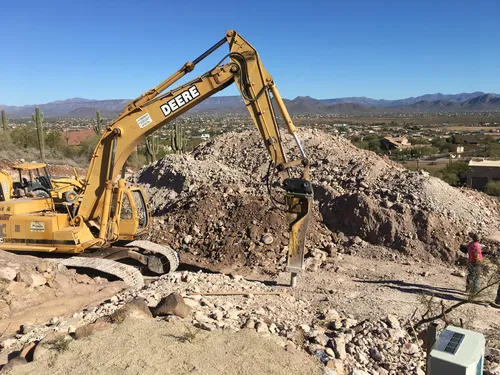
Arizona Septic Tank
Phoenix, AZ
Arizona Septic Tank is a family-owned and operated full-service septic contractor serving Phoenix, AZ, and surrounding areas. With over 40 years of experience, they provide septic system design, installation, pumping, inspection, repair, and maintenance for both residential and commercial properties. Their services cover standard and alternative septic systems, including excavation, leach field installation, and specialized septic leach drilling. Arizona Septic Tank also offers grease trap cleaning, enzyme and root treatments, and electronic location services. They are licensed and insured, focusing on environmentally friendly solutions and compliance with state regulations.
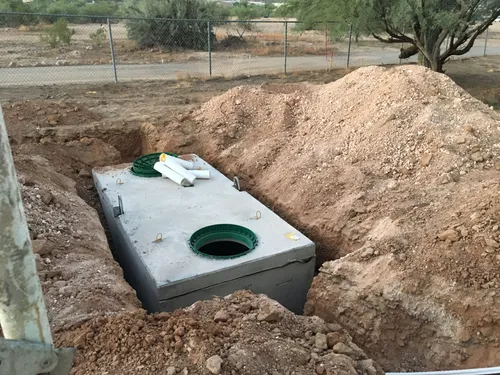
Arizona Septic Tank
1817 E Southern Ave, Tempe, AZ 85282
Arizona Septic Tank is a family-owned and operated full-service septic contractor serving Phoenix, AZ, and surrounding areas. With over 40 years of experience, they provide septic system design, installation, pumping, inspection, repair, and replacement services for both residential and commercial clients. Their capabilities include handling standard and alternative septic systems, septic tank pumping, sewer line repair, and specialized services such as grease trap cleaning and electronic location of septic components. Arizona Septic Tank is licensed and insured, offering environmentally conscious solutions tailored to local soil and site conditions.
Understanding Your Septic System's Leach Field
The drain field, also known as a leach field or soil absorption area, is the final and most crucial stage of your onsite wastewater treatment system. After solids settle in the septic tank, the liquid effluent flows into a network of perforated pipes buried in trenches filled with gravel. This effluent slowly percolates into the soil, where natural biological processes provide the final treatment before it rejoins the groundwater. In Avondale, the soil's ability to absorb and treat this water is governed by strict state and local regulations to protect public health and scarce water resources.
Signs You May Need Drain Field Service
Recognizing early warning signs can prevent a complete system failure and more costly repairs. Be alert for:
- Sewage Surfacing: Wet, soggy spots or standing water over the drain field area, especially with a foul odor.
- Slow Drains & Backups: Gurgling pipes, slow-draining sinks and toilets, or sewage backups in the home, which may indicate the drain field is saturated and not accepting effluent.
- Unusually Lush Vegetation: Grass or plants over the leach field that are greener and grow faster than the rest of the yard, indicating a nutrient-rich effluent surfacing.
- Persistent Odors: The smell of sewage around the tank or drain field area.
If you notice any of these signs, it's time for a professional inspection. A failing leach field will not fix itself and typically requires intervention 1 2.
The Inspection and Diagnosis Process
Before any repair or replacement can be planned, a thorough inspection is mandatory. For homeowners in Avondale selling their property, a formal Transfer of Ownership Inspection is required by the Arizona Department of Environmental Quality (ADEQ) 3. Even outside of a sale, a professional inspection follows a similar process to diagnose problems:
- Locate & Uncover: The technician will locate and uncover the septic tank lids and inspection ports 4.
- Pump & Clean: The tank is pumped to allow for a full examination of its structural integrity, including checking for leaks, cracks, and the condition of inlet/outlet baffles.
- Soil Evaluation: The drain field area is assessed for visual signs of failure, like those listed above.
- Flow Test: This test checks if effluent is moving properly from the tank out to the distribution box and drain field 5.
- Reporting: A licensed inspector will file an official report (using ADEQ Form GWS 432) detailing the system's condition 6.
This inspection determines whether the issue is a simple clog, a damaged pipe, or a complete failure requiring a new soil treatment area.
Arizona and Avondale Regulations You Must Follow
All septic system work in Avondale is governed by state law, specifically AAC R18-9-A314, which sets the standards for onsite wastewater treatment 7. Key regulatory steps include:
- Permits: Any drain field repair or replacement requires a permit. Plans are reviewed by either the ADEQ or the local health department. In Avondale, the city's Engineering Department handles plan review and permitting for such projects 8 9.
- Soil Percolation Test: A "perc test" is almost always required before designing a new leach field. This test measures how quickly water drains through your soil, determining the size and type of system your property can support 10. The soil must adequately treat wastewater; unsuitable soil may require an engineered alternative system.
- Setbacks: The new drain field must be located specific distances from property lines, buildings, water wells, and surface water, as dictated by code 11.
- Inspections: The permitting agency will require inspections at critical stages of the installation to ensure compliance with the approved plans.
Navigating these regulations is a key reason to work with an experienced, licensed contractor familiar with Avondale's specific processes.
Find the perfect drain field repair companies for your needs
Get personalized recommendations and expert advice
The Drain Field Replacement Process
If a full replacement is necessary, here's what the project typically entails:
- Design & Permitting: Based on the perc test and household size, an engineer or qualified contractor designs the new system and submits plans for permit approval.
- Excavation: Heavy equipment is used to carefully excavate the old, failed leach field. The old gravel and pipe are removed.
- Site Preparation: The native soil is often tilled or scarified to improve absorption. In some cases, additional suitable soil may need to be brought in.
- New Installation: New perforated pipes are laid in clean gravel-filled trenches. A distribution box ensures even flow to all pipes. The system is then covered with a geotextile fabric and soil.
- Final Grading & Inspection: The area is graded to prevent surface water from pooling and is often seeded with grass. A final inspection by the permitting agency is required to close the permit.
Cost Factors for Leach Field Projects in Avondale
Costs can vary widely based on the extent of the failure, soil conditions, system size, and permit fees. Here's a breakdown of typical cost components based on available data:
- Inspection: The cost for a required Transfer of Ownership Inspection is typically paid by the property seller 12.
- Permits: Permit fees for a drain field replacement can range from approximately $450 to $2,000.
- Soil Percolation Test: A professional perc test in Arizona averages around $1,300.
- Drain Field Replacement: Installing a new leach field is a significant investment. Partial repairs may start around $7,000, but a full replacement for a standard home often costs significantly more 13.
- Septic Tank Replacement: If the tank also needs to be replaced, that can add $3,000 to $10,000 to the project cost.
- Labor: Labor typically constitutes about 60% of the total project cost for major septic work 14.
Maintaining Your New Drain Field
Protecting your investment is crucial. Proper maintenance can extend the life of your new leach field for decades:
- Regular Pumping: Have your septic tank pumped every 3 to 5 years to prevent solids from escaping into and clogging the drain field 15.
- Water Conservation: Spread out water use and fix leaks. Flooding the system with too much water at once can overwhelm it.
- Mind What You Flush: Only human waste and toilet paper should go down the drain. Avoid chemicals, grease, diapers, and wipes (even "flushable" ones) 16.
- Protect the Area: Never drive or park vehicles over the drain field, and avoid planting trees with deep roots nearby.
Frequently asked questions
Sources
Footnotes
-
Inspecting Your Household Septic System - https://extension.arizona.edu/publication/inspecting-your-household-septic-system ↩
-
Your Household Septic System - https://cales.arizona.edu/backyards/sites/cals.arizona.edu.backyards/files/page7-8.pdf ↩
-
What You Should Know When You're Having Your Septic System ... - https://extension.arizona.edu/sites/extension.arizona.edu/files/attachment/az1554-12-12-11_TransferOfOwnershipInspection_revised_2-24-12.pdf ↩
-
Arizona Septic Tank Inspection Guide - https://www.clickapro.com/septic-tank-inspection-guide/ ↩
-
What Arizona Homebuyers Should Know About Septic Inspections - https://tucsonsepticsystems.com/septic/what-arizona-homebuyers-should-know-about-septic-inspections/ ↩
-
What You Should Know When You're Having Your Septic ... - https://extension.arizona.edu/sites/default/files/2024-08/az1554-2018.pdf ↩
-
Arizona Septic Tank Requirements | Onsite Wastewater Management ... - https://www.ntotank.com/blog/arizona-septic-tank-requirements ↩
-
Plan Review & Permitting | City of Avondale - https://www.avondaleaz.gov/government/departments/engineering-department/plan-review-permitting ↩
-
Construction Services | City of Avondale - https://www.avondaleaz.gov/government/departments/engineering-department/construction-services ↩
-
Septic Drainfield Design 101: A Complete Guide - https://landperc.com/septic-drainfield-design-guide/ ↩
-
Residential Onsite Wastewater Treatment: Traditional Drainfields for Effluent Treatment - https://extensionpubs.unl.edu/publication/g1479/na/pdf/view ↩
-
ADEQ Septic Inspections:15 FAQ'S - HomeField East Valley - https://www.homefieldonsite.com/east-valley/adeq-septic-inspections15-faqs/ ↩
-
Leach Field Installation in Arizona: What Homeowners Need ... - https://www.grossseptic.com/blog/leach-field-installation-in-arizona-what-homeowners-need-to-know-before-replacing-a-drain-field/ ↩
-
Cost to Replace Septic Tank and Drain Field [2026 Data] | Angi - https://www.angi.com/articles/how-much-new-drain-fields-foot.htm ↩
-
Managing Your Household Septic System - https://extension.arizona.edu/publication/managing-your-household-septic-system ↩
-
Frequent Questions on Septic Systems | US EPA - https://www.epa.gov/septic/frequent-questions-septic-systems ↩