Find the Best Drain Field Repair Companies for Your Business
No obligation • Fast responses • Nationwide coverage

Why you can trust Septic Spot
Septic Spot is a leading United States resource for understanding and comparing septic services. Our editors review providers using consistent criteria and verify key business details. Listings and scores are independent, and companies cannot pay to influence our content.
Search providers near you
Top Drain Field Repair Companies in Chandler, Arizona Ranked
A failing drain field, also known as a leach field or absorption field, is a serious issue for any home with a septic system. This critical component is responsible for safely dispersing and filtering treated wastewater into the soil. When it malfunctions, it can lead to sewage backups, soggy yards, and environmental contamination. In Chandler, addressing drain field problems requires navigating specific Arizona regulations and local soil conditions. This guide helps you understand the repair and replacement process, local costs, and how to find qualified professionals to restore your system's function.

Simply Rooter and Septic LLC
50741 W Papago Rd, Maricopa, AZ 85139
Simply Rooter and Septic LLC provides septic tank pumping, inspection, repair, installation, and drain field services in Phoenix, AZ. The company addresses common septic issues such as slow drains, sewage backups, and drain field failures, using professional inspections and repairs tailored to local soil and climate conditions. They ensure proper system installation and maintenance to prevent environmental contamination and costly damage. Licensed technicians handle tank and drain field repairs with knowledge of local regulations and soil characteristics to maintain system efficiency and compliance.

Eco Septic Tank Pumping Phoenix
Phoenix, AZ
Eco Septic Tank Pumping Phoenix provides a full range of septic services including pumping, inspection, repair, and installation in Phoenix, AZ. They handle routine septic system cleaning, emergency sewer cleaning, and biological treatments to maintain system health. Their process includes thorough tank inspection and safe waste disposal to licensed facilities. The company also offers septic system repairs and new installations, ensuring compliance with local regulations. Serving Phoenix and surrounding areas, Eco Septic Tank Pumping Phoenix emphasizes regular maintenance to prevent system failures and extend septic system lifespan.

Mesa Septic
Mesa, AZ
Mesa Septic is a family-owned septic service company based in Mesa, AZ, with over 50 years of experience serving the valley. They provide residential and commercial customers with septic tank pumping, inspection, repair, installation, and system design services. Their certified inspectors handle septic certifications required by Arizona regulations, and they offer specialized services such as grease trap pumping, drain field remediation, and sewer line hydrojetting. Mesa Septic also provides 24/7 plumbing and sewer assistance through licensed plumbers.
Arizona Septic Tank
Phoenix, AZ
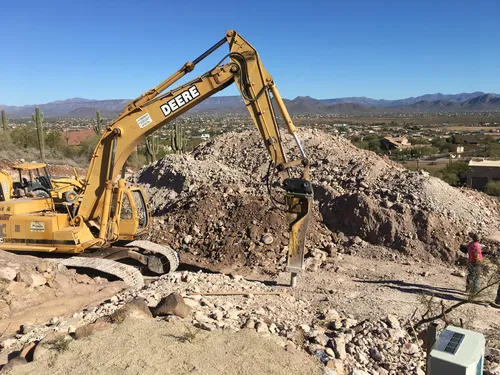
Arizona Septic Tank is a family-owned and operated full-service septic contractor serving Phoenix, AZ, and surrounding areas. With over 40 years of experience, they provide septic system design, installation, pumping, inspection, repair, and maintenance for both residential and commercial properties. Their services cover standard and alternative septic systems, including excavation, leach field installation, and specialized septic leach drilling. Arizona Septic Tank also offers grease trap cleaning, enzyme and root treatments, and electronic location services. They are licensed and insured, focusing on environmentally friendly solutions and compliance with state regulations.
Arizona Septic Tank
1817 E Southern Ave, Tempe, AZ 85282
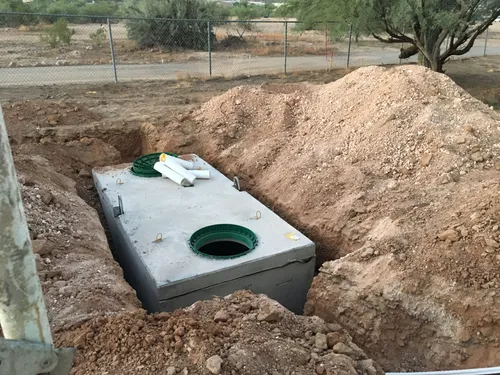
Arizona Septic Tank is a family-owned and operated full-service septic contractor serving Phoenix, AZ, and surrounding areas. With over 40 years of experience, they provide septic system design, installation, pumping, inspection, repair, and replacement services for both residential and commercial clients. Their capabilities include handling standard and alternative septic systems, septic tank pumping, sewer line repair, and specialized services such as grease trap cleaning and electronic location of septic components. Arizona Septic Tank is licensed and insured, offering environmentally conscious solutions tailored to local soil and site conditions.
Understanding Your Drain Field in the Arizona Desert
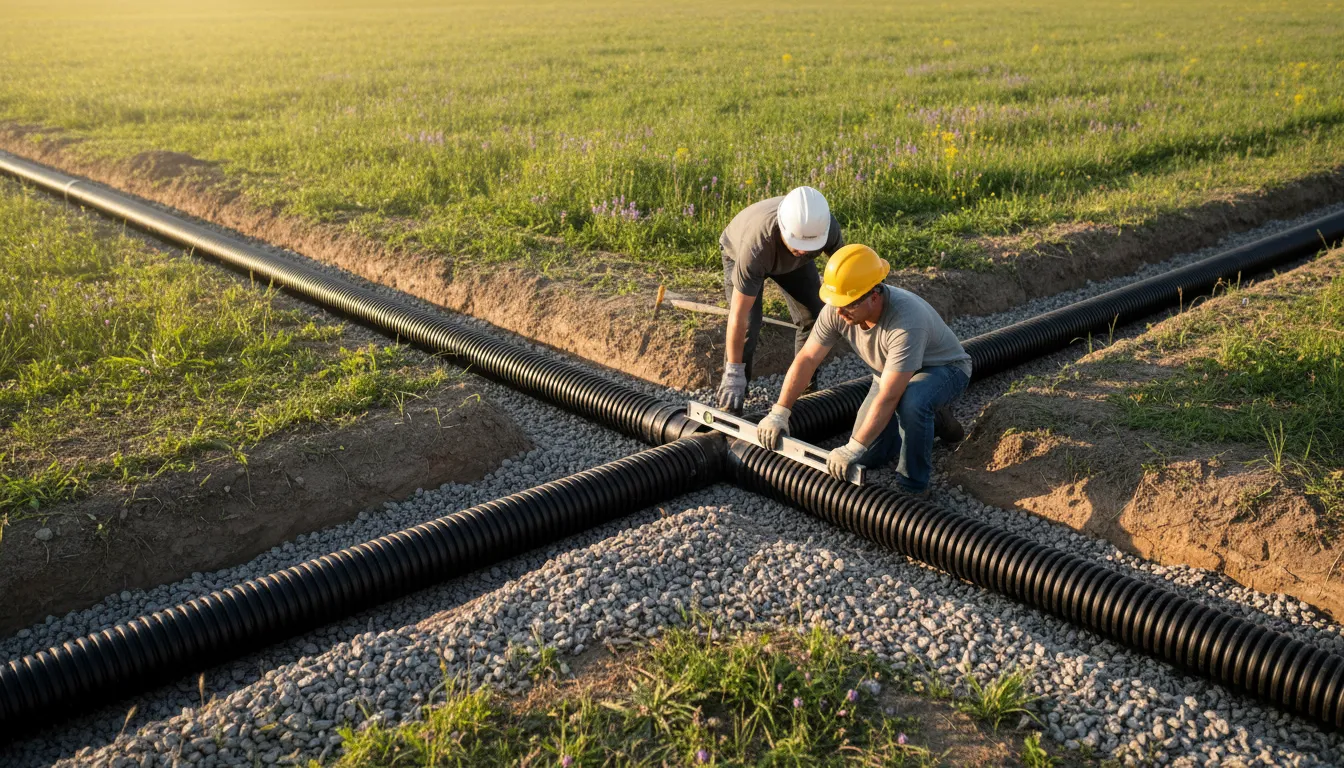
The drain field is the final stage of your onsite wastewater treatment system. After solids settle in the septic tank, liquid effluent flows into a network of perforated pipes buried in trenches filled with gravel. This effluent slowly percolates into the soil, where natural processes provide final treatment. In Chandler and the broader Phoenix metro area, this process is challenged by unique environmental factors.
Arizona's soil often contains heavy clay or a hardpan layer called caliche. These dense soils have very slow permeability, meaning water drains through them poorly. A standard drain field designed for sandy soil will quickly fail in these conditions. Consequently, systems in Maricopa County often require larger or engineered drain fields to provide adequate drainage area. Furthermore, a high groundwater table, which can occur in some areas, may completely rule out a conventional drain field, necessitating an alternative system like a mound system.
Signs Your Leach Field Needs Attention
Catching problems early can mean the difference between a relatively minor repair and a full, costly replacement. Homeowners should be vigilant for these warning signs of a failing absorption field:
- Soggy Ground or Standing Water: Persistent wet spots, puddles, or mushy soil over the drain field area, especially when it hasn't rained.
- Unpleasant Odors: Sewage smells emanating from the yard near the drain field or even inside the home.
- Slow Drains and Backups: Gurgling pipes, slow-draining sinks and toilets, or sewage backups into the home.
- Unusually Lush Vegetation: A patch of grass or plants over the drain field that is noticeably greener, thicker, and grows faster than the surrounding yard, indicating a surplus of nutrient-rich wastewater 1 2.
- Efficient Flow from Inspection Ports: Visible flow of effluent from the septic tank's outlet or from inspection ports leading to the drain field.
The Regulatory Landscape: ADEQ and Permits
Any significant repair or complete replacement of a septic system component in Chandler is regulated by the Arizona Department of Environmental Quality (ADEQ). Compliance is not optional; it's managed through county environmental health services.
- Permits Are Required: Before any major work begins, a permit-often filed as a "Notice of Intent to Discharge"-must be obtained. This ensures the proposed repair or new installation meets current health and environmental standards.
- Transfer of Ownership Inspections: If you are buying or selling a home with a septic system, a mandatory inspection by an ADEQ-approved inspector is required. The inspector files a report (Form GWS 432) with the county within 15 days of the sale 3 4.
- Approved Professionals: Always verify that any contractor you hire is licensed and familiar with ADEQ requirements. They will handle the permitting process, which includes soil evaluations and system design approval for replacements.
The Inspection and Diagnosis Process
Before any repair strategy is decided, a thorough professional inspection is essential. This process typically involves several key steps to accurately diagnose the problem with your leach field 5 6 7:
- Locate & Map: The technician will locate all system components-tank, distribution box, and drain field lines.
- Pump & Inspect the Tank: The septic tank is usually pumped out to allow for a full internal inspection for cracks, baffle issues, or tank failure that could be overloading the drain field.
- Assess Scum and Sludge: Levels are measured to determine if improper tank maintenance contributed to the drain field clogging.
- Hydraulic Load Test: This critical test involves introducing a measured amount of water into the drain field to see if it drains properly or ponds, indicating a failure.
- Soil and Site Evaluation: For replacement projects, a new percolation test and soil analysis will be required to design a system suitable for your property's specific conditions.
Find the perfect drain field repair companies for your needs
Get personalized recommendations and expert advice
Repair vs. Replacement: Understanding Your Options
The solution for your drain field issue depends on the extent of the damage and the underlying cause.
Potential Repair Options:
- Jet Cleaning: High-pressure water jetting can sometimes clear minor blockages in the drain field pipes.
- Adding a New Trench: If only a portion of the field has failed, it may be possible to add an additional trench to expand the system's capacity, subject to space and permit approval 8.
- System Rest: In cases of temporary overloading, having the tank pumped and completely resting the field (no water sent to it) for a period may allow it to recover.
When Replacement is Necessary: A full drain field replacement is required when the soil absorption area has become permanently clogged or "biomat-ed," the pipes have collapsed, or the original system was improperly sized for the soil type. Replacement involves designing a new system based on current regulations and your household size, obtaining a new permit, and excavating to install new gravel beds and distribution lines 9.
Cost Guide for Drain Field Services in Chandler
Costs can vary widely based on the scope of work, soil conditions, and system size. The figures below are estimates to help you budget.
- Professional Inspection: A comprehensive septic system inspection, which is necessary for diagnosis, typically ranges from $200 to $650+ in Arizona 10 11. This cost often includes pumping the tank.
- Minor Repairs and Maintenance: Simple fixes like jet cleaning or repairing a distribution box may start in the $200 to $650 range.
- Full Drain Field Replacement: This is a major excavation and construction project. In Chandler, the average cost for a complete leach field replacement generally falls between $2,000 and $10,000, with many projects averaging around $7,000 or more 12. A common industry estimate is $9 to $12 per linear foot of installed trench 13. Factors like difficult soil (clay or caliche), limited site access, or the need for an engineered alternative system can push costs toward the higher end or beyond.
Maintaining Your New or Repaired Drain Field
Protecting your investment is crucial. Proper maintenance extends the life of your entire septic system for decades.
- Practice Water Conservation: Spread out laundry loads, fix leaky faucets, and install efficient fixtures to avoid hydraulically overloading the field.
- Mind What You Flush: Only human waste and toilet paper should go down the drain. Avoid chemicals, grease, wipes, and other non-biodegradables.
- Keep It Clear: Never drive or park vehicles over the drain field, and avoid planting trees or deep-rooted shrubs nearby.
- Pump Regularly: Have your septic tank pumped every 3-5 years by a licensed professional to prevent solids from escaping into and clogging the drain field.
Frequently asked questions
Sources
Footnotes
-
How to Inspect Your Septic System: A Homeowner's Monthly Checklist - https://cwsseptic.com/how-to-inspect-your-septic-system-a-homeowners-monthly-checklist/ ↩
-
Leach Field 101: The Ultimate Guide to Understanding and Managing Your Septic System - https://www.nexgenseptics.com/leach-field-101-the-ultimate-guide-to-understanding-and-managing-your-septic-system/ ↩
-
What You Should Know When You're Having Your Septic System ... - https://extension.arizona.edu/sites/extension.arizona.edu/files/attachment/az1554-12-12-11_TransferOfOwnershipInspection_revised_2-24-12.pdf ↩
-
What You Should Know When You're Having Your Septic ... - https://extension.arizona.edu/sites/default/files/2024-08/az1554-2018.pdf ↩
-
Arizona Septic Tank Requirements - https://www.ntotank.com/blog/arizona-septic-tank-requirements ↩
-
Inspecting Your Household Septic System - https://www.extension.arizona.edu/sites/default/files/2024-09/az1159-2018_Inspecting%20Your%20Household%20Septic%20System.pdf ↩
-
Arizona Septic Tank Inspection Guide - https://www.clickapro.com/septic-tank-inspection-guide/ ↩
-
Septic System Repairs: Guidelines and Limitations - https://www.graham.az.gov/DocumentCenter/View/763/Septic-System-Repairs---Guidelines-and-Limitations-PDF ↩
-
Leach Field Installation in Arizona: What Homeowners Need ... - https://www.grossseptic.com/blog/leach-field-installation-in-arizona-what-homeowners-need-to-know-before-replacing-a-drain-field/ ↩
-
How Much Does a Septic Inspection Cost in Arizona? - https://www.advantageairmechanical.com/blog/septic-inspection-cost-arizona ↩
-
How Much Does a Septic Inspection Cost in Arizona? - https://www.advantageairmechanical.com/blog/septic-inspection-cost-arizona ↩
-
Cost to Replace Septic Tank and Drain Field [2026 Data] | Angi - https://www.angi.com/articles/how-much-new-drain-fields-foot.htm ↩
-
How Much Does A Septic System Cost? - https://uniquedrainseptic.com/blogs/resources/how-much-does-a-septic-system-cost ↩