Find the Best Drain Field Repair Companies for Your Business
No obligation • Fast responses • Nationwide coverage

Why you can trust Septic Spot
Septic Spot is a leading United States resource for understanding and comparing septic services. Our editors review providers using consistent criteria and verify key business details. Listings and scores are independent, and companies cannot pay to influence our content.
Search providers near you
Top Drain Field Repair Companies in Goodyear, Arizona Ranked
A failing drain field is a serious issue for any homeowner with a septic system. This critical component, also known as a leach field or absorption field, is responsible for the final treatment and dispersal of wastewater into the soil. When it malfunctions, it can lead to sewage backups, environmental contamination, and significant property damage. Understanding the signs of failure, the local regulatory landscape, and your repair or replacement options is essential for protecting your home and investment in Goodyear. This guide provides the information you need to navigate the process of drain field restoration, from initial inspection to final installation, and helps you connect with qualified local professionals.

Eco Septic Tank Pumping Phoenix
Phoenix, AZ
Eco Septic Tank Pumping Phoenix provides a full range of septic services including pumping, inspection, repair, and installation in Phoenix, AZ. They handle routine septic system cleaning, emergency sewer cleaning, and biological treatments to maintain system health. Their process includes thorough tank inspection and safe waste disposal to licensed facilities. The company also offers septic system repairs and new installations, ensuring compliance with local regulations. Serving Phoenix and surrounding areas, Eco Septic Tank Pumping Phoenix emphasizes regular maintenance to prevent system failures and extend septic system lifespan.

Mesa Septic
Mesa, AZ
Mesa Septic is a family-owned septic service company based in Mesa, AZ, with over 50 years of experience serving the valley. They provide residential and commercial customers with septic tank pumping, inspection, repair, installation, and system design services. Their certified inspectors handle septic certifications required by Arizona regulations, and they offer specialized services such as grease trap pumping, drain field remediation, and sewer line hydrojetting. Mesa Septic also provides 24/7 plumbing and sewer assistance through licensed plumbers.
Arizona Septic Tank
Phoenix, AZ
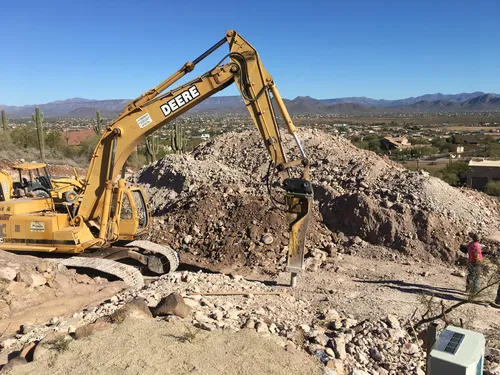
Arizona Septic Tank is a family-owned and operated full-service septic contractor serving Phoenix, AZ, and surrounding areas. With over 40 years of experience, they provide septic system design, installation, pumping, inspection, repair, and maintenance for both residential and commercial properties. Their services cover standard and alternative septic systems, including excavation, leach field installation, and specialized septic leach drilling. Arizona Septic Tank also offers grease trap cleaning, enzyme and root treatments, and electronic location services. They are licensed and insured, focusing on environmentally friendly solutions and compliance with state regulations.
Arizona Septic Tank
1817 E Southern Ave, Tempe, AZ 85282
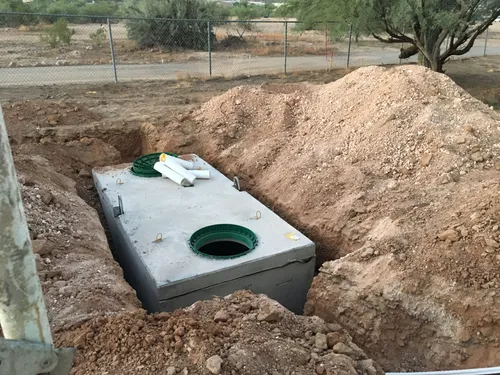
Arizona Septic Tank is a family-owned and operated full-service septic contractor serving Phoenix, AZ, and surrounding areas. With over 40 years of experience, they provide septic system design, installation, pumping, inspection, repair, and replacement services for both residential and commercial clients. Their capabilities include handling standard and alternative septic systems, septic tank pumping, sewer line repair, and specialized services such as grease trap cleaning and electronic location of septic components. Arizona Septic Tank is licensed and insured, offering environmentally conscious solutions tailored to local soil and site conditions.
Understanding Your Septic System's Drain Field
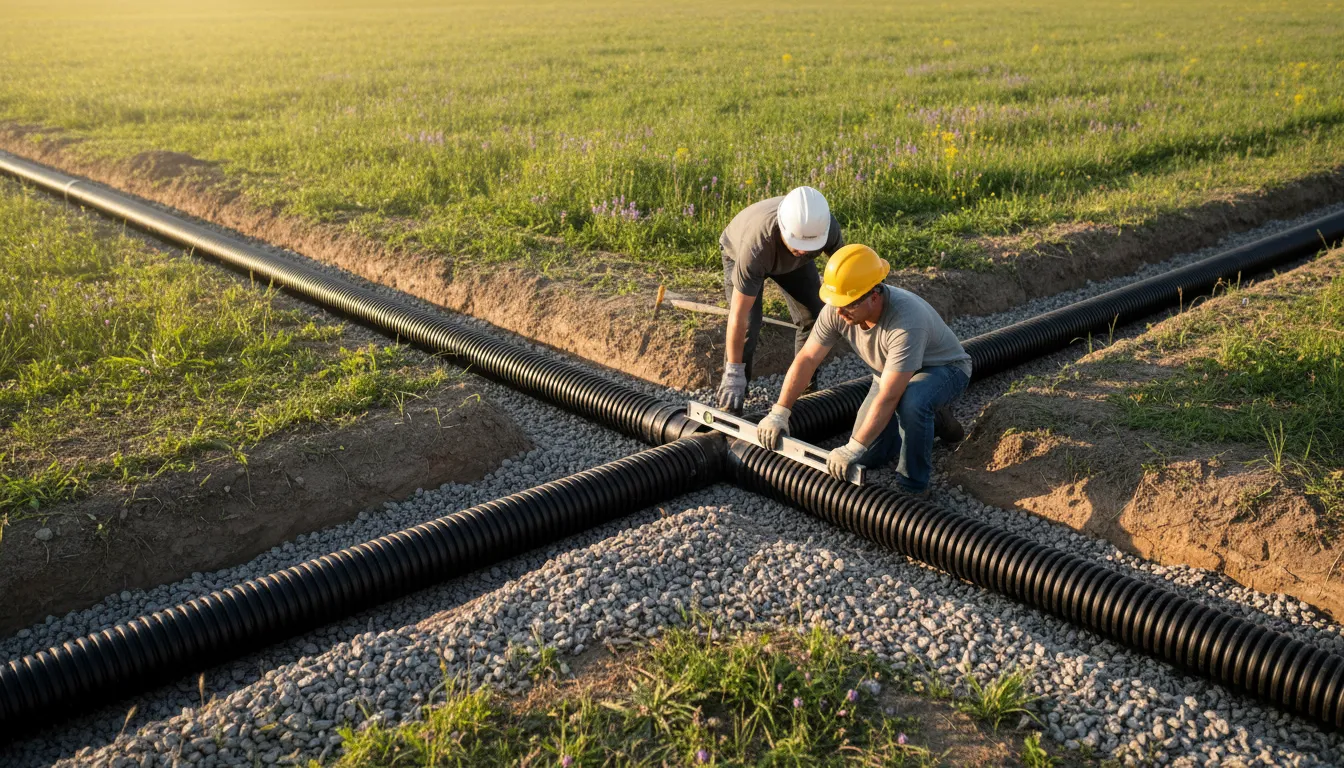
The drain field is the unsung hero of your onsite wastewater system. After solids settle in the septic tank, the treated liquid effluent flows out into a network of perforated pipes buried in trenches filled with gravel. This effluent slowly percolates down through the soil, where natural processes provide final treatment by removing harmful bacteria, viruses, and nutrients. The soil type is the most critical factor in a drain field's design and function. In Arizona, soil conditions can vary dramatically, directly impacting the system's performance and longevity.
Signs Your Goodyear Drain Field Needs Attention
Recognizing early warning signs can mean the difference between a manageable repair and a costly full replacement. Don't ignore these common indicators of leach field distress:
- Soggy Ground or Surfacing Sewage: The most direct sign of failure is wastewater pooling on the ground above or near the drain field area. This is a public health hazard and requires immediate attention 1.
- Persistently Slow Drains: If sinks, toilets, and showers drain slowly throughout the house, and plunging or drain cleaners don't help, the problem may be a saturated absorption field.
- Foul Odors: Unpleasant sewage smells in your yard or even inside your home can indicate that effluent is not properly filtering through the soil.
- Unusually Lush Grass: While it might look healthy, a patch of grass over the drain field that is noticeably greener and grows faster than the rest of the lawn is often feeding on nutrient-rich wastewater.
- Sewage Backups: The most severe symptom, where wastewater backs up into household drains, signals a complete system failure.
If you notice any of these issues, the first step is to contact a licensed septic professional for a comprehensive inspection.
The Inspection Process: Diagnosing Drain Field Problems
A proper inspection by a licensed contractor is the only way to accurately diagnose the health of your entire septic system, including the leach field. This process typically involves 2 3:
- Locating and Uncovering the septic tank lid(s).
- Inspecting the Tank: Checking inlet and outlet baffles for blockages and looking for structural cracks or leaks.
- Measuring Sludge and Scum: Determining if the tank needs to be pumped, which is often part of a thorough inspection.
- Performing a Flow Test: Introducing water into the system to verify that effluent is moving correctly from the tank out into the drain field.
- Evaluating the Drain Field: Checking for signs of saturation, inspecting distribution boxes, and assessing the soil conditions.
In Arizona, a septic inspection is legally mandated during a Transfer of Ownership (when buying or selling a home) 4 5. The cost for a system inspection in Goodyear can range from $55 for a basic visual check to $650 or more for a comprehensive evaluation that includes pumping the tank 6 7.
Arizona and Goodyear Regulations You Must Know
Any major repair or replacement of a septic system component in Goodyear is governed by the Arizona Department of Environmental Quality (ADEQ). Ignoring these rules can result in fines and work stoppages.
- Permits Are Required: A permit from ADEQ is necessary for any significant repair or a total replacement of a septic tank or drain field. For many residential systems, this falls under an Aquifer Protection Permit (APP), which often functions as a general permit.
- Licensed Contractors Only: All design, inspection, and installation work must be performed by a contractor licensed by the state of Arizona. Always verify a professional's license before hiring.
- Site and Soil Evaluations: The design of a new or replacement absorption field depends on a professional site evaluation. Key factors include 8 9:
- Soil Type: Sandy soils offer ideal percolation. Heavy clay soils, common in parts of the region, have very slow absorption rates and often require larger, more complex, or elevated "mound" systems.
- Setbacks: Regulations mandate minimum separation distances from groundwater, bedrock, wells, property lines, and structures.
- Site Access: The ease with which heavy equipment can reach the work area significantly impacts the project's complexity and cost.
Find the perfect drain field repair companies for your needs
Get personalized recommendations and expert advice
Repair vs. Replacement: Costs and Considerations
The course of action depends on the inspection findings. Minor issues like a clogged distribution line might be repairable. However, a drain field that has become biologically clogged (a condition called "biomat" over-saturation) or has failed structurally typically requires a full replacement.
- Drain Field Repair: Targeted fixes, such as jet-cleaning clogged pipes or replacing a damaged section, are less invasive and less expensive. Costs vary widely based on the problem but are generally under $5,000.
- Drain Field Replacement: This is a major excavation project. The old field is abandoned, and a new one is constructed according to current ADEQ standards. In Goodyear, replacement costs typically range from $5,000 to over $20,000 10 11 12. The final price depends on:
- System Size and Type: A standard gravity-fed trench system is most common, but poor soils may require a pressure-dosed or mound system, which is more expensive.
- Soil Conditions: Difficult soil requires more extensive excavation or specialized engineering.
- Landscaping and Access: Restoring lawns, decks, or gardens adds to the cost. Tight access for backhoes and dump trucks can also increase labor time.
While the upfront cost is substantial, a properly installed new leach field is a long-term investment that can last 25 to 30 years with proper care, protecting your property value and preventing recurring problems 13 14.
Maintaining Your New or Repaired Drain Field
Protect your investment with smart maintenance habits:
- Conserve Water: Spread out laundry and dishwasher loads to avoid overwhelming the system.
- Mind What You Flush: Only human waste and toilet paper should go down the toilet. Never flush chemicals, wipes, feminine products, or grease.
- Divert Water: Ensure roof gutters, sump pumps, and yard drainage are directed away from the drain field to prevent saturation.
- Protect the Area: Never drive or park heavy vehicles on the drain field, and avoid planting trees with deep roots nearby.
- Pump the Tank Regularly: Have your septic tank pumped every 3-5 years (or as recommended by your inspector) to prevent solids from escaping into and clogging the drain field.
Frequently asked questions
Sources
Footnotes
-
What Arizona Homebuyers Should Know About Septic Inspections - https://tucsonsepticsystems.com/septic/what-arizona-homebuyers-should-know-about-septic-inspections/ ↩
-
Leach Field Installation in Arizona: What Homeowners Need ... - https://www.grossseptic.com/blog/leach-field-installation-in-arizona-what-homeowners-need-to-know-before-replacing-a-drain-field/ ↩
-
Inspecting Your Household Septic System - https://www.extension.arizona.edu/sites/default/files/2024-09/az1159-2018_Inspecting%20Your%20Household%20Septic%20System.pdf ↩
-
Arizona Septic Tank Requirements | Onsite Wastewater Management System - https://www.ntotank.com/blog/arizona-septic-tank-requirements ↩
-
What You Should Know When You're Having Your Septic System ... - https://extension.arizona.edu/sites/extension.arizona.edu/files/attachment/az1554-12-12-11_TransferOfOwnershipInspection_revised_2-24-12.pdf ↩
-
Inspecting Your Household Septic System | UA Cooperative Extension - https://extension.arizona.edu/publication/inspecting-your-household-septic-system ↩
-
How Much Does a Septic Inspection Cost in Arizona? - https://www.advantageairmechanical.com/blog/septic-inspection-cost-arizona ↩
-
Septic Drain Field Replacement Costs Vs. Long-Term Savings - https://www.theseptictankman.com/blog/septic-drain-field-replacement-costs-vs-long-term-savings ↩
-
How To Install A Septic System Correctly - https://smartsepticpros.com/blog/how-to-install-a-septic-system/ ↩
-
Septic Drain Field Replacement Cost - https://dillonseptic.com/septic-drain-field-replacement-cost/ ↩
-
Septic System Design and Installation in Goodyear, AZ | SewerMan - https://sewerman.com/goodyear-az/services/septic-system-services/ ↩
-
Leach Field Replacement: Cost Breakdown - Aqua Pro Solutions - https://www.aquaprosolutions.com/resources/leach-field-replacement-cost-breakdown/ ↩
-
Leach Drain Field: Essential Maintenance and Troubleshooting Tips - https://www.rciseptic.com/leach-drain-field-essential-maintenance-and-troubleshooting-tips ↩
-
Septic Drain Field Help: A Guide to Repair and Maintenance - https://mathisandsonsseptic.com/mathis-sons-septic-blog-orlando-fl/septic-drain-field-help-a-comprehensive-guide-to-septic-system-repair-and-maintenance/ ↩