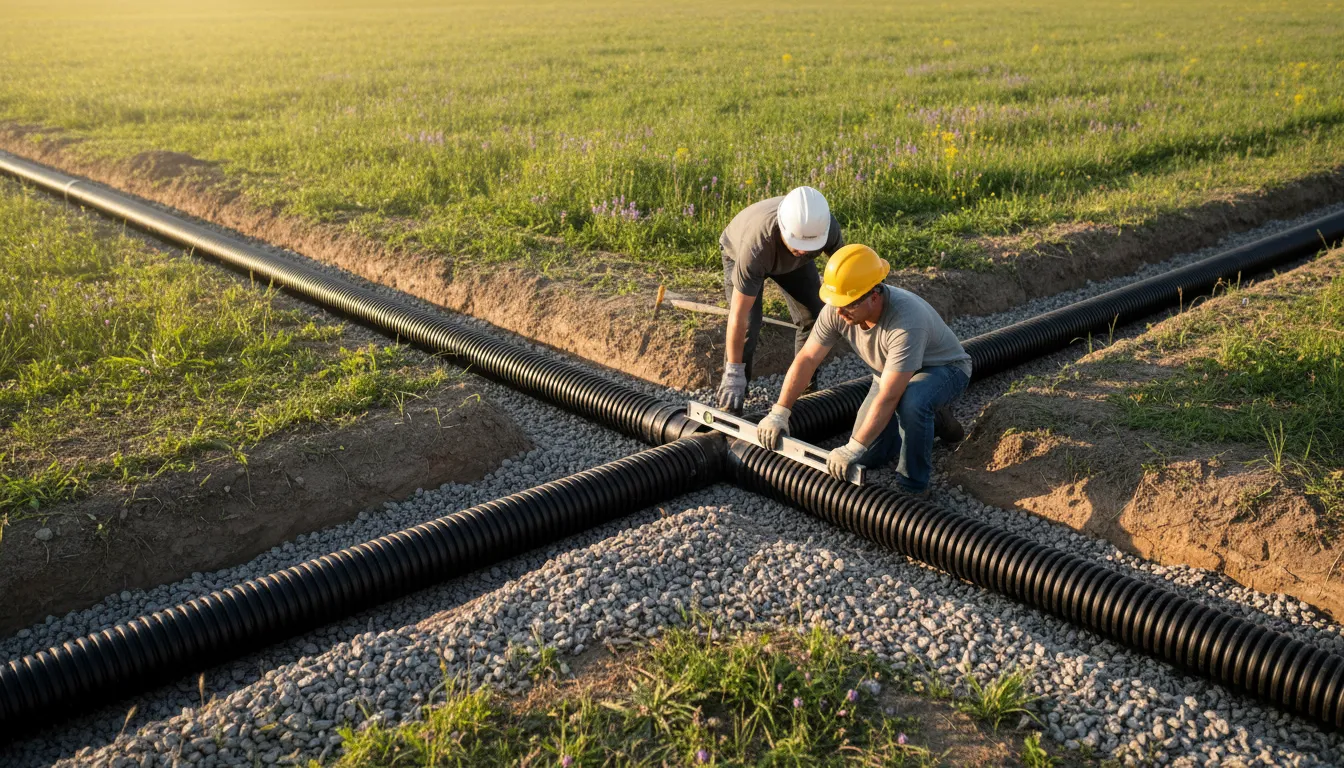
Find the Best Drain Field Repair Companies for Your Business
No obligation • Fast responses • Nationwide coverage

Why you can trust Septic Spot
Septic Spot is a leading United States resource for understanding and comparing septic services. Our editors review providers using consistent criteria and verify key business details. Listings and scores are independent, and companies cannot pay to influence our content.
Search providers near you
Top Drain Field Repair Companies in Scottsdale, Arizona Ranked
A failing drain field is a serious issue for any Scottsdale home with a septic system. This critical component, also known as a leach field or absorption field, is responsible for safely dispersing treated wastewater into the soil. When it malfunctions, it can lead to sewage backups, soggy yards, and environmental contamination. Understanding the local requirements, costs, and process for drain field repair or replacement is essential for homeowners. This guide provides the information you need to navigate this complex project, from recognizing failure signs to working with licensed professionals and securing the necessary permits from Maricopa County.
Sewer Time Septic & Drain
33645 N Cave Creek Rd, Cave Creek, AZ 85331
Sewer Time Septic & Drain is a licensed septic and plumbing contractor serving the Phoenix, AZ area. They provide a range of services including septic tank pumping, inspections, system repairs, and full installations for residential and commercial properties. Their certified technicians handle soil and percolation testing, system design, permitting, grease trap cleaning, and lift station maintenance. Sewer Time offers same-day service and 24/7 plumbing support for emergencies and new construction projects.

Eco Septic Tank Pumping Phoenix
Phoenix, AZ
Eco Septic Tank Pumping Phoenix provides a full range of septic services including pumping, inspection, repair, and installation in Phoenix, AZ. They handle routine septic system cleaning, emergency sewer cleaning, and biological treatments to maintain system health. Their process includes thorough tank inspection and safe waste disposal to licensed facilities. The company also offers septic system repairs and new installations, ensuring compliance with local regulations. Serving Phoenix and surrounding areas, Eco Septic Tank Pumping Phoenix emphasizes regular maintenance to prevent system failures and extend septic system lifespan.

Mesa Septic
Mesa, AZ
Mesa Septic is a family-owned septic service company based in Mesa, AZ, with over 50 years of experience serving the valley. They provide residential and commercial customers with septic tank pumping, inspection, repair, installation, and system design services. Their certified inspectors handle septic certifications required by Arizona regulations, and they offer specialized services such as grease trap pumping, drain field remediation, and sewer line hydrojetting. Mesa Septic also provides 24/7 plumbing and sewer assistance through licensed plumbers.
Arizona Septic Tank
Phoenix, AZ
Arizona Septic Tank is a family-owned and operated full-service septic contractor serving Phoenix, AZ, and surrounding areas. With over 40 years of experience, they provide septic system design, installation, pumping, inspection, repair, and maintenance for both residential and commercial properties. Their services cover standard and alternative septic systems, including excavation, leach field installation, and specialized septic leach drilling. Arizona Septic Tank also offers grease trap cleaning, enzyme and root treatments, and electronic location services. They are licensed and insured, focusing on environmentally friendly solutions and compliance with state regulations.
Arizona Septic Tank
1817 E Southern Ave, Tempe, AZ 85282
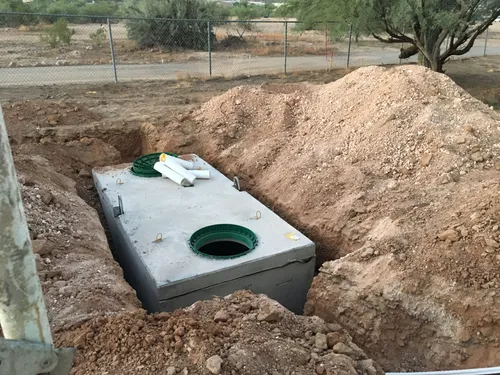
Arizona Septic Tank is a family-owned and operated full-service septic contractor serving Phoenix, AZ, and surrounding areas. With over 40 years of experience, they provide septic system design, installation, pumping, inspection, repair, and replacement services for both residential and commercial clients. Their capabilities include handling standard and alternative septic systems, septic tank pumping, sewer line repair, and specialized services such as grease trap cleaning and electronic location of septic components. Arizona Septic Tank is licensed and insured, offering environmentally conscious solutions tailored to local soil and site conditions.
Recognizing Drain Field Failure
The first step in addressing a drain field problem is identifying the signs of failure. Catching issues early can sometimes mean the difference between a minor repair and a full, costly replacement. Common indicators include:
- Sewage Backups: The most alarming sign is sewage backing up into household drains or toilets.
- Soggy Ground & Pooling Water: Consistently wet, spongy, or muddy soil over the drain field area, especially when it hasn't rained. You may also see standing water or surfacing sewage.
- Unpleasant Odors: Foul smells of sewage emanating from the yard near the drain field or tank.
- Unusually Green Grass: While the rest of your lawn is dry, the grass directly over the drain field may be lush and green due to the excess nutrient-rich water.
- Slow Drains: Gurgling sounds in pipes and drains that empty slowly throughout the house.
If you notice any of these signs, it's crucial to stop using water heavily and contact a licensed septic professional immediately for an inspection.
The Mandatory Professional Inspection
Before any repair or replacement can be planned, Arizona law requires a formal inspection by a state-certified professional. This isn't a simple visual check; it's a comprehensive evaluation documented on an official ADEQ Form GWS 432. The inspector will:
- Locate and pump the septic tank to examine it for cracks, leaks, and structural integrity.
- Check inlet and outlet baffles to ensure they are intact and functioning.
- Measure sludge and scum layers to determine if pumping is needed.
- Assess the drain field for visible signs of failure, such as saturated soil or effluent surfacing.
This inspection typically costs between $200 and $300 for a basic visual assessment, while a full inspection that includes pumping can range from $400 to $650 or more. The resulting report is a mandatory document for the permit application process with Maricopa County and provides the technical basis for deciding between repair and full replacement 1 2.
Repair vs. Replacement: Understanding the Difference
The inspection findings will determine the necessary course of action. Local regulations draw a clear distinction between minor repairs and a full system replacement, which dictates the permitting path.
- Minor Repairs: These address specific, isolated problems without altering the system's original design or capacity. Examples include replacing a damaged distribution box, clearing a blocked pipe, or fixing a compromised tank lid. Minor repairs may not always require a full new permit but must be performed by a licensed contractor 3.
- Drain Field Replacement: This is required when the existing absorption area has permanently failed-often due to soil clogging (biomat formation), hydraulic overloading, or root intrusion. A replacement is considered new construction and always requires a new permit, site evaluation, and design. You cannot simply install a new field in the same location; a new, suitable site must be evaluated on your property.
Navigating Maricopa County Permits and Regulations
The Maricopa County Environmental Services Department (MCESD) has strict oversight over all onsite wastewater (septic) systems. For a drain field replacement, you are essentially applying for a permit for a new system. The key document to initiate this is the "Notice of Intent to Discharge" application.
The process generally involves:
- Site and Soil Evaluation: A qualified evaluator must conduct a detailed analysis of your property.
- System Design: A licensed professional creates engineered plans for the new system based on the evaluation.
- Permit Application: Submit the design, the inspection report (GWS 432), and the application with fees to MCESD for review and approval.
- Installation & Final Inspection: A licensed installer constructs the system, which must then be inspected and approved by the County before use.
Permit fees are typically around $100 for the compliance inspection review, plus a $10 address verification fee 4. It's vital to work with professionals familiar with Maricopa County's specific requirements to avoid delays.
Find the perfect drain field repair companies for your needs
Get personalized recommendations and expert advice
The Critical Role of Soil Testing and Site Evaluation
The success of a new leach field hinges entirely on the soil's ability to absorb and treat effluent. This is why Arizona regulations mandate a rigorous site investigation before any replacement design can be created 5.
A qualified evaluator will dig a minimum of three test pits, each at least 12 feet deep. These pits are used to:
- Determine soil texture, structure, and percolation rate (how fast water moves through it).
- Identify the presence of restrictive layers like bedrock or hardpan.
- Measure the seasonal high groundwater table, which must be at least 4 feet below the bottom of the proposed drain field trenches 6.
Typically, two pits are dug in the primary drain field area and one in a designated reserve area, which is legally required for future expansion or replacement 7. The findings from these pits will determine if a conventional trench system is viable or if an alternative system is needed.
Alternative Systems for Challenging Sites
Not all Scottsdale properties have the deep, permeable soils ideal for a conventional drain field. If the soil evaluation reveals high groundwater, shallow bedrock, or very slow-percolating soil (like clay), you will need an alternative (or "engineered") system. These are more complex and expensive but are designed to overcome site limitations.
Common types include:
- Aerobic Treatment Units (ATUs): These systems inject oxygen into the treatment tank, supporting bacteria that break down waste more thoroughly. The treated effluent is then dispersed.
- Mound Systems: A constructed sand mound is built above the natural soil surface, and the drain field is installed within it. This provides the necessary separation from groundwater or bedrock 8.
- Drip Irrigation Systems: Effluent is treated to a high standard and then slowly dispersed over a large area via subsurface drip lines.
Alternative systems can cost between $10,000 and over $20,000 to install, compared to $4,000 to $9,000 for a conventional system replacement. They also require more frequent maintenance and monitoring, often under a specific operating permit.
Understanding Costs and Financial Considerations
Drain field work is a significant investment. Costs are highly variable and depend on:
- System Type: Conventional vs. alternative (mound, aerobic, etc.).
- Property Size & Soil Conditions: Difficult sites require more engineering and materials.
- Extent of Work: A simple repair of a single line is far less than a full replacement.
- Local Labor and Material Rates.
As noted, comprehensive inspections cost $400-$650+, conventional drain field replacements range from $4,000-$9,000, and alternative systems can run $10,000-$20,000+ 9 10 11. Don't forget to factor in permit fees, soil testing costs (which can be several hundred dollars), and potential landscaping restoration.
For qualifying low-income households, financial assistance may be available through organizations like the Rural Community Assistance Corporation (RCAC). It's worth exploring these options if cost is a barrier to addressing a critical public health issue.
Choosing a Licensed Professional in Scottsdale
This is not a DIY project. Arizona law requires that septic system inspections, designs, and installations be performed by individuals with specific state certifications. When selecting a contractor for your absorption field project:
- Verify Licenses: Ask for their Arizona Registrar of Contractors (ROC) license number and their ADEQ certification credentials. You can verify these online.
- Check Experience with MCESD: Ensure they have a proven track record of getting projects permitted and approved by Maricopa County.
- Get Multiple Quotes: Obtain detailed, written estimates from at least three licensed professionals. The quote should break down costs for inspection, design, permitting, installation, and county fees.
- Ask for References: Request and contact references for similar drain field replacement projects in the area.
- Review the Contract Carefully: It should specify timelines, payment schedules, warranty information, and who is responsible for obtaining county approvals.
A reputable professional will guide you through every step, from the initial failure diagnosis to the final county sign-off, ensuring your new system is built to last and compliant with all health and environmental regulations 12 13.
Frequently asked questions
Sources
Footnotes
-
What You Should Know When You're Having Your Septic ... - https://extension.arizona.edu/sites/extension.arizona.edu/files/attachment/az1554-12-12-11_TransferOfOwnershipInspection_revised_2-24-12.pdf ↩
-
Inspecting Your Household Septic System - https://www.extension.arizona.edu/sites/default/files/2024-09/az1159-2018_Inspecting%20Your%20Household%20Septic%20System.pdf ↩
-
Septic System Repairs: Guidelines and Limitations - https://www.graham.az.gov/DocumentCenter/View/763/Septic-System-Repairs---Guidelines-and-Limitations-PDF ↩
-
Frequently Asked Questions - CivicPlus.CMS.FAQ - Maricopa County - https://www.maricopa.gov/m/faq ↩
-
SITE INVESTIGATION AND SOILS EVALUATION FOR AN ON - https://www.maricopa.gov/DocumentCenter/View/7427/Phase-I---Site-and-Soils-Evaluation-Instructions-PDF ↩
-
Septic Drainfield Design 101: A Complete Guide - https://landperc.com/septic-drainfield-design-guide/ ↩
-
Septic Systems - Cochise County - https://www.cochise.az.gov/898 ↩
-
Arizona Septic Tank Requirements - https://www.ntotank.com/blog/arizona-septic-tank-requirements ↩
-
HOMEOWNER'S MANUAL Septic Systems 101 - Yavapai County - https://www.yavapaiaz.gov/files/sharedassets/public/development-and-permits/zoning-amp-planning/documents/homeownersepticmanual.pdf ↩
-
How Much Does a Septic Inspection Cost in Arizona? - https://www.advantageairmechanical.com/blog/septic-inspection-cost-arizona ↩
-
Septic Systems in Arizona: A Comprehensive Overview. - https://blackmountainsepticservices.com/septic-systems-in-arizona-a-comprehensive-overview/ ↩
-
Inspecting Your Household Septic System | UA Cooperative Extension - https://extension.arizona.edu/publication/inspecting-your-household-septic-system ↩
-
Septic Tank - Understanding Septic Tank Permits and Regulations - https://westcoastsanitationinc.com/understanding-septic-tank-permits-and-regulations/ ↩