Find the Best Drain Field Repair Companies for Your Business
No obligation • Fast responses • Nationwide coverage

Why you can trust Septic Spot
Septic Spot is a leading United States resource for understanding and comparing septic services. Our editors review providers using consistent criteria and verify key business details. Listings and scores are independent, and companies cannot pay to influence our content.
Search providers near you
Top Drain Field Repair Companies in Tempe, Arizona Ranked
A failing drain field, also known as a leach field or absorption field, is a serious issue for any home with a septic system. This critical component is responsible for safely filtering and dispersing treated wastewater into the soil. When it fails, it can lead to soggy yards, foul odors, and significant environmental and health hazards. For Tempe homeowners, navigating drain field issues requires understanding local regulations, recognizing failure signs, and connecting with qualified professionals who can assess, repair, or replace the system in compliance with Maricopa County and Arizona state standards.
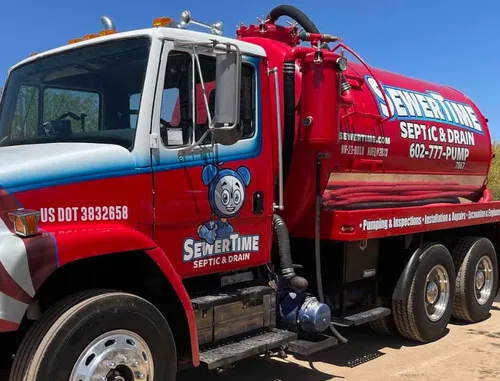
Sewer Time Septic & Drain
33645 N Cave Creek Rd, Cave Creek, AZ 85331
Sewer Time Septic & Drain is a licensed septic and plumbing contractor serving the Phoenix, AZ area. They provide a range of services including septic tank pumping, inspections, system repairs, and full installations for residential and commercial properties. Their certified technicians handle soil and percolation testing, system design, permitting, grease trap cleaning, and lift station maintenance. Sewer Time offers same-day service and 24/7 plumbing support for emergencies and new construction projects.

Eco Septic Tank Pumping Phoenix
Phoenix, AZ
Eco Septic Tank Pumping Phoenix provides a full range of septic services including pumping, inspection, repair, and installation in Phoenix, AZ. They handle routine septic system cleaning, emergency sewer cleaning, and biological treatments to maintain system health. Their process includes thorough tank inspection and safe waste disposal to licensed facilities. The company also offers septic system repairs and new installations, ensuring compliance with local regulations. Serving Phoenix and surrounding areas, Eco Septic Tank Pumping Phoenix emphasizes regular maintenance to prevent system failures and extend septic system lifespan.

Mesa Septic
Mesa, AZ
Mesa Septic is a family-owned septic service company based in Mesa, AZ, with over 50 years of experience serving the valley. They provide residential and commercial customers with septic tank pumping, inspection, repair, installation, and system design services. Their certified inspectors handle septic certifications required by Arizona regulations, and they offer specialized services such as grease trap pumping, drain field remediation, and sewer line hydrojetting. Mesa Septic also provides 24/7 plumbing and sewer assistance through licensed plumbers.
Arizona Septic Tank
Phoenix, AZ
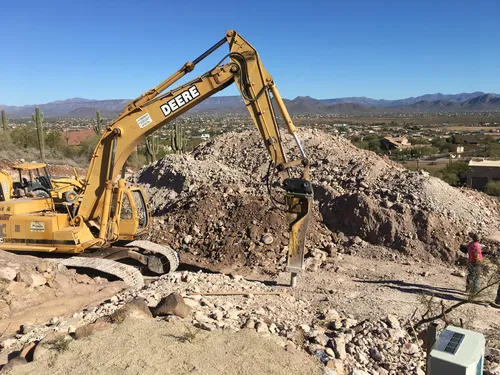
Arizona Septic Tank is a family-owned and operated full-service septic contractor serving Phoenix, AZ, and surrounding areas. With over 40 years of experience, they provide septic system design, installation, pumping, inspection, repair, and maintenance for both residential and commercial properties. Their services cover standard and alternative septic systems, including excavation, leach field installation, and specialized septic leach drilling. Arizona Septic Tank also offers grease trap cleaning, enzyme and root treatments, and electronic location services. They are licensed and insured, focusing on environmentally friendly solutions and compliance with state regulations.
Arizona Septic Tank
1817 E Southern Ave, Tempe, AZ 85282
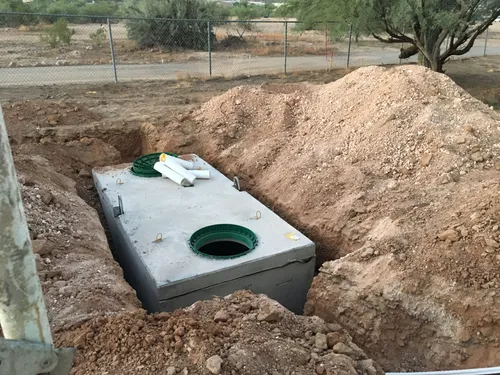
Arizona Septic Tank is a family-owned and operated full-service septic contractor serving Phoenix, AZ, and surrounding areas. With over 40 years of experience, they provide septic system design, installation, pumping, inspection, repair, and replacement services for both residential and commercial clients. Their capabilities include handling standard and alternative septic systems, septic tank pumping, sewer line repair, and specialized services such as grease trap cleaning and electronic location of septic components. Arizona Septic Tank is licensed and insured, offering environmentally conscious solutions tailored to local soil and site conditions.
Understanding Your Septic System's Drain Field
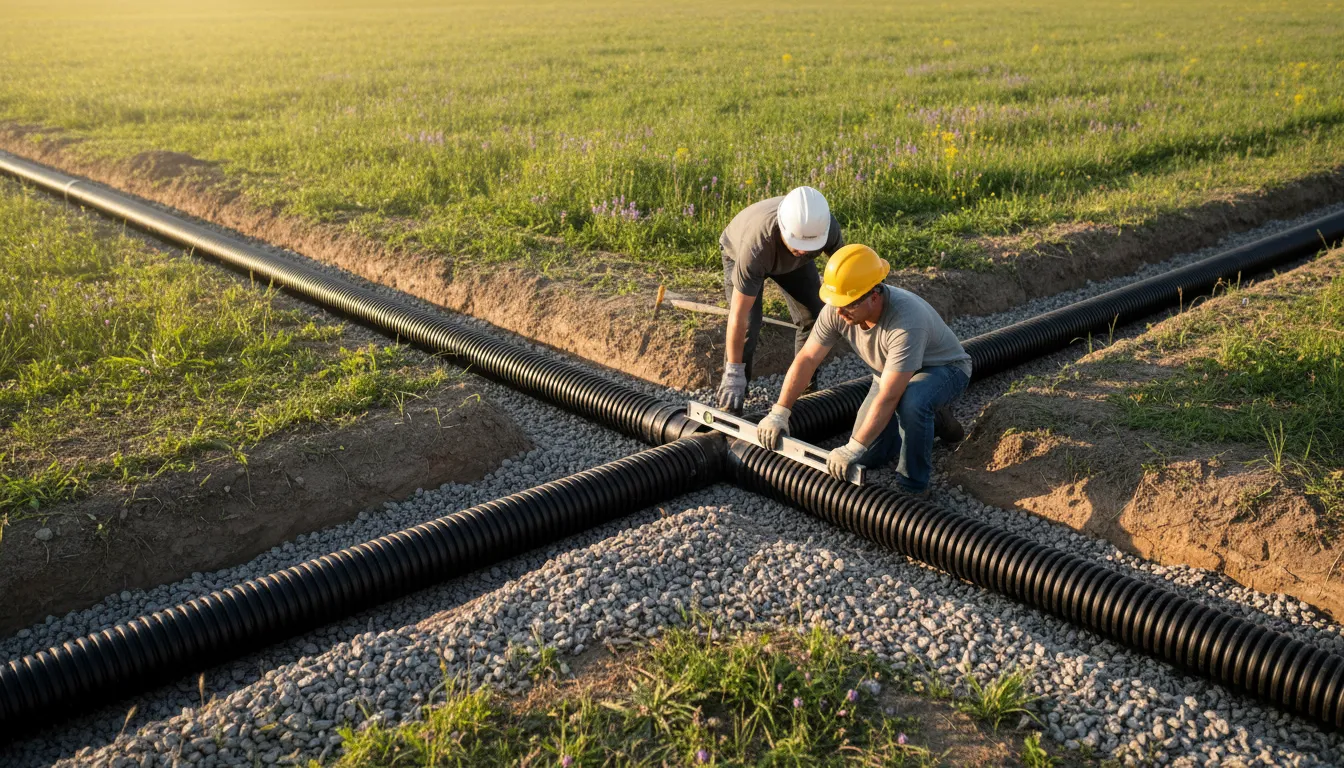
The drain field is the final stage of your onsite wastewater treatment system. After solids settle in the septic tank, the liquid effluent flows out to the drain field. Here, it percolates through a series of perforated pipes buried in gravel-filled trenches, undergoing natural filtration as it slowly seeps into the soil. A properly functioning leach field is essential for preventing groundwater contamination and protecting public health. In Tempe's unique environment, factors like soil composition and water usage heavily influence a system's longevity and performance.
Signs Your Drain Field Needs Attention
Catching problems early can mean the difference between a minor repair and a costly full replacement. Be vigilant for these common indicators of a failing absorption field:
- Soggy Ground or Surfacing Wastewater: Puddles or consistently wet, spongy soil over the drain field area, especially when it hasn't rained, is a primary red flag.
- Foul Odors: Unpleasant sewage smells emanating from your yard or near the drain field are a clear sign of improper wastewater treatment and dispersal.
- Lush, Overly Green Grass: While it might look healthy, patches of grass that are noticeably greener and grow faster than the rest of your lawn can indicate a nutrient overload from surfacing effluent.
- Slow Drains and Backups: Gurgling pipes, slow-draining sinks and toilets, or sewage backups in the home can sometimes point to a saturated drain field that is no longer accepting liquid.
- High Nitrate Levels in Well Water: If you have a well, regular testing that shows elevated nitrate levels can signal that untreated wastewater is contaminating the groundwater, potentially from a failing system.
The Regulatory Landscape in Tempe and Maricopa County
All septic system work in Tempe falls under the jurisdiction of Maricopa County Environmental Services Department and must adhere to Arizona Department of Environmental Quality (ADEQ) standards. Attempting repairs or replacement without following these rules can result in fines and an uninhabitable property.
- Licensing is Mandatory: Any repair or replacement work must be performed by a licensed septic system contractor or installer 1.
- Permits Are Required: For a failing system, you will need either an Alteration Permit for repairs or a new Notice of Intent to Discharge (NOI) for a complete system replacement 2 3. Permit fees typically start around $100 or more for review and compliance.
- Inspections Upon Transfer: ADEQ-certified inspections are mandated when a property with a septic system is sold 4. A failing inspection report will require corrective action before the sale can proceed.
- Setback Requirements: A new or replacement drain field must meet strict distance requirements from wells, property lines, dwellings, and other structures. These setbacks are non-negotiable for permitting 5.
The Professional Assessment Process
When you suspect a problem, the first step is a professional evaluation. A thorough inspection by a licensed contractor typically involves several key stages 6 7 8:
- Locate & Access: The technician will locate the septic tank, distribution box, and the approximate layout of the existing drain field lines.
- Tank Pumping & Inspection: The septic tank is usually pumped out to allow for a clear inspection of its structural integrity, inlet/outlet baffles, and scum/sludge levels. This rules out tank issues causing the field to fail.
- Drain Field Evaluation: The inspector checks the yard for visual signs of failure (wet spots, odors) and may use probes to assess soil saturation. They will also check the distribution box for proper leveling to ensure even flow to all field lines.
- Diagnostic Reporting: You will receive a detailed report classifying the system as functional, functional with concerns, or failing. This report is crucial for planning the next steps and is often required for permitting.
Inspection costs in the Tempe area can range from $150 to $1,000, depending on whether the service includes tank pumping and the complexity of the evaluation 9.
Soil Evaluation: The Critical Perc Test
Before any new drain field can be designed, a soil percolation (perc) test is required 10. This test measures the soil's absorption rate, which dictates the size and design of the leach field. Tempe's soil can vary; clay-heavy soil absorbs water very slowly, requiring a much larger field area than sandy soil. The results of this test are submitted to the county as part of the permit application and directly influence the project's scope and cost 11.
Repair vs. Replacement: Understanding Your Options
The solution depends on the extent of the failure.
- Minor Repairs: Issues like a clogged distribution box, a crushed pipe segment, or minor soil compaction might be repairable. These repairs can range from $500 to $2,500.
- Drain Field Replacement: If the soil is permanently saturated or the entire field has failed, a new absorption field is necessary. This involves excavating new trenches in a suitable area of your property, installing new gravel and perforated pipe, and connecting it to the existing tank. Costs for drain field replacement in Tempe typically range from $3,000 to $13,000 12.
- Full System Replacement: In some cases, if the septic tank is also damaged or outdated, a complete new system is needed. This is the most extensive and expensive option, with costs ranging from $4,000 to over $20,000 13.
A common cause of failure is oversaturation from excessive water use-such as from leaking fixtures, over-irrigation, or an increase in household occupants-rather than age alone 14. A professional can help determine the root cause.
Find the perfect drain field repair companies for your needs
Get personalized recommendations and expert advice
Maintaining Your New or Repaired Drain Field
Protecting your investment is key. Proper maintenance includes:
- Water Conservation: Spread out laundry loads, fix leaky toilets and faucets promptly, and consider installing water-efficient fixtures.
- Mind What You Flush: Only human waste and toilet paper should go down the drain. Avoid chemicals, grease, wipes, and feminine hygiene products.
- Protect the Area: Never drive or park vehicles over the drain field. Avoid planting trees or deep-rooted shrubs nearby, and keep rainwater drainage systems directed away from the field.
- Regular Pumping: Have your septic tank pumped every 3-5 years by a licensed pumper to prevent solids from escaping into and clogging the drain field 15.
Frequently asked questions
Sources
Footnotes
-
Arizona Septic Tank Requirements - https://www.ntotank.com/blog/arizona-septic-tank-requirements ↩
-
Frequently Asked Questions - CivicPlus.CMS.FAQ - Maricopa County - https://www.maricopa.gov/2564/Onsite-Wastewater-Septic-Systems-FAQs ↩
-
Septic System Repairs: Guidelines and Limitations - https://www.graham.az.gov/DocumentCenter/View/763/Septic-System-Repairs---Guidelines-and-Limitations-PDF ↩
-
WQD | Onsite Wastewater | Notice of Transfer and Inspection - ADEQ - http://azdeq.gov/wqd-onsite-wastewater-notice-transfer-and-inspection ↩
-
COCONINO COUNTYARIZONA - https://www.coconino.az.gov/DocumentCenter/View/5429/Setback-Information ↩
-
Professional Septic Inspection in Southern Arizona: What to Expect - https://www.grossseptic.com/blog/professional-septic-inspection-in-southern-arizona/ ↩
-
Inspecting Your Household Septic System - UA Cooperative Extension - https://www.extension.arizona.edu/sites/default/files/2024-09/az1159-2018_Inspecting%20Your%20Household%20Septic%20System.pdf ↩
-
Essential Septic System Inspection Guide for Homeowners - https://smartsepticpros.com/blog/septic-system-inspection-for-homeowners/ ↩
-
Inspecting Your Household Septic System | UA Cooperative Extension - https://extension.arizona.edu/publication/inspecting-your-household-septic-system ↩
-
Soils & Perc Testing Phoenix AZ | Septic Site Evaluation | SewerTime - https://sewertime.com/septic-services/site-design/ ↩
-
Answering Top Questions About Drain Field Replacement - https://tampabayseptic.com/blog/answering-top-questions-about-drain-field-replacement/ ↩
-
HOMEOWNER'S MANUAL Septic Systems 101 - Yavapai County - https://www.yavapaiaz.gov/files/sharedassets/public/development-and-permits/zoning-amp-planning/documents/homeownersepticmanual.pdf ↩
-
Frequently Asked Questions - CivicPlus.CMS.FAQ - Maricopa County - https://www.maricopa.gov/m/faq ↩
-
Navigating Local Septic Regulations: A Homeowner's Guide - https://www.norwayseptic.com/navigating-local-septic-regulations-a-homeowners-guide/ ↩
-
Operation & Maintenance Recommendations For an Onsite ... - https://www.maricopa.gov/DocumentCenter/View/7466/Operations-and-Maintenance-Recommendations-for-Septic-Systems-PDF ↩