Find the Best Drain Field Repair Companies for Your Business
No obligation • Fast responses • Nationwide coverage

Why you can trust Septic Spot
Septic Spot is a leading United States resource for understanding and comparing septic services. Our editors review providers using consistent criteria and verify key business details. Listings and scores are independent, and companies cannot pay to influence our content.
Search providers near you
Top Drain Field Repair Companies in Broomfield, Colorado Ranked
A failing drain field, also known as a leach field or soil treatment area, is a serious issue for any home with a septic system. It's the final and most critical stage of wastewater treatment, where effluent is safely dispersed into the soil. When this component fails, it can lead to sewage backups, soggy yards, and environmental contamination. This guide explains the process, regulations, and costs specific to Broomfield, helping you understand your options for restoring your property's essential wastewater infrastructure.
Understanding Your Septic System's Drain Field
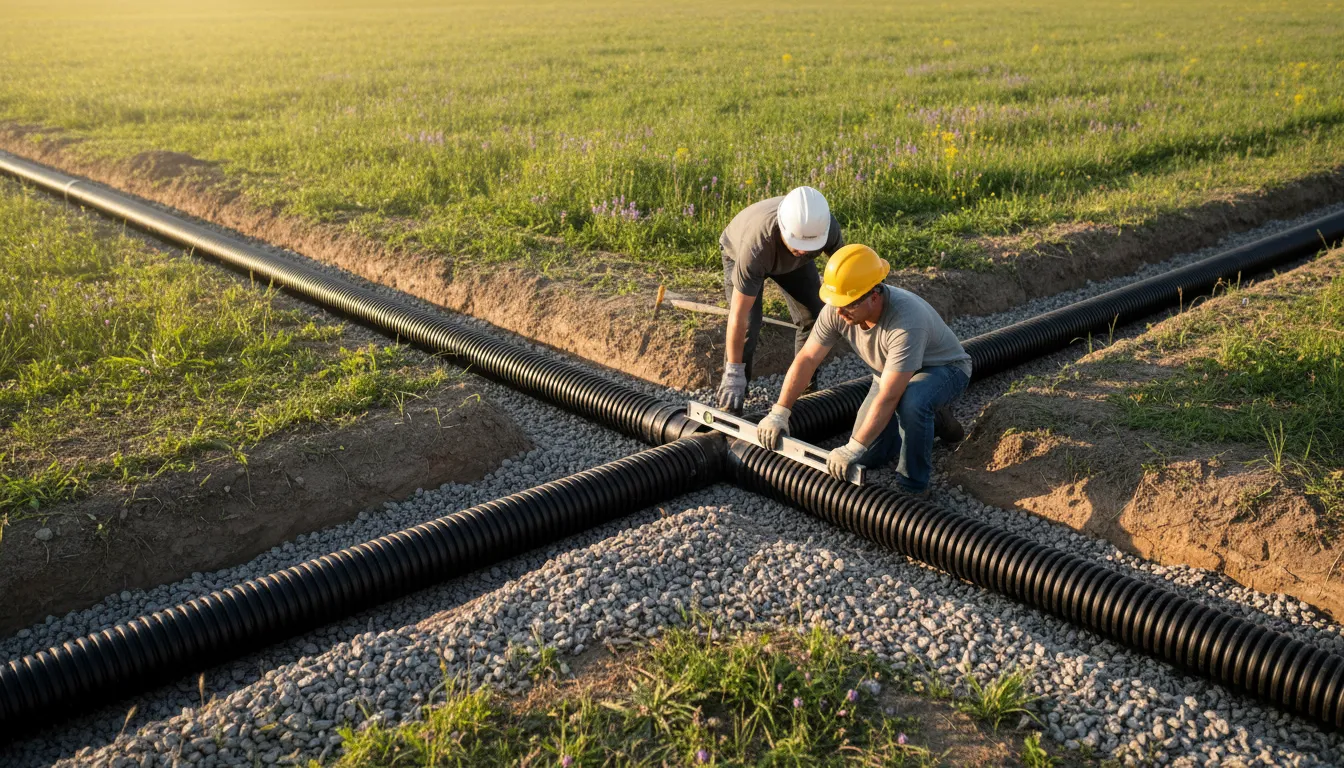
Your septic system is a private wastewater treatment plant, and the drain field is its primary filtration component. After solids settle in the septic tank, the liquid effluent flows into a network of perforated pipes buried in trenches filled with gravel. This effluent then slowly percolates through the soil, where natural processes remove harmful bacteria, viruses, and nutrients. A healthy drain field is vital for protecting groundwater and public health in Broomfield.
The most common cause of failure is soil clogging, also known as biomat formation. Over time, a layer of organic material can build up at the soil-gravel interface, preventing wastewater from percolating properly. Other frequent causes include excessive water use, which floods the field, and physical damage from vehicle traffic, large tree roots, or heavy landscaping that compacts the soil.
Broomfield's Regulatory Landscape for Septic Work
Any repair or replacement of an On-site Wastewater Treatment System (OWTS) in Broomfield is strictly regulated. The City and County of Broomfield Health Department, often working through Boulder County for inspections, enforces these rules to ensure safety and environmental protection.
Key regulations include:
- Permits Are Mandatory: You cannot begin any modification, repair, or replacement without an approved permit from the health department.
- Colorado Regulation 43: All work must comply with this state-wide regulation, which sets standards for design, construction, and soil treatment areas.
- Licensed Professionals Only: All system repairs and installations must be completed by a state-licensed professional 1.
- Site Evaluations: A crucial first step involves digging soil test pits to evaluate soil type, depth to bedrock, and seasonal high water table levels. This determines the system's design and sizing.
- Final Inspection: The health department must conduct a final inspection and grant approval before the system can be put into use.
The Step-by-Step Process for Drain Field Restoration
Addressing a failing leach field is a systematic process that begins with diagnosis and ends with permitting and construction.
1. Initial Evaluation and Diagnosis A licensed professional will first locate and uncover your septic tank lids to inspect the tank and check maintenance records. Signs of a failing absorption field include standing water or soggy soil over the area, sewage odors, and chronically slow-draining household fixtures 2.
2. Professional Site Assessment This is where the regulatory process engages. The professional will dig soil profile pits, as required by the health department, to assess the soil's absorption capacity (percolation rate) and determine the depth to limiting conditions 3. This data is essential for designing a compliant replacement system.
3. Design and Permitting Using the site assessment data, a new system is designed. Modern sizing in Broomfield is often calculated at two persons per bedroom for the first four bedrooms, which can result in a larger drain field requirement than older systems 4. The design and permit application are submitted to the health department for review and approval before any work can commence.
4. Construction and Installation Once permitted, the old, failed drain field is typically abandoned. The new leach field is constructed in a suitable area of your property, adhering to strict setbacks from wells, property lines, and waterways. The area is then carefully graded and seeded to prevent erosion while keeping the soil uncompacted.
Find the perfect drain field repair companies for your needs
Get personalized recommendations and expert advice
Cost Considerations for Drain Field Work in Broomfield
The cost of drain field repair or replacement is significant and varies based on soil conditions, system size, and the extent of the work needed. It's important to get multiple estimates from licensed contractors.
- Drain Field Replacement Only: For a typical residential system, replacing just the soil treatment area (leach field) generally ranges from $22,000 to $29,000, depending on the soil type and design complexity.
- Full System Replacement: If both the septic tank and drain field need to be replaced, costs for a 3-5 bedroom home in Northern Colorado typically range from $28,000 to $35,000.
- Septic Tank Replacement: If the tank is sound but you are replacing the field, tank replacement alone can cost approximately $9,500 to $11,500 5.
These figures are estimates; a detailed quote from a local contractor will provide the most accurate cost for your specific situation.
Protecting Your New Drain Field Investment
After investing in a new leach field, proper maintenance is key to ensuring its longevity.
- Regular Inspections and Pumping: The EPA recommends having your septic system inspected at least every three years by a professional and the tank pumped every 3-5 years, depending on household size and usage. This prevents solids from escaping into and clogging the new drain field.
- Water Conservation: Spread out laundry loads, fix leaky fixtures, and use water-efficient appliances to avoid hydraulically overloading the system.
- Protect the Area: Never drive or park vehicles on the drain field. Avoid planting trees or large shrubs nearby, as roots can clog and damage pipes. Keep roof drains, sump pumps, and other surface water directed away from the field 6.
Alternatives and Advanced Treatment Options
In some cases, particularly on smaller lots or with challenging soil conditions, a conventional gravel trench system may not be feasible. Licensed professionals in Broomfield may offer alternative technologies, such as:
- Drip Irrigation Systems: These disperse effluent more slowly and evenly over a larger, shallower area.
- Sand Filter Systems: These provide an advanced layer of treatment before the effluent reaches the soil.
- Aerobic Treatment Units (ATUs): These oxygen-dependent systems produce a higher quality effluent, which may allow for a smaller drain field or enable installation in areas with poor soil.
These advanced options often require specific maintenance but can be a viable solution where standard systems cannot be installed.
Frequently asked questions
Sources
Footnotes
-
Colorado Septic Tank Requirements | On-site Wastewater ... - https://www.ntotank.com/blog/colorado-septic-tank-requirements ↩
-
SepticSmart: Maintenance - Boulder County - https://bouldercounty.gov/environment/water/septicsmart/maintenance/ ↩
-
City and County of Broomfield OWTS Regulations - DRAFT - https://broomfield.org/DocumentCenter/View/50441 ↩
-
Mayor and City Council From - Broomfield.org - https://www.broomfield.org/DocumentCenter/View/26706/2018-Memo-and-Proposed-On-site-Wastewater-Treatment-Regulations ↩
-
Septic System Replacement Costs, Repair & Pumping in Northern CO - https://boonstraexcavation.com/septic-systems/ ↩
-
On-site Wastewater Treatment System and Septic System ... - https://broomfield.org/847/Septic-Systems ↩