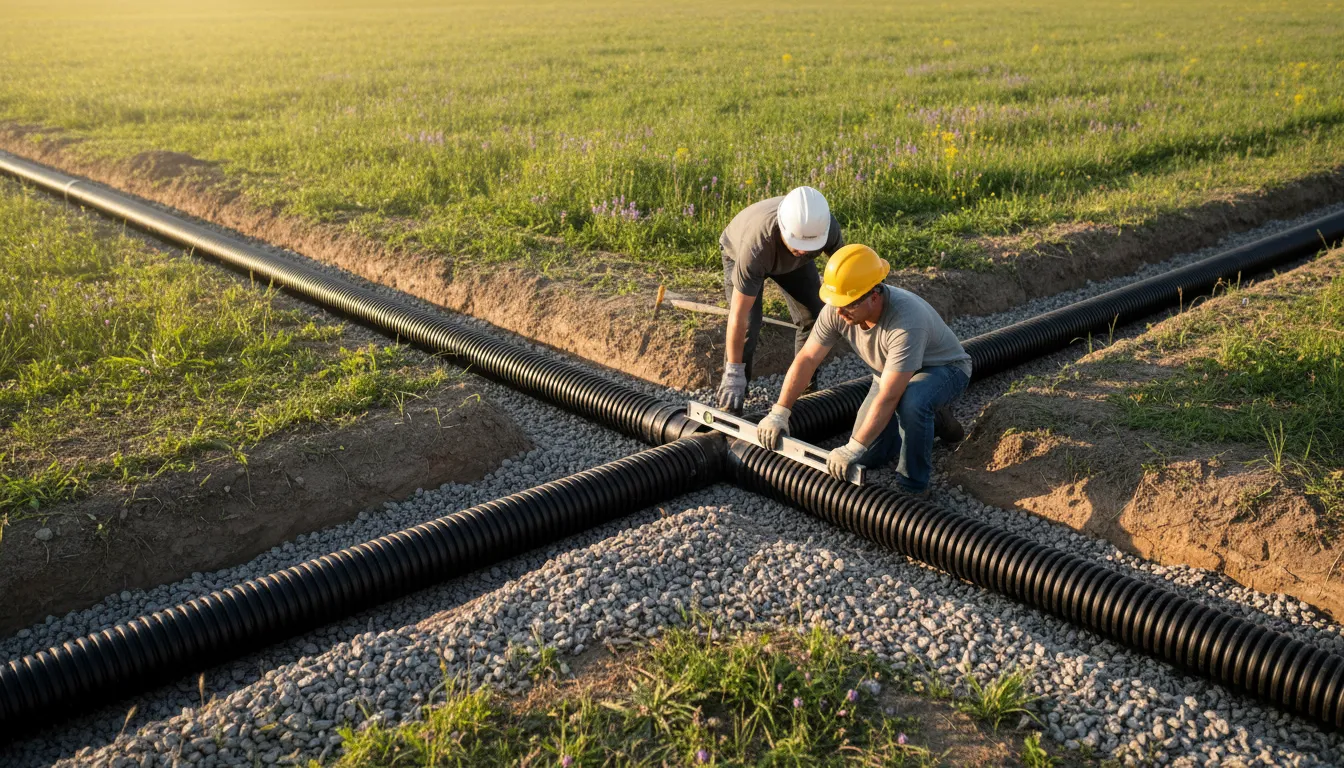
Find the Best Drain Field Repair Companies for Your Business
No obligation • Fast responses • Nationwide coverage

Why you can trust Septic Spot
Septic Spot is a leading United States resource for understanding and comparing septic services. Our editors review providers using consistent criteria and verify key business details. Listings and scores are independent, and companies cannot pay to influence our content.
Search providers near you
Top Drain Field Repair Companies in Castle Rock, Colorado Ranked
A failing drain field is a serious issue for any home with a septic system, leading to soggy yards, foul odors, and potential environmental contamination. Drain field repair or replacement is a critical process to restore your property's wastewater treatment and protect your family's health and local groundwater. For homeowners in Castle Rock, this guide provides essential information on local regulations, soil challenges, and the steps involved in finding qualified professionals to address your septic system's absorption area.
Murray Excavating, Inc.
Colorado Springs, CO
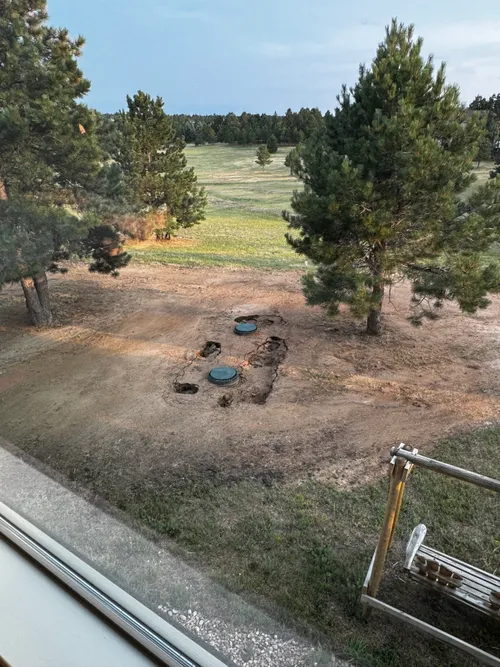
Murray Excavating, Inc. is a septic system installation and repair company serving Colorado Springs, CO, and El Paso County. They specialize in septic system replacement, installation, and repair, including drain field and septic pump services. The company handles site preparation, grading, plumbing, electrical work, and backfilling to ensure complete septic system functionality. With over 20 years of experience, Murray Excavating is known for its knowledge of health department codes and strong relationships with local authorities. They operate as an owner-run business focused on quality work and customer satisfaction.
Absolute Diversified Services, LLC
Centennial, CO
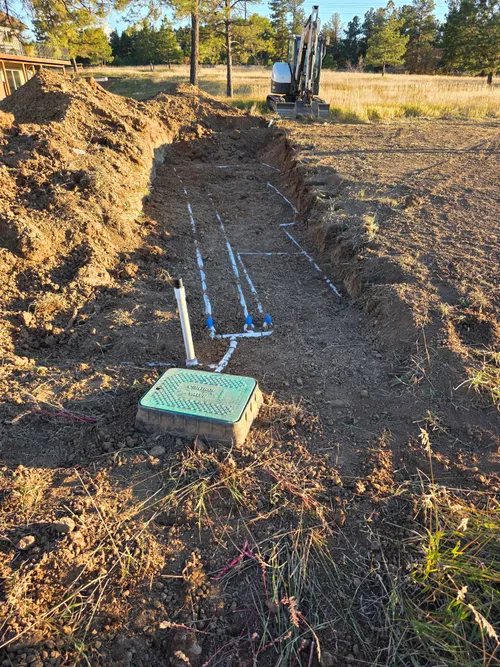
Absolute Diversified Services, LLC is a family-owned septic solutions company serving Centennial, CO, and surrounding counties since 2012. They offer a full range of septic services including pumping, inspections, system installation, repairs, and excavation. Their expertise covers septic tank replacements, leach field repairs, and sewer line work, ensuring systems meet local codes and regulations. With nearly two decades of experience in excavation and septic systems, they also provide land clearing and concrete removal services. The company serves Douglas, Arapahoe, Adams, and Elbert counties, including nearby communities such as Castle Rock and Aurora.

John Todd Co
7623 N, Lavaun Dr, Louviers, CO 80131
John Todd Co is a family-owned septic service company based in Denver, CO, with a history dating back to 1945. They provide a full range of septic system services including pumping, inspection, repair, and installation for both residential and commercial clients. Their expertise covers soil testing, system design, permit processing, and drain field replacement, serving the Denver Metro Area and the Colorado front range.
Septic Daddy
1991 Co Rd 132, Elizabeth, CO 80107
Septic Daddy is a family-owned septic service company based near Denver, CO, offering comprehensive septic system solutions. They provide services including septic tank installation, inspection, repair, and drain field replacement, handling projects from design and permits to full system installation and diagnostics. With over 25 years of combined experience, Septic Daddy is licensed and insured to serve customers in Elbert, Douglas, Arapahoe, El Paso, and surrounding areas.
Understanding Your Septic System's Drain Field
Often called a leach field or absorption field, the drain field is the final and most crucial stage of your on-site wastewater treatment system (OWTS). After solids settle in the septic tank, the clarified liquid effluent flows into a network of perforated pipes buried in trenches filled with gravel. This effluent then percolates down through the soil, where natural biological processes provide the final treatment before the water rejoins the groundwater table. When this area fails, it means the soil can no longer absorb and treat the effluent effectively.
Why Drain Fields Fail in Castle Rock
Several factors can lead to leach field failure, and local conditions in Douglas County present specific challenges.
- Soil Composition: A primary factor in Castle Rock is the prevalence of heavy clay soil. Clay has very small particles that pack tightly together, resulting in a slow percolation rate. This means water drains through it very slowly, leading to premature saturation of the drain field.
- System Age and Overload: All components have a lifespan. Older systems may simply be worn out. Additionally, consistent overloading-from more occupants than the system was designed for, excessive water use, or improper disposal of grease and non-biodegradables-can clog the soil pores.
- Physical Damage: Compaction from driving or parking vehicles over the field, or root intrusion from trees and shrubs planted too close, can crush pipes and disrupt the soil structure.
- High Groundwater or Bedrock: In some areas of Douglas County, a seasonally high water table or shallow bedrock can limit the depth available for a functional drain field, causing effluent to surface.
The Castle Rock and Douglas County Regulatory Process
Any significant repair or full replacement of a septic system component in Castle Rock requires adherence to strict regulations enforced by the Douglas County Health Department. You cannot simply hire an excavator to dig a new field. The process is designed to ensure public and environmental safety.
- Initial Assessment and Testing: When a problem is suspected, a licensed professional must conduct a site evaluation. This includes digging test pits to examine soil characteristics and depth to bedrock, and performing a percolation (perc) test to measure the soil's absorption rate 1.
- Professional Engineering Design: Douglas County mandates that a licensed professional engineer design the system if the soil percolation rate is too slow (greater than 60 minutes per inch) or if the depth to bedrock is less than 6 feet. Given the local clay soils, engineering involvement is very common for drain field projects.
- Permit Application: The engineer's design and soil report are submitted to the Douglas County Health Department to apply for a repair or replacement permit. The system design is based on the number of bedrooms in the home, not the number of bathrooms.
- Installation: Once the permit is secured, qualified contractors can install the new leach field or repair components.
- Final Inspection: Before the new system is backfilled, it must be inspected and approved by the county health department or the overseeing engineer.
Repair vs. Replacement: Evaluating Your Options
Not all drain field issues require a complete overhaul. A professional diagnosis is essential to determine the best path forward.
- Potential Repairs: Sometimes, the issue is a clogged pipe or a malfunctioning distribution box. Techniques like jetting the lines to remove biomat buildup or adding a new distribution box can restore function. However, these are often temporary fixes if the underlying soil is saturated or the system is fundamentally undersized.
- Full Replacement: This is necessary when the soil in the entire absorption area is spent or the system is irreparably damaged. Replacement involves excavating a new field in a different location on your property (a "repair area" that should have been identified during the original system installation).
System Types for Challenging Castle Rock Soils
Because of the common soil constraints, conventional gravel trench systems are not always viable. Licensed engineers often design alternative or engineered systems for the area:
- Sand Mound Systems: An elevated mound of sand is constructed above the natural grade. Effluent is pumped into the mound, where it is treated as it filters down through the sand before reaching the native soil. This is a common solution for sites with high groundwater, shallow bedrock, or slow-percolating soils like clay 2.
- Advanced Treatment Systems (ATS): These systems, such as aerobic treatment units (ATUs), provide a higher level of treatment inside a tank before the effluent reaches the drain field. The cleaner effluent requires a smaller absorption area, which can be advantageous on difficult sites, though they have higher upfront and maintenance costs.
Find the perfect drain field repair companies for your needs
Get personalized recommendations and expert advice
Understanding the Investment: Costs in Castle Rock
The cost for drain field work in Castle Rock varies widely based on soil conditions, system type, property accessibility, and the scope of work. It's crucial to get multiple detailed quotes from licensed, insured contractors familiar with Douglas County codes.
- Drain Field Repair: Targeted repairs can sometimes range around $7,000, but this is highly variable and may not be a permanent solution 3.
- Full Conventional System Replacement: For a 3-5 bedroom home, replacing both the tank and a conventional drain field can range from $28,000 to $35,000.
- Engineered/Mound System Replacement: Due to the extra materials, engineering, and construction required, mound systems or other alternative systems in challenging soils typically cost between $20,000 and $40,000 or more 4 5 6.
- Additional Fees: Remember to budget for the required soil testing, engineering design fees, and Douglas County permit fees, which are separate from installation costs 7.
Maintaining Your New or Repaired System
Protecting your investment is key. After a repair or replacement, adhere to these best practices:
- Regular Pumping: Have your septic tank pumped every 3-5 years (Douglas County requires inspection every 4 years and pumping if sludge/scum exceeds 25% of tank volume) to prevent solids from escaping into the new drain field 8 9.
- Water Conservation: Spread out laundry loads, fix leaks, and use water-efficient fixtures to avoid hydraulically overloading the system.
- Mind What You Flush: Only human waste and toilet paper. Never flush wipes (even "flushable" ones), feminine hygiene products, grease, or chemicals.
- Protect the Area: Never drive, build, or plant deep-rooted vegetation over your drain field. Keep the area clear to allow for evaporation and oxygen exchange.
Finding Local Expertise
Successfully navigating a drain field project in Castle Rock requires a team: a qualified soil evaluator, a licensed professional engineer familiar with local codes, and an experienced excavation and septic installation contractor. Look for professionals with strong references in Douglas County, proper state and county licensing, and clear communication about the permitting process, timeline, and costs.
Frequently asked questions
Sources
Footnotes
-
The Ultimate Guide to Replacing a Septic Drain Field - https://www.rciseptic.com/the-ultimate-guide-to-replacing-a-septic-drain-field ↩
-
What is the best septic system if your land fails a perc test? - https://www.premiertechaqua.com/en-us/blog/best-septic-system-failed-perc-test ↩
-
Cost to Replace Septic Tank and Drain Field [2026 Data] | Angi - https://www.angi.com/articles/how-much-new-drain-fields-foot.htm ↩
-
The True Cost of a 4-Bedroom Septic System in Colorado - https://www.soiltestandseptic.com/post/the-true-cost-of-a-4-bedroom-septic-system-in-colorado-why-prices-range-from-the-low-20ks-to-the ↩
-
Cost to Install a Septic System in Denver [2026 Data] - Angi - https://www.angi.com/articles/what-does-it-cost-install-septic-system/co/denver ↩
-
Septic System Replacement Costs, Repair & Pumping in Northern CO - https://boonstraexcavation.com/septic-systems/ ↩
-
How Much Does A Septic System Cost? - https://uniquedrainseptic.com/blogs/resources/how-much-does-a-septic-system-cost ↩
-
"What Now" Repair Procedure - Douglas County Septic - https://douglascountyseptic.com/what-now-repair-procedure/ ↩
-
Septic System FAQs - Douglas County - https://www.douglas.co.us/health-department/septic-system-faqs/ ↩