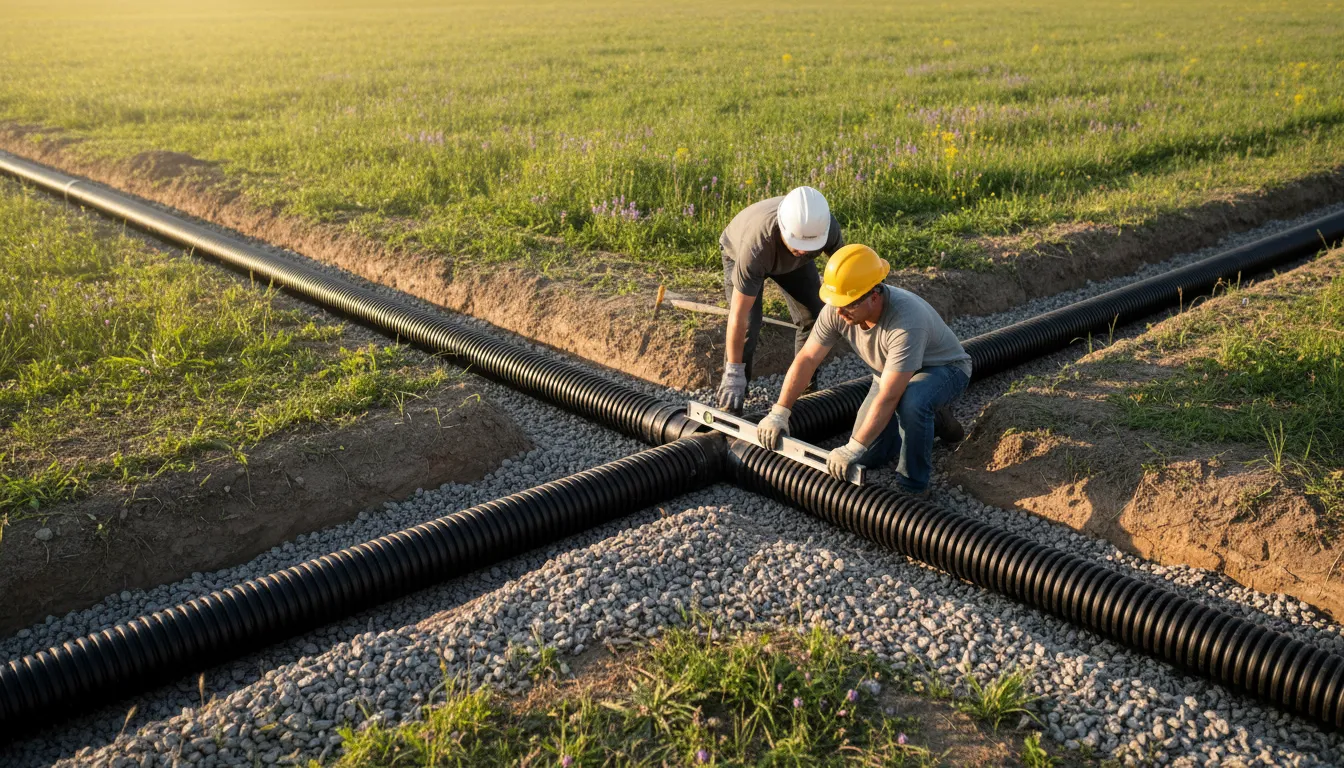
Find the Best Drain Field Repair Companies for Your Business
No obligation • Fast responses • Nationwide coverage

Why you can trust Septic Spot
Septic Spot is a leading United States resource for understanding and comparing septic services. Our editors review providers using consistent criteria and verify key business details. Listings and scores are independent, and companies cannot pay to influence our content.
Search providers near you
Top Drain Field Repair Companies in Ann Arbor, Michigan Ranked
A failing septic drain field, also known as a leach field or absorption field, is a serious issue for any Ann Arbor homeowner. This critical component of your onsite wastewater system is responsible for safely filtering and dispersing treated effluent into the soil. When it malfunctions, it can lead to sewage backups, environmental contamination, and significant property damage. Understanding the local regulations, repair processes, and costs is essential for maintaining a healthy home and environment. This guide provides the information you need to navigate drain field issues, from identifying problems to working with certified local professionals for assessment and remediation.
Patrick Esper Septic
Lansing, MI
Patrick Esper Septic is a septic service provider located in Lansing, MI. They offer a range of services including septic tank pumping, system repairs, and installation of septic tanks and drain fields. Their capabilities include effluent pump repair and drain field replacement, as well as engineered septic services and community system installation. The company also provides excavation, grading, and land clearing services related to septic system projects.
Howell Sanitary Co
5205 Pinckney Rd, Howell, MI 48843
Howell Sanitary Co provides a range of septic system services in Lansing, MI. Their offerings include septic tank pumping, inspections, repairs, and new installations, as well as septic field repairs and replacements. They also handle septic tank riser installation, effluent filter cleaning, and various types of septic fields such as conventional, elevated, and trench systems. Additional services include excavating, driveway grading, and land clearing.
Bowman Excavating Inc
920 W Marr Rd, Howell, MI 48855
Bowman Excavating Inc is a family-owned excavation and septic system company serving Lansing, MI, and surrounding counties. With over 45 years of experience, they specialize in septic system installation and repair, including certified Advantex septic systems, engineered drain fields, and pressure systems. Their expertise extends to full-service excavation work such as basement excavation, grading, land clearing, and site development. Bowman Excavating applies detailed knowledge of soil structure and environmental codes to ensure precise and compliant septic solutions.
Howell Sanitary Co. II
Lansing, MI
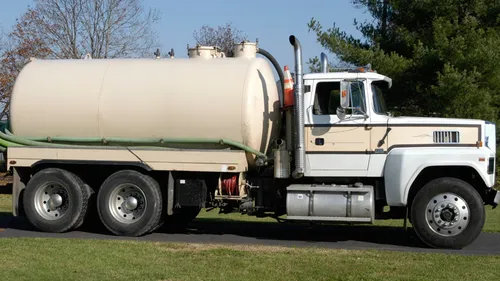
Howell Sanitary Co. II provides a range of septic system services in Lansing, MI. Their offerings include septic tank pumping, inspections, repairs, and new installations. They also handle septic field repairs and replacements, with expertise in various field types such as conventional, elevated, dry wells, bed, and trench systems. Additional capabilities include septic tank riser installation, effluent filter cleaning, excavating, driveway grading, and land clearing.
Al Pearson & Son Septic Tank Cleaning
46885 Ford Rd, Canton Township, MI 48187
Al Pearson & Son Septic Tank Cleaning is a family-owned business serving Ann Arbor, MI, and the surrounding Southeast Michigan area. They offer a full range of septic services including tank pumping, cleaning, system repairs, new installations, soil evaluations, and excavation. With over 70 years of experience since 1953, the company is licensed and certified to handle advanced septic system work for both residential and commercial clients. They emphasize clear communication and honest recommendations to ensure septic systems operate reliably. Emergency septic services are also available with often same-day pumping.
Understanding Your Septic Drain Field
The drain field is the final stage of your septic system. After solids settle in the tank, liquid effluent flows into a network of perforated pipes buried in trenches filled with gravel. This effluent slowly percolates through the soil, where natural processes remove harmful bacteria, viruses, and nutrients. A properly functioning drain field is invisible and odorless. In Ann Arbor and Washtenaw County, the soil composition, high water tables in some areas, and strict environmental protections make proper drain field function and maintenance particularly important.
Common synonyms for this system component include leach field, absorption field, soil absorption system, and disposal field. Regardless of the term used, its purpose remains the same: the final treatment and dispersal of wastewater.
Signs of Drain Field Failure
Recognizing early warning signs can prevent a full system collapse and more expensive repairs. Key indicators of a failing leach field include:
- Slow Drains and Sewage Backups: Toilets, showers, and sinks drain very slowly or back up into the home, especially after heavy rain.
- Surfacing Effluent: Wet, soggy, or spongy areas over the drain field, often with a foul odor. Lush, green grass over the field compared to the rest of the lawn can also indicate surfacing sewage.
- Standing Water: Puddles or persistent dampness in the yard, unrelated to rainfall or irrigation.
- Gurgling Sounds: Audible gurgling in plumbing fixtures.
- Nitrate Contamination: Test results showing high nitrate levels in your well water can indicate a failing system is contaminating groundwater 1.
If you notice any of these signs, it's crucial to contact a professional for an inspection immediately. Ignoring them can lead to environmental health hazards and costly enforcement actions from the county.
The Local Regulatory Landscape: Washtenaw County Permits
All septic system repair and replacement work in Ann Arbor requires approval from the Washtenaw County Environmental Health Division. They enforce state minimum standards to protect public health and groundwater 2. You cannot legally begin any excavation or repair on your absorption field without the proper permits.
The permitting process typically involves:
- Professional Diagnosis: A licensed inspector or installer must assess the system.
- Soil Evaluation: A new or replacement field almost always requires a new soil evaluation (often called a "perc test" or soil morphology survey) to determine the soil type, depth to bedrock, and seasonal high water table. This evaluation dictates the size and type of system allowed.
- Site Plan Submission: A detailed site plan showing the proposed repair or replacement area, along with the location of wells, property lines, waterways, and structures, must be submitted for review.
- Approval and Inspection: After permit approval, the work must be performed by a state-licensed septic installer. The county will conduct a final inspection before the system can be used 3.
Key Considerations for Ann Arbor Properties
Several local factors heavily influence drain field repair and replacement projects:
- Soil and Water Table: Ann Arbor's soil can vary greatly. High-clay soils have poor permeability, while areas near rivers or wetlands may have a high water table. Both conditions can cause conventional drain fields to fail and may require more advanced (and expensive) engineered systems like mounds or sand filters 4.
- Setback Requirements: Strict minimum distances must be maintained between your drain field and other features. These setbacks exist for your well, your neighbor's well, your home, property lines, and natural wetlands or water bodies. These rules can limit where a new field can be placed on your lot.
- The Reserve Area: Washtenaw County requires that a reserve area be identified on your property plan. This is an undisturbed, suitable space designated for a future replacement drain field. It must be protected from compaction, construction, and parking. Building a deck, shed, or driveway over this area can eliminate your only option for future repair, leading to major complications 5 6.
Find the perfect drain field repair companies for your needs
Get personalized recommendations and expert advice
The Professional Diagnosis and Repair Process
When you suspect a problem, a systematic professional approach is required.
- Initial Inspection: A certified professional will inspect the septic tank (checking sludge and scum levels) and perform a visual assessment of the drain field area for surfacing effluent or soggy soil. They may also use a camera to scope the distribution lines 7.
- Comprehensive Drainfield Assessment: To determine if repair is possible or full replacement is needed, a thorough evaluation is key. This goes beyond a simple tank pump-out and looks specifically at the soil absorption capability. Professionals will probe the soil to assess saturation and biomat development.
- Determining the Solution: Repair vs. Replacement
- Minor Repairs: Some issues, like a clogged distribution box, a crushed pipe due to soil compaction, or root intrusion into the lines, may be repairable without replacing the entire field. These repairs are generally less expensive 8.
- Full Replacement: If the soil is permanently saturated (a condition called "failure by hydraulic overloading") or the pipes and gravel are irreparably clogged with biomat, a full leach field replacement is necessary. This involves excavating a new set of trenches in the approved reserve area 9 10.
- Installation & Final Approval: Once the new field is installed according to the permitted plan, the county health department performs a final inspection. Only after they grant approval can you begin using the new system.
Understanding the Costs Involved
Drain field work is a significant investment. Costs in Ann Arbor can vary widely based on soil conditions, system size, and the type of technology required.
- Minor Repairs: Addressing specific issues like pipe cleaning or root removal may cost a few thousand dollars.
- Full Drain Field Replacement: This is a major project. For a conventional system, homeowners in the Ann Arbor area can expect costs to typically range from $5,000 to $20,000 or more 11 12. Some local cost reports suggest an average closer to $7,200 for a standard system replacement 13.
- Engineered System Costs: If your soil requires an alternative system like a mound, pressurized drip, or sand filter, costs can start at $15,000 and increase significantly from there.
- Financing Assistance: The Michigan Saves program offers low-interest financing specifically for replacing failing septic systems, which can help homeowners manage this unexpected expense 14.
Protecting Your New or Existing Drain Field
Proper maintenance extends the life of your entire septic system, especially the drain field.
- Pump the Tank Regularly: Have the septic tank pumped every 3 to 5 years by a licensed hauler. This prevents solids from washing out into the drain field and clogging it.
- Mind Your Water Use: Spread out laundry loads, fix leaking toilets and faucets, and avoid letting large volumes of water enter the system at once.
- Protect the Area: Never drive, park, or build heavy structures (sheds, patios) over the drain field or reserve area. The soil compaction will crush pipes and ruin the soil's ability to absorb water 15.
- Landscape Carefully: Do not plant trees or shrubs with deep, aggressive root systems near the drain field. Roots seek out moisture and can infiltrate and clog pipes. Grass is the best cover 16.
- Divert Water: Ensure roof gutters, sump pumps, and surface runoff are directed away from the drain field area to prevent saturation.
Frequently asked questions
Sources
Footnotes
-
Drainfield Assessment FAQs, What Homeowners in Michigan ... - https://michigandrainfield.com/resources/drainfield-assessment-faq/ ↩
-
Septic Repair or Replacement: Minimum Standards - https://www.michigan.gov/egle/-/media/Project/Websites/egle/Documents/Programs/WRD/NPS/General/Septic-System-Minimum-Standards.pdf ↩
-
Septic & Well Project Application Requirements - Washtenaw County - https://www.washtenaw.org/1651/Septic-Well-Project-Application-Requirem ↩
-
Georgia's Septic Drain Field Requirements: Homeowner's Guide - https://smartsepticpros.com/blog/georgias-septic-drain-field-requirements/ ↩
-
Septic Systems | Washtenaw County, MI - Official Website - https://www.washtenaw.org/1617/Septic-Systems ↩
-
Septic Drain Field Design and Maintenance - SERA-17 - https://sera17.wordpress.ncsu.edu/septic-drain-field-design-and-maintenance/ ↩
-
Septic Inspections in Southeast Michigan - Universal Septic Services - https://www.universalsepticservices.com/services/inspections/ ↩
-
Diagnose Septic Problems Before You Replace - Michigan Drainfield - https://michigandrainfield.com/services/drainfield-assessment/ ↩
-
Septic System Basics | Washtenaw County, MI - Official Website - https://www.washtenaw.org/1721/Septic-System-Basics ↩
-
Frequent Questions on Septic Systems | US EPA - https://www.epa.gov/septic/frequent-questions-septic-systems ↩
-
Septic Systems - Michigan Water Stewardship Program - https://miwaterstewardship.org/septic-systems/ ↩
-
Cost to Replace Septic Tank and Drain Field [2026 Data] | Angi - https://www.angi.com/articles/how-much-new-drain-fields-foot.htm ↩
-
Ann Arbor Septic Systems Costs & Prices - ProMatcher Cost Report - https://septic-systems.promatcher.com/cost/ann-arbor-mi-septic-systems-costs-prices.aspx ↩
-
A healthy home starts below: Understanding and caring for your septic system - Michigan Saves - https://michigansaves.org/news/understanding-and-caring-for-your-septic-system/ ↩
-
Protect Your Drainfield | Washtenaw County, MI - Official Website - https://www.washtenaw.org/1643/Protect-Your-Drainfield ↩
-
Managing Your Septic System - https://www.canr.msu.edu/septic_system_education/uploads/E-3350%20Managing%20Septic.pdf ↩