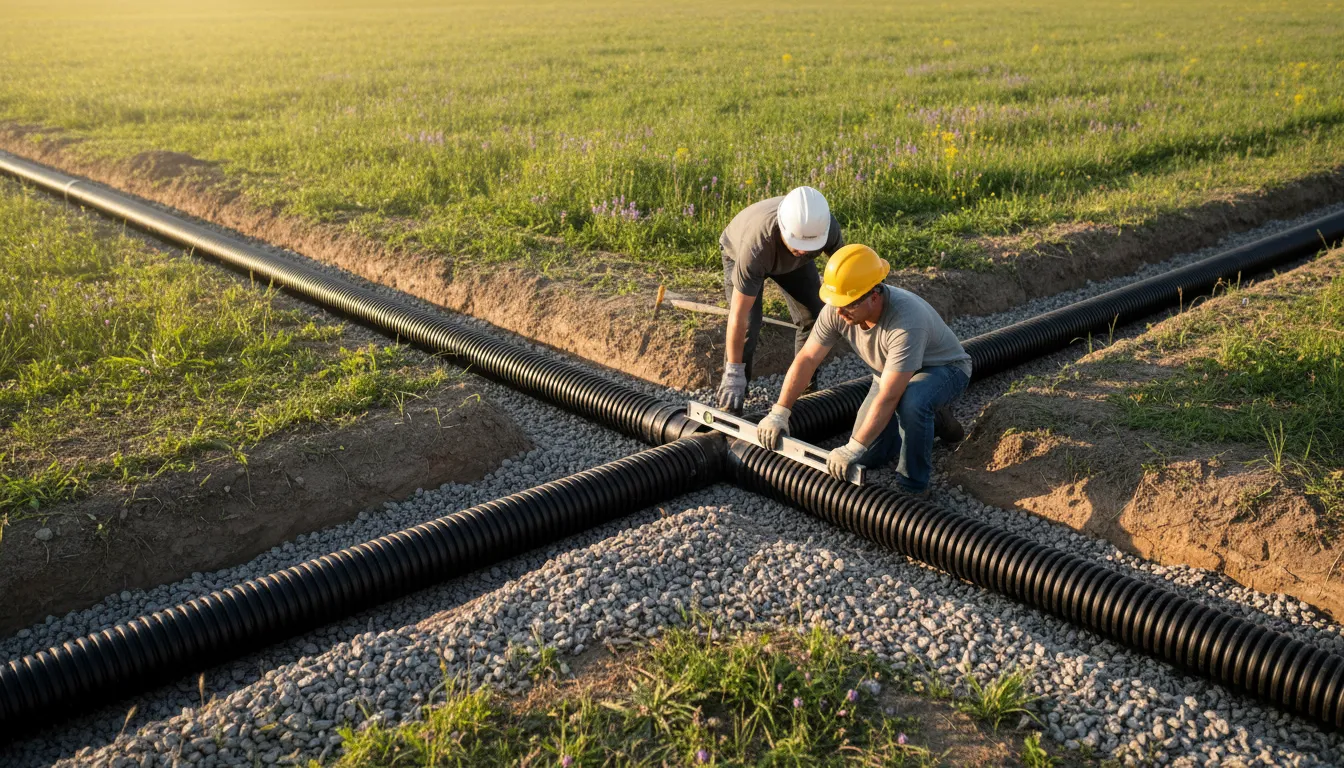
Find the Best Drain Field Repair Companies for Your Business
No obligation • Fast responses • Nationwide coverage

Why you can trust Septic Spot
Septic Spot is a leading United States resource for understanding and comparing septic services. Our editors review providers using consistent criteria and verify key business details. Listings and scores are independent, and companies cannot pay to influence our content.
Search providers near you
Top Drain Field Repair Companies in Lansing, Michigan Ranked
A failing septic system drain field can be a major concern for any homeowner, leading to unpleasant odors, soggy yards, and potential health hazards. Drain field repair and replacement involves diagnosing and fixing the underground network of pipes that treat and disperse wastewater from your home. Understanding the local regulations, process, and costs is crucial for a successful project. This guide provides essential information to help Lansing residents navigate the process of evaluating, permitting, and completing septic leach field work with local providers.
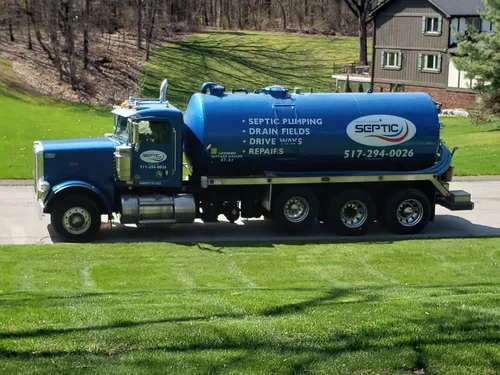
Patrick Esper Septic
Lansing, MI
Patrick Esper Septic is a septic service provider located in Lansing, MI. They offer a range of services including septic tank pumping, system repairs, and installation of septic tanks and drain fields. Their capabilities include effluent pump repair and drain field replacement, as well as engineered septic services and community system installation. The company also provides excavation, grading, and land clearing services related to septic system projects.
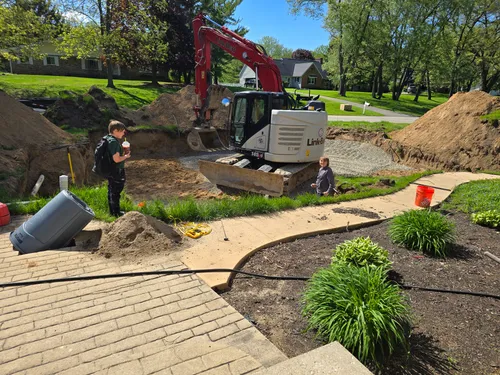
Howell Sanitary Co
5205 Pinckney Rd, Howell, MI 48843
Howell Sanitary Co provides a range of septic system services in Lansing, MI. Their offerings include septic tank pumping, inspections, repairs, and new installations, as well as septic field repairs and replacements. They also handle septic tank riser installation, effluent filter cleaning, and various types of septic fields such as conventional, elevated, and trench systems. Additional services include excavating, driveway grading, and land clearing.
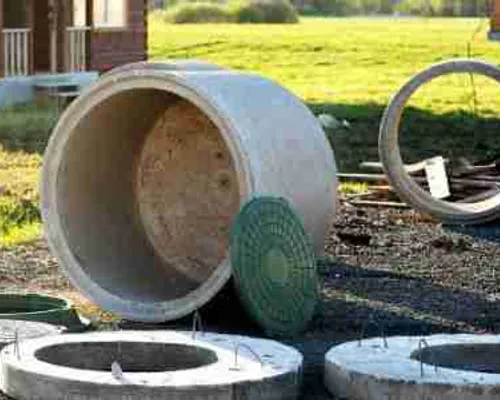
Ball Septic Tank Service
Lansing, MI
Ball Septic Tank Service provides residential and commercial septic system services in Lansing, MI, including septic tank pumping, installation, repair, and drain field replacement. Serving the Greater Lansing area and nearby communities such as Charlotte, Grand Ledge, and Mason, the company focuses on safety and clear communication. Their team offers reliable scheduling and well-equipped trucks to complete most jobs in one visit, along with maintenance guidance to help prevent future issues.
Bowman Excavating Inc
920 W Marr Rd, Howell, MI 48855
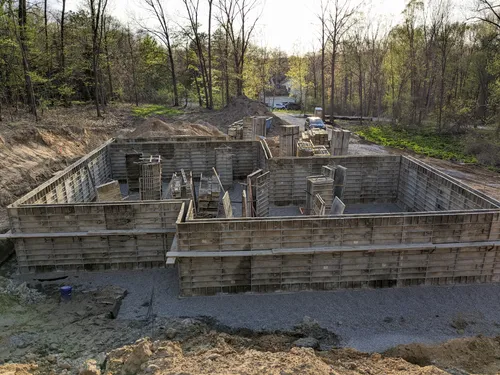
Bowman Excavating Inc is a family-owned excavation and septic system company serving Lansing, MI, and surrounding counties. With over 45 years of experience, they specialize in septic system installation and repair, including certified Advantex septic systems, engineered drain fields, and pressure systems. Their expertise extends to full-service excavation work such as basement excavation, grading, land clearing, and site development. Bowman Excavating applies detailed knowledge of soil structure and environmental codes to ensure precise and compliant septic solutions.
Howell Sanitary Co. II
Lansing, MI
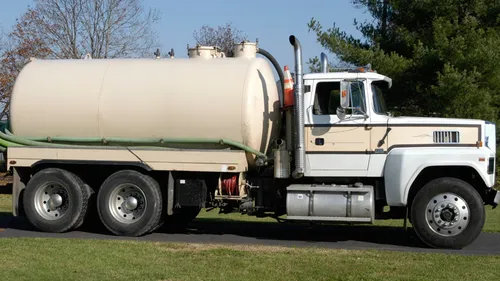
Howell Sanitary Co. II provides a range of septic system services in Lansing, MI. Their offerings include septic tank pumping, inspections, repairs, and new installations. They also handle septic field repairs and replacements, with expertise in various field types such as conventional, elevated, dry wells, bed, and trench systems. Additional capabilities include septic tank riser installation, effluent filter cleaning, excavating, driveway grading, and land clearing.
Understanding Your Septic System's Drain Field
The drain field, also known as a leach field or absorption field, is the final and most critical stage of an onsite wastewater treatment system. After solids settle in the septic tank, the liquid effluent flows into a distribution box and is then released through perforated pipes into a bed of gravel and soil. Here, the soil acts as a natural filter, removing harmful bacteria, viruses, and nutrients before the water re-enters the groundwater. When this area becomes clogged, saturated, or otherwise compromised, the system fails, and wastewater cannot be properly treated or dispersed.
Signs You May Need Drain Field Repairs
Recognizing the early warning signs of a failing leach field can save you time and money. Common indicators include:
- Soggy Ground or Surfacing Sewage: The most obvious sign is standing water or overly soggy, bright green grass directly over the drain field area, especially when it hasn't rained. In severe cases, untreated sewage may bubble up to the surface.
- Slow Drains and Backups: If drains throughout your home are slow or toilets gurgle and back up, it could indicate that the drain field is not accepting water, causing the entire system to clog 1.
- Foul Odors: Persistent sewage smells in your yard or near the drain field area are a strong indicator of a problem.
- Nitrate Contamination: While not visible, a failing system can contaminate nearby wells with nitrates and bacteria. Regular well water testing is advised if you have a septic system.
The Ingham County Health Department (ICHD) Environmental Health Division enforces the local sanitary code and may require an inspection if a system is suspected to be failing.
Lansing and Ingham County Regulations You Must Know
All work on septic systems in Lansing is regulated by the Ingham County Health Department. Navigating these rules is the first official step in any repair or replacement project.
- Permit Required: A permit from the ICHD is mandatory for all new construction, major repairs, or full replacements of a septic system 2 3. You cannot legally begin excavation or installation without this permit.
- Replacement Area Requirement: A key rule in the Ingham County Sanitary Code is the requirement for a designated reserve area. This is a space on your property, at least 1.5 times the size of the original system, that must be kept clear for a future replacement drain field 4. If this area has been built upon or compromised, your replacement options become more complex and expensive.
- System Upgrades: Older systems that have failed are typically not allowed to be simply repaired to old standards. The health officer will generally require the system to be upgraded to meet current code, which may involve a larger drain field or a different technology 5 6.
- Isolation Distances: The system must be located at least 100 feet from lakes, streams, or rivers, and no part can be within a 100-year floodplain 7 8. These environmental protections are strictly enforced.
The Step-by-Step Process for Repair or Replacement
Successfully completing a drain field project involves a series of coordinated steps between the homeowner, the local health department, and a licensed contractor.
- Initial Evaluation and Location: A professional will locate your existing tank, distribution box, and drain field lines. They will perform an assessment to diagnose the exact cause of failure, checking for saturated soil, crushed pipes, or biomat clogging 9.
- Site Evaluation and Soil Testing: This is perhaps the most critical phase. A soil evaluation, including borings and often a percolation ("perc") test, determines the soil's ability to absorb water. The soil type and depth to groundwater dictate the size and type of system you can install. In Mid-Michigan's variable soils-from heavy clay to sandy loam-this step is essential.
- Permit Application: Your contractor or a site evaluator will submit a plot plan and application to the ICHD. The plan must show property lines, buildings, wells, the existing system, and the proposed repair or replacement area 10 11.
- Installation: Once the permit is issued, a licensed installer will excavate the area. For a replacement, this may involve removing the old drain field material or constructing a new one in the reserve area. Special systems, like mound systems for areas with high water tables, may be required.
- Final Inspection and Approval: Before the new drain field is covered with soil, a Sanitarian from the health department must perform a final inspection to ensure it was built according to the approved plan and code 12 13. Only after they issue final approval can the project be considered complete.
Find the perfect drain field repair companies for your needs
Get personalized recommendations and expert advice
Factors Influencing Cost in the Lansing Area
The cost for septic leach field work in Lansing varies widely based on several local factors. While minor repairs to a distribution box or a small section of pipe may be less expensive, a full drain field replacement represents a significant investment.
- System Size and Home Size: Larger homes requiring greater wastewater capacity need larger drain fields.
- Soil and Site Conditions: Difficult sites with poor soil percolation, high groundwater, or limited space often require engineered solutions like mound systems, which can increase costs substantially 14 15.
- Permitting and Design Fees: Fees for soil testing, permit applications, and professional design are in addition to construction costs.
- Contractor Costs: Prices vary between local providers based on experience, equipment, and current demand.
While specific quotes require a site evaluation, replacement of a conventional residential drain field in the region typically ranges from $7,500 to $25,000 16. It's important to budget for the entire process, including the mandatory inspection fees.
Financing and Assistance Options
Facing a major septic repair can be financially daunting. Michigan homeowners have a valuable resource: Michigan Saves. This program offers low-interest loans specifically for septic system replacement, with amounts ranging from $1,000 to $50,000 17 18. This can make a necessary repair more accessible and manageable. It's advisable to check with your contractor or the Michigan Saves website for the most current program details and eligibility.
Maintaining Your New or Repaired Drain Field
Protecting your investment through proper maintenance is the best way to avoid another costly failure.
- Pump Your Tank Regularly: Have your septic tank pumped every 3 to 5 years by a licensed pumper. This prevents solids from escaping into and clogging the drain field 19.
- Conserve Water and Spread Out Usage: Fix leaks and use water-efficient fixtures. Avoid overwhelming the system with multiple loads of laundry in one day.
- Protect the Area: Never drive, park, or build structures (like sheds or patios) over your drain field. The weight compacts the soil, crushing pipes and ruining its ability to absorb water 20. Also, plant only grass over the field; tree and shrub roots can infiltrate and damage pipes.
- Mind What You Flush: Only human waste and toilet paper should go down the toilet. Avoid using a garbage disposal frequently, as it significantly increases the solid waste load entering your system 21.
Frequently asked questions
Sources
Footnotes
-
The Ultimate Guide to Replacing a Septic Drain Field - https://www.rciseptic.com/the-ultimate-guide-to-replacing-a-septic-drain-field ↩
-
Well and Septic - Ingham County Health Department - https://health.ingham.org/health/environmental_health/well_and_septic.php ↩
-
Sewage Systems | CMDHD - https://www.cmdhd.org/septicsystems ↩
-
02_20_26Chapter2InghamCoSa... - https://health.ingham.org/02_20_26Chapter2InghamCoSanCode_REVISED.docx?t=202602201543030 ↩
-
INGHAM COUNTY SANITARY CODE - https://docs.ingham.org/Department/BOC/ordinances/sanitary%20code%202.pdf ↩
-
Septic System Ordinances | Michigan Lakes and Streams ... - https://mymlsa.org/government-and-legal-issues/ordinances/septic-system-ordinances/ ↩
-
Proper Septic System Maintenance: - https://watershedcouncil.org/wp-content/uploads/2023/09/2022-Proper-Septic-Maintenance-For-Homeowners.pdf ↩
-
Perc Test for Septic System: A Complete Guide - https://landperc.com/perc-test-for-septic-system/ ↩
-
Diagnose Septic Problems Before You Replace - Michigan Drainfield - https://michigandrainfield.com/services/drainfield-assessment/ ↩
-
Sewage Systems | CMDHD - https://www.cmdhd.org/septicsystems ↩
-
Residential Well & Septic - District Health Department #10 - https://www.dhd10.org/environmental-health/well-septic/residential/ ↩
-
Environmental Health Regulations - https://www.mmdhd.org/sites/default/files/agency/eh/Documents/EH%20reg%20booklet.pdf ↩
-
Septic Systems: - Mid-Michigan District Health Department - https://www.mmdhd.org/wp-content/uploads/2018/09/Septic-Systems.pdf ↩
-
How To Replace A Septic Drain Field Without Costly Mistakes - https://millersepticfl.com/how-to-replace-a-septic-drain-field-without-costly-mistakes/ ↩
-
Minimum-Requirements-for-Alternative-On-Site-Sewage-Treatment- ... - https://milivcounty.gov/wp-content/uploads/Minimum-Requirements-for-Alternative-On-Site-Sewage-Treatment-Systems.pdf ↩
-
The Ultimate Guide to Replacing a Septic Drain Field - https://www.rciseptic.com/the-ultimate-guide-to-replacing-a-septic-drain-field ↩
-
Navigating your home septic system replacement - https://michigansaves.org/news/navigating-your-home-septic-system-replacement/ ↩
-
Navigating your home septic system replacement - https://michigansaves.org/news/navigating-your-home-septic-system-replacement/ ↩
-
SepticSmart - Mid-Michigan District Health Department - https://www.mmdhd.org/environmental-services/septic/septic-smart/ ↩
-
Managing Your Septic System - https://cdnsm5-hosted.civiclive.com/UserFiles/Servers/Server_11895878/File/Services/PublicWorksDept/StormWater/ManagingYourSepticSystem.pdf ↩
-
Managing Your Septic System - https://www.canr.msu.edu/septic_system_education/uploads/E-3350%20Managing%20Septic.pdf ↩