Find the Best Drain Field Repair Companies for Your Business
No obligation • Fast responses • Nationwide coverage

Why you can trust Septic Spot
Septic Spot is a leading United States resource for understanding and comparing septic services. Our editors review providers using consistent criteria and verify key business details. Listings and scores are independent, and companies cannot pay to influence our content.
Search providers near you
Top Drain Field Repair Companies in Flint, Michigan Ranked
A properly functioning drain field is the heart of your home's onsite wastewater system. When this critical component fails, it can lead to sewage backups, soggy yards, and serious environmental health risks. In Flint, Michigan, managing a failing leach field or absorption area requires navigating specific local regulations and understanding the unique soil conditions of the region. This guide provides essential information to help you identify problems, understand your repair and replacement options, and connect with qualified local professionals to restore your system's function.
Bowman Excavating Inc
920 W Marr Rd, Howell, MI 48855
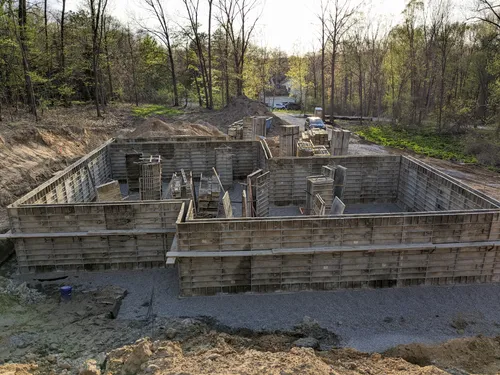
Bowman Excavating Inc is a family-owned excavation and septic system company serving Lansing, MI, and surrounding counties. With over 45 years of experience, they specialize in septic system installation and repair, including certified Advantex septic systems, engineered drain fields, and pressure systems. Their expertise extends to full-service excavation work such as basement excavation, grading, land clearing, and site development. Bowman Excavating applies detailed knowledge of soil structure and environmental codes to ensure precise and compliant septic solutions.
Howell Sanitary Co. II
Lansing, MI
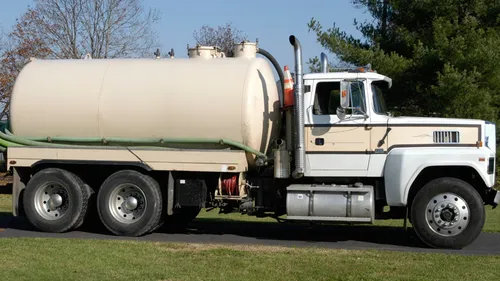
Howell Sanitary Co. II provides a range of septic system services in Lansing, MI. Their offerings include septic tank pumping, inspections, repairs, and new installations. They also handle septic field repairs and replacements, with expertise in various field types such as conventional, elevated, dry wells, bed, and trench systems. Additional capabilities include septic tank riser installation, effluent filter cleaning, excavating, driveway grading, and land clearing.
Understanding Your Drain Field's Role
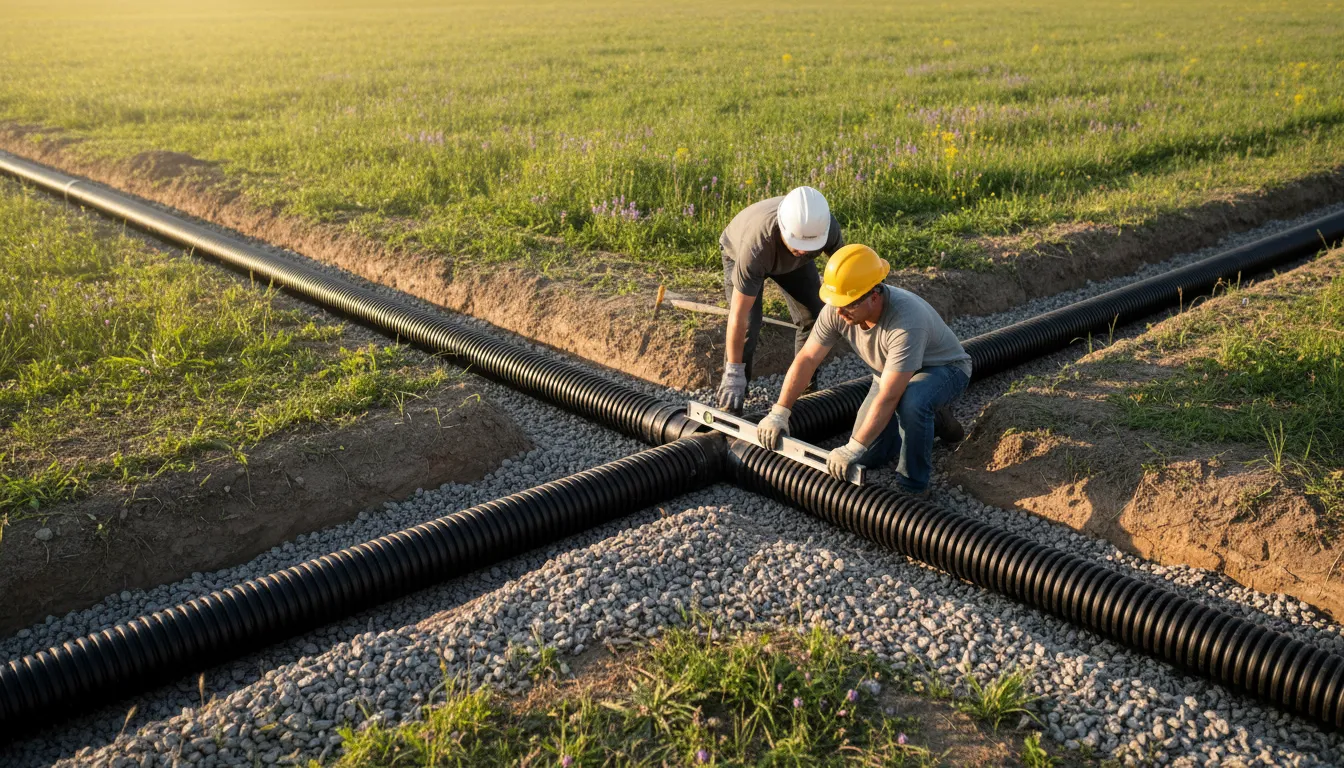
Often called a leach field or soil absorption system, the drain field is the final stage of wastewater treatment for homes not connected to municipal sewer lines. After solids settle in the septic tank, the liquid effluent flows into a network of perforated pipes buried in trenches filled with gravel. This effluent slowly percolates through the soil, where natural biological processes remove harmful pathogens and nutrients before the water reaches groundwater. A failing drain field cannot absorb this effluent, causing it to surface or back up into your home. In Flint, with its focus on protecting groundwater resources, a malfunctioning system is not just a homeowner's issue but a community environmental concern 1.
Signs You Need Drain Field Repair or Replacement
Recognizing early warning signs can save you from more extensive and costly repairs down the line. If you notice any of the following, it's time to call a licensed septic system contractor for an inspection:
- Sewage Odors or Ponding: Foul smells in your yard or visible pools of grey, smelly water over the drain field area are classic signs of failure.
- Unusually Lush, Green Grass: While a healthy lawn is desirable, patches of grass over the drain field that are significantly greener and grow faster than the rest of your yard can indicate a nutrient overload from surfacing effluent.
- Slow Drains and Gurgling: Plumbing fixtures that drain slowly or make gurgling sounds, especially after heavy rain, can signal that the drain field is saturated and not accepting water.
- Backups: The most severe sign is sewage backing up into household drains or toilets.
A professional inspection will confirm the issue. This typically involves a visual site check, assessing the septic tank and baffles, and may include checking distribution lines for blockages or evaluating the soil's absorption capacity 2 3.
Flint and Genesee County Regulations You Must Know
Before any shovel hits the ground for drain field work, you must understand the local regulatory landscape. In Flint, septic systems fall under the jurisdiction of the Genesee County Health Department.
- Permits Are Mandatory: A permit from the Genesee County Health Department is required for any significant repair or full replacement of a drain field 4. Starting work without a permit can result in fines and orders to undo the work.
- State Compliance: All systems must meet the minimum standards set by the Michigan Department of Environment, Great Lakes, and Energy (EGLE) 5. These standards are designed to protect public health and Michigan's water resources, with particular emphasis on preventing groundwater contamination.
- System Inspections: Michigan recommends septic systems be inspected every three years and pumped every three to five years to prevent premature drain field failure 6. Proactive maintenance is far less expensive than emergency replacement.
Find the perfect drain field repair companies for your needs
Get personalized recommendations and expert advice
The Impact of Michigan Soils on Your System
Soil type is the single most important factor in designing a functional drain field. The soil must have the right texture and structure to allow effluent to percolate at a safe rate-not too fast and not too slow.
- Clay Soils: Much of Michigan, including areas around Flint, has heavy clay soils 7. Clay has very small particles that pack tightly together, severely limiting its permeability. A conventional trench-style drain field often fails quickly in pure clay because the soil cannot absorb the water, leading to rapid clogging of the soil pores-a condition called "biomat" failure.
- Site Evaluations: Because of these soil challenges, a proper site evaluation is non-negotiable. This evaluation tests the soil's percolation rate, identifies the seasonal high water table, and checks for setbacks from wells, property lines, and water bodies.
- Engineered Solutions: If your site has poor soil, a high water table, a small lot size, or is near a lake or stream, a conventional system may not be an option. In these cases, you will likely need an engineered system. Common solutions in Michigan include:
- Mound Systems: An elevated bed of sand is constructed above the natural soil, with the drain field pipes placed within it. Effluent is pumped to the mound and treated as it filters through the sand.
- Sand Filter Systems: These are buried tanks or vessels filled with sand that provide advanced treatment before the effluent is dispersed to a smaller, shallower drain field.
Cost Considerations for Repair and Replacement
The cost to address a failing drain field in Flint varies widely based on the solution required. It's one of the most significant investments a homeowner with a septic system can face.
- Conventional System Replacement: If soil conditions allow, replacing a conventional drain field typically ranges from $6,000 to $12,000. This involves excavating new trenches, installing new distribution lines and gravel, and connecting to the existing septic tank (if it is still in good condition).
- Engineered System Costs: For sites requiring advanced treatment, costs are substantially higher. A mound system can range from $12,000 to over $25,000 8. Sand filters and other alternative technologies also fall into this higher price bracket.
- Financing Help: The upfront cost can be daunting. Fortunately, Michigan Saves, a nonprofit, offers low-interest home energy loans that can also be used for septic system replacement, with loan amounts ranging from $1,000 to $50,000 for failed systems 9. This can make a necessary replacement more financially manageable.
- The Cost of Maintenance: For context, routine maintenance to prevent drain field failure is far more affordable. Pumping a 1,000-gallon septic tank in the region averages around $26010. Investing in regular pumping is the most effective way to extend the life of your drain field.
Choosing a Contractor for Your Drain Field Project
Selecting the right professional is critical for a compliant, long-lasting solution. Always choose a contractor who is licensed by the state of Michigan for septic system installation and repair 11. They should be intimately familiar with Genesee County Health Department procedures and permit requirements. A reputable contractor will:
- Conduct a thorough site evaluation and system inspection.
- Help you navigate the permit application process with the health department.
- Provide detailed, written estimates for both conventional and engineered options if applicable.
- Use high-quality materials and adhere to all state and county codes.
- Obtain all necessary inspections during construction and provide you with "as-built" drawings for your records.
Don't base your decision on price alone. The lowest bid may not account for proper site planning or code compliance, leading to costly corrections later. Your drain field is a long-term investment in your property and the local environment; it's worth doing correctly with a trusted expert 12.
Frequently asked questions
Sources
Footnotes
-
Septic Systems - MI Water Stewardship - https://miwaterstewardship.org/septic-systems/ ↩
-
Septic Inspections in Southeast Michigan - Universal Septic Services - https://www.universalsepticservices.com/services/inspections/ ↩
-
Septic Systems: - Mid-Michigan District Health Department - https://www.mmdhd.org/wp-content/uploads/2018/09/Septic-Systems.pdf ↩
-
Proper Septic System Maintenance: - https://watershedcouncil.org/wp-content/uploads/2023/09/2022-Proper-Septic-Maintenance-For-Homeowners.pdf ↩
-
Septic Repair or Replacement: Minimum Standards - https://www.michigan.gov/egle/-/media/Project/Websites/egle/Documents/Programs/WRD/NPS/General/Septic-System-Minimum-Standards.pdf ↩
-
A Genesee County Homeowner's Guide to a Well-Maintained ... - https://gcdcswm.com/PhaseII/Permit_Forms/septic_book_final.pdf ↩
-
How Michigan's Clay Soils Affect Your Foundation and What You Can Do - https://tomsbasementwaterproofing.com/why-soil-composition-matters/ ↩
-
DON'T BUY A HOUSE WITH A SEPTIC IN MICHIGAN! - https://livinginmichigan.com/don-t-buy-a-house-with-a-septic-in-michigan/ ↩
-
Navigating your home septic system replacement - https://michigansaves.org/news/navigating-your-home-septic-system-replacement/ ↩
-
How Much Does It Cost to Replace a Septic System in Livingston ... - https://www.septicserviceshowell.com/post/how-much-does-it-cost-to-replace-a-septic-system-in-livingston-county-mi ↩
-
Michigan Septic License & Certification | 2024 Contractor Guide - https://www.servicetitan.com/licensing/septic/michigan ↩
-
How To Replace A Septic Drain Field Without Costly Mistakes - https://millersepticfl.com/how-to-replace-a-septic-drain-field-without-costly-mistakes/ ↩