Find the Best Drain Field Repair Companies for Your Business
No obligation • Fast responses • Nationwide coverage

Why you can trust Septic Spot
Septic Spot is a leading United States resource for understanding and comparing septic services. Our editors review providers using consistent criteria and verify key business details. Listings and scores are independent, and companies cannot pay to influence our content.
Search providers near you
Top Drain Field Repair Companies in Kansas City, Missouri Ranked
A failing drain field, also known as a leach field or absorption field, is a serious issue for any home with a septic system. It's the component that safely filters and disperses treated wastewater into the soil, and when it malfunctions, it can lead to sewage backups, soggy yards, and environmental contamination. For Kansas City homeowners, navigating the repair or replacement of this critical system requires understanding local regulations, soil science, and the professional process. This guide explains what you need to know to address drain field problems, connect with qualified local experts, and ensure your system meets all Missouri and Kansas City area standards.
A-1 Sewer & Septic
1891 Merriam Ln, Kansas City, KS 66106
A-1 Sewer & Septic provides plumbing and septic system services in Kansas City, MO. They offer septic tank pumping, septic system repair, drain field repair, and comprehensive drain cleaning services including hydro jetting. Serving residential, commercial, and industrial clients, A-1 Sewer & Septic has been operating since 1968. The company offers same-day emergency and weekend services to address urgent plumbing and septic issues promptly.
Burns Septic And Excavation
Kansas City, MO
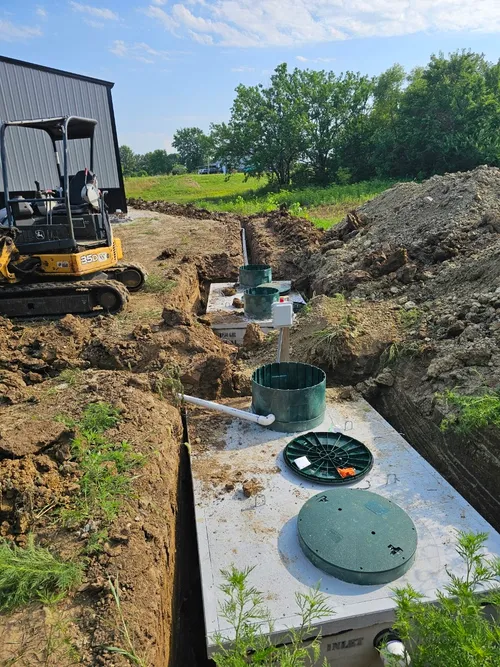
Burns Septic And Excavation is a septic system repair and installation company based in Kansas City, MO. They provide services including new septic system installations, septic tank replacements, and drain field repair or replacement. The company serves multiple counties in Missouri and Kansas, such as Cass, Johnson, Lafayette, and Jackson counties. Their capabilities include both lateral (drain field) replacements and preventative maintenance to support septic system health.

KCS, LLC
Kansas City, MO
KCS, LLC is a licensed and insured septic tank installation and drain field repair contractor serving Kansas City, MO, and surrounding areas. With over 25 years of experience, they provide comprehensive septic and wastewater solutions including tank replacement, lateral field installation, full system installs, septic engineering design, and septic to sewer conversion. Their expertise extends to water and sewer line installations and repairs, ensuring efficient and compliant septic system performance tailored to local soil and environmental conditions. KCS, LLC is recognized for its specialized knowledge and has been featured on FOX4KC's "KC Experts."
Residential Sewage Treatment
12800 2nd St, Grandview, MO 64030
Residential Sewage Treatment is a family-owned septic service provider based in Kansas City, MO, serving Clay County and surrounding areas. Established in 1972, the company offers a range of residential and commercial septic services including installation, repair, maintenance, and inspection of septic tanks and drain fields. They specialize in installing Aerobic Treatment Units certified by the National Sanitation Foundation, which are suitable for properties not compatible with traditional septic systems. Their certified technicians also handle lift station maintenance and drip irrigation system repairs to support proper wastewater management.
Understanding Your Septic System's Drain Field
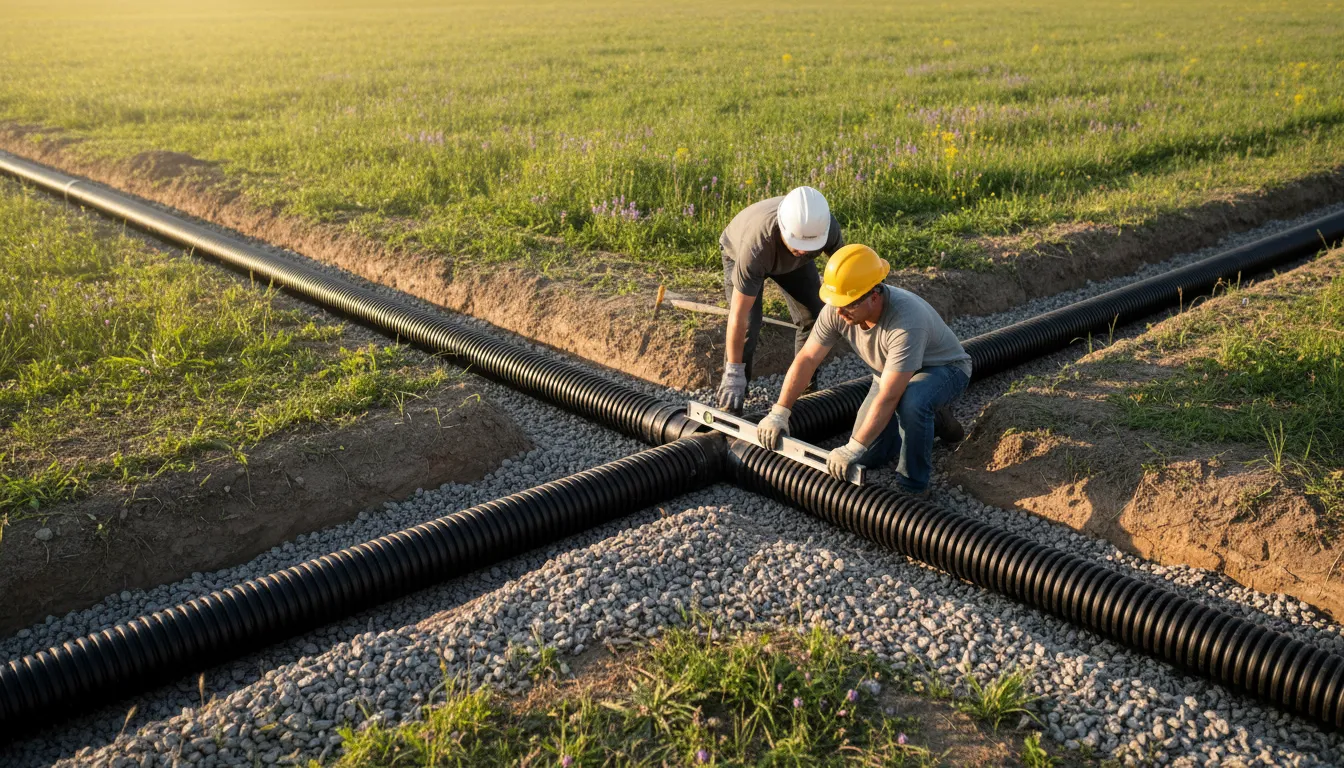
The drain field is the final stage of your onsite wastewater treatment system. After solids settle in the septic tank, the liquid effluent flows through pipes into a network of perforated tubes buried in trenches filled with gravel. This effluent slowly percolates into the soil, where natural processes provide final treatment. A properly functioning leach field is essential for protecting both your property and public health. Common signs of failure include persistently wet or soggy spots in the yard above the field, foul odors, unusually lush grass growth over the area, and slow drains or sewage backups in the house.
Why Drain Fields Fail in the Kansas City Area
Several factors can lead to the need for leach field repair or replacement. The most common cause is long-term buildup of biomat-a layer of organic material that clogs the soil pores, preventing proper drainage. This is often the result of a lack of regular septic tank pumping. Physical damage from driving heavy vehicles or equipment over the field, which compacts the soil and crushes pipes, is another frequent issue. Additionally, tree roots can infiltrate and block the distribution lines. In some cases, the original system may have been improperly designed for the local soil conditions, leading to premature failure. Missouri regulations specifically prohibit placing absorption fields in areas with high water tables, shallow bedrock, or steep slopes, as these conditions severely limit the soil's ability to treat wastewater.
The Critical First Step: Site Evaluation and Permits
Before any repair or replacement work can begin, a professional site evaluation is required by law. This is not a step homeowners can skip. A licensed soil scientist or approved site evaluator must examine the soil's morphology-its structure, texture, and color-to determine its suitability for a new sewage absorption area 1 2. This evaluation ensures the new system will function correctly and protects groundwater.
Following a satisfactory site evaluation, you must obtain a construction permit from your local health department. In the Kansas City metro area, this could be the Kansas City, Missouri Health Department or the county health department (e.g., Jackson, Clay, or Platte County in Missouri, or the Kansas Department of Health and Environment for properties on the Kansas side). You will need to submit detailed site and design plans prepared by a qualified professional. Missouri's Minimum Construction Standards for Onsite Wastewater Systems (19 CSR 20-3.060) govern all installations and major repairs, and the local health department will review your plans for compliance.
The Repair and Replacement Process
Once permits are secured, the actual work can proceed. For minor issues like a clogged line, a repair might involve jetting the pipes or replacing a small section. However, complete drain field replacement is often necessary when the soil is permanently saturated or the system is extensively damaged.
- System Design: A professional designs the new absorption field based on the site evaluation, home size, and local codes.
- Excavation: A contractor uses a backhoe to dig new trenches in the approved location, adhering to required setbacks from property lines, wells, and buildings.
- Installation: New perforated distribution pipes are laid in gravel-filled trenches. In some cases, advanced systems like pressure distribution or aerobic treatment units may be recommended for challenging sites.
- Final Inspection: The local health department inspector must examine the installed system before the trenches are backfilled and the landscape is restored 3 4.
It is crucial to hire a registered and licensed installer for any major repair or replacement work, as required by state regulations.
Find the perfect drain field repair companies for your needs
Get personalized recommendations and expert advice
Protecting Your New Drain Field
After investing in a new leach field, proper maintenance is key to its longevity. The most important practice is to have your septic tank pumped regularly (typically every 3-5 years) to prevent solids from washing out and clogging the new field. Conserve water to avoid hydraulically overloading the system. Never drive or park vehicles, build structures, or pave over the drain field area. Be mindful of landscaping; avoid planting trees or shrubs with deep root systems near the field, as roots will seek out the moisture and can damage pipes 5 6. Finally, keep detailed records of all inspections, pumping, and repair work, as these are often required during a property transfer.
Understanding the Costs Involved
Drain field repair or replacement is a significant investment. Costs in the Kansas City area vary widely based on the size of your home, the type of system required, soil conditions, and site accessibility. For a complete system replacement-including both a new septic tank and a new absorption field-homeowners can expect average costs to range from $5,000 to over $12,000 7. The installation fee itself can average around $6,963 8. The cost of a standard 1,000-gallon concrete septic tank alone typically ranges from $500 to $900, not including installation 9. It's important to note that these are estimates, and obtaining multiple detailed quotes from licensed local contractors is essential for accurate budgeting.
Local Regulations and Property Transfers
Kansas City area homeowners should be aware that regulations can have slight variations between Missouri counties and the state of Kansas. Always confirm requirements with your specific local health department. Furthermore, if you are buying or selling a home with a septic system, an inspection is often mandated at the time of property transfer 10 11. A failing inspection can halt a sale, making pre-listing system checks a wise decision for sellers.
Frequently asked questions
Sources
Footnotes
-
Septic Systems and Other Treatment Methods (Fact Sheet) - https://extension.missouri.edu/publications/eqm104f ↩
-
Residential Sewage Lagoon Systems: A Homeowner's Guide to ... - https://extension.missouri.edu/publications/wq402 ↩
-
Resources | Onsite Wastewater Treatment | Health & Senior Services - https://health.mo.gov/living/environment/onsite/resources.php ↩
-
Kansas Septic Tank Requirements | Guide to Installation and ... - https://www.ntotank.com/blog/kansas-septic-tank-requirements ↩
-
An Onsite Wastewater Treatment System Owner's Manual - https://health.mo.gov/living/environment/onsite/pdf/SystemOwnersManual.pdf ↩
-
SEPTIC TANKS - KDHE - https://www.kdhe.ks.gov/DocumentCenter/View/8966/Septic-Tanks-PDF ↩
-
Cost to Replace Septic Tank and Drain Field [2026 Data] | Angi - https://www.angi.com/articles/how-much-new-drain-fields-foot.htm ↩
-
How Much Does It Cost To Install a Septic System in Kansas City, MO? - https://www.angi.com/articles/what-does-it-cost-install-septic-system/mo/kansas-city ↩
-
Residential Septic Tank Pricing | Homeowner's Guide to Costs - https://www.ntotank.com/blog/residential-septic-tank-pricing ↩
-
Onsite Wastewater Treatment | Health & Senior Services - https://health.mo.gov/living/environment/onsite/ ↩
-
New Septic System Regulations in Kansas/Missouri - https://www.honey-wagonkc.com/blog/posts/new-septic-system-regulations.html ↩