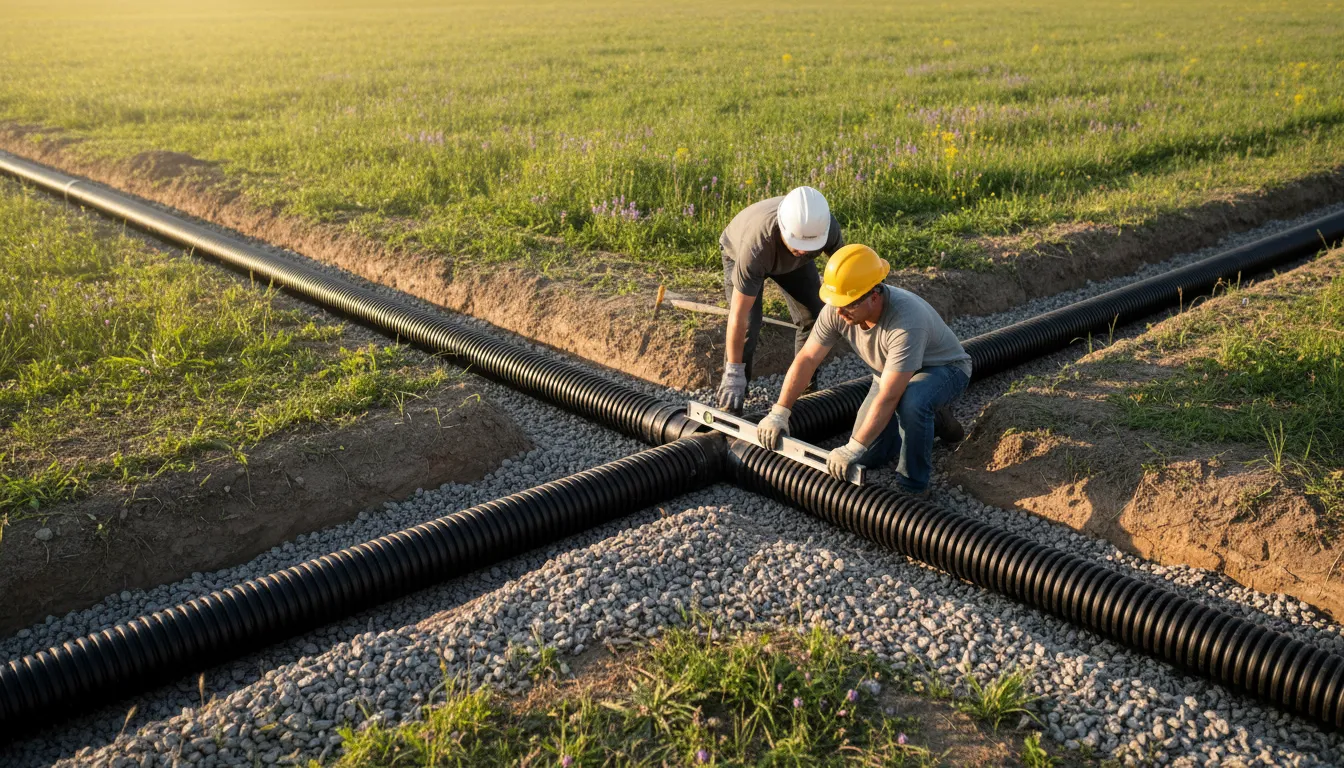
Find the Best Drain Field Repair Companies for Your Business
No obligation • Fast responses • Nationwide coverage

Why you can trust Septic Spot
Septic Spot is a leading United States resource for understanding and comparing septic services. Our editors review providers using consistent criteria and verify key business details. Listings and scores are independent, and companies cannot pay to influence our content.
Search providers near you
Top Drain Field Repair Companies in Bremerton, Washington Ranked
A failing septic drain field can lead to serious property damage, environmental contamination, and costly emergency repairs. In Bremerton, managing this critical component of your on-site sewage system requires navigating specific local regulations and environmental conditions. This guide provides essential information on recognizing problems, understanding the repair and replacement process, and connecting with qualified local professionals who can assess your system and ensure compliance with Kitsap County health standards.
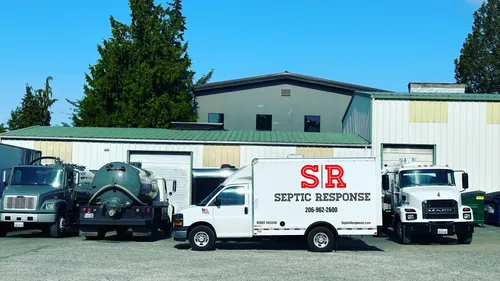
Septic Response
672 7th Ave, Kirkland, WA 98033
Septic Response is a septic tank service provider based in Seattle, WA, offering a wide range of services including septic tank pumping, inspection, repair, installation, and drain field replacement. They serve King County, Snohomish County, and Pierce County with expertise in maintaining both traditional and advanced septic systems. Their capabilities include inlet pipe cleaning using jetting technology and comprehensive septic system maintenance tailored to local soil and environmental conditions. The company emphasizes preventative maintenance and environmental compliance to extend system lifespan. Septic Response operates 24/7 to support urgent septic needs.
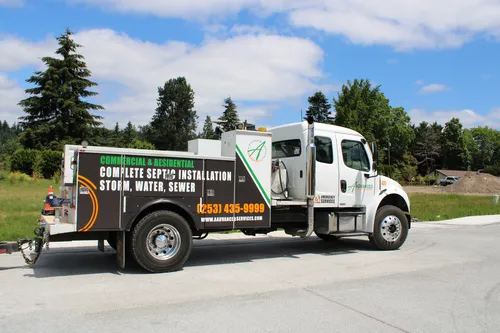
A Advanced Septic & Construction Services
1602 W Valley Hwy S, Auburn, WA 98001
A Advanced Septic & Construction Services is a family-owned business serving Tacoma, WA, and surrounding areas including Auburn, Puyallup, Bonney Lake, and Sumner. Established in 2006, they offer comprehensive septic services such as septic tank pumping, inspection, repair, installation, and drain field restoration. Their team also provides electrical and construction services related to septic systems. Known for handling emergency situations, they offer 24-hour emergency response to address urgent septic needs. The company combines modern equipment with experienced technicians to maintain and repair septic systems efficiently.
Upfront Septic & Plumbing
2367 Tacoma Ave S Suite 201, Tacoma, WA 98402
Upfront Septic & Plumbing is a septic service provider located in Tacoma, WA, serving King and Pierce County. They offer septic tank pumping, inspection, repair, and installation services for various septic systems including aerobic and anaerobic tanks made of concrete, metal, fiberglass, or plastic. The company also handles drain field repairs and provides emergency septic services available 24/7. Founded by a local resident, Upfront Septic & Plumbing emphasizes transparent pricing and straightforward service to address septic system needs efficiently.
AAA Septic & Plumbing LLC.
32228 116th Ave SE, Auburn, WA 98092
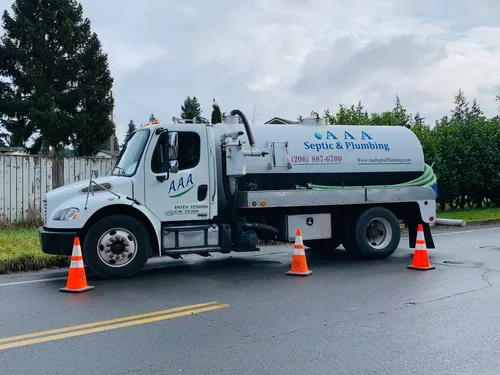
AAA Septic & Plumbing LLC. is a family-owned business serving Tacoma, WA, and surrounding counties including King, Pierce, Snohomish, and Thurston. They provide a full range of septic services such as septic tank pumping, system installation and repair, drainfield repair, and sewer line services. The company is licensed and certified, offering specialized capabilities like septic pump control panel troubleshooting and sewer scope inspections. With years of trusted experience, AAA Septic & Plumbing LLC. operates with a commitment to customer satisfaction and offers 24-hour emergency response for septic and plumbing issues.
Upfront Septic & Plumbing
600 1st Ave UNIT 516, Seattle, WA 98104
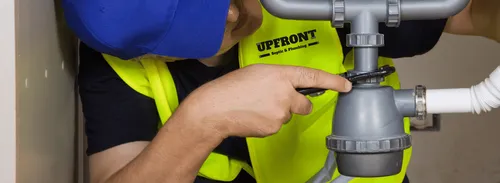
Upfront Septic & Plumbing is a septic service provider based in Seattle, WA, serving King and Pierce Counties. They offer septic tank pumping, inspection, repair, and installation services for various septic systems including aerobic and anaerobic tanks made of concrete, metal, fiberglass, or plastic. The company also handles drain field repair and provides emergency septic services available 24/7. Founded by David White, Upfront Septic aims to provide transparent pricing and straightforward service to local customers.
Recognizing a Failing Drain Field
Your drain field, also known as a leach field or absorption area, is the final stage of wastewater treatment. When it fails, warning signs are often visible. Common indicators include:
- Sewage odors or persistently wet, soggy spots in your yard, especially over the field area.
- Slow-draining fixtures throughout your home, such as toilets, sinks, and showers.
- Sewage backing up into your home or surfacing in your yard.
- Unusually green, lush grass growing over the drain field compared to the rest of your lawn.
These symptoms typically point to a system that is overloaded or a soil absorption area that has become clogged and saturated, preventing proper wastewater filtration. In Bremerton's climate and varied soil types, from heavy clay to areas with high water tables, these failures can accelerate without proper maintenance.
Bremerton's Regulatory Landscape: Permits and Inspections
Any significant repair or full replacement of a septic drain field in Bremerton is governed by the Kitsap Public Health District. Undertaking work without the proper permits can result in fines and an uninspected, non-compliant system.
- Permits Are Mandatory: All repairs and replacements require a permit from local health officials. The process begins with a site evaluation and system design by a state-certified designer.
- Inspection Requirements: Kitsap County mandates regular inspections of septic systems. Gravity systems must be inspected every three years, while more complex systems (those with pumps or alternative technology) require annual inspections 1. A failing inspection is often the catalyst for drain field work.
- The Reserve Area: A key regulation for properties with septic systems is the requirement for a designated reserve area. This is a protected section of your property, set aside for the potential expansion or full replacement of your drain field. It must remain undisturbed-free from construction, parking, or deep-rooted plants-to be viable when needed 2 3.
The Drain Field Repair and Replacement Process
Addressing a failing leach field is a multi-step process that involves professionals at each stage to ensure the new system is effective and legal.
- Professional System Evaluation: A licensed septic professional will conduct a thorough assessment. This goes beyond the tank to inspect the distribution box, drain field pipes, and, crucially, the soil conditions. They will check for hydraulic overload, biomat clogging, and soil saturation.
- Design and Permitting: A certified septic designer uses the evaluation data to create a repair or replacement plan. This plan must account for current soil percolation rates, mandatory setbacks from property lines, wells, buildings, and waterways, and the utilization of your approved reserve area. The designer submits this plan to the health district for permit approval.
- Installation: A licensed installer executes the approved plan. For a full replacement, this typically involves excavating the new trenches in the reserve area, installing new perforated piping and gravel, and connecting it to the existing septic tank. In some cases, advanced treatment or alternative systems may be recommended for challenging sites 4.
- Final Inspection: Once installation is complete but before the area is backfilled, a health district inspector will visit to verify the work complies with the permitted design and all codes. Only after passing this inspection can the system be covered and put into use 5.
Find the perfect drain field repair companies for your needs
Get personalized recommendations and expert advice
Costs and Financial Considerations for Bremerton Homeowners
Drain field work is a significant investment, with costs varying widely based on the scope of the problem, soil conditions, and system size.
- Minor Repairs: Addressing a single clogged line or a small section of the field may range from $1,500 to $5,000 6.
- Full Drain Field Replacement: This is the most extensive and costly solution, often required when the entire absorption area has failed. In the Bremerton area, full replacement costs frequently range from $25,000 to over $50,000 7.
- Additional Costs: If the septic tank itself also needs replacement, homeowners should budget an additional $3,000 to $10,000 8.
- Financial Assistance: The high cost of replacement can be a burden. Washington State offers potential assistance through the Department of Ecology's grant programs or low-interest loan options for qualifying homeowners and systems. It's advisable to investigate these options early in the process.
Protecting Your New or Existing Drain Field
Proper care can extend the life of your drain field by decades. Key protection strategies include:
- Water Conservation: Spread out laundry loads, fix leaks, and use water-efficient fixtures to avoid hydraulically overloading the system.
- Mind What You Flush: Only human waste and toilet paper should go down the drain. Avoid chemicals, grease, wipes, and other solids that can clog the system.
- Protect the Area: Never drive, park, or build structures over your drain field or reserve area. Soil compaction crushes the pipes and ruins the soil's ability to absorb water 9 10.
- Landscaping Carefully: Do not plant trees or shrubs within 30 feet of the drain field. Their roots are a primary cause of pipe intrusion and failure. Grass is the ideal cover 11.
Choosing a Professional in Bremerton
Given the technical and regulatory complexity, selecting the right contractor is critical. Look for professionals who are:
- Licensed and Insured in Washington State for septic system installation and repair.
- Familiar with Kitsap County Codes: They should have a proven track record of pulling permits and passing inspections with the Kitsap Public Health District.
- Certified Designers on Staff or in Network: Many quality installation companies work directly with certified designers to streamline the process.
- Transparent with Quotes: Reputable providers will offer detailed, written estimates that break down design, permitting, installation, and inspection fees.
Frequently asked questions
Sources
Footnotes
-
Do-It-Yourself Septic System Inspection Field Guide - https://doh.wa.gov/sites/default/files/legacy/Documents/Pubs//337-122.pdf ↩
-
A Homeowner's Guide to Septic Systems - https://www.masoncohealth.com/wp-content/uploads/2016/11/A%20Homeowner's%20Guide%20to%20Septic%20Systems.pdf ↩
-
Understanding and Caring for your Septic System Brochure - https://doh.wa.gov/sites/default/files/legacy/Documents/Pubs//337-086.pdf ↩
-
Septic Installation Guide: Complete Setup Process | Bremerton - https://septicrepairservice.com/2025/07/a-step-by-step-guide-to-septic-installation-in-bremerton/ ↩
-
Caring for Your Septic System | Washington State Department of ... - https://doh.wa.gov/community-and-environment/wastewater-management/septic-system/caring-your-system ↩
-
Home Fails Septic Inspection in Washington: A Recovery Guide - https://davissepticdesign.com/home-fails-septic-inspection-in-washington-a-recovery-guide/ ↩
-
Navigating New Septic Regulations: Stay Compliant - Blog - https://danosseptic.com/blog/navigating-new-septic-regulations-stay-compliant/ ↩
-
Cost to Replace Septic Tank and Drain Field [2026 Data] | Angi - https://www.angi.com/articles/how-much-new-drain-fields-foot.htm ↩
-
Septic Systems Reports, Regulations, Guidance, and Manuals - https://www.epa.gov/septic/septic-systems-reports-regulations-guidance-and-manuals ↩
-
The Ultimate Guide to Replacing a Septic Drain Field - https://www.rciseptic.com/the-ultimate-guide-to-replacing-a-septic-drain-field ↩
-
Drainfield Care - Large On-site Sewage System Fact Sheet - https://doh.wa.gov/sites/default/files/legacy/Documents/Pubs/337-150.pdf ↩