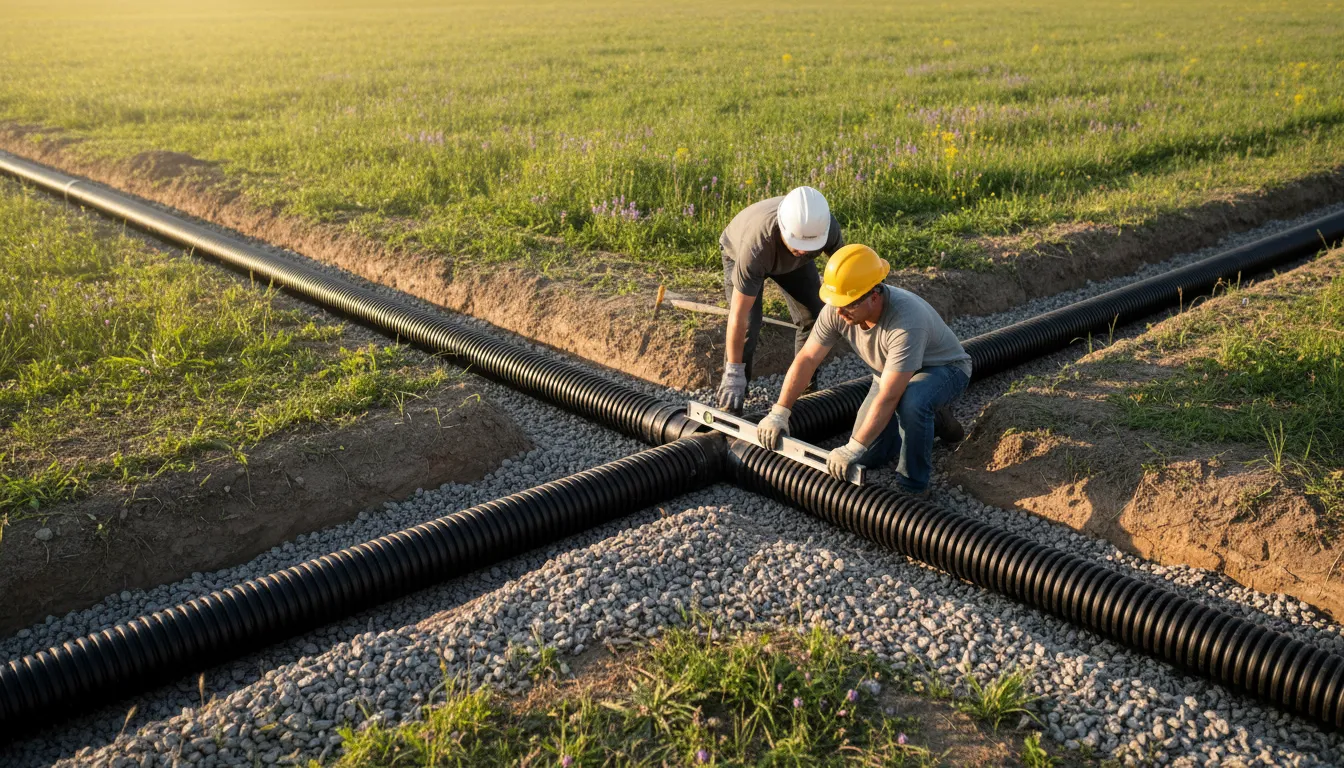
Find the Best Drain Field Repair Companies for Your Business
No obligation • Fast responses • Nationwide coverage

Why you can trust Septic Spot
Septic Spot is a leading United States resource for understanding and comparing septic services. Our editors review providers using consistent criteria and verify key business details. Listings and scores are independent, and companies cannot pay to influence our content.
Search providers near you
Top Drain Field Repair Companies in Seattle, Washington Ranked
A failing septic drain field is a serious issue for any homeowner, disrupting daily life and posing environmental and health risks. Drain field repair or replacement is a complex, regulated process that requires professional expertise to navigate local codes, secure permits, and ensure a long-lasting solution. This guide provides essential information on the process, regulations, and costs specific to Seattle and King County, helping you understand what to expect and how to connect with qualified local specialists.
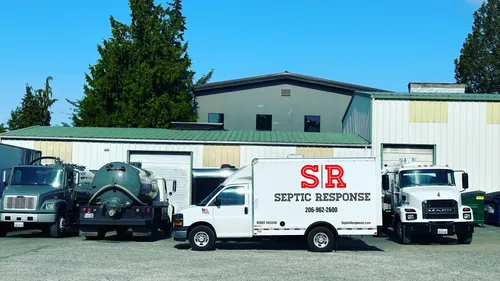
Septic Response
672 7th Ave, Kirkland, WA 98033
Septic Response is a septic tank service provider based in Seattle, WA, offering a wide range of services including septic tank pumping, inspection, repair, installation, and drain field replacement. They serve King County, Snohomish County, and Pierce County with expertise in maintaining both traditional and advanced septic systems. Their capabilities include inlet pipe cleaning using jetting technology and comprehensive septic system maintenance tailored to local soil and environmental conditions. The company emphasizes preventative maintenance and environmental compliance to extend system lifespan. Septic Response operates 24/7 to support urgent septic needs.
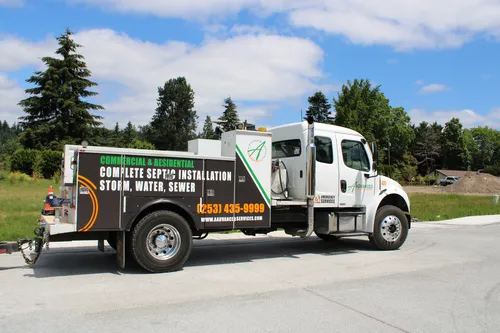
A Advanced Septic & Construction Services
1602 W Valley Hwy S, Auburn, WA 98001
A Advanced Septic & Construction Services is a family-owned business serving Tacoma, WA, and surrounding areas including Auburn, Puyallup, Bonney Lake, and Sumner. Established in 2006, they offer comprehensive septic services such as septic tank pumping, inspection, repair, installation, and drain field restoration. Their team also provides electrical and construction services related to septic systems. Known for handling emergency situations, they offer 24-hour emergency response to address urgent septic needs. The company combines modern equipment with experienced technicians to maintain and repair septic systems efficiently.
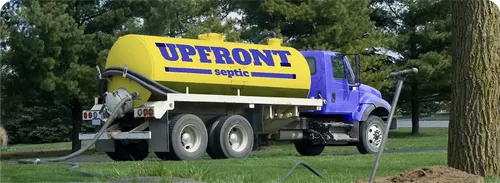
Upfront Septic & Plumbing
2367 Tacoma Ave S Suite 201, Tacoma, WA 98402
Upfront Septic & Plumbing is a septic service provider located in Tacoma, WA, serving King and Pierce County. They offer septic tank pumping, inspection, repair, and installation services for various septic systems including aerobic and anaerobic tanks made of concrete, metal, fiberglass, or plastic. The company also handles drain field repairs and provides emergency septic services available 24/7. Founded by a local resident, Upfront Septic & Plumbing emphasizes transparent pricing and straightforward service to address septic system needs efficiently.
AAA Septic & Plumbing LLC.
32228 116th Ave SE, Auburn, WA 98092
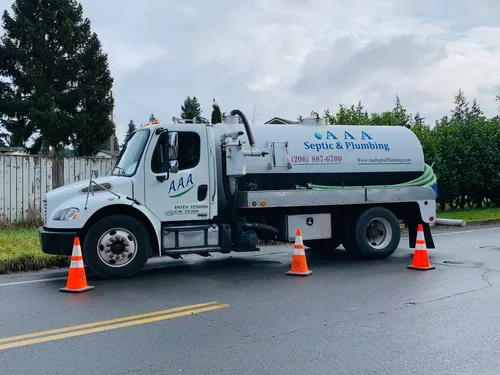
AAA Septic & Plumbing LLC. is a family-owned business serving Tacoma, WA, and surrounding counties including King, Pierce, Snohomish, and Thurston. They provide a full range of septic services such as septic tank pumping, system installation and repair, drainfield repair, and sewer line services. The company is licensed and certified, offering specialized capabilities like septic pump control panel troubleshooting and sewer scope inspections. With years of trusted experience, AAA Septic & Plumbing LLC. operates with a commitment to customer satisfaction and offers 24-hour emergency response for septic and plumbing issues.
Upfront Septic & Plumbing
600 1st Ave UNIT 516, Seattle, WA 98104
Upfront Septic & Plumbing is a septic service provider based in Seattle, WA, serving King and Pierce Counties. They offer septic tank pumping, inspection, repair, and installation services for various septic systems including aerobic and anaerobic tanks made of concrete, metal, fiberglass, or plastic. The company also handles drain field repair and provides emergency septic services available 24/7. Founded by David White, Upfront Septic aims to provide transparent pricing and straightforward service to local customers.
Understanding Your Septic Drain Field
The drain field, also known as a leach field or soil absorption system, is the final and most critical component of a septic system. After solids settle in the tank, liquid effluent flows into a network of perforated pipes buried in trenches. This effluent is then filtered and treated by the surrounding soil before rejoining the groundwater. When this area fails, untreated wastewater can surface, creating odors, soggy yards, and contamination hazards. Common signs of failure include sewage odors, unusually lush grass over the field, slow-draining household fixtures, and standing water or surfacing effluent.
In Seattle and King County, these systems are governed by strict state and local health codes designed to protect Puget Sound and local waterways 1. Any work on your leaching bed requires adherence to Washington State Department of Health regulations (WAC 246-272A) and oversight from Public Health-Seattle & King County.
The Regulatory Landscape: Permits and Codes
Before any shovel hits the ground, you must navigate the permitting process. A repair permit from King County Public Health is mandatory for any significant work on your soil absorption system. This isn't a simple formality; it's a structured review to ensure the proposed solution meets all safety and environmental standards.
The process typically begins with a professional evaluation. A certified septic designer or engineer must assess the cause of failure and design a repair or replacement system. This design, along with the permit application, must be submitted by a licensed Master Installer or designer. The county reviews the proposal for compliance with key requirements, such as:
- Soil Depth: A minimum of 12 to 18 inches of native soil is usually required above the drain lines to provide adequate treatment and protect against freezing 2.
- Setbacks: Strict distances must be maintained from the drain field to wells, buildings, property lines, and water bodies. For example, systems are often required to be 100 feet or more from a drinking water well 3.
- Reserve Area: King County requires a designated "reserve area" on your property-essentially a space equivalent to the original drain field-that is protected from construction or compaction for future repair needs 4.
Find the perfect drain field repair companies for your needs
Get personalized recommendations and expert advice
The Step-by-Step Repair and Replacement Process
Successfully fixing a failed leach field involves a clear, multi-stage process. Understanding these steps can help you manage the project effectively.
- Professional Diagnosis & Design: The first step is hiring a certified professional to diagnose the exact cause of failure. This could be soil clogging, root intrusion, hydraulic overload, or a damaged pipe. Based on this assessment, a new system or repair will be designed to meet current codes 5.
- Permit Submission & Approval: Your septic professional will prepare and submit the repair permit application and design to Public Health-Seattle & King County for approval. This step formalizes the project plan.
- Selecting a Licensed Installer: You must hire a Washington State-licensed Master Installer to perform the construction work. They are trained and certified to install systems according to the approved design 6.
- Construction & Critical Inspection: The installer excavates and installs the new or repaired drain field. Before the trenches are covered, a mandatory pre-cover inspection must be scheduled and passed with a county health inspector 7 8. This ensures the installation matches the permitted design.
- Final Approval & Restoration: After passing inspection, the system can be covered and the landscape restored. The county will provide final approval, and your new absorption system will be ready for use.
Cost Considerations for Seattle Homeowners
The cost to address a failing septic drain field in the Seattle area varies widely based on the scope of work, soil conditions, and system type. It's crucial to budget for the entire project, not just the physical installation.
- Minor Repairs: Addressing a single clogged line or a small section may range from $1,500 to $5,000 or more.
- Full Conventional Drain Field Replacement: Replacing a standard gravity-fed leach field often costs between $5,000 and $12,000 for the installation itself. However, when design fees, permitting, and site work are included, total project costs frequently reach $25,000 to $50,000+9 10.
- Advanced Treatment Systems: For properties with poor soil or space constraints, an advanced (or "alternative") treatment system may be required. These systems provide enhanced treatment before the drain field and can cost between $15,000 and $30,000+ for the system and its associated absorption area 11.
These figures underscore why regular maintenance and inspections are a wise investment. King County requires routine inspections every three years for conventional systems and annually for pressure distribution systems to catch problems early 12.
Maintaining Your New or Repaired System
Protecting your investment is key. Once your drain field is repaired or replaced, proper care will extend its lifespan for decades. Key maintenance tips include:
- Direct Water Away: Ensure stormwater from roofs, driveways, and patios is directed away from the drain field area to prevent saturation.
- Mind the Landscape: Avoid planting trees or shrubs within 30 feet of the drain field, as roots can seek out moisture and clog or damage pipes 13. Grass is the ideal cover.
- Prevent Compaction: Never drive or park vehicles, or place heavy structures like sheds or pools, over the drain field or its reserve area. This compacts the soil, destroying its ability to treat wastewater.
- Conserve Water: Spread out laundry loads and fix leaky fixtures to avoid hydraulically overloading the system.
Frequently asked questions
Sources
Footnotes
-
Keeping your septic system on point - Washington State Department ... - https://ecology.wa.gov/blog/september-2024/keeping-your-septic-systems-top-notch ↩
-
How Deep Is a Septic Drain Field? - https://www.upfrontseptic.com/2025/10/19/how-deep-is-a-septic-drain-field/ ↩
-
Septic Tank Plans: A Complete Homeowner's Guide - https://landperc.com/septic-tank-plans-guide/ ↩
-
Georgia's Septic Drain Field Requirements: Homeowner's Guide - https://smartsepticpros.com/blog/georgias-septic-drain-field-requirements/ ↩
-
Septic System Design Process in Washington State - https://streepysepticdesign.com/blog/the-complete-septic-system-design-process-in-washington-state-what-you-need-to-know/ ↩
-
On-site sewage/septic repair or replacement - King County, Washington - https://kingcounty.gov/en/dept/dph/health-safety/environmental-health/on-site-sewage-systems/applications-permits/repair-replacement ↩
-
Summary of Key Rule Changes - On-site Sewage Systems - https://doh.wa.gov/sites/default/files/2022-06/RuleRevision-OSS-SummaryOfChanges.pdf?uid=643a1c43aa484 ↩
-
REPAIR PERMIT FOR A SEPTIC SYSTEM PROCEDURE ... - https://www.washingtoncountyor.gov/hhs/documents/repair-permit-pack/download?inline ↩
-
Home Fails Septic Inspection in Washington: A Recovery Guide - https://davissepticdesign.com/home-fails-septic-inspection-in-washington-a-recovery-guide/ ↩
-
Cost to Install a Septic System in Seattle [2026 Data] - Angie's List - https://www.angi.com/articles/what-does-it-cost-install-septic-system/wa/seattle ↩
-
Septic System Pricing Guide for Washington State Homeowners ... - https://www.caringrealestate.com/blog/septic-system-pricing-guide-for-washington-state-homeowners-2025/ ↩
-
On-site sewage/septic system inspections - King County, Washington - https://kingcounty.gov/en/dept/dph/health-safety/environmental-health/on-site-sewage-systems/maintaining-your-system/inspections ↩
-
Drainfield Care - Large On-site Sewage System Fact Sheet - https://doh.wa.gov/sites/default/files/legacy/Documents/Pubs/337-150.pdf ↩