Find the Best Drain Field Repair Companies for Your Business
No obligation • Fast responses • Nationwide coverage

Why you can trust Septic Spot
Septic Spot is a leading United States resource for understanding and comparing septic services. Our editors review providers using consistent criteria and verify key business details. Listings and scores are independent, and companies cannot pay to influence our content.
Search providers near you
Top Drain Field Repair Companies in Federal Way, Washington Ranked
A failing drain field is a serious issue for any homeowner with a septic system, leading to soggy yards, foul odors, and potential environmental contamination. In Federal Way, managing these repairs involves navigating specific King County health regulations to ensure the work is done safely and legally. This guide explains the process, costs, and local requirements for drain field repair and replacement, helping you connect with certified professionals who can assess your system and perform the necessary work.
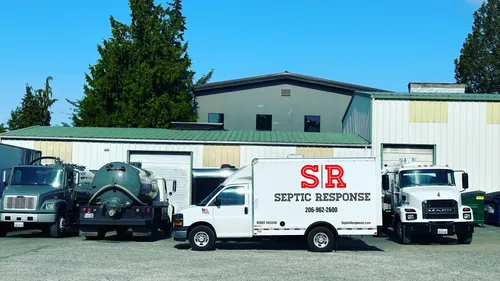
Septic Response
672 7th Ave, Kirkland, WA 98033
Septic Response is a septic tank service provider based in Seattle, WA, offering a wide range of services including septic tank pumping, inspection, repair, installation, and drain field replacement. They serve King County, Snohomish County, and Pierce County with expertise in maintaining both traditional and advanced septic systems. Their capabilities include inlet pipe cleaning using jetting technology and comprehensive septic system maintenance tailored to local soil and environmental conditions. The company emphasizes preventative maintenance and environmental compliance to extend system lifespan. Septic Response operates 24/7 to support urgent septic needs.
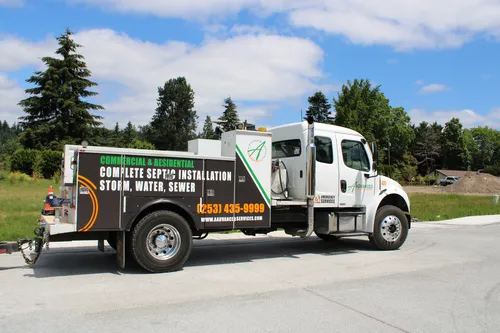
A Advanced Septic & Construction Services
1602 W Valley Hwy S, Auburn, WA 98001
A Advanced Septic & Construction Services is a family-owned business serving Tacoma, WA, and surrounding areas including Auburn, Puyallup, Bonney Lake, and Sumner. Established in 2006, they offer comprehensive septic services such as septic tank pumping, inspection, repair, installation, and drain field restoration. Their team also provides electrical and construction services related to septic systems. Known for handling emergency situations, they offer 24-hour emergency response to address urgent septic needs. The company combines modern equipment with experienced technicians to maintain and repair septic systems efficiently.
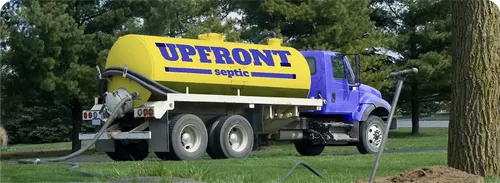
Upfront Septic & Plumbing
2367 Tacoma Ave S Suite 201, Tacoma, WA 98402
Upfront Septic & Plumbing is a septic service provider located in Tacoma, WA, serving King and Pierce County. They offer septic tank pumping, inspection, repair, and installation services for various septic systems including aerobic and anaerobic tanks made of concrete, metal, fiberglass, or plastic. The company also handles drain field repairs and provides emergency septic services available 24/7. Founded by a local resident, Upfront Septic & Plumbing emphasizes transparent pricing and straightforward service to address septic system needs efficiently.
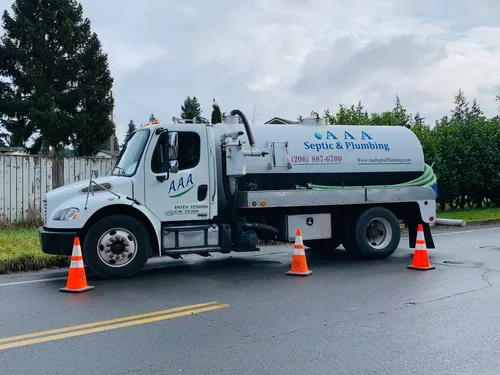
AAA Septic & Plumbing LLC.
32228 116th Ave SE, Auburn, WA 98092
AAA Septic & Plumbing LLC. is a family-owned business serving Tacoma, WA, and surrounding counties including King, Pierce, Snohomish, and Thurston. They provide a full range of septic services such as septic tank pumping, system installation and repair, drainfield repair, and sewer line services. The company is licensed and certified, offering specialized capabilities like septic pump control panel troubleshooting and sewer scope inspections. With years of trusted experience, AAA Septic & Plumbing LLC. operates with a commitment to customer satisfaction and offers 24-hour emergency response for septic and plumbing issues.
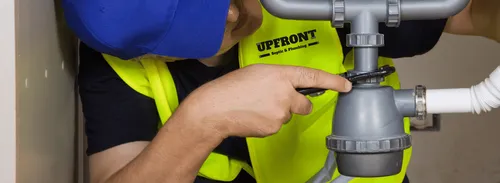
Upfront Septic & Plumbing
600 1st Ave UNIT 516, Seattle, WA 98104
Upfront Septic & Plumbing is a septic service provider based in Seattle, WA, serving King and Pierce Counties. They offer septic tank pumping, inspection, repair, and installation services for various septic systems including aerobic and anaerobic tanks made of concrete, metal, fiberglass, or plastic. The company also handles drain field repair and provides emergency septic services available 24/7. Founded by David White, Upfront Septic aims to provide transparent pricing and straightforward service to local customers.
Understanding Your Drain Field and Local Regulations
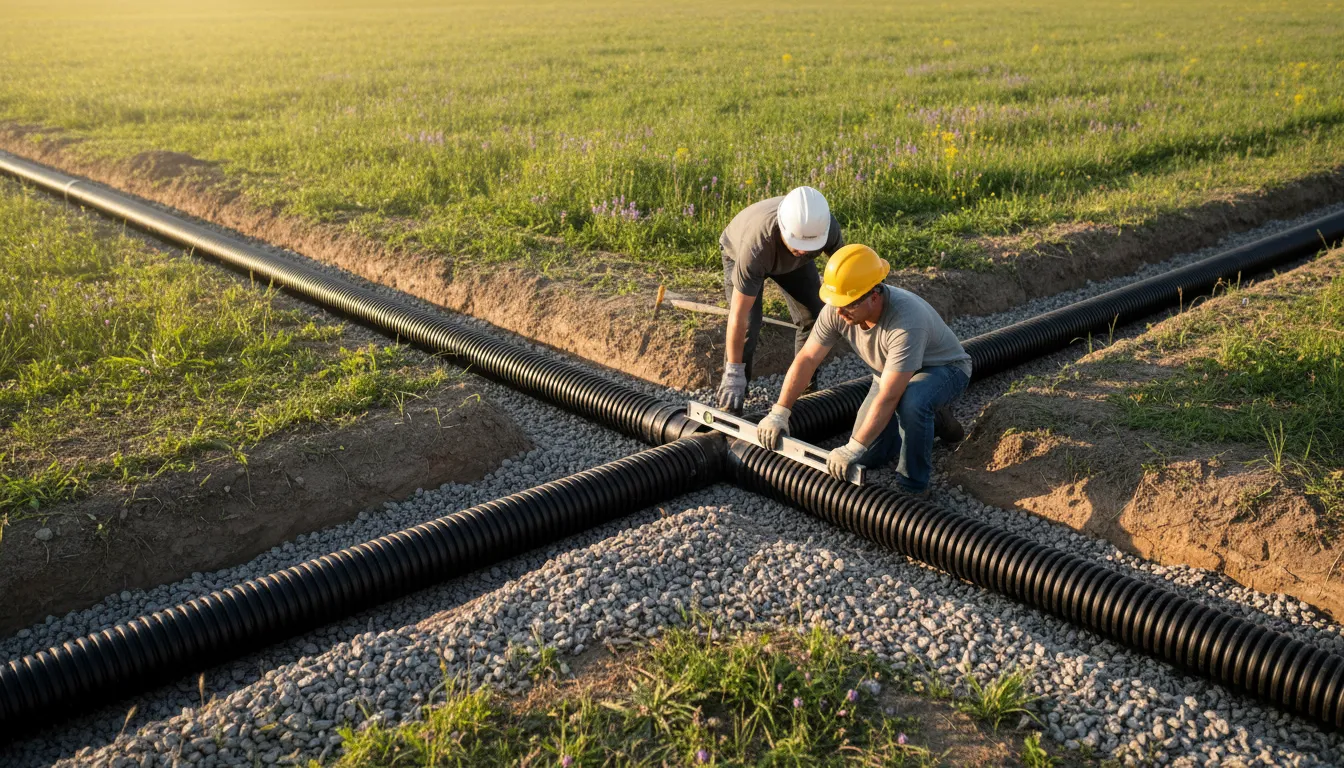
Your septic system's drain field, also known as a leach field or absorption area, is the final stage of wastewater treatment. After solids settle in the tank, liquid effluent flows into a network of perforated pipes buried in trenches filled with gravel. This effluent slowly percolates through the soil, where natural processes remove harmful bacteria and nutrients before the water rejoins the groundwater 1.
In Federal Way, all septic system work falls under the jurisdiction of the King County Board of Health. A critical first step is understanding that a sewage system repair or replacement permit is required before any work begins. This isn't just a formality; it's a legal requirement designed to protect public health and the environment. The permit process ensures that any new or repaired system component meets current safety and engineering standards.
What Constitutes a "Failure" Requiring Repair?
Knowing when your drain field needs attention is crucial. According to guidelines, a system is considered failing if there is surfacing sewage, persistently sluggish household drains, or if system components no longer meet current health codes. In practice, common signs of drain field failure in Federal Way include:
- Soggy or mushy spots and/or foul odors in the yard above the drain field area.
- Sewage backing up into household drains or toilets.
- Unusually green, lush grass over the drain field, especially during dry weather.
- Standing water in the observation ports, which are vertical pipes installed for monitoring the drain field 2.
If you notice any of these signs, it's time for a professional inspection. All diagnostic and repair work must be performed by a King County certified installer or pumper3 4.
The Inspection and Diagnosis Process
Before any repair or replacement can be planned, a thorough inspection is necessary to pinpoint the problem. A certified professional will typically follow a process like this:
- Locate System Components: The technician will first locate the septic tank and drain field using any available "as-built" records from the property files or county. If records are lost, they may need to physically probe the yard.
- Inspect the Tank: The septic tank is inspected for structural issues like broken baffles and to measure sludge and scum levels. If the sludge layer is more than 6 inches thick, pumping will be required before further diagnosis 5.
- Evaluate the Drain Field: This is the core of the inspection. The technician will check observation ports for standing water, which indicates the soil is saturated and not absorbing effluent. They will also probe the soil in the drain field area for ponding and inspect for any surfacing effluent 6.
- File a Report: In many cases, especially if a failure is confirmed, the inspection results must be submitted to Public Health - Seattle & King County as part of the permit application for repairs.
This inspection itself typically costs between $400 and $900 in the Federal Way area 7.
Common Soil and Site Challenges in Federal Way
The success of a drain field depends entirely on the soil's ability to absorb and treat wastewater. Federal Way's geography presents specific challenges that influence system design and repair options:
- Soil Type: The area commonly has soils with high clay content or seasonal high water tables. These conditions have slow permeability, meaning they don't absorb water quickly 8. A standard trench system may not work, requiring alternative designs.
- Advanced Treatment Systems: For sites with poor soil, regulations may require an advanced treatment system (also called an aerobic treatment unit or ATU) that provides additional wastewater treatment before the effluent reaches the drain field.
- Mound Systems: A frequent solution for challenging sites is a mound system. Here, a bed of suitable sand is built above the natural soil, and the drain field is constructed within this mound. This raises the absorption area above limiting layers like clay or high groundwater.
- Setbacks and Reserve Area: King County enforces strict setbacks, requiring drain fields to be a minimum distance from buildings, property lines, wells, and surface water like streams or lakes 9 10. Furthermore, regulations require that a 100% reserve drain field area be set aside on your property. This is a designated space for a completely new drain field system if your current one fails permanently 11 12.
Find the perfect drain field repair companies for your needs
Get personalized recommendations and expert advice
Repair vs. Full Replacement: Options and Costs
The solution for your failing system depends on the extent of the damage. Costs can vary widely based on the solution required.
Minor Repairs ($1,500 - $5,000): Not all drain field issues require a full rebuild. Sometimes, the problem is isolated, such as:
- A crushed or clogged distribution pipe.
- A malfunctioning distribution box that isn't sending effluent evenly to all trenches.
- Surface water from roof drains or landscaping diverting into the drain field area.
- Biomat buildup (a thick layer that forms at the soil interface) that can sometimes be remediated with specific treatments.
If the soil itself is still viable, repairing the specific faulty component can restore function.
Full Drain Field Replacement ($25,000 - $50,000+): When the soil in the absorption area is completely saturated and clogged-a condition called "hydraulic failure"-repair is not possible. The entire drain field must be replaced. This is a major construction project that involves:
- Securing the required county permits and a design from a certified septic designer.
- Excavating the old, failed drain field (or abandoning it in place).
- Constructing a new drain field in the designated reserve area, which may involve importing sand for a mound system or installing an advanced treatment unit.
- All work being performed by a King County certified installer 13.
This high cost underscores the importance of regular maintenance to extend your system's life.
The Permit and Design Process for Replacement
Replacing a drain field is a regulated construction project. Here's what the process generally entails:
- Hire a Certified Designer: You must work with a septic system designer certified by the Washington State Department of Health. They will evaluate your site's soil, topography, and water table.
- Prepare the Application Package: The designer prepares a detailed site plan, an as-built drawing of the existing system, and the engineering design for the new system. This package is submitted to Public Health - Seattle & King County for review.
- County Review and Permit Issuance: The county reviews the plans to ensure they meet all current codes regarding setbacks, sizing, soil suitability, and the inclusion of a reserve area. Only after the permit is issued can construction begin.
- Construction and Inspection: A certified installer performs the work. The county will conduct inspections at critical stages, such as after the trenches are dug but before the pipes are laid, and a final inspection upon completion.
Financial Assistance for Septic Repairs
Recognizing the significant financial burden of a major septic repair, assistance is available for qualifying homeowners. Organizations like Craft3 offer low-interest loans specifically for septic system repair and replacement projects 14. These programs can make essential repairs more accessible, protecting both your property value and the local environment.
Maintaining Your New or Repaired System
Once your drain field is repaired or replaced, proper maintenance is key to a long lifespan.
- Pump Regularly: Have your septic tank pumped every 3-5 years by a licensed pumper to prevent solids from escaping into the drain field.
- Conserve Water: Use water-efficient fixtures and spread out laundry loads to avoid hydraulically overloading the system.
- Mind What You Flush: Only human waste and toilet paper should go down the drain. Avoid chemicals, grease, wipes, and other non-biodegradables.
- Protect the Area: Never drive or park vehicles over the drain field, and keep root-heavy trees and shrubs away from the absorption area.
Frequently asked questions
Sources
Footnotes
-
Residential Onsite Wastewater Treatment: Septic Tank Design and Installation - https://extensionpubs.unl.edu/publication/219/html/view ↩
-
Alternating Drainfields - Washington State Department of Health - https://doh.wa.gov/sites/default/files/legacy/Documents/Pubs/337-002.pdf ↩
-
Legal Notice - On-Site Sewage Systems Ordinance - Parke County Sentinel - https://www.parkecountysentinel.com/2024/04/24/legal-notice-on-site-sewage-systems-ordinance/ ↩
-
San Juan County Health & Community Services - https://www.sanjuancountywa.gov/DocumentCenter/View/20169/OSS-Program--Plan-Appendix-A- ↩
-
Do-It-Yourself Septic System Inspection Field Guide - https://doh.wa.gov/sites/default/files/legacy/Documents/Pubs//337-122.pdf ↩
-
Maintaining Your Septic System - https://www.clallamcountywa.gov/506/Maintaining-Your-Septic-System ↩
-
How Septic System Rating Affects Home Value In Seattle Area - https://www.themadronagroup.com/how-septic-system-rating-affects-home-value-in-seattle/ ↩
-
Septic vs Sewer: Understanding Your Wastewater System - https://johnsewer.com/septic-vs-sewer/ ↩
-
Septic Tank Plans: A Complete Homeowner's Guide - https://landperc.com/septic-tank-plans-guide/ ↩
-
City of Malibu, CA: REGULATION OF ONSITE WASTEWATER TREATMENT SYSTEMS - https://ecode360.com/44335905 ↩
-
On-site sewage/septic repair or replacement - King County - https://kingcounty.gov/en/dept/dph/health-safety/environmental-health/on-site-sewage-systems/applications-permits/repair-replacement ↩
-
WA Septic System Rules Buyers Need to Know (2025-2026 ... - https://www.lanifisherhomesblogs.com/blog/wa-septic-system-rules-buyers-need-to-know-20252026-guide ↩
-
Home Fails Septic Inspection in Washington: A Recovery Guide - https://davissepticdesign.com/home-fails-septic-inspection-in-washington-a-recovery-guide/ ↩
-
Septic system inspection requirements in Pierce County WA - https://www.thenewstribune.com/news/local/community/gateway/g-news/article290631874.html ↩