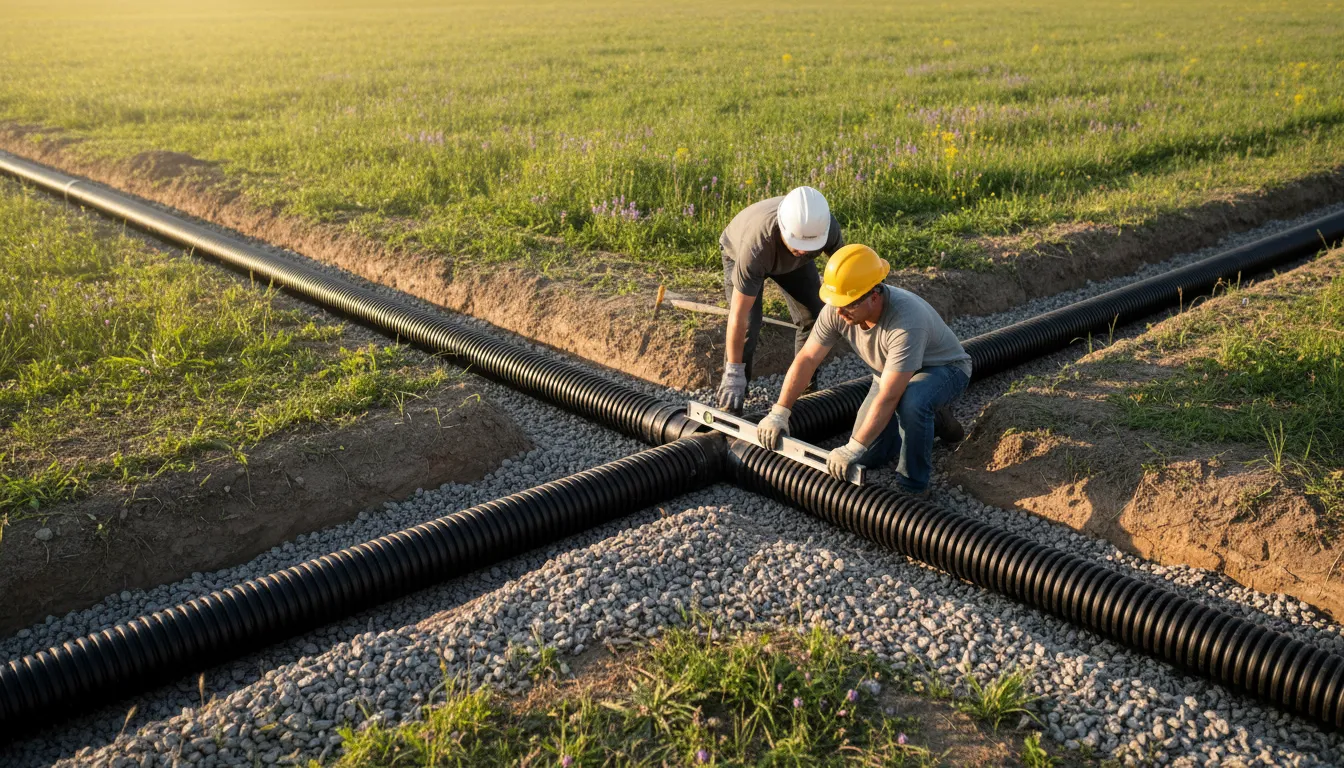
Find the Best Drain Field Repair Companies for Your Business
No obligation • Fast responses • Nationwide coverage

Why you can trust Septic Spot
Septic Spot is a leading United States resource for understanding and comparing septic services. Our editors review providers using consistent criteria and verify key business details. Listings and scores are independent, and companies cannot pay to influence our content.
Search providers near you
Top Drain Field Repair Companies in Olympia, Washington Ranked
A failing septic system drain field can be a homeowner's worst nightmare, leading to sewage backups, soggy lawns, and significant environmental concerns. In Olympia, managing a septic system, particularly its crucial absorption area, is governed by specific county and state regulations designed to protect both public health and the region's delicate watersheds. This guide provides essential information on the process, costs, and local requirements for drain field repair and replacement, helping you navigate finding qualified professionals and understanding the necessary steps to restore your system's function.
Upfront Septic & Plumbing
2367 Tacoma Ave S Suite 201, Tacoma, WA 98402
Upfront Septic & Plumbing is a septic service provider located in Tacoma, WA, serving King and Pierce County. They offer septic tank pumping, inspection, repair, and installation services for various septic systems including aerobic and anaerobic tanks made of concrete, metal, fiberglass, or plastic. The company also handles drain field repairs and provides emergency septic services available 24/7. Founded by a local resident, Upfront Septic & Plumbing emphasizes transparent pricing and straightforward service to address septic system needs efficiently.
Bumblebee Services Inc.
9600 Canyon Rd E, Puyallup, WA 98371
Bumblebee Services Inc. is a septic and drain cleaning company based in Tacoma, WA. They provide a variety of septic services including pumping, inspections, repairs, installations, and troubleshooting. Their expertise includes hydro jetting to address blockages and clogs effectively. The company also offers site restoration services such as landscaping and grading to improve property appearance and safety. Bumblebee Services Inc. emphasizes a community-focused approach and maintains a small business atmosphere.
Alpha Bravo Septic And Drainage, Inc
Tacoma, WA 98405
Alpha Bravo Septic And Drainage, Inc is a septic tank and drainage service provider based in Tacoma, WA. They offer a range of services including septic tank pumping, inspection, repair, installation, and drain field repair or replacement. With nearly 15 years of experience, they handle residential and commercial septic and drainage systems, using specialized tools for inspections and repairs. Their capabilities include camera scoping, drain field jetting, and septic troubleshooting. Alpha Bravo serves a wide area including King and Pierce Counties, covering many local communities.
Understanding Your Septic System's Drain Field
Often called a leach field or soil absorption system, the drain field is the final stage of onsite wastewater treatment. After solids settle in the septic tank, liquid effluent flows into a network of perforated pipes buried in trenches filled with gravel. This effluent slowly percolates through the soil, where natural processes filter and treat it before it rejoins the groundwater. When this area fails, it means the soil can no longer absorb the liquid, causing the system to back up. Common signs of failure include sewage odors, persistently wet or spongy ground over the field, and unusually lush grass growth in the area, even during dry periods.
Thurston County Regulations and the Permitting Process
Any significant repair or full replacement of a septic drain field in Olympia requires a permit from Thurston County Public Health and Social Services 1. The process begins with a professional evaluation, typically following a failed system inspection. Washington State mandates regular inspections: conventional gravity systems must be inspected every three years, while more complex systems (like pressure-dosed or alternative systems) require an annual inspection2. If an inspection reveals a failure, a licensed septic professional must assess the site to determine the appropriate repair design or replacement system.
The professional will then file the necessary permit application, which includes a "record drawing" (formerly known as an as-built) of the proposed installation. A critical county rule is that inspection is required before covering any repair or new installation, unless specifically waived by the health inspector3. Once the work passes final inspection, the county issues an Operational Certificate for the system4.
Key Factors Influencing Drain Field Work in Olympia
Several local environmental and regulatory factors directly impact drain field projects in the Olympia area.
- Soil and Water Table: Olympia's climate and geology present unique challenges. High seasonal water tables and heavy clay soils are common, which can severely limit drainage and are a frequent cause of system failure. These conditions often necessitate engineered solutions, such as raised mound systems or advanced treatment units, to ensure proper effluent treatment.
- Buffer Zones and Setbacks: Strict rules protect water resources. New or replacement systems generally must be at least 100 feet from any water source, including wells, with even stricter requirements in shoreline areas 5. These setbacks can limit where a replacement field can be placed on your property.
- Replacement Area: Thurston County requires that a designated area for a future replacement system be identified and protected on your property. This area must be kept clear of structures, driveways, and heavy vehicles to ensure it remains viable if your current drain field eventually fails.
Costs and Financial Assistance for Repairs
Drain field work is a substantial investment. The cost spectrum is wide, depending on the extent of the failure, soil conditions, and the type of system required.
- Inspection Fees: A professional inspection to diagnose a problem typically costs between $300 and $900, with the higher end applying if exploratory digging is needed6.
- Repair vs. Replacement Costs: Major repairs to an existing drain field can range from $3,000 to $7,0007. A full drain field replacement, however, is significantly more expensive, often costing between $10,000 and $25,000 or more8 9. The final price is influenced by system size, design complexity, and site accessibility.
- Financial Assistance: Recognizing the burden, there are resources available. Organizations like Craft3 offer special loans for septic system repairs and replacements. Furthermore, homeowners can attend training to become certified to perform their own system inspections, which can lead to long-term cost savings on routine monitoring.
Find the perfect drain field repair companies for your needs
Get personalized recommendations and expert advice
Maintaining Your System to Avoid Failure
Proactive maintenance is the most cost-effective strategy to extend the life of your drain field. Key practices include:
- Regular Pumping: Have your septic tank pumped every 3 to 5 years by a licensed pumper to prevent solids from escaping into and clogging the drain field.
- Conserve Water: Reducing overall water use lessens the hydraulic load on the field. Spread out laundry loads, fix leaky fixtures, and consider installing water-efficient appliances.
- Protect the Area: Never drive or park vehicles, or place heavy structures like sheds or patios, over the drain field or its designated replacement area. The weight can crush pipes and compact the soil10 11.
- Divert Water: Ensure roof gutters, sump pumps, and surface runoff are directed away from the drain field to prevent saturation.
Choosing a Professional for Your Project
Selecting the right contractor is critical. Look for a professional licensed by the Washington State Department of Labor & Industries for septic system work. They should be intimately familiar with Thurston County's specific health department requirements and the local soil conditions. Ask for references from recent projects in the area and verify they will handle the entire permitting and inspection coordination process. A reputable provider will conduct a thorough site evaluation, explain all design options, and provide a detailed, written estimate.
The Environmental Impact in the Puget Sound Region
Properly functioning septic systems are vital for protecting the environmental health of the Puget Sound watershed, including Budd Inlet and Capitol Lake. A failing drain field releases untreated pathogens and nutrients (like nitrogen and phosphorus) directly into groundwater and nearby surface waters. This can lead to shellfish bed closures, algal blooms, and degradation of aquatic habitats. Following regulations and investing in proper repair isn't just about fixing your yard-it's a contribution to preserving the natural beauty and ecological balance of the Olympia region.
Frequently asked questions
Sources
Footnotes
-
Septic, Sewer, Water & Well Information & Regulations - https://www.thurstoncountywa.gov/departments/community-planning-and-economic-development/permitting/building-development-codes/septic-sewer-water-well-information-regulations ↩
-
Do-It-Yourself Septic System Inspection Field Guide - https://doh.wa.gov/sites/default/files/legacy/Documents/Pubs//337-122.pdf ↩
-
Septic Inspection and How It Works | Buying a Home in Olympia WA - https://www.youtube.com/watch?v=ZvdpLybXV3c ↩
-
Caring for Your Septic System | Washington State Department ... - https://doh.wa.gov/community-and-environment/wastewater-management/septic-system/caring-your-system ↩
-
Chapter 4 Onsite Sewage Systems - Olympia - General Code - https://www.codepublishing.com/WA/Olympia/wm/OlympiaWM04.html ↩
-
Do You Need a Septic Inspection Before Selling Your House in King County WA? | Septic Inspectors - https://pugetsoundseptic.com/system-inspection/do-i-need-a-home-sale-inspection/ ↩
-
Nisqually Reach Watershed Protection Area Onsite Sewage System ... - https://s3.us-west-2.amazonaws.com/thurstoncountywa.gov.if-us-west-2/s3fs-public/2023-08/NRWPA%20Report%202013-2023%20FINAL.pdf ↩
-
WA Septic System Rules Buyers Need to Know (2025-2026 ... - https://www.lanifisherhomesblogs.com/blog/wa-septic-system-rules-buyers-need-to-know-20252026-guide ↩
-
Understanding the Cost of Installing a Septic System in Washington ... - https://www.caringrealestate.com/blog/understanding-the-cost-of-installing-a-septic-system-in-washington-state/ ↩
-
Care & Maintenance of Your Septic System | Thurston County - https://www.thurstoncountywa.gov/departments/public-health-and-social-services/environmental-health/septic-systems/care-maintenance-your-septic-system ↩
-
REPAIR PERMIT FOR A SEPTIC SYSTEM PROCEDURE ... - https://www.washingtoncountyor.gov/hhs/documents/repair-permit-pack/download?inline ↩