Find the Best Drain Field Repair Companies for Your Business
No obligation • Fast responses • Nationwide coverage

Why you can trust Septic Spot
Septic Spot is a leading United States resource for understanding and comparing septic services. Our editors review providers using consistent criteria and verify key business details. Listings and scores are independent, and companies cannot pay to influence our content.
Search providers near you
Top Drain Field Repair Companies in Puyallup, Washington Ranked
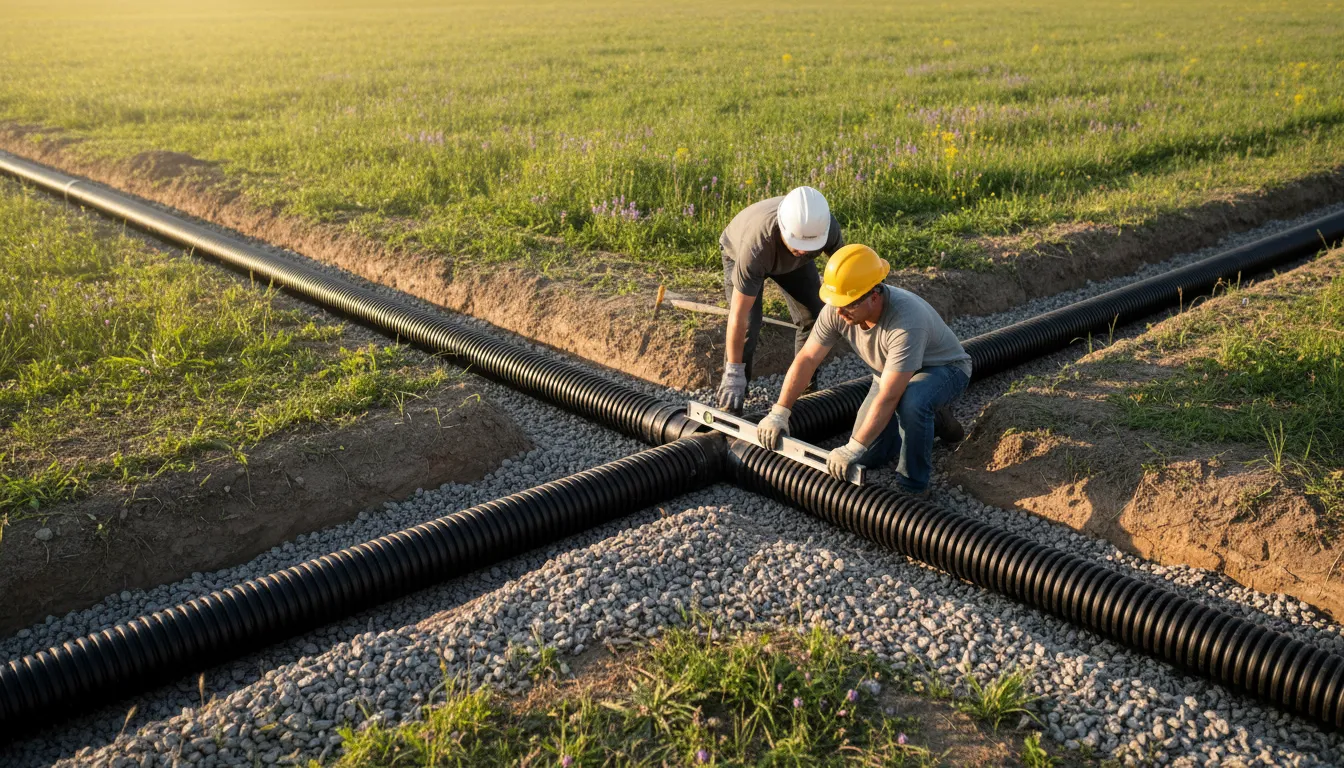
A failing septic drain field, also known as a leach field or absorption area, is a serious issue that can lead to sewage backups, soggy yards, and environmental contamination. In Puyallup, addressing these problems requires navigating specific local regulations and working with certified professionals. This guide provides essential information on the process, costs, and regulations for septic system repair and replacement in the area, helping you understand your options and connect with qualified local experts.
A Advanced Septic & Construction Services
1602 W Valley Hwy S, Auburn, WA 98001
A Advanced Septic & Construction Services is a family-owned business serving Tacoma, WA, and surrounding areas including Auburn, Puyallup, Bonney Lake, and Sumner. Established in 2006, they offer comprehensive septic services such as septic tank pumping, inspection, repair, installation, and drain field restoration. Their team also provides electrical and construction services related to septic systems. Known for handling emergency situations, they offer 24-hour emergency response to address urgent septic needs. The company combines modern equipment with experienced technicians to maintain and repair septic systems efficiently.
Upfront Septic & Plumbing
2367 Tacoma Ave S Suite 201, Tacoma, WA 98402
Upfront Septic & Plumbing is a septic service provider located in Tacoma, WA, serving King and Pierce County. They offer septic tank pumping, inspection, repair, and installation services for various septic systems including aerobic and anaerobic tanks made of concrete, metal, fiberglass, or plastic. The company also handles drain field repairs and provides emergency septic services available 24/7. Founded by a local resident, Upfront Septic & Plumbing emphasizes transparent pricing and straightforward service to address septic system needs efficiently.
AAA Septic & Plumbing LLC.
32228 116th Ave SE, Auburn, WA 98092
AAA Septic & Plumbing LLC. is a family-owned business serving Tacoma, WA, and surrounding counties including King, Pierce, Snohomish, and Thurston. They provide a full range of septic services such as septic tank pumping, system installation and repair, drainfield repair, and sewer line services. The company is licensed and certified, offering specialized capabilities like septic pump control panel troubleshooting and sewer scope inspections. With years of trusted experience, AAA Septic & Plumbing LLC. operates with a commitment to customer satisfaction and offers 24-hour emergency response for septic and plumbing issues.
Upfront Septic & Plumbing
600 1st Ave UNIT 516, Seattle, WA 98104
Upfront Septic & Plumbing is a septic service provider based in Seattle, WA, serving King and Pierce Counties. They offer septic tank pumping, inspection, repair, and installation services for various septic systems including aerobic and anaerobic tanks made of concrete, metal, fiberglass, or plastic. The company also handles drain field repair and provides emergency septic services available 24/7. Founded by David White, Upfront Septic aims to provide transparent pricing and straightforward service to local customers.
Bumblebee Services Inc.
9600 Canyon Rd E, Puyallup, WA 98371
Bumblebee Services Inc. is a septic and drain cleaning company based in Tacoma, WA. They provide a variety of septic services including pumping, inspections, repairs, installations, and troubleshooting. Their expertise includes hydro jetting to address blockages and clogs effectively. The company also offers site restoration services such as landscaping and grading to improve property appearance and safety. Bumblebee Services Inc. emphasizes a community-focused approach and maintains a small business atmosphere.
Understanding Your Septic Drain Field
The drain field is the final and most critical component of a septic system. After solids settle in the tank, liquid effluent flows into a network of perforated pipes buried in trenches filled with gravel. This effluent slowly percolates into the soil, where natural processes filter and purify it before it rejoins the groundwater. When this area fails, it's often due to a clogged biomat (a layer that forms at the soil interface), compacted soil, or system age. In Puyallup's varied landscape, factors like soil composition and high water tables play a significant role in system performance and longevity.
Puyallup and Pierce County Regulations You Must Know
All major work on a septic system in Puyallup is regulated by the Tacoma-Pierce County Health Department (TPCHD). It is illegal to begin any repair or replacement without the proper permits.
- Permit Requirements: Any work beyond minor maintenance, especially involving the drain field lines or soil absorption system, requires a permit from TPCHD. Repairs are categorized as either minor (e.g., tank lid replacement) or major (involving the drain field).
- Certified Professionals: Major repairs and full replacements must be designed by a licensed septic designer and installed by a licensed installer. You cannot hire a general contractor for this specialized work.
- Consequences of Non-Compliance: If your system is found to be failing and you do not address it after official notification, the Health Department can place a certificate of non-compliance on your property title. As reported, removing this certificate incurred a fee of $841 as of late 2024 1 2. This can also complicate or prevent the sale of your home.
Key Factors Influencing Repair or Replacement
The solution for your failing leach field depends heavily on your specific property conditions, which a professional will evaluate.
- Soil Type and Percolation Rate: Ideal soils, like sandy loam, allow for efficient effluent absorption. Clay-heavy or rocky soils common in parts of Pierce County may not percolate properly, often necessitating a more expensive engineered system, such as a mound system 3.
- High Water Table: Washington State Department of Health (DOH) regulations require a specific vertical separation between the bottom of the drain field and the seasonal high water table. If the water table is too high, a standard gravity-fed field may not be viable.
- Site Setbacks and Reserve Area: Strict rules govern how close a drain field can be to wells, property lines, wetlands, streams, and buildings. Furthermore, a designated "reserve area" must be available on your property for a full replacement field. This area must be legally protected and cannot be built upon or driven over 4.
The Step-by-Step Process for Drain Field Work
Navigating a major septic system project involves a multi-step process that can take from several weeks to a few months.
- Initial Inspection and Diagnosis: The process begins with a thorough inspection by a certified Operation and Maintenance (O&M) specialist. They will locate all system components, check the tank's baffles and sludge levels, and assess the drain field for signs of failure, such as surfacing effluent or soggy ground.
- Professional Design and Proposal: If a drain field issue is confirmed, you must hire a licensed septic designer. They will evaluate your soil, topography, and water table, then design a repair or replacement system that meets all TPCHD and WA DOH standards 5.
- Permitting: Your designer or installer will submit the repair application and design plans to the Tacoma-Pierce County Health Department for review and permit issuance. Do not proceed without this permit 6.
- Installation/Repair Work: A licensed installer will execute the approved plan. For a full replacement, this involves excavating the old field (if necessary) and constructing the new one, which may include adding new gravel, distribution pipes, and specialized sand or textile materials for engineered systems.
- Final Inspection: Before the new drain field is covered with soil, a "pre-cover" inspection by a Health Department inspector is mandatory. This ensures the installation matches the permitted design 7.
Find the perfect drain field repair companies for your needs
Get personalized recommendations and expert advice
Cost Expectations for Drain Field Solutions
Costs in Puyallup vary dramatically based on the scope of work and site-specific challenges. Always get multiple detailed quotes from licensed professionals.
- Minor Repairs: Addressing issues not directly in the drain field, like replacing a tank baffle or repairing an effluent filter, typically ranges from $1,500 to $5,000.
- Partial Drain Field Repair: If only a section of the leach field is failing, a "curative repair" might be possible, though costs can still be significant.
- Full Drain Field Replacement: This is the most expensive option. For a conventional gravity system, costs often start around $7,000 to $15,000. However, for properties requiring an engineered mound system due to poor soil or a high water table, costs can easily range from $20,000 to over $50,000 8 9 10.
Ongoing Maintenance to Prevent Future Failure
Proper care can extend the life of your new or repaired absorption area.
- Regular Inspections and Pumping: Washington State mandates regular inspections based on your system type. Gravity systems must be inspected every three years, while pressure-dosed or other complex systems require annual inspections 11. Pumping the tank every 3-5 years (as needed) is crucial to prevent solids from clogging the drain field.
- DIY Inspection Option: For standard gravity systems, homeowners in Pierce County can take a TPCHD-approved training course to perform their own basic inspections, though many still prefer to hire a professional 12.
- Protect Your Drain Field: Never drive or park vehicles over the area. Do not plant trees or deep-rooted shrubs within 30 feet, as roots can clog pipes. Ensure roof downspouts and surface runoff are directed away from the field to avoid saturation 13 14.
- Mind Your Water Use: Spread out laundry loads and fix leaking faucets or toilets promptly. Excessive water flow is a common cause of drain field failure.
Frequently asked questions
Sources
Footnotes
-
Septic system inspection requirements in Pierce County WA - https://www.thenewstribune.com/news/local/community/gateway/g-news/article290631874.html ↩
-
COMMERCIAL - TENANT IMPROVEMENT/REMODEL - https://permits.puyallupwa.gov/Portal/Permit/GetFile/138599 ↩
-
Key Elements To Consider In Septic System Design - https://allsepticandsewer.com/key-elements-to-consider-in-septic-system-design/ ↩
-
REPAIR PERMIT FOR A SEPTIC SYSTEM PROCEDURE & CRITERIA - https://www.washingtoncountyor.gov/hhs/documents/repair-procedure-and-criteria/download?inline ↩
-
Septic System Design Process in Washington State - https://streepysepticdesign.com/blog/the-complete-septic-system-design-process-in-washington-state-what-you-need-to-know/ ↩
-
REPAIR PERMIT FOR A SEPTIC SYSTEM PROCEDURE ... - https://www.washingtoncountyor.gov/hhs/documents/repair-permit-pack/download?inline ↩
-
WA Septic System Rules Buyers Need to Know (2025-2026 Guide) - https://www.lanifisherhomesblogs.com/blog/wa-septic-system-rules-buyers-need-to-know-20252026-guide ↩
-
Home Fails Septic Inspection in Washington: A Recovery Guide - https://davissepticdesign.com/home-fails-septic-inspection-in-washington-a-recovery-guide/ ↩
-
Frequently Asked Questions - Tacoma-Pierce County Health ... - https://tpchd.org/homes/septic-systems/operation-and-maintenance/faq/ ↩
-
Cost to Replace Septic Tank and Drain Field [2026 Data] | Angi - https://www.angi.com/articles/how-much-new-drain-fields-foot.htm ↩
-
Caring for Your Septic System | Washington State Department of ... - https://doh.wa.gov/community-and-environment/wastewater-management/septic-system/caring-your-system ↩
-
Do-It-Yourself Septic System Inspection Field Guide - https://doh.wa.gov/sites/default/files/legacy/Documents/Pubs//337-122.pdf ↩
-
Drainfield Care - Large On-site Sewage System Fact Sheet - https://doh.wa.gov/sites/default/files/legacy/Documents/Pubs/337-150.pdf ↩
-
On-Site Septic System Operation & Maintenance - https://www.granthealth.org/270/On-Site-Septic-System-Operation-Maintena ↩