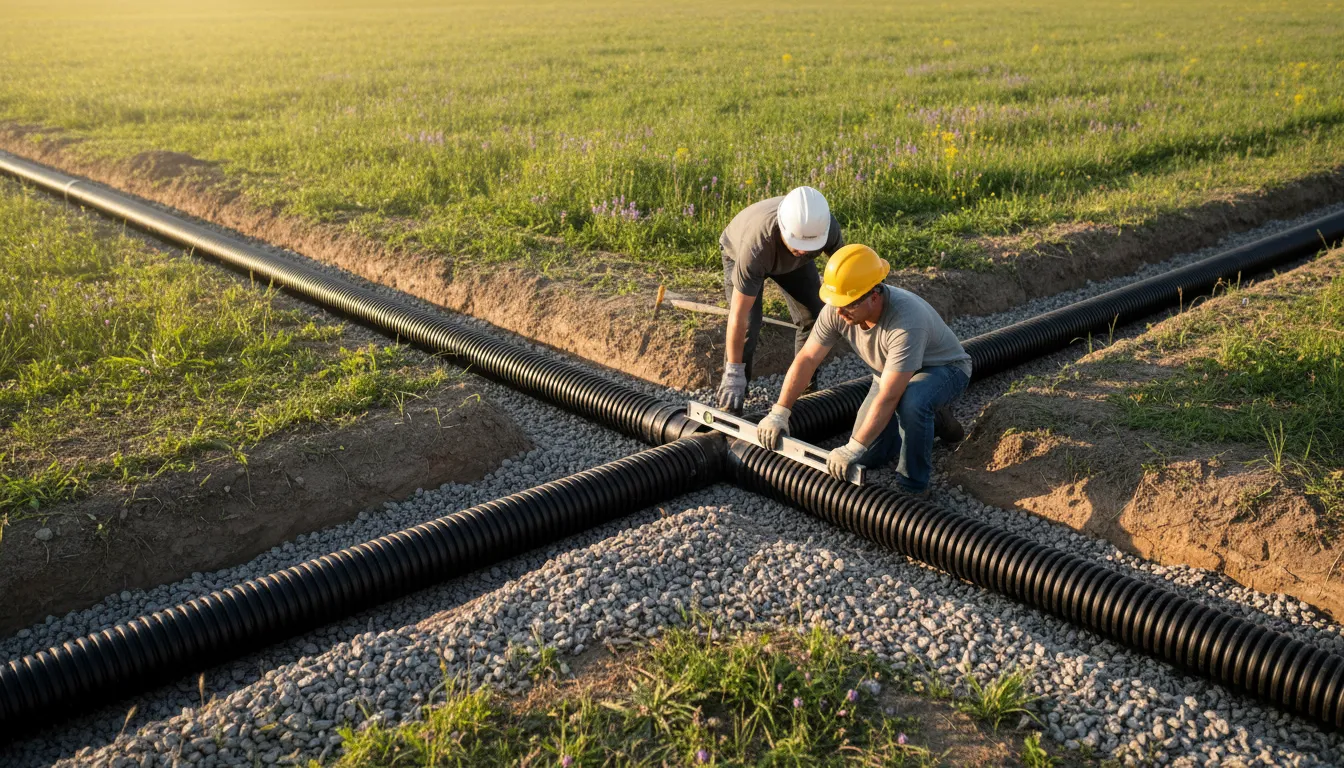
Find the Best Drain Field Repair Companies for Your Business
No obligation • Fast responses • Nationwide coverage

Why you can trust Septic Spot
Septic Spot is a leading United States resource for understanding and comparing septic services. Our editors review providers using consistent criteria and verify key business details. Listings and scores are independent, and companies cannot pay to influence our content.
Search providers near you
Top Drain Field Repair Companies in Redmond, Washington Ranked
A properly functioning drain field is the unsung hero of your septic system, safely dispersing treated wastewater into the soil. When this critical component fails, it can lead to sewage backups, soggy yards, and serious environmental and health risks. In Redmond, managing a septic system comes with specific local regulations and environmental considerations. This guide explains the essentials of drain field repair and replacement, helping you understand the process, costs, and how to connect with certified local professionals who can assess and address your system's needs.
Septic Response
672 7th Ave, Kirkland, WA 98033
Septic Response is a septic tank service provider based in Seattle, WA, offering a wide range of services including septic tank pumping, inspection, repair, installation, and drain field replacement. They serve King County, Snohomish County, and Pierce County with expertise in maintaining both traditional and advanced septic systems. Their capabilities include inlet pipe cleaning using jetting technology and comprehensive septic system maintenance tailored to local soil and environmental conditions. The company emphasizes preventative maintenance and environmental compliance to extend system lifespan. Septic Response operates 24/7 to support urgent septic needs.
A Advanced Septic & Construction Services
1602 W Valley Hwy S, Auburn, WA 98001
A Advanced Septic & Construction Services is a family-owned business serving Tacoma, WA, and surrounding areas including Auburn, Puyallup, Bonney Lake, and Sumner. Established in 2006, they offer comprehensive septic services such as septic tank pumping, inspection, repair, installation, and drain field restoration. Their team also provides electrical and construction services related to septic systems. Known for handling emergency situations, they offer 24-hour emergency response to address urgent septic needs. The company combines modern equipment with experienced technicians to maintain and repair septic systems efficiently.
AAA Septic & Plumbing LLC.
32228 116th Ave SE, Auburn, WA 98092
AAA Septic & Plumbing LLC. is a family-owned business serving Tacoma, WA, and surrounding counties including King, Pierce, Snohomish, and Thurston. They provide a full range of septic services such as septic tank pumping, system installation and repair, drainfield repair, and sewer line services. The company is licensed and certified, offering specialized capabilities like septic pump control panel troubleshooting and sewer scope inspections. With years of trusted experience, AAA Septic & Plumbing LLC. operates with a commitment to customer satisfaction and offers 24-hour emergency response for septic and plumbing issues.
The Septic Group (Formerly Woodinville Septic Service)
2822 Old Hartford Rd, Lake Stevens, WA 98258
The Septic Group (Formerly Woodinville Septic Service) is a septic service company based in Lake Stevens, serving Everett, WA, and the Greater Seattle area. With 60 years of experience, they provide septic tank pumping, inspection, repair, installation, and drain field replacement services. Their licensed experts conduct thorough system inspections, including mainlines and drainfields, and provide detailed pumping reports and county filings. The team also handles septic pump repair and replacement, offering personalized service throughout installation and maintenance.
Upfront Septic & Plumbing
600 1st Ave UNIT 516, Seattle, WA 98104
Upfront Septic & Plumbing is a septic service provider based in Seattle, WA, serving King and Pierce Counties. They offer septic tank pumping, inspection, repair, and installation services for various septic systems including aerobic and anaerobic tanks made of concrete, metal, fiberglass, or plastic. The company also handles drain field repair and provides emergency septic services available 24/7. Founded by David White, Upfront Septic aims to provide transparent pricing and straightforward service to local customers.
Understanding Your Drain Field in Redmond
Often called a leach field or soil absorption system, the drain field is the final stage of wastewater treatment in a septic system. After solids settle in the tank, liquid effluent flows into a network of perforated pipes buried in trenches filled with gravel. This effluent slowly percolates through the soil, where natural processes remove harmful bacteria, viruses, and nutrients before the water rejoins the groundwater.
In Redmond, the performance of your leach field is heavily influenced by local soil conditions. The ideal scenario involves sandy or gravelly soils that allow for good drainage. However, many areas in and around Redmond have clayey soils, which drain slowly and are a common contributor to system failure over time. Understanding your property's specific soil type is a crucial first step in diagnosing problems and planning any repair or replacement.
Signs Your Drain Field Needs Attention
Catching problems early can mean the difference between a minor repair and a full, costly replacement. Homeowners should be vigilant for these common warning signs of a failing absorption field:
- Wet, Spongy Areas or Surfacing Sewage: The most obvious sign is standing water or soggy ground over the drain field area, especially when it hasn't rained. In severe cases, untreated sewage may bubble up to the surface 1.
- Foul Odors: Persistent sewage smells in your yard or near the drain field indicate that effluent is not properly filtering through the soil.
- Slow Drains and Backups: If drains throughout your home are gurgling or backing up, and your septic tank has recently been pumped, the issue likely lies in the drain field.
- Unusually Green Grass: While a small amount of nutrients can fertilize grass, patches of grass over the drain field that are significantly lusher and greener than the rest of the yard can signal an overload of effluent.
- Failed Inspection: Regular professional inspections are required in King County. An inspection that notes poor drainage, biomat buildup, or hydraulic failure is a definitive sign that action is needed.
The Regulatory Landscape: Permits and Professionals
Any significant work on a septic system in Redmond and King County is strictly regulated. You cannot simply hire any contractor to dig up and replace a drain field. The process is overseen by King County Public Health to protect public health and groundwater quality.
The Permit Process: Before any repair or replacement begins, a certified Master Installer must submit a formal Repair Proposal and Permit application to King County Public Health. This proposal will detail the planned work, which must comply with all county and Washington State Board of Health codes. Often, the design for a new or repaired system must be created by a licensed septic designer or engineer 2 3.
The Role of Certified Professionals: From inspection to installation, you must work with professionals certified by the state. A certified Maintainer can perform inspections and pump your tank. A certified Master Installer is licensed to install, repair, and replace system components 4. Using certified professionals ensures the work is done correctly and will pass the final inspection by the health department, which is required to close the permit.
Inspection: The Critical First Step
When problems are suspected, a professional inspection is not just recommended-it's the necessary foundation for any repair plan. In Washington, inspections are required every three years for conventional gravity systems and annually for more complex systems like pressure distribution or aerobic treatment units (ATUs) 5.
During an inspection, a certified professional will:
- Locate and access the septic tank and distribution box.
- Measure scum and sludge layers to determine if pumping is needed.
- Inspect tank components like baffles and outlets.
- Assess the drain field area for signs of failure, such as surfacing effluent or soggy soil 6.
- File a report with the King County health jurisdiction.
For homeowners with simple gravity systems, King County offers a free training program to certify you to perform your own basic inspection 7. However, for any suspected drain field issues or for real estate transactions, a professional inspection is essential 8.
Find the perfect drain field repair companies for your needs
Get personalized recommendations and expert advice
Repair vs. Replacement: Understanding Your Options
The solution for your failing drain field depends on the extent and cause of the damage. A professional assessment will determine which path is necessary.
Minor Repairs ($200 - $800): Not all problems require a full excavation. Issues like a clogged distribution box, a broken pipe segment, or a small area of soil compaction might be fixed with targeted repairs. These solutions can restore function and extend the life of your existing field.
Major Repairs ($3,000 - $7,000): More extensive issues may require a significant partial repair. This could involve installing a new lateral line, repairing a large section of crushed pipe, or addressing drainage issues in a portion of the field. These are still considered repairs if the overall footprint and function of the original system are largely maintained.
Full Drain Field Replacement ($10,000 - $25,000+): When the entire soil absorption area has failed due to age, chronic overload, or unsuitable soil, a full replacement is often the only permanent solution 9. This is a major project that involves:
- Design & Permitting: A new system design based on a current site evaluation.
- Excavation: Digging up the old, failed leach field.
- Installation: Putting in new trenches, gravel, and piping according to the approved design.
- Utilizing a Reserve Area: King County regulations typically require an approved "reserve area" on your property for the future replacement drain field. This area must be kept clear of structures, deep-rooted plants, and vehicle traffic 10.
Maintaining Your Drain Field to Prevent Failure
The best repair is the one you never have to make. Proactive maintenance can add decades to your drain field's life.
- Pump Regularly: Have your septic tank pumped every 3-5 years by a certified pumper to prevent solids from washing out into the drain field and clogging it 11 12.
- Conserve Water: Spread out laundry loads, fix leaky fixtures, and use water-efficient appliances to avoid hydraulically overloading the system.
- Mind What You Flush: Only human waste and toilet paper should go down the drain. Avoid chemicals, grease, wipes, and feminine hygiene products.
- Protect the Area: Never drive, park, or build structures (like sheds or patios) over your drain field. The weight compacts the soil, and roots can damage pipes 13.
- Landscape Carefully: Plant only grass or shallow-rooted plants over the field. Keep trees and shrubs with deep roots far away 14.
Frequently asked questions
Sources
Footnotes
-
The Importance Of Your Septic System Drainfield Leach Field Repairs: What You Need To Know BioMicrobics | Septic System Drainfield Leach Field Repair - https://biomicrobics.com/articles/importance-septic-system-drainfield-leach-field-repair/ ↩
-
Septic Drainfield Design 101: A Complete Guide - https://landperc.com/septic-drainfield-design-guide/ ↩
-
Puget Sound Septic System Management Programs - https://doh.wa.gov/sites/default/files/legacy/Documents/Pubs//332-166.pdf ↩
-
On-site sewage/septic repair or replacement - King County, Washington - https://kingcounty.gov/en/dept/dph/health-safety/environmental-health/on-site-sewage-systems/applications-permits/repair-replacement ↩
-
proposed rules - WASHINGTON STATE REGISTER - | WA.gov - https://lawfilesext.leg.wa.gov/law/wsr/2005/11/05-11-109.htm ↩
-
Septic & Well - https://jennywetzelhomes.com/septic-well/ ↩
-
Do-It-Yourself Septic System Inspection Field Guide - https://doh.wa.gov/sites/default/files/legacy/Documents/Pubs//337-122.pdf ↩
-
Buying a New Home? What to Know About Septic Real Estate Inspections - Farmer's Septic, Inc. Professional Septic System Services in VA - https://farmersseptic.com/what-to-know-about-septic-real-estate-inspections/ ↩
-
WA Septic System Rules Buyers Need to Know (2025-2026 ... - https://www.lanifisherhomesblogs.com/blog/wa-septic-system-rules-buyers-need-to-know-20252026-guide ↩
-
Evaluation For a Conventional Septic System in Redmond, WA - https://freshncleanseptic.com/local-soil-and-site-evaluation-for-a-conventional-septic-system-in-redmond-wa/ ↩
-
Caring for Your Septic System | Washington State Department of ... - https://doh.wa.gov/community-and-environment/wastewater-management/septic-system/caring-your-system ↩
-
Septic Systems Explained - Texas Water Resources Institute - https://twri.tamu.edu/blog/septic-systems-explained/ ↩
-
Single Family and Townhomes | Redmond, WA - https://www.redmond.gov/1225/Single-Family-and-Townhomes ↩
-
Drainfield Care - Large On-site Sewage System Fact Sheet - https://doh.wa.gov/sites/default/files/legacy/Documents/Pubs/337-150.pdf ↩