Find the Best Drain Field Repair Companies for Your Business
No obligation • Fast responses • Nationwide coverage

Why you can trust Septic Spot
Septic Spot is a leading United States resource for understanding and comparing septic services. Our editors review providers using consistent criteria and verify key business details. Listings and scores are independent, and companies cannot pay to influence our content.
Search providers near you
Top Drain Field Repair Companies in Renton, Washington Ranked
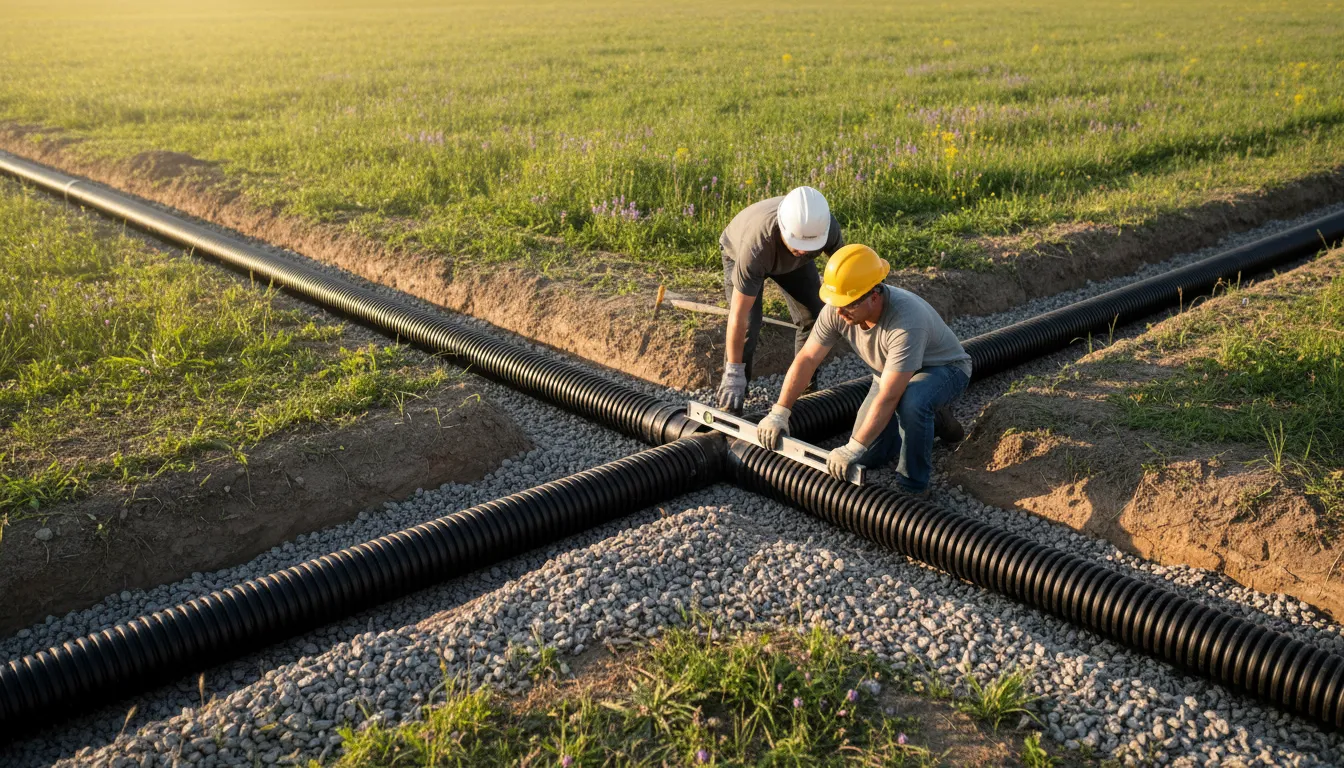
A failing drain field, also known as a leach field or absorption area, is a serious issue for any home with a septic system. When this critical component stops properly dispersing treated wastewater into the soil, it can lead to sewage backups, soggy yards, and environmental health hazards. In Renton, managing these systems is governed by specific local and state regulations to protect public health and water quality. This guide helps you understand the process, costs, and local requirements for drain field repair and replacement, connecting you with the certified professionals needed to navigate this complex project successfully.
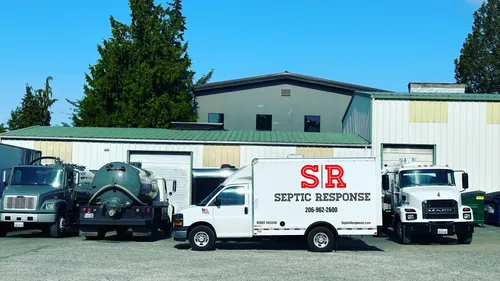
Septic Response
672 7th Ave, Kirkland, WA 98033
Septic Response is a septic tank service provider based in Seattle, WA, offering a wide range of services including septic tank pumping, inspection, repair, installation, and drain field replacement. They serve King County, Snohomish County, and Pierce County with expertise in maintaining both traditional and advanced septic systems. Their capabilities include inlet pipe cleaning using jetting technology and comprehensive septic system maintenance tailored to local soil and environmental conditions. The company emphasizes preventative maintenance and environmental compliance to extend system lifespan. Septic Response operates 24/7 to support urgent septic needs.
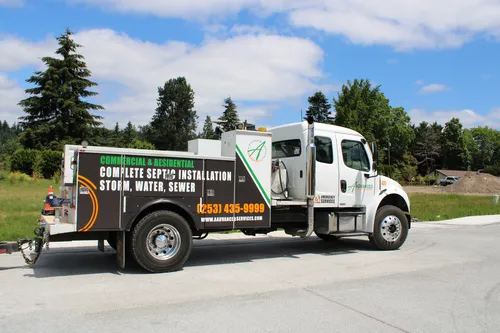
A Advanced Septic & Construction Services
1602 W Valley Hwy S, Auburn, WA 98001
A Advanced Septic & Construction Services is a family-owned business serving Tacoma, WA, and surrounding areas including Auburn, Puyallup, Bonney Lake, and Sumner. Established in 2006, they offer comprehensive septic services such as septic tank pumping, inspection, repair, installation, and drain field restoration. Their team also provides electrical and construction services related to septic systems. Known for handling emergency situations, they offer 24-hour emergency response to address urgent septic needs. The company combines modern equipment with experienced technicians to maintain and repair septic systems efficiently.
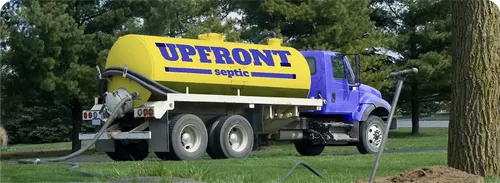
Upfront Septic & Plumbing
2367 Tacoma Ave S Suite 201, Tacoma, WA 98402
Upfront Septic & Plumbing is a septic service provider located in Tacoma, WA, serving King and Pierce County. They offer septic tank pumping, inspection, repair, and installation services for various septic systems including aerobic and anaerobic tanks made of concrete, metal, fiberglass, or plastic. The company also handles drain field repairs and provides emergency septic services available 24/7. Founded by a local resident, Upfront Septic & Plumbing emphasizes transparent pricing and straightforward service to address septic system needs efficiently.
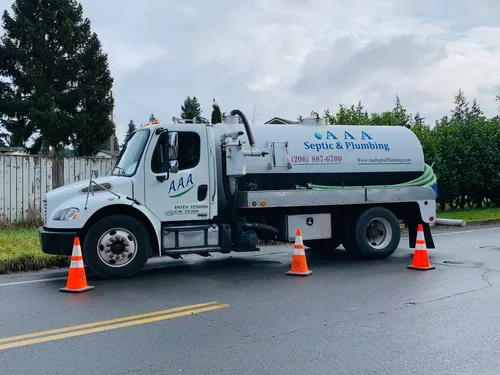
AAA Septic & Plumbing LLC.
32228 116th Ave SE, Auburn, WA 98092
AAA Septic & Plumbing LLC. is a family-owned business serving Tacoma, WA, and surrounding counties including King, Pierce, Snohomish, and Thurston. They provide a full range of septic services such as septic tank pumping, system installation and repair, drainfield repair, and sewer line services. The company is licensed and certified, offering specialized capabilities like septic pump control panel troubleshooting and sewer scope inspections. With years of trusted experience, AAA Septic & Plumbing LLC. operates with a commitment to customer satisfaction and offers 24-hour emergency response for septic and plumbing issues.
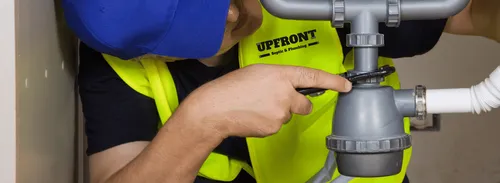
Upfront Septic & Plumbing
600 1st Ave UNIT 516, Seattle, WA 98104
Upfront Septic & Plumbing is a septic service provider based in Seattle, WA, serving King and Pierce Counties. They offer septic tank pumping, inspection, repair, and installation services for various septic systems including aerobic and anaerobic tanks made of concrete, metal, fiberglass, or plastic. The company also handles drain field repair and provides emergency septic services available 24/7. Founded by David White, Upfront Septic aims to provide transparent pricing and straightforward service to local customers.
Understanding Your Drain Field and Signs of Failure
Your septic system is a two-part wastewater treatment plant: the tank and the drain field. Solids settle and decompose in the tank, while the liquid effluent flows out to the drain field. Here, it percolates through layers of soil, where natural processes provide final treatment. A drain field is a network of perforated pipes buried in gravel-filled trenches. When this system fails, it's often due to a clogged biomat (a layer that forms at the soil interface), hydraulic overloading from too much water, soil compaction, or root intrusion.
Key signs your drain field or overall septic system needs attention include:
- Sewage odors in the yard or home.
- Slow drains and gurgling plumbing fixtures throughout the house.
- Wet, soggy, or spongy ground over the drainfield area, especially when it hasn't rained.
- Standing water or unusually lush, green grass over the drain field.
- Sewage backing up into household drains.
If you notice any of these signs, it's crucial to act quickly. Continued use of a failing system can cause more extensive environmental damage and lead to enforcement action from the local health department.
Renton and King County Regulations You Must Follow
All septic system repair and replacement work in Renton falls under the jurisdiction of Public Health - Seattle & King County. State law and local codes are strict to protect the region's sensitive waterways and groundwater.
Permits are Non-Negotiable: Any repair or replacement of your septic system components, including the drain field, requires a permit from the health department. You cannot legally hire a contractor to begin excavation or installation without this permit. The application typically must be submitted by a state-certified Master Installer, who will design the repair based on a site evaluation.
The Critical "Reserve Area": King County regulations require that an original septic system design includes a designated "reserve area"-a separate section of your property suitable for a future drain field 1. If your current drain field fails, the repair almost always involves constructing a new leach field in this reserve area. If no suitable reserve exists, your property may require a more complex-and costly-alternative system.
Mandatory Inspections: To catch problems early, Washington State requires that all septic systems be inspected regularly by a certified professional. The frequency (every 1 to 3 years) depends on your system's type and size 2. These inspection reports are submitted directly to the health department via an online system.
The Drain Field Repair and Replacement Process
Addressing a failed leach field is a multi-step process that involves professionals from start to finish.
-
Professional Inspection & Diagnosis: The first step is a comprehensive evaluation by a certified septic system inspector or maintainer. They will locate all system components, check tank sludge levels, and assess the drain field for hydraulic failure or surfacing sewage 3 4. This official diagnosis is often required for the permit application.
-
Site Evaluation & Design: A certified designer or installer will evaluate your property's soil conditions, topography, and the location of the existing system and reserve area. Soil quality is paramount, as drainfields need specific percolation rates for proper effluent treatment. They will design a system that complies with all current codes.
-
Permit Application: Your chosen certified installer will prepare and submit the repair/replacement application and design to Public Health - Seattle & King County for review and approval.
-
Construction & Installation: Once permitted, the construction begins. This involves careful excavation, removal of the old drain field components (if necessary), and installation of new piping, gravel, and protective barrier fabric. The area is then backfilled and graded.
-
Final Inspection & Approval: The health department conducts a final inspection of the installed system before it is covered. Once approved, you will receive a record of the completed work.
Find the perfect drain field repair companies for your needs
Get personalized recommendations and expert advice
Cost Factors for Drain Field Projects in Renton
The cost to replace a drain field in Renton can vary widely based on your property's characteristics and the scope of work. According to industry estimates, homeowners can generally expect the following ranges 5 6:
- Drain Field Replacement: $5,000 - $12,000. This is typically for constructing a new leach field in the existing reserve area.
- Complete Conventional System Replacement (Tank & Field): $10,000 - $20,000.
- Alternative or Aerobic Treatment System (ATU): $15,000 - $30,000+. These are required when soil conditions are poor or space is limited.
These figures are highly variable. Key factors that influence the final price include:
- System Size: Based on your home's bedroom count and water usage.
- Soil Conditions and Site Topography: Difficult soils (clay, high bedrock) or steep slopes increase complexity and cost. A new soil test (perc test) may be needed 7.
- Accessibility: Ease of access for heavy equipment.
- Landscaping: The cost to remove and restore decks, patios, or mature landscaping that sits over the work area.
- Permit and Design Fees: Fees charged by the county and the design professional.
Protecting Your New Drain Field
Proper maintenance is the best way to extend the life of your investment. Key care guidelines include 8 9:
- Manage Water: Divert roof downspouts, surface runoff, and sump pump discharge away from the drain field. Fix leaking faucets and toilets promptly to avoid hydraulic overload.
- Avoid Compaction: Never drive, park, or build heavy structures (like sheds) on the drain field or reserve area. The soil must remain porous.
- Plant Wisely: Plant only grass over the drain field. Roots from trees and shrubs can clog and damage pipes; keep them at least 30 feet away from the absorption area.
- Mind What Goes Down the Drain: Avoid flushing chemicals, grease, non-biodegradable items, and excessive use of garbage disposals.
When Repair is an Option
In some cases, a failing drain field may be eligible for repair instead of full replacement. Techniques like terracing a sloping drain field, adding additional distribution lines, or professional jetting to clean pipes might be solutions if the failure is partial and the soil still has adequate absorption capacity. A certified professional can determine if a repair is viable and compliant with regulations.
Frequently asked questions
Sources
Footnotes
-
On-site sewage/septic repair or replacement - King County, Washington - https://kingcounty.gov/en/dept/dph/health-safety/environmental-health/on-site-sewage-systems/applications-permits/repair-replacement ↩
-
Caring for Your Septic System | Washington State Department ... - https://doh.wa.gov/community-and-environment/wastewater-management/septic-system/caring-your-system ↩
-
Homeowner's Septic System Manual - King County - https://cdn.kingcounty.gov/-/media/king-county/depts/dph/documents/health-safety/environmental-health/oss/educational-downloads/homeowners-septic-system-manual.pdf?rev=82630971dc9e4074850c68d917f0eb26&hash=AC8FBC2F982C89461F268174B59624C5 ↩
-
Do-It-Yourself Septic System Inspection Field Guide - https://doh.wa.gov/sites/default/files/legacy/Documents/Pubs/337-121.pdf ↩
-
Septic System Pricing Guide for Washington State Homeowners ... - https://www.caringrealestate.com/blog/septic-system-pricing-guide-for-washington-state-homeowners-2025/ ↩
-
Cost to Replace Septic Tank and Drain Field [2026 Data] | Angi - https://www.angi.com/articles/how-much-new-drain-fields-foot.htm ↩
-
Perc Test Cost | Septic Perc Test Cost - https://www.fixr.com/costs/perc-test ↩
-
Drainfield Care - Large On-site Sewage System Fact Sheet - https://doh.wa.gov/sites/default/files/legacy/Documents/Pubs/337-150.pdf ↩
-
Landscaping with an on-site sewage system - https://kingcounty.gov/en/dept/dph/health-safety/environmental-health/on-site-sewage-systems/maintaining-your-system/landscaping-with-on-site-sewage-system ↩