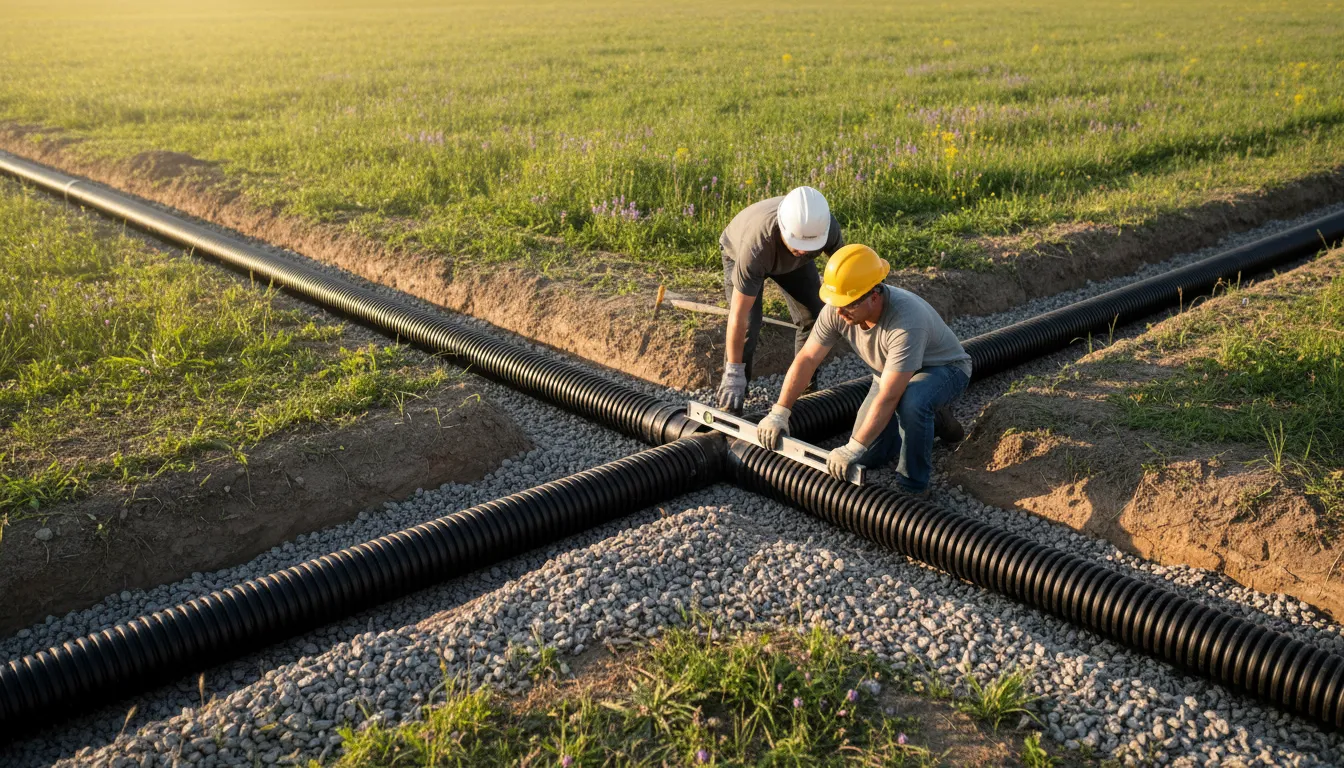
Find the Best Drain Field Repair Companies for Your Business
No obligation • Fast responses • Nationwide coverage

Why you can trust Septic Spot
Septic Spot is a leading United States resource for understanding and comparing septic services. Our editors review providers using consistent criteria and verify key business details. Listings and scores are independent, and companies cannot pay to influence our content.
Search providers near you
Top Drain Field Repair Companies in Sammamish, Washington Ranked
A failing drain field is a serious issue for any homeowner with a septic system. This critical component, also known as a leach field or absorption area, is responsible for safely dispersing and filtering treated wastewater into the soil. When it malfunctions, it can lead to sewage backups, soggy yards, and environmental contamination. In Sammamish, addressing drain field problems involves navigating specific local regulations, site constraints, and a formal permitting process. This guide provides essential information on the repair and replacement process, local requirements, and how to connect with certified professionals who can evaluate your system and ensure compliance with King County and Washington State health codes.
Septic Response
672 7th Ave, Kirkland, WA 98033
Septic Response is a septic tank service provider based in Seattle, WA, offering a wide range of services including septic tank pumping, inspection, repair, installation, and drain field replacement. They serve King County, Snohomish County, and Pierce County with expertise in maintaining both traditional and advanced septic systems. Their capabilities include inlet pipe cleaning using jetting technology and comprehensive septic system maintenance tailored to local soil and environmental conditions. The company emphasizes preventative maintenance and environmental compliance to extend system lifespan. Septic Response operates 24/7 to support urgent septic needs.
A Advanced Septic & Construction Services
1602 W Valley Hwy S, Auburn, WA 98001
A Advanced Septic & Construction Services is a family-owned business serving Tacoma, WA, and surrounding areas including Auburn, Puyallup, Bonney Lake, and Sumner. Established in 2006, they offer comprehensive septic services such as septic tank pumping, inspection, repair, installation, and drain field restoration. Their team also provides electrical and construction services related to septic systems. Known for handling emergency situations, they offer 24-hour emergency response to address urgent septic needs. The company combines modern equipment with experienced technicians to maintain and repair septic systems efficiently.
AAA Septic & Plumbing LLC.
32228 116th Ave SE, Auburn, WA 98092
AAA Septic & Plumbing LLC. is a family-owned business serving Tacoma, WA, and surrounding counties including King, Pierce, Snohomish, and Thurston. They provide a full range of septic services such as septic tank pumping, system installation and repair, drainfield repair, and sewer line services. The company is licensed and certified, offering specialized capabilities like septic pump control panel troubleshooting and sewer scope inspections. With years of trusted experience, AAA Septic & Plumbing LLC. operates with a commitment to customer satisfaction and offers 24-hour emergency response for septic and plumbing issues.
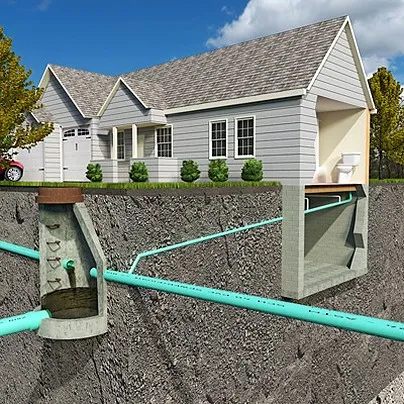
The Septic Group (Formerly Woodinville Septic Service)
2822 Old Hartford Rd, Lake Stevens, WA 98258
The Septic Group (Formerly Woodinville Septic Service) is a septic service company based in Lake Stevens, serving Everett, WA, and the Greater Seattle area. With 60 years of experience, they provide septic tank pumping, inspection, repair, installation, and drain field replacement services. Their licensed experts conduct thorough system inspections, including mainlines and drainfields, and provide detailed pumping reports and county filings. The team also handles septic pump repair and replacement, offering personalized service throughout installation and maintenance.
Upfront Septic & Plumbing
600 1st Ave UNIT 516, Seattle, WA 98104
Upfront Septic & Plumbing is a septic service provider based in Seattle, WA, serving King and Pierce Counties. They offer septic tank pumping, inspection, repair, and installation services for various septic systems including aerobic and anaerobic tanks made of concrete, metal, fiberglass, or plastic. The company also handles drain field repair and provides emergency septic services available 24/7. Founded by David White, Upfront Septic aims to provide transparent pricing and straightforward service to local customers.
Understanding Your Drain Field and Signs of Failure
The drain field is the final stage of your onsite sewage system. After solids settle in the septic tank, liquid effluent flows into a network of perforated pipes buried in trenches filled with gravel. This effluent slowly percolates into the soil, where natural processes provide final treatment. Several factors common in the Sammamish area can lead to system failure, including high groundwater tables, dense or impermeable soils, and aging infrastructure.
Recognizing early warning signs can prevent a complete system collapse and more expensive repairs. Key indicators include:
- Sewage odors in the yard or home.
- Persistently soggy ground or standing water over the drain field area, especially when it hasn't rained.
- Slowly draining or gurgling household fixtures.
- Unusually green, lush grass specifically over the drain field lines.
- Backups into sinks, tubs, or toilets.
If you notice any of these signs, it's crucial to act quickly. Continuing to use a failing system can pose health risks, violate county codes, and lead to property damage 1.
The Sammamish and King County Regulatory Landscape
Any significant repair or full replacement of a septic system component in Sammamish requires adherence to strict regulations. Sammamish falls under the jurisdiction of Public Health - Seattle & King County for septic system permits. Recent updates to state rules, which went into effect in April 2025, emphasize protecting water quality, meaning your project must comply with the latest standards 2.
The process is overseen by certified professionals. You must hire a Washington State-certified Master Installer or Designer to submit a formal repair/replacement proposal to the health department. They will evaluate if a simple repair is possible or if a full drain field replacement is necessary. The entire process-from initial site evaluation and soil testing to design approval and permitting-can take between one to three months.
Furthermore, properties near sensitive slopes, wetlands, or critical areas may require an additional Simplified Drainage Review from the City of Sammamish to ensure the project does not negatively impact surface water drainage 3. If your property is in a sensitive area, you may also be required to install an advanced Nitrogen-Reducing Treatment System to protect groundwater.
Find the perfect drain field repair companies for your needs
Get personalized recommendations and expert advice
The Site Evaluation and Design Process
A successful drain field project begins with a thorough site evaluation. This step determines the feasibility and design of your repair or new system. Key factors evaluated include:
- Soil Composition and Percolation Rate: A soil test determines the "perc rate," or how quickly water moves through the soil. This dictates the size and type of drain field needed.
- Setback Distances: Regulations require minimum distances from wells, property lines, buildings, and surface water 4.
- High Groundwater Table: The seasonal high water level must be measured, as drain fields cannot be constructed in saturated soil 5.
- Slope and Topography: The land must be graded appropriately to manage drainage without causing erosion 6.
- Reserve Area: King County requires that a suitable area be identified and left undisturbed for a future replacement drain field 7.
Based on this evaluation, your certified designer will create a system design that meets all health code requirements. This design is then submitted as part of the permit application package to Public Health - Seattle & King County.
Repair vs. Full Replacement: Options and Considerations
The course of action depends on the extent of the damage and the results of the site evaluation.
Partial Drain Field Repairs: In some cases, only a portion of the field may be clogged or damaged. A certified installer might be able to repair a single line or section. This is typically a shorter project, often taking 1-5 days, and is less costly than a full replacement. However, it is only a solution if the rest of the system and soil are in good condition.
Complete Drain Field Replacement: This is necessary when the entire absorption area has failed, often due to irreversible soil clogging (biomat formation), high groundwater, or a lack of proper maintenance over decades. Replacement involves excavating a new set of trenches in the approved reserve area. In Western Washington, the cost for a full septic system replacement, including a new tank and drain field, generally exceeds $25,000. Replacing just the drain field component can start at approximately $7,000 or more, with final costs heavily dependent on soil conditions, system size, and site accessibility 8 9.
The Critical Role of Inspections and Maintenance
Preventative maintenance is the most effective way to avoid a costly drain field crisis. Washington State mandates regular inspections of all septic systems. Conventional systems require an inspection by a certified operation and maintenance specialist every three years. Advanced treatment systems require an annual inspection 10 11.
A proper inspection includes checking the tank for sludge and scum levels, inspecting inlet and outlet baffles, and assessing the drain field for signs of failure 12. The inspector must file a report with the local health jurisdiction. Adhering to this schedule and pumping the tank when needed (typically every 3-5 years) prevents solids from escaping into the drain field, which is a primary cause of clogging and failure 13.
Financial and Long-Term Planning
A major drain field project is a significant investment. When budgeting, consider the costs for:
- Site evaluation and soil testing
- System design and engineering
- County permit fees
- Excavation and construction
- New materials (pipe, gravel, tank if needed)
- Landscaping restoration
To manage this, homeowners should:
- Get Multiple Estimates: Consult with several certified master installers for detailed quotes.
- Explore Financing: Some companies offer financing options, and certain loans like FHA 203(k) or home equity lines of credit can be used for septic repairs.
- Verify Sewer Availability: Before investing heavily, check with the Sammamish Plateau Water District to confirm your property is not eligible for a connection to municipal sewer lines, which could be a long-term alternative 14.
Properly maintaining a new or repaired system ensures it will function effectively for its intended lifespan, protecting your property value and the local environment, including the aquifer that supplies the Sammamish Plateau 15.
Frequently asked questions
Sources
Footnotes
-
Conventional Septic Systems: Benefits, Maintenance & Expert Tips (2026) - https://www.vdwws.com/blog/conventional-septic-system ↩
-
Navigating New Septic Regulations: Stay Compliant - Blog - https://danosseptic.com/blog/navigating-new-septic-regulations-stay-compliant/ ↩
-
Simplified Drainage Review - City of Sammamish - https://www.sammamish.us/media/vl3lep2b/simplified-drainage-review-step-by-step-guide.pdf ↩
-
Septic Systems - Washington State Department of Health - https://doh.wa.gov/community-and-environment/wastewater-management/septic-system ↩
-
On-Site Sewage Program - Septic Systems - Skamania County - https://www.skamaniacounty.org/departments-offices/community-development/environmental-health/onsite-sewage ↩
-
Building project checklist for properties with septic systems or ... - https://www.sammamish.us/media/yo1nz0jp/residential-septic-system-guideline.pdf ↩
-
On-site sewage/septic repair or replacement - King County, Washington - https://kingcounty.gov/en/dept/dph/health-safety/environmental-health/on-site-sewage-systems/applications-permits/repair-replacement ↩
-
Home Fails Septic Inspection in Washington: A Recovery Guide - https://davissepticdesign.com/home-fails-septic-inspection-in-washington-a-recovery-guide/ ↩
-
Cost to Replace Septic Tank and Drain Field [2026 Data] | Angi - https://www.angi.com/articles/how-much-new-drain-fields-foot.htm ↩
-
Caring for Your Septic System | Washington State Department ... - https://doh.wa.gov/community-and-environment/wastewater-management/septic-system/caring-your-system ↩
-
Do-It-Yourself Septic System Inspection Field Guide - https://doh.wa.gov/sites/default/files/legacy/Documents/Pubs//337-122.pdf ↩
-
Homeowner's Septic System Manual - King County - https://cdn.kingcounty.gov/-/media/king-county/depts/dph/documents/health-safety/environmental-health/oss/educational-downloads/homeowners-septic-system-manual.pdf?rev=82630971dc9e4074850c68d917f0eb26&hash=AC8FBC2F982C89461F268174B59624C5 ↩
-
Keeping your septic system on point - Washington State Department ... - https://ecology.wa.gov/blog/september-2024/keeping-your-septic-systems-top-notch ↩
-
Septic System Resources | Sammamish Plateau Water, WA - https://www.spwater.org/372/Septic-System-Resources ↩
-
Household Wastewater: Septic Systems and Other Treatment Methods (Fact Sheet) - https://extension.missouri.edu/publications/eqm104f ↩