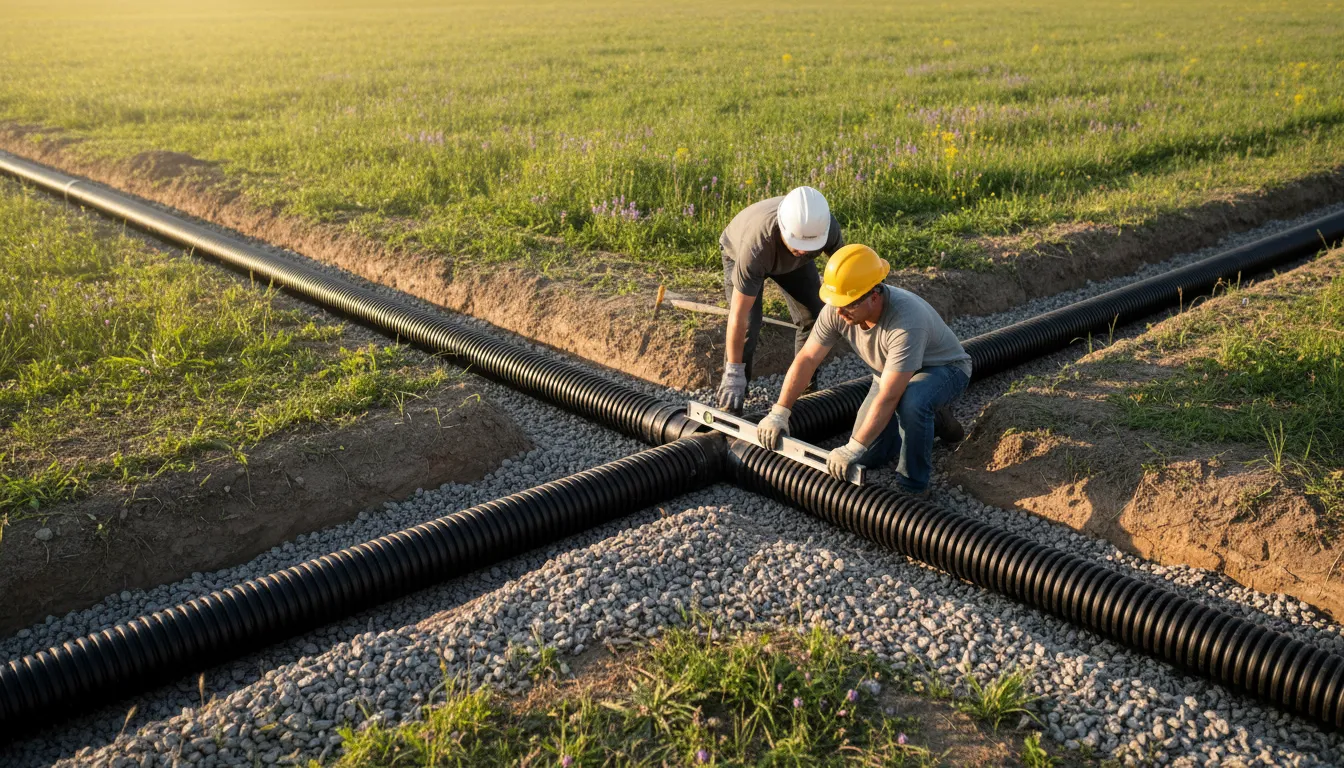
Find the Best Drain Field Repair Companies for Your Business
No obligation • Fast responses • Nationwide coverage

Why you can trust Septic Spot
Septic Spot is a leading United States resource for understanding and comparing septic services. Our editors review providers using consistent criteria and verify key business details. Listings and scores are independent, and companies cannot pay to influence our content.
Search providers near you
Top Drain Field Repair Companies in Shoreline, Washington Ranked
When your septic system's drain field fails, it's more than an inconvenience-it's a critical environmental and public health issue that requires immediate, expert attention. In Shoreline, WA, managing this essential component of your home's wastewater system involves navigating specific local regulations, complex soil conditions near the Puget Sound, and significant investment. This guide explains the process, costs, and key considerations for leach field repair or replacement, helping you connect with certified professionals who can restore your system to proper function.
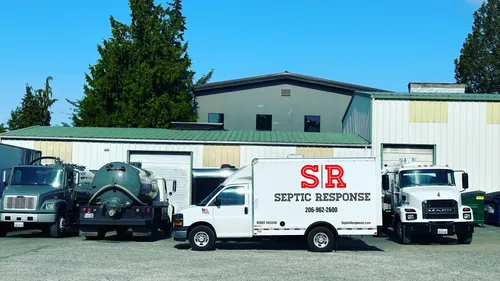
Septic Response
672 7th Ave, Kirkland, WA 98033
Septic Response is a septic tank service provider based in Seattle, WA, offering a wide range of services including septic tank pumping, inspection, repair, installation, and drain field replacement. They serve King County, Snohomish County, and Pierce County with expertise in maintaining both traditional and advanced septic systems. Their capabilities include inlet pipe cleaning using jetting technology and comprehensive septic system maintenance tailored to local soil and environmental conditions. The company emphasizes preventative maintenance and environmental compliance to extend system lifespan. Septic Response operates 24/7 to support urgent septic needs.
The Septic Group (Formerly Woodinville Septic Service)
2822 Old Hartford Rd, Lake Stevens, WA 98258
The Septic Group (Formerly Woodinville Septic Service) is a septic service company based in Lake Stevens, serving Everett, WA, and the Greater Seattle area. With 60 years of experience, they provide septic tank pumping, inspection, repair, installation, and drain field replacement services. Their licensed experts conduct thorough system inspections, including mainlines and drainfields, and provide detailed pumping reports and county filings. The team also handles septic pump repair and replacement, offering personalized service throughout installation and maintenance.
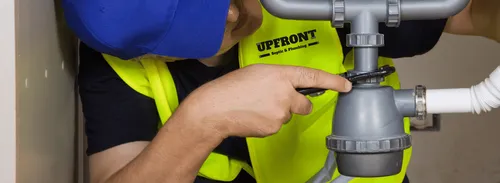
Upfront Septic & Plumbing
600 1st Ave UNIT 516, Seattle, WA 98104
Upfront Septic & Plumbing is a septic service provider based in Seattle, WA, serving King and Pierce Counties. They offer septic tank pumping, inspection, repair, and installation services for various septic systems including aerobic and anaerobic tanks made of concrete, metal, fiberglass, or plastic. The company also handles drain field repair and provides emergency septic services available 24/7. Founded by David White, Upfront Septic aims to provide transparent pricing and straightforward service to local customers.
Sno Valley Underground
12113 221st St SE, Snohomish, WA 98296
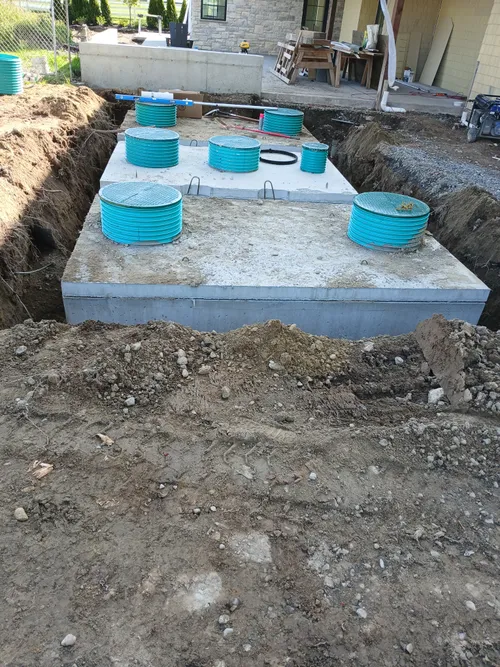
Sno Valley Underground is a family-owned septic system repair and installation company based near Seattle, WA. They serve King, Skagit, and Snohomish counties, providing services such as septic system installations, expansions, repairs, and drain field replacements. The company offers expertise in traditional and aerobic septic tanks made of plastic, poly, or concrete. Founded by Tucker Jones, Sno Valley Underground emphasizes clear communication and thorough project management to meet customer expectations. Extended hours are available by appointment.
Northwest Septic & Pumping
24224 115th Pl SE, Kent, WA 98030
Northwest Septic & Pumping is a septic system service provider based in Kent, WA. Since 2015, they have offered septic tank pumping, maintenance, repairs, and drain field services to customers in King County and nearby areas. The company specializes in septic tank cleaning, system decommissioning, and drain field repairs. They also plan to offer septic inspections starting in 2023 and installations in 2025. Services are available daily from 8am to 8pm.
Understanding Drain Field Failure
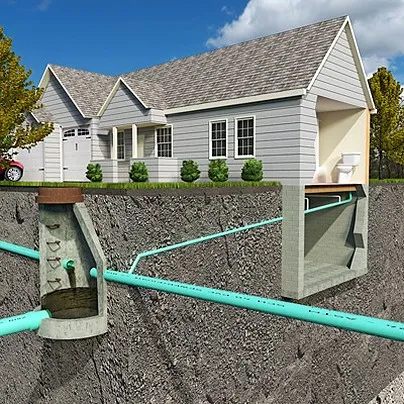
A drain field, also known as a leach field or soil absorption system, is the final stage of a septic system where treated wastewater percolates into the soil. Failure occurs when the soil can no longer absorb liquid, leading to backups, soggy ground, and untreated sewage reaching the surface or groundwater. In Shoreline's coastal environment, common causes include age, soil compaction, root intrusion, and hydraulic overloading from excessive water use. Recognizing early signs-such as persistently wet spots over the field, sewage odors, or unusually lush grass-can help you address problems before they become an emergency 1.
Shoreline's Regulatory Landscape: Permits and 2025 Code Updates
All major septic system repairs and replacements in Shoreline fall under the jurisdiction of King County Public Health. You cannot begin work without a county-issued permit, and the application must be submitted by a state-certified Master Installer. The regulatory environment is evolving, with significant 2025 code updates now in effect. Most notably, for properties in designated Nitrogen-Sensitive Zones-which include areas near the Puget Sound-any major repair or full replacement of a drain field now requires the integration of nitrogen-reducing technology. This often means installing an Advanced On-Site Sewage System, such as an Aerobic Treatment Unit (ATU), which significantly reduces the nitrogen load entering sensitive marine waters 2.
Furthermore, if your property is within Shoreline jurisdiction (i.e., near the water), additional shoreline management regulations apply. These rules enforce strict setbacks and buffers from the water's edge and may require a geotechnical analysis to ensure the new system does not compromise shoreline stabilization efforts 3. Navigating these overlapping regulations makes working with a local installer experienced in King County and Shoreline codes absolutely essential.
The Site-Specific Challenges of Shoreline Properties
The feasibility and cost of your leach field project are heavily influenced by your property's unique characteristics.
- Soil and Hydrology: Coastal areas like Shoreline often have high water tables, especially during rainy seasons. The drain field must be designed to operate effectively in periodically saturated soils. A percolation (perc) test and soil evaluation will determine if a conventional gravity system is possible or if a more complex pressure-dosed system is needed to evenly distribute effluent 4.
- Space and Setbacks: Regulations mandate minimum distances from wells, property lines, buildings, and-critically-shorelines and wetlands. You must have a suitable "drainfield replacement area" or "reserve area" identified on your property's original "as-built" site plan. If this area has been compromised (e.g., built over), finding a new compliant location can be a major challenge and expense 5.
- System Age and Type: Older systems may not meet current standards, necessitating a full upgrade rather than a simple repair during the replacement process.
The Step-by-Step Process for Repair or Replacement
Successfully navigating a drain field project involves a clear sequence of steps.
- Initial Professional Inspection: If you suspect a problem, hire a certified septic inspector or designer. They will perform tests to confirm drain field failure and rule out simpler issues like a clogged pipe or full tank. Inspection costs in the region typically range from $500 to $900 6 7.
- Locate the "As-Built" Plan: Find your property's original septic system design and layout diagram. This is crucial for planning the repair and identifying the legally designated replacement area.
- Site Evaluation and Design: A septic designer will assess your soil, topography, and water table. They will then create a new system design that complies with all current codes, including the 2025 nitrogen-reduction requirements if applicable.
- Permit Submission: Your chosen Master Installer will compile the design, application, and fees to submit a formal Repair Proposal to King County Public Health for permit approval 8.
- Construction: Once permitted, the installer will excavate the old field (if necessary) and construct the new one. This may involve importing specific sand or gravel, installing new distribution lines, and integrating advanced treatment components.
- Final Inspection: Before the new drain field is covered with soil, a King County inspector must perform a "pre-cover" inspection to ensure it matches the permitted design. Only after this approval can the project be completed 9.
Find the perfect drain field repair companies for your needs
Get personalized recommendations and expert advice
Cost Breakdown for Shoreline Drain Field Projects
Costs can vary widely based on system complexity, soil conditions, and regulatory requirements. The figures below are estimates for the Shoreline and greater King County area 10 11.
- Professional Inspection & Diagnosis: $500 - $900
- Minor Repairs (e.g., clearing a blocked line): $200 - $800
- Drain Field Replacement Only: $5,000 - $12,000. This is for replacing the absorption area itself, assuming the tank and other components are sound.
- Full System Replacement (including tank and drain field): $10,000 - $25,000.
- Advanced System Replacement (with nitrogen-reducing ATU, required in sensitive areas): Often exceeds $25,000 and can reach $30,000 or more.
The higher end of these ranges reflects the added costs of advanced treatment technology mandated by the 2025 code updates and the challenges of working in Shoreline's coastal soil conditions 12.
Maintaining Your New or Repaired System
Protecting your investment is key. After a repair or replacement, adhere to a strict maintenance schedule:
- Routine Inspections: Have a professional inspect the system every 1 to 3 years, depending on the type.
- Regular Pumping: Pump the septic tank every 3 to 5 years to prevent solids from flowing into and clogging the new drain field 13.
- Conserve Water: Spread out laundry loads and fix leaks to avoid hydraulically overloading the system.
- Protect the Area: Never drive, park, or build structures over the drain field. Plant only grass or shallow-rooted vegetation over it to prevent root damage 14.
Frequently asked questions
Sources
Footnotes
-
Do-It-Yourself Septic System Inspection Field Guide - https://doh.wa.gov/sites/default/files/legacy/Documents/Pubs/337-121.pdf ↩
-
Assessing Septic Systems: Protect Your Investment Property Purchase - https://www.investmentpropertiesinfo.com/learn/assessing-septic-systems-protect-your-investment ↩
-
Focus on: On-Site Sewage Systems and Shoreline Management - https://apps.ecology.wa.gov/publications/documents/2306006.pdf ↩
-
Septic Vs. Sewer Guide - https://www.mybuildercares.com/blog/2026-01-21/septic-vs-sewer-which-one-will-your-property-need-septic-vs-sewer ↩
-
Policy Septic Tanks and Drainfields in Shoreline CP2019-03 1 of 2 - https://www.piercecountywa.gov/DocumentCenter/View/85384/CP2019-03-Septic-Tanks-and-Drainfields-in-Shoreline-Jurisdiction ↩
-
Septic System Pricing Guide for Washington State Homeowners ... - https://www.caringrealestate.com/blog/septic-system-pricing-guide-for-washington-state-homeowners-2025/ ↩
-
Home Fails Septic Inspection in Washington: A Recovery Guide - https://davissepticdesign.com/home-fails-septic-inspection-in-washington-a-recovery-guide/ ↩
-
On-site sewage/septic repair or replacement - King County, Washington - https://kingcounty.gov/en/dept/dph/health-safety/environmental-health/on-site-sewage-systems/applications-permits/repair-replacement ↩
-
REPAIR PERMIT FOR A SEPTIC SYSTEM PROCEDURE ... - https://www.washingtoncountyor.gov/hhs/documents/repair-permit-pack/download?inline ↩
-
WA Septic System Rules Buyers Need to Know (2025-2026 ... - https://www.lanifisherhomesblogs.com/blog/wa-septic-system-rules-buyers-need-to-know-20252026-guide ↩
-
How Much Does Failed Septic System Cost? - https://www.septicconnection.com/how-much-does-failed-septic-system-cost ↩
-
Washington 2025 Septic Code Updates & Their Environmental Impact - https://davissepticdesign.com/washington-2025-septic-code-updates-their-environmental-impact/ ↩
-
Caring for Your Septic System | Washington State Department of ... - https://doh.wa.gov/community-and-environment/wastewater-management/septic-system/caring-your-system ↩
-
Maintaining Your Septic System | Clallam County, WA - https://www.clallamcountywa.gov/506/Maintaining-Your-Septic-System ↩